Hello there, fellow mantis friend.
Have you ever watched a baby praying mantis, no bigger than your thumbnail, and wondered how such a delicate creature survives? Those tiny, alien-like nymphs are born ready to hunt from their very first moments.
Baby praying mantises, called nymphs, are strictly carnivorous and thrive on a diet of live, moving prey small enough for them to capture, primarily fruit flies and pinhead crickets.
Getting their diet right is a delicate art; food that is too large can injure them, while the wrong type offers little nutritional value.
We will walk you through everything you need to know, from their first meal to their tricky molting periods.
- The perfect first foods and where to find them.
- How to set up a successful feeding routine.
- Critical mistakes to avoid for a thriving nymph.
Understanding the Mantis Nymph Diet
Baby mantises, or nymphs, are purely carnivorous and depend on live prey to thrive from their very first days. Their survival hinges on catching moving insects, as their hunting instincts awaken only with the sight and sound of live food. We’ve watched our own mantises, like Luna, perk up at the faintest rustle, ready to pounce with focused intensity.
In the wild and in captivity, nymphs target tiny, soft-bodied insects that match their size and agility. Offering a variety helps mimic their natural diet and supports balanced growth. When selecting feeder insects, keepers often compare fruit flies vs houseflies to see which best fits their nymphs. Common options include fruit flies, aphids plucked from garden plants, and pinhead crickets that are just hatched.
- Fruit flies – these are small, abundant, and easy to rear in homemade cultures.
- Aphids – gentle on tiny jaws, often found clustering on rose bushes or herbs.
- Pinhead crickets – suitable for slightly larger nymphs, providing a bit more substance.
Live prey isn’t just about nutrition-it’s about sparking that innate predatory drive. The darting motion of a fruit fly or the crawl of an aphid triggers a nymph’s strike reflex, essential for building confidence and skill. When Moss, our Giant Asian Mantis, was a nymph, he’d practice his aim on gnats, each successful catch adding to his coordination.
Best Live Prey for Your Baby Mantis
Selecting the right live prey ensures your nymph eats safely and enthusiastically. Always choose insects smaller than the mantis’s head to avoid any risk of injury or difficulty swallowing. This simple guideline keeps feeding sessions stress-free and effective.
We’ve found that diversity in prey keeps nymphs engaged and well-nourished. Rotating between different types prevents boredom and mimics the varied diet they’d find in nature. Here are some reliable choices we recommend based on years of care.
- Fruit flies – flightless varieties are easiest to manage and perfect for hatchlings.
- Small flies – such as houseflies or bottle flies, caught fresh or bought from suppliers.
- Gnats – their tiny size and erratic flight make them ideal for the smallest nymphs.
- Spiderlings – if accessible, they offer a natural challenge and nutritional boost.
If these aren’t on hand, alternatives like tiny crickets or even mite cultures can work in a pinch. Just double-check that any substitute is free of pesticides and appropriately miniature to suit your mantis’s size. For Sprig, our Orchid Mantis, we sometimes use pinhead crickets when fruit flies are low, and she devours them with quiet determination. For anyone just starting out with mantids, ensuring the right food size is crucial.
How Often to Feed Mantis Nymphs
-
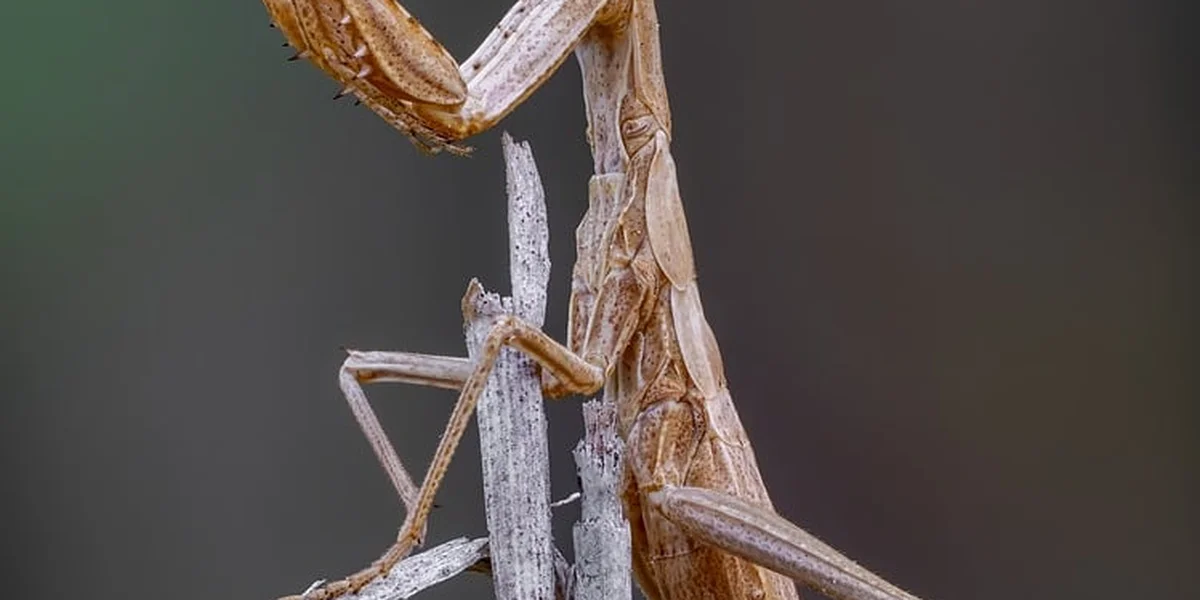
Young mantis nymphs in their early instar stages, like first to third, need food every single day to fuel their rapid growth. These daily requirements are a central focus in a praying mantis feeding schedule species comparative guide. The guide compares how different species adjust feeding frequency across instars.
Daily feeding supports their high metabolism and helps them build strength for upcoming molts.
As they mature to fourth instar and beyond, you can space meals to every two or three days.
-
Watch for clear hunger cues such as your nymph actively stalking or turning its head to track movement.
A hungry mantis often stands alert with its forearms ready, showing clear interest in anything that moves nearby.
Restless pacing along enclosure walls can also signal it’s time for a snack.
-
Pause all feeding in the days leading up to and just after a molt, when your mantis becomes still and hangs upside down.
During molting, their old skin splits and they are too soft and vulnerable to handle prey safely.
Once they’ve hardened over a day or two, you can gently offer a small, easy meal.
Step-by-Step Guide to Feeding Baby Mantises
-
Collect soft brushes, small deli cups, or blunt tweezers to manage prey without stressing your mantis.
Having the right tools on hand makes feeding sessions calm and prevents accidental harm to your tiny nymph.
-
Drop live prey gently into the enclosure, aiming for a spot where your mantis can see it easily.
A slow, careful introduction mimics natural hunting and reduces the chance of startling your pet.
-
Observe the lightning-fast strike as your nymph grabs its meal, then check back after a few hours.
Removing any uneaten insects keeps the habitat clean and stops them from bothering your mantis.
Tools for Easy Feeding
-
Repurpose household items like small glass jars or plastic containers with lids to hold and transfer prey.
These simple containers help you control feeder insects and stop them from escaping or nibbling on your mantis. In the ultimate guide to gut-loading feeder insects for mantises, you’ll learn how to enrich their meals for better nutrition and growth.
-
Use a soft paintbrush or makeup brush to nudge prey into position or guide your nymph if needed.
Gentle brushes let you interact safely without risking bites or injuring delicate limbs.
Encouraging Reluctant Eaters
-
Warm the prey slightly with your hands or a warm water bath to make it more active and appealing.
Increased movement often triggers your mantis’s hunting instinct, especially for shy eaters like my Orchid Mantis, Sprig.
-
If one insect type is refused, try another-switch from fruit flies to small crickets or aphids.
Offering variety can spark interest and ensure your nymph gets a balanced diet without frustration.
Solving Common Feeding Problems
-
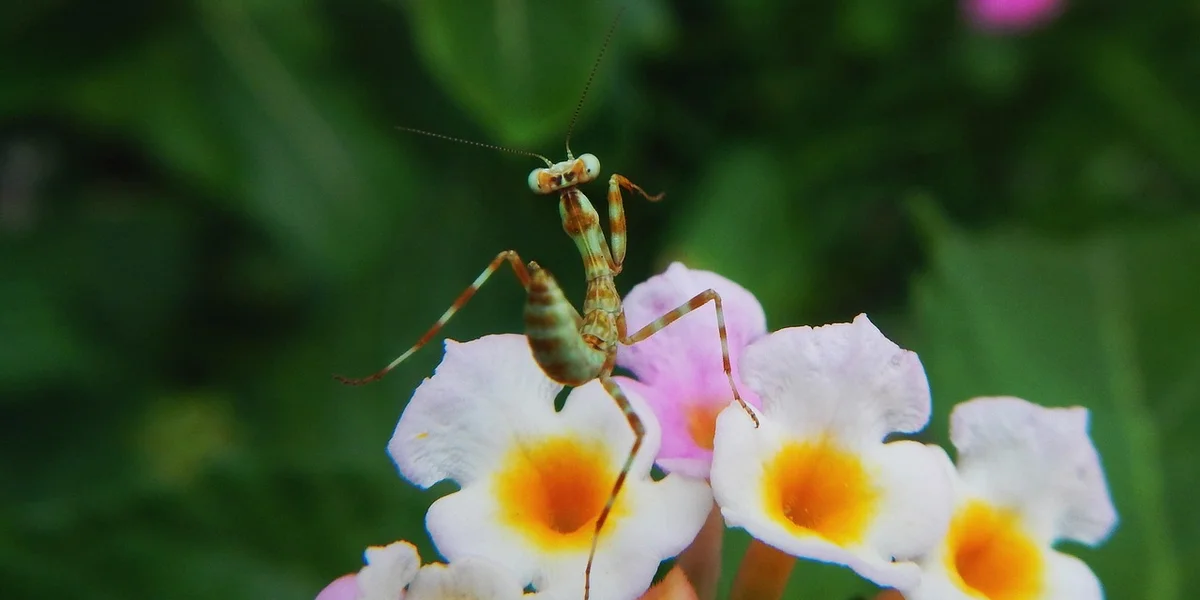
If your baby mantis turns down food, it might be getting ready to molt. Watch for signs like reduced movement or a duller colour, as these often mean a shed is near. Stress from too much handling or a noisy environment can also put them off their meals, so we recommend keeping their space calm and undisturbed.
-
Prey that’s too big can overwhelm your nymph, while tiny prey might not catch their eye. Aim for insects no larger than the space between your mantis’s eyes to ensure they can handle and digest them easily. For my mantis Moss, I found that small fruit flies were perfect when he was young, avoiding any struggles during feeding. There’s a fairly comprehensive list of insects mantises eat. You can start with easy prey like fruit flies and small crickets, then broaden the menu as your mantis grows.
-
It’s quite normal if you spot your nymph nibbling on its old skin after molting. This behaviour is harmless and can even recycle nutrients, so there’s no need to intervene. Just make sure they have access to fresh prey afterwards to keep their diet balanced.
Pro Tips for a Healthy Mantis Nymph Diet
-
Offering a mix of live prey like fruit flies, aphids, and tiny crickets helps cover all nutritional bases. Variety in their diet mimics what they’d find in the wild and supports strong growth and vibrant colours. My orchid mantis, Sprig, thrived once I rotated her food, showing off brighter pinks and whites.
-
Dead insects won’t tempt your nymph because they hunt by movement. Always provide live food to trigger their natural hunting instincts and encourage healthy eating habits. I learned this when Luna ignored a still insect but perked up the moment it twitched.
-
Light misting with warm water not only hydrates your mantis but also boosts enclosure humidity. Gently spray the walls and leaves once or twice a day so your nymph can drink droplets and stay supple for molting. This simple step makes a big difference in keeping them active and well-hydrated. It’s also important to know how often to mist them.
Common Mantis Queries

How do I transition my mantis nymph to larger prey as it grows?
Gradually introduce slightly bigger insects, such as small crickets or flies, after each successful molt to match their increasing size. Always ensure the prey is no larger than the space between their eyes to prevent feeding difficulties. As they advance through molts, begin phasing out fruit flies in favor of larger prey. This smooth transition helps the nymphs adapt to hunting bigger targets as they mature.
What should I do if my mantis nymph is not eating after molting?
Allow a day or two for their new exoskeleton to harden completely before attempting to feed them again. Start by offering a small, slow-moving insect to gently encourage their hunting instincts without causing stress.
Are there any foods I should avoid feeding my mantis nymph?
Avoid hard-bodied insects like beetles or ants, as they can be difficult to digest and may injure your nymph. Also, never feed prey from areas that could have pesticide exposure to ensure their safety and health. These issues are among the 9 common nymph rearing mistakes that can lead to high mortality. Addressing them helps improve survival and healthy development.
Your Nymph’s Feeding Journey
Offer your baby mantis tiny, live prey like fruit flies that match its size for safe, successful meals. Light daily misting keeps them hydrated and supports healthy molting as they grow. Make sure to feed appropriate live food for optimal health.
We believe keeping a pet mantis is a rewarding commitment that thrives on attentive observation and gentle adjustments. Do continue learning and sharing experiences with fellow keepers to nurture your mantis’s well-being for years to come. For new keepers, our care pet praying mantis complete handling behavior guide provides practical, humane handling tips and clear behavioral cues to help you interact confidently and safely.
Further Reading & Sources
- Praying Mantid caresheet – Amateur Entomologists’ Society (AES)
- General Mantis Care – Praying mantis care sheet and feeding
- How to Feed Your Praying Mantis : 4 Steps – Instructables
- r/mantids on Reddit: The Best Diet For Your Praying Mantis – A Nutritional Breakdown On Prey Insects And Why You Should Keep Healthy Feeders
Rowan Hale is a lifelong insect enthusiast who fell in love with mantises for their calm presence, alien elegance, and surprising personalities. After years of keeping and raising a variety of species, Rowan shares practical tips, creative insights, and real-world experience to help others enjoy the quiet magic of mantis care. From setting up the perfect enclosure to understanding their subtle behaviors, Rowan invites readers into a gentle, curious world where every tiny movement feels like a discovery.
Feeding