
The Role of Diet and Genetics in Praying Mantis Coloration
Published on: January 11, 2026 | Last Updated: January 11, 2026
Written By: Rowan Hale
Hello fellow mantis friend, have you ever marvelled at the emerald gleam of a Giant Asian or the delicate pink blush of an Orchid Mantis and wondered what paints their tiny bodies in such vivid hues?
Diet and genetics work together to shape the stunning colours you see in praying mantises, with genetics laying the foundation and diet fine-tuning the final shades.
Unravelling this colour mystery feels a bit like tending a living kaleidoscope-each mantis carries a unique blend of inherited traits and lifestyle influences that can shift its appearance over time.
We will explore how these elements interact, covering key insights like:
- How genetic blueprints set the stage for colour potential
- The way specific nutrients can intensify or mute natural pigments
- Why some species show more dietary influence than others
- Practical tips to support vibrant, healthy colour through care
Understanding the Basics of Mantis Coloration
What Is Color Variation in Praying Mantises?
Color variation in praying mantises refers to the wide range of hues and patterns they display, from earthy browns and vibrant greens to soft pinks and muted grays. These colors aren’t just for show—they play a vital role in camouflage, helping mantises blend into their surroundings like living leaves or bark. They are crucial for survival, offering both camouflage and mimicry. In our terrarium, Luna the Ghost Mantis embodies this with her misty brown frills that mimic dried foliage, while Sprig the Orchid Mantis dazzles with pink-and-white marbling that hides among flowers. You might notice your mantis shifting shades slightly after molting, as new skin hardens and pigments settle.
Common color types include:
- Green: Ideal for leafy environments, often seen in species like the Giant Asian Mantis.
- Brown: Perfect for bark or soil camouflage, common in many wild populations.
- Pink or White: Rare shades, like in orchid mantises, used for floral mimicry.
Observing these variations can tell you about your mantis’s health and habitat needs. Subtle changes in color might signal stress, molting cycles, or even dietary effects. If signs of stress appear, adjusting the enclosure—temperature, humidity, hiding spots, and airflow—can fix the habitat. Often, these tweaks reduce stress and support healthier behavior.
Key Players: Genetics and Diet
Genetics and diet are the two main factors shaping your mantis’s coloration, working together like a recipe where genes provide the ingredients and diet adds the seasoning. Think of genetics as the blueprint that sets the potential color range, while diet can enhance or mute those hues through nutrients, even affecting how mantis eyes might change color. For instance, Moss the Giant Asian Mantis inherited his emerald green from his parents, but a rich diet helps keep that color vivid. We’ve found that a balanced intake of carotenoids from prey can intensify reds and oranges, much like how flamingos get their pink from shrimp.
Here’s a simple breakdown:
- Genetics: Determines base colors and patterns passed down from parents.
- Diet: Provides pigments that can brighten or alter shades, especially after molts.
By tuning both, you help your mantis thrive with colors that reflect its well-being. A varied diet supports the genetic potential, making colors pop in your enclosure.
The Genetic Blueprint Behind Mantis Colors
How Inheritance Patterns Work
Inheritance patterns in mantises follow basic genetic rules, where traits like color are passed from parents to offspring through genes. Just like how eye color runs in families, mantis colors often show up in predictable ways across generations. If both parents carry genes for green coloration, their nymphs are likely to be green too, but recessive genes can sometimes surprise you with brown or yellow shades. We’ve seen this in breeding projects-when Moss mated, his offspring mostly shared his vibrant green, but a few had subtle variations from hidden genes.
Key points to remember:
- Dominant genes usually dictate common colors, like green in many species.
- Recessive genes might cause rarer hues to appear in later generations.
- Environmental factors can influence how these genes express themselves.
Understanding this helps you appreciate why your mantis looks the way it does. Inheritance isn’t always straightforward, but it gives each mantis its unique charm.
Polygenic Traits and Gene Interactions
Mantis coloration is often a polygenic trait, meaning multiple genes interact to produce the final shade, rather than a single gene controlling it all. This complexity is why you see such a spectrum of colors, even within the same species or brood. Imagine it like mixing paints-one gene might add a touch of yellow, another deepens the green, and together they create that perfect leaf-like hue. In our care, Sprig’s orchid-like coloring comes from a blend of genes affecting pigment distribution and intensity, resulting in her soft petal-like appearance.
Gene interactions can lead to:
- Epistasis: Where one gene masks the effect of another.
- Pleiotropy: A single gene influencing multiple traits, like color and pattern.
These interactions make each mantis one-of-a-kind. Polygenic traits ensure that no two mantises are exactly alike, adding to the joy of keeping them.
Suspected Genes and Pathways
Researchers suspect that specific genes and biochemical pathways control pigment production in mantises, such as those involved in melanin for browns and blacks or carotenoids for reds and yellows. While full genetic maps are still emerging, studies on insects point to pathways like the pteridine or ommochrome systems influencing color development. In mantises, genes likely regulate how pigments are deposited in the exoskeleton during molting, which is why you might notice color changes after a shed. From our observations, Luna’s ghostly tones might stem from genes that limit dark pigments, allowing lighter shades to dominate.
Potential genes and their roles:
- Melanin-related genes: Contribute to darker colors and patterns.
- Carotenoid-processing genes: Affect brighter hues, influenced by diet.
- Structural genes: Shape how light reflects off the skin, creating iridescence.
By learning about these pathways, you can better support your mantis’s natural coloring. Genes lay the foundation, but care and environment help them shine. Understanding mantis genetics is a practical primer for hobbyist breeders. It helps you predict color and pattern outcomes when pairing individuals.
Diet’s Direct Impact on Color Development
Role of Dietary Pigments
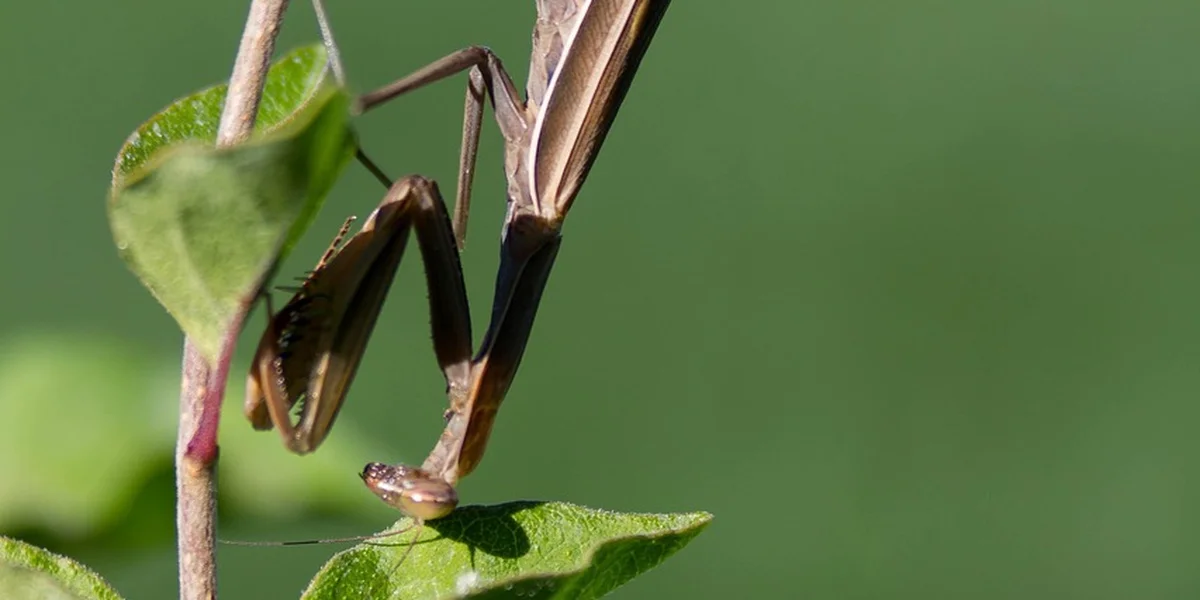
Just as an artist mixes paints to create a masterpiece, your mantis draws pigments from its meals to paint its own vibrant hues. Carotenoids from prey like fruit flies or crickets can infuse greens and yellows, while astaxanthin from shrimp or other crustaceans might deepen reds and oranges in species like the Orchid Mantis. These pigments accumulate in the cuticle during molts, slowly building the rich palette you admire. We’ve noticed with Sprig, our juvenile Orchid Mantis, that a diet rich in gut-loaded insects brings out those soft pink marblings under warm light. To learn more about the variety of colors in these unique insects, check out our guide to rare mantis colors and unique varieties.
Different prey items offer unique color-boosting benefits. Fruit flies packed with beta-carotene can enhance golden tones, whilst waxworms might add a subtle sheen. Variety isn’t just for nutrition-it’s your secret tool for unlocking a fuller spectrum of natural beauty in your pet. Think of each feeding as adding another layer to a living canvas, with every molt revealing more depth and intensity.
- Carotenoids: Found in brightly colored insects; promote yellow, orange, and red shades.
- Flavonoids: Present in some plant-based prey; can influence green and brown undertones.
- Melanin: Naturally produced but diet can affect its distribution for darker patterns.
Feeding for Optimal Color
To nurture those stunning colors, focus on a balanced, varied diet from the start. Offer a mix of live prey like Drosophila flies, small crickets, and occasional treats like moth larvae. Gut-load your feeder insects with fresh veggies or commercial diets 24 hours before feeding to pass on extra pigments. This simple step ensures your mantis gets the building blocks it needs for vivid displays.
Timing matters too-feed juveniles more frequently to support rapid color development during growth phases. Watch for subtle shifts after each molt; you might see Moss, our Giant Asian Mantis, flash brighter emerald after a week of diverse meals. Avoid overfeeding, as excess can dull colors, but a steady routine keeps the hues crisp and lively.
- Select nutrient-rich prey: Choose insects with natural pigments, like fruit flies or aphids.
- Gut-load consistently: Feed prey high-quality foods before offering them to your mantis.
- Monitor intake: Adjust portions based on your mantis’s age and activity level.
- Observe changes: Note color enhancements after molts to refine the diet.
Environmental Factors That Influence Color Expression
Lighting and Its Effects
Light doesn’t just help your mantis see-it sculpts its colors through daily rhythms. Natural sunlight or full-spectrum bulbs can intensify greens and browns, mimicking the dappled shade of their native habitats. Proper lighting encourages natural behaviors and can prevent colors from fading over time. We’ve seen Luna, our Ghost Mantis, perch for hours in soft morning light, her misty brown frills seeming to absorb the glow.
Too much direct light, though, might stress your mantis and wash out delicate shades. Aim for a gentle cycle of 12 hours light and 12 hours dark to support healthy color retention without overwhelming the senses. It’s like giving your mantis a cozy nook where it can show off its best self, day after day.
- Full-spectrum bulbs: Enhance color vibrancy and support natural molting cycles.
- Indirect natural light: Provides UV benefits without the risk of overheating.
- Consistent photoperiod: Maintains circadian rhythms for stable color expression.
Temperature and Humidity Roles
Warmth and moisture work together like a gentle hand guiding your mantis through each molt, when new colors emerge. Slightly higher temperatures, around 75-80°F, can speed up metabolism and pigment deposition, leading to richer hues. Humidity levels around 60-70% help keep the skin supple during shedding, allowing colors to set smoothly. A drop in humidity might leave the exoskeleton brittle and dull, so mist the enclosure lightly each morning — especially if you’re adjusting the humidity for your mantis.
During cooler periods, some mantises darken to absorb more heat-a clever adaptation you might notice in species like the Dead Leaf Mantis. By mimicking seasonal shifts with gradual temperature changes, you can encourage those natural color variations that make each mantis unique. It’s a quiet dance of elements, where every degree and droplet plays a part in the final display.
- Maintain stable temperatures: Use a thermostat to avoid sudden swings that stress the mantis.
- Monitor humidity with a hygrometer: Adjust misting frequency to match your species’ needs.
- Provide gradients: Let your mantis choose warmer or cooler spots to self-regulate color responses.
- Observe molting cues: Increase humidity slightly before a molt to support vibrant new colors.
Common Color Morphs and Mutations in Pet Mantises
Albino and Melanistic Variants
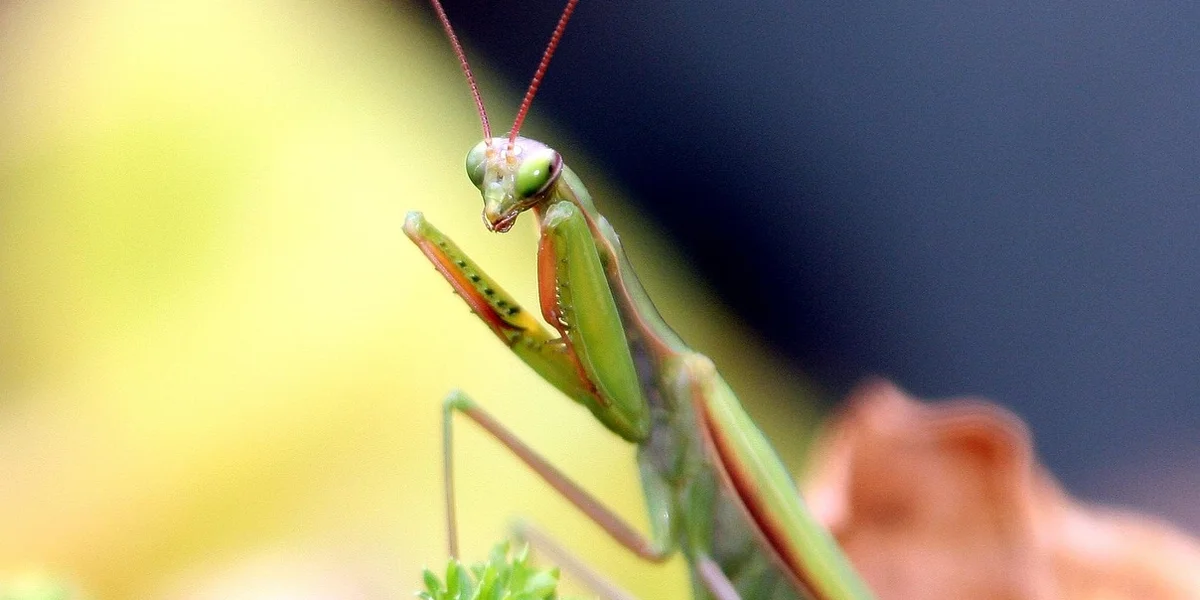
Albino mantises are a rare sight, often displaying a pale, almost translucent appearance due to a lack of melanin pigment. True albinism is uncommon in mantises, with many cases being leucistic forms that retain some color in the eyes. We once cared for a Ghost Mantis that leaned toward a milky white shade, a gentle reminder of nature’s subtle quirks.
Melanistic variants, on the other hand, boast darker hues from excess melanin, which can help them blend into shadowy environments. These darker morphs often emerge in response to genetic traits that enhance survival in dense, dim habitats. You might notice your mantis’s color deepening after molts, a sign of underlying genetic expression at work.
- Albino traits: Reduced pigment, rare in captivity, may affect vision
- Melanistic traits: Enhanced dark coloring, common in species like the Giant Asian Mantis
- Care tips: Provide stable humidity and avoid stress to support color development
Recognizing Color Morphs in Popular Species
In popular pet species, color morphs can vary widely based on genetics and environment. Ghost Mantises often shift between misty brown and leafy green, influenced by humidity levels in their enclosure. Our own Luna, a Ghost Mantis, tilts her head in a thoughtful way that highlights her frilled, earth-toned camouflage.
Orchid Mantises exhibit soft pinks and whites that mimic flower petals, with genetics dictating the intensity of these shades. Juvenile Orchid Mantises like Sprig may show brighter marbling after each molt, a genetic trait that aids in ambush hunting. Observing these changes helps you appreciate the delicate balance between inherited traits and external factors.
- Ghost Mantis (Phyllocrania paradoxa): Brown to green morphs, often leaflike
- Orchid Mantis (Hymenopus coronatus): Pink and white variations, petal-like appearance
- Giant Asian Mantis (Hierodula membranacea): Emerald green to brown, with banding patterns
Color, Camouflage, and Survival Links
Genetic Basis of Camouflage
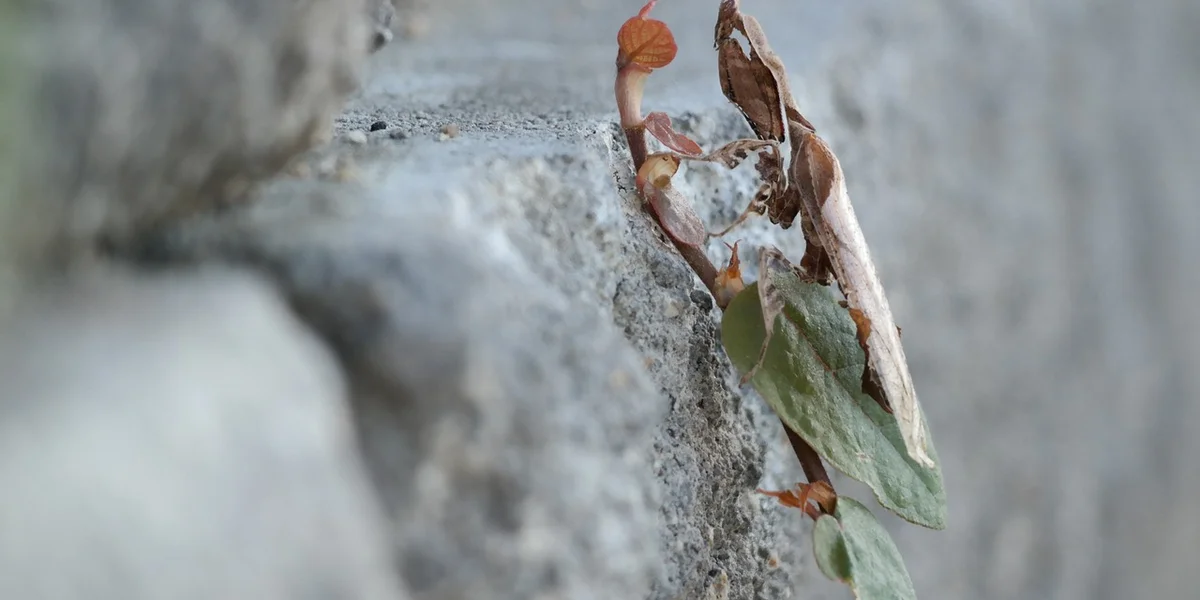
Genes control how pigments like carotenoids and melanin are produced and distributed in a mantis’s exoskeleton. This genetic coding allows mantises to blend seamlessly into their surroundings, much like a living leaf or twig. We’ve watched Moss, our Giant Asian Mantis, perch motionless for hours, his emerald body a testament to evolutionary design.
Camouflage isn’t just about hiding; it’s a survival strategy passed down through generations. Mantises with better color matching tend to avoid predators and catch prey more effectively in the wild. The humid, earthy scent of a well-misted habitat can sometimes trigger color shifts, showing how environment and genetics interact. There’s a surprising truth about praying mantises changing color: some species can shift their hue to better match their surroundings. This dynamic camouflage demonstrates how environment and genetics work together.
- Key genes: Those regulating pigment synthesis and distribution
- Environmental triggers: Humidity, light, and diet can influence gene expression
- Selective breeding: In captivity, breeders may enhance certain colors for aesthetic appeal
Practical Care Tips to Enhance Natural Colors
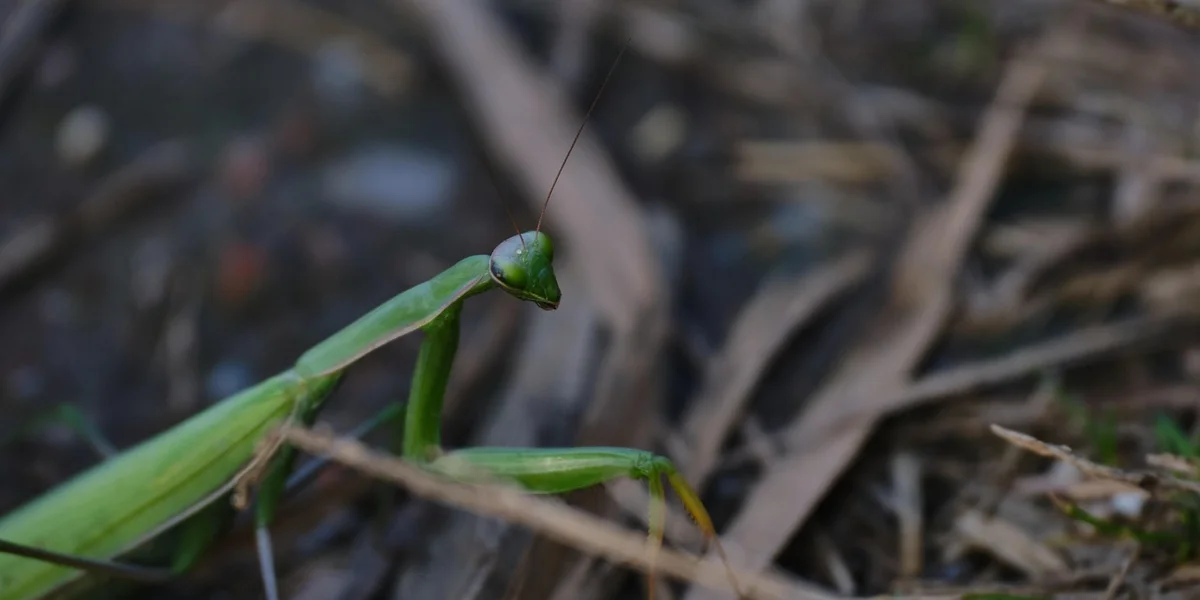
While genetics set the stage for your mantis’s hues, daily care can make those colors sing with vitality. We often see the most stunning shades emerge when diet and habitat work in harmony with a mantis’s innate traits. Think of it as nurturing a living jewel-each small adjustment helps its natural brilliance shine through.
Optimizing Diet and Environment
Feeding your mantis well goes beyond mere survival-it fuels the pigments that define its appearance. A balanced diet rich in varied prey supports robust health and can intensify colors over time. For instance, my Ghost Mantis Luna developed richer brown tones after I introduced gut-loaded crickets and occasional fruit flies into her meals. For a detailed guide on what to feed your mantis and how to ensure they’re getting the right nutrients, check out this complete diet and feeding guide.
- Offer diverse feeders like flies, moths, or small crickets to provide a range of nutrients.
- Gut-load insects with fresh veggies or commercial diets to boost vitamin content.
- Avoid overfeeding; a plump abdomen can sometimes mute subtle color patterns.
Environment plays a quiet yet powerful role in color expression. Maintaining steady humidity and warmth encourages smooth molts, where new colors often appear brightest. I recall how Moss’s emerald green deepened when I kept his enclosure misty and warm, mimicking a dewy morning in the tropics.
- Keep humidity between 50-70% using a gentle misting routine-just enough to bead on leaves.
- Provide a temperature gradient from 22-28°C to let your mantis find its comfort zone.
- Use full-spectrum or natural indirect light to highlight iridescent or metallic sheens.
Monitoring and Adjusting Care
Watch your mantis closely after each molt-that’s when color changes are most apparent. Noticing shifts in hue or saturation can signal whether your care routine needs tweaking. With Sprig, I learned that paler pinks meant the humidity had dipped too low, prompting me to mist more frequently.
- Observe your mantis daily for clues like faded colors or dull exoskeletons.
- Check that feeders are active and readily eaten to ensure nutritional intake.
- Note any stress behaviors, such as excessive hiding, which might affect coloration.
Adjustments should be gradual to avoid shocking your delicate companion. Small changes, like swapping one feeder type or slightly raising humidity, often yield the best results. If colors stay muted despite good care, it might simply be genetics-and that’s part of their unique charm.
- Increase misting if the exoskeleton looks dry or lacks luster.
- Rotate feeder insects monthly to prevent nutrient deficiencies.
- Add live plants to the enclosure for natural humidity and visual enrichment.
Common Mantis Queries
Is mantis coloration inherited as an autosomal trait or a sex linked trait?
Mantis coloration is generally inherited as an autosomal trait, with genes located on non-sex chromosomes that affect both males and females equally. In some species, sex-linked inheritance can cause color differences between sexes, but this is less common and varies by genetic background.
How do pigment-based and structural coloration contribute to mantis color genetics?
Pigment-based coloration involves genes that produce melanin or carotenoids for specific hues like browns or reds, while structural coloration relies on genes that shape the exoskeleton to reflect light for iridescent effects. Both mechanisms interact genetically to create the full spectrum of mantis colors, from earthy tones to shimmering shades.
What is the role of dominance and codominance in mantis coloration?
Dominance often dictates which color trait appears, such as green overriding brown in heterozygous individuals, based on single gene interactions. Codominance can result in blended expressions, like mottled patterns, when both alleles contribute equally without one masking the other in the phenotype.
Caring for Your Colourful Companion
Your mantis’s base colour palette is written in its genes, a beautiful inheritance you cannot change. Yet, you can support the full, vibrant expression of that potential by providing a nutritious, varied diet and a habitat with appropriate humidity and temperature. Some species display rare color morphs that occur naturally, or are pursued by breeders. With careful care, these uncommon tones can become more noticeable as your mantis molts and grows.
Being a good mantis keeper means observing your unique pet with curiosity and providing the thoughtful care that lets its natural beauty shine. We encourage you to keep learning, share your observations with fellow enthusiasts, and enjoy the quiet wonder of life with your extraordinary insect friend.
Further Reading & Sources
- Coloration in a Praying Mantis: Color Change, Sexual Color Dimorphism, and Possible Camouflage Strategies – PMC
- Crypsis by background matching and disruptive coloration as drivers of substrate occupation in sympatric Amazonian bark praying mantises | Scientific Reports
- Evolutionary genomics of camouflage innovation in the orchid mantis | Nature Communications
- Coloration in a Praying Mantis: Color Change, Sexual Color Dimorphism, and Possible Camouflage Strategies – PubMed
Rowan Hale is a lifelong insect enthusiast who fell in love with mantises for their calm presence, alien elegance, and surprising personalities. After years of keeping and raising a variety of species, Rowan shares practical tips, creative insights, and real-world experience to help others enjoy the quiet magic of mantis care. From setting up the perfect enclosure to understanding their subtle behaviors, Rowan invites readers into a gentle, curious world where every tiny movement feels like a discovery.
Breeding Practices