
Hello there, fellow mantis friend. Have you ever spotted a praying mantis in your garden and marvelled at its perfect leafy-green disguise? That’s just the beginning. Beyond the common green and brown, the mantis world holds a secret gallery of colours so rare and forms so peculiar they seem plucked from a dream.
The world of praying mantises is a living kaleidoscope, home to an astonishing array of rare colours and unique varieties that have evolved for everything from stealthy camouflage to dazzling courtship.
Exploring this topic is a delight, but it does have its layers. We’ll be looking at species from across the globe, each with its own special care needs and behaviours. To help you navigate, here are the key ideas we’ll cover:
- The stunning variety of species, from flower mimics to dead leaf imitators.
- How and why these incredible colours and shapes have developed.
- What you need to know about caring for some of these unique mantises.
- A look at some of the most sought-after and rare specimens in the hobby.
Exploring the Spectrum of Mantis Color Varieties
You might picture mantises in classic greens and browns, but their palette stretches far beyond-imagine soft pinks that blush like dawn, rare blues that hint at tropical seas, and pure whites that gleam like fresh snow. Each color tells a story of adaptation, helping these insects thrive in diverse habitats from lush forests to arid woodlands.
- Translucent morphs: Bodies appear semi-clear, letting light filter through like frosted glass.
- Striped variants: Bold lines run along their limbs, adding dynamic patterns for disguise.
- Jade morphs: A deep, vibrant green that shimmers under enclosure lights.
- Mottled types: Speckled blends of grey and tan that mimic lichen or stone.
- Albino-like whites: Pale hues that stand out, often seen in captive-bred lines.
Rare colors like blue or pink pop up less often in the wild because they rely on specific genetic twists that don’t always offer a survival edge. In captivity, dedicated breeders selectively nurture these traits, making them more accessible but still treasured for their uniqueness.
Mantis Species with Remarkable Color Patterns
Certain mantis species dazzle with their artistry, using colors not just for beauty but for survival-think of the Orchid Mantis luring prey with floral deception or the Dead Leaf Mantis vanishing into forest debris. Their hues are masterpieces of evolution, crafted to blend, attract, or startle in their natural homes.
| Species | Typical Colors | Camouflage Adaptations |
|---|---|---|
| Orchid Mantis | Pink, white, soft yellow | Mimics orchid petals to ambush pollinators |
| Dead Leaf Mantis | Brown, tan, mottled grey | Resembles crumpled foliage to evade predators |
| Flower Mantis | Bright greens, reds, or whites | Blends into blossoms for stealthy hunting |
| Ghost Mantis | Pale brown, leafy frills | Disguises as dried leaves or bark textures |
My Ghost Mantis, Luna, would tilt her head and sway gently in the breeze, her misty brown frills making her invisible among twigs-a behavior that shows how color and movement unite for perfect camouflage. Observing these subtle rituals reminds us that each mantis uses its palette like a silent language, speaking through stillness and surprise.
Orchid and Flower Mantis Varieties
Orchid mantises wear soft pinks and creamy whites, their bodies sculpted into petal-like shapes that trick bees and butterflies into landing close. These delicate appearances hide a fierce hunter, one that relies on floral mimicry to thrive in humid, flower-rich environments.
Caring for these beauties means keeping humidity high with daily misting and offering plenty of climbing branches. My own Sprig, an Orchid Mantis, flourished when I mimicked her native tropics with warm, moist air and gentle handling to prevent stress-fading of her vibrant hues.
Bark and Leaf Mimic Mantises
Bark and leaf mimics sport browns, stripes, and mottled patterns that mirror tree bark, fallen leaves, or dappled shadows. Their colors act as natural cloaks, letting them ambush prey or hide from birds with effortless grace.
These varieties often thrive in drier setups with bark-covered hides and twiggy perches. Watching my Giant Asian Mantis, Moss, blend into a branch taught me how their striped bodies break up outlines, making them nearly invisible until they strike.
How Color Supports Mantis Camouflage and Survival
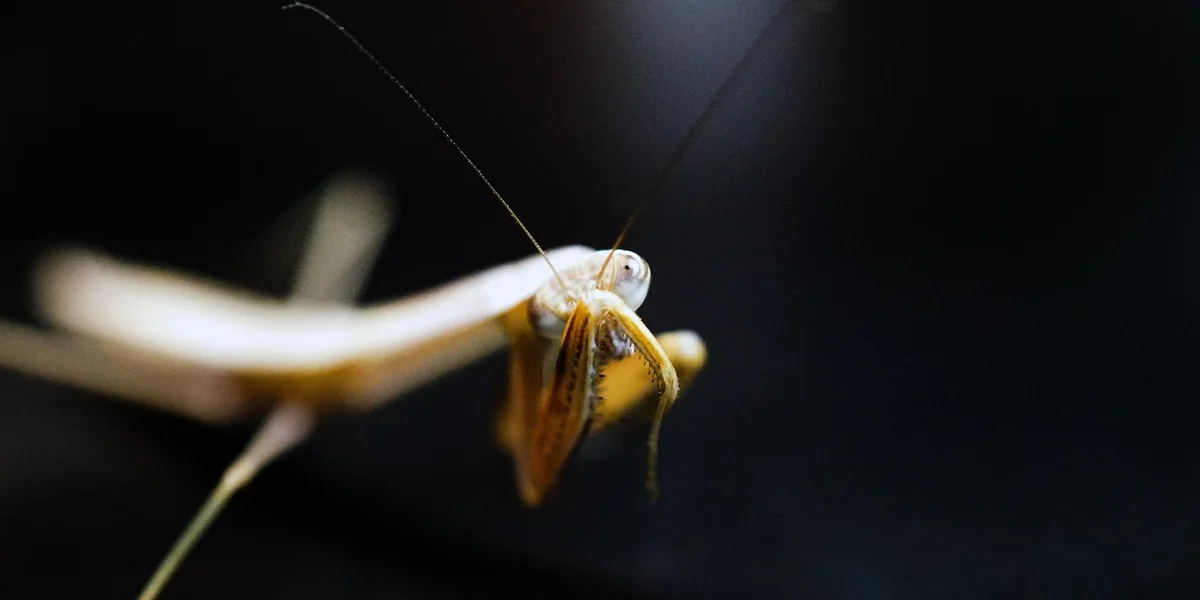
Praying mantises rely on their colours to blend seamlessly into their surroundings, making them masters of disguise in the wild. Their ability to match foliage, bark, or flowers helps them ambush prey undetected while evading sharp-eyed predators like birds. This natural camouflage is a vital survival tool, allowing them to remain motionless and invisible until the perfect moment to strike.
We often see this in species like the Ghost Mantis, whose brown, leaflike frills mimic dried vegetation in tropical forests. Our own Luna, a Ghost Mantis, perches so still amongst the twigs that she becomes part of the scenery, her muted tones hiding her from curious eyes. Similarly, the Orchid Mantis displays soft pinks and whites that mirror orchid blossoms, luring in unsuspecting insects.
Examples of Chromatic Adaptation
- Ghost Mantis: Blends with dead leaves and bark in humid, shaded areas.
- Orchid Mantis: Mimics flower petals in bright, floral environments.
- Giant Asian Mantis: Sports vibrant greens to hide in lush, leafy foliage.
Steps to Observe Camouflage in Your Enclosure
- Choose a naturalistic setup with substrates like soil, moss, or dried leaves that match your mantis’s colouration.
- Add branches or artificial plants to create hiding spots and perches.
- Watch during feeding times to see how your mantis uses its colours to stay concealed before attacking prey.
- Note any shifts in positioning-many mantises will adjust their posture to better blend with their background.
Color Changes Through Molting and Aging
As mantises grow, their colours can transform dramatically with each molt, shifting from nymph to adult hues. This process allows them to adapt their appearance to changing environments and life stages, ensuring continued camouflage and health. Over evolutionary time, this metamorphosis has helped mantises partition life stages and ecological niches. Studying these developmental shifts reveals how metamorphosis evolved to optimize camouflage and feeding strategies. For instance, a dull brown nymph might emerge from a molt with striking green or pink markings, reflecting its maturation.
Factors like diet and overall well-being play a big role in these colour developments. A varied diet rich in nutrients from prey like fruit flies or crickets can enhance vibrancy, while stress or illness may lead to duller tones. We’ve noticed this with Moss, our Giant Asian Mantis, whose emerald shades deepened after we introduced gut-loaded insects into his meals.
Factors Influencing Color Changes
- Diet: Foods high in carotenoids or other pigments can intensify colours.
- Health: Proper humidity, temperature, and minimal stress support bright, consistent hues.
- Genetics: Inherited traits determine the potential range of colour variations.
- Environment: Background colours in the enclosure might subtly influence shade development over time.
Step-by-Step Guide to Monitoring Color Development
- After each molt, gently observe your mantis under soft lighting to avoid stress.
- Compare new colours to previous stages, noting any shifts in pattern or intensity.
- Maintain a simple journal or photo log to track changes over weeks and months.
- Ensure optimal care-regular misting, balanced feeding, and a calm habitat-to support healthy colour transitions.
- Consult with experienced keepers if colours appear faded or inconsistent, as it could signal health issues.
Genetics and Heritability of Mantis Color Morphs
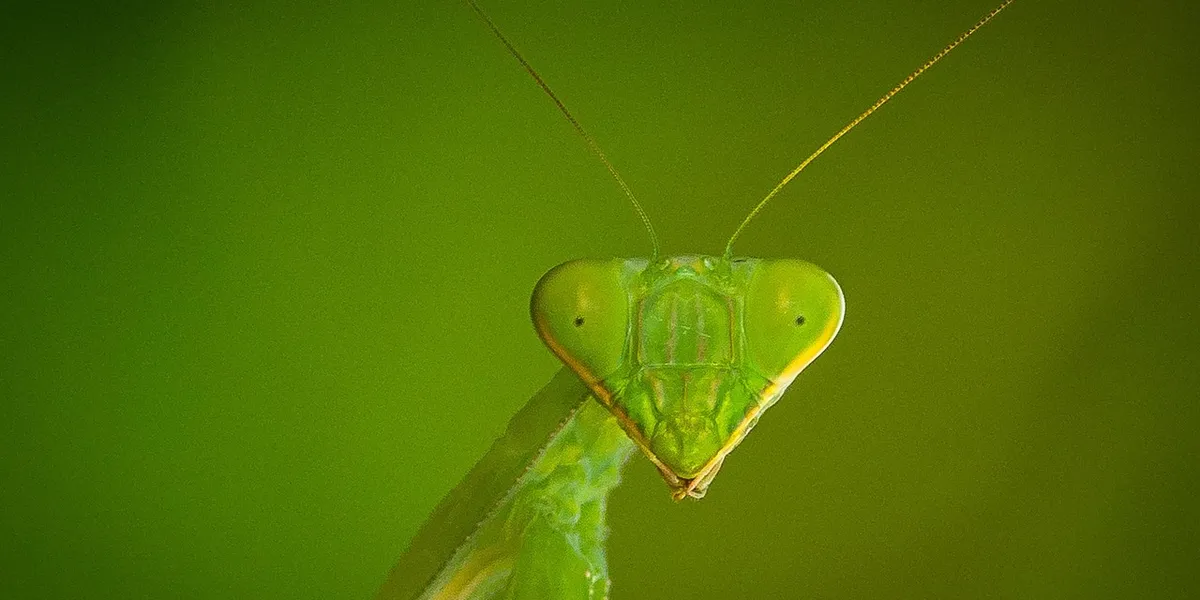
Many new keepers wonder if a mantis’s stunning color will pass to its offspring. While some rare hues are heritable, the outcome depends heavily on the species and the specific genetic lines involved. Breeding can certainly influence varieties, but it’s not as simple as mixing paint.
We’ve seen that selective pairing can enhance certain traits over several generations. Breeding two individuals with a desired color increases the odds, but recessive genes can create surprising results. It requires patience and careful record-keeping.
Simple List of Genetic Color Traits
- Ghost Mantis: Leaf-brown and gray mottling is standard; rare solid white or pale yellow forms are recessive traits.
- Giant Asian Mantis: Vibrant green is common; rarer brown and even amber morphs are often heritable.
- Orchid Mantis: The classic pink-and-white is dominant; pure white forms are a recessive genetic surprise.
- Indian Flower Mantis: Displays a mix of cream, yellow, and pink; high-color individuals can pass on intensified patterns.
- African Mantis: Green is typical; the coveted blue hue is a rare, often non-heritable anomaly linked to structural coloration.
Ethical Considerations in Color Breeding
Focusing solely on aesthetics can sometimes lead to unforeseen health issues. Ethical breeding means prioritizing the overall health and vitality of the mantis above its color. We must avoid inbreeding, which can weaken the line. Line breeding and other selective methods should follow an ethical guide that prioritizes welfare and genetic diversity. This keeps trait goals aligned with the mantis’ long-term health.
It’s also vital to have homes ready for the entire clutch. Responsible breeders ensure every nymph has a planned destination, preventing overpopulation and neglect. The goal is to enrich the hobby, not just produce a rare specimen.
Environmental Influences on Mantis Coloration
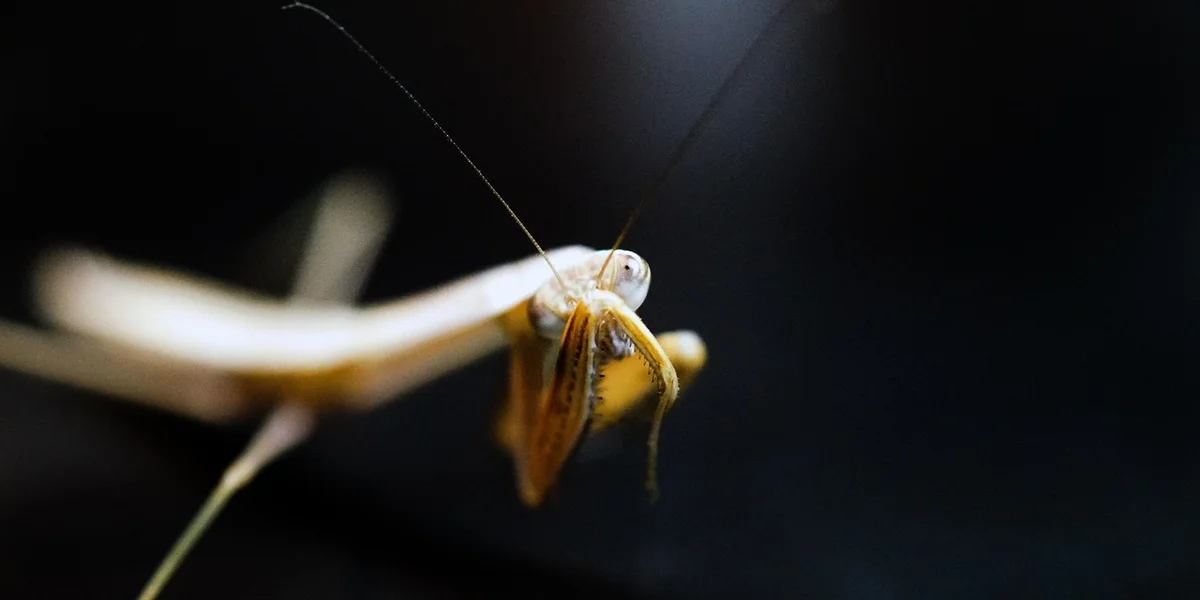
A mantis’s surroundings play a dramatic role in the final shade it wears. Humidity, temperature, and light levels all act like invisible paintbrushes on your mantis’s exoskeleton. These factors can either mute or magnify their natural beauty.
Think of the enclosure as a living canvas. The right conditions help a mantis express its full genetic potential for color. A stressed mantis in a poor environment will often appear duller.
Tips to Optimize Enclosure Conditions
- Provide a thermal gradient: Offer a warm spot for basking and a cooler area, as temperature shifts can influence pigment development.
- Maintain species-specific humidity: Use a mister to keep levels ideal; proper hydration supports vibrant, healthy skin.
- Ensure full-spectrum lighting: Naturalistic light helps mantises perceive their environment and can affect color intensity after molting.
- Add colorful foliage: Live plants like pothos or bromeliads provide visual stimulation and surfaces that may encourage color blending.
- Allow for proper molting space: A tall enclosure with ample climbing space is non-negotiable for a successful, color-perfect shed.
Personal Observations on Environmental Color Change
Our Ghost Mantis, Luna, taught us a powerful lesson about environment. She molted into a pale, almost translucent gray during a period of lower humidity and consistent, cool temperatures. It was a stark contrast to her usual misty brown.
Conversely, our Giant Asian male, Moss, became a deeper, richer emerald after we introduced a small heat lamp. That extra warmth seemed to saturate his green pigments, making him glow against his enclosure’s plants. It’s a gentle reminder that we are curators of their miniature worlds.
Caring for Your Rare Color Mantis Pet
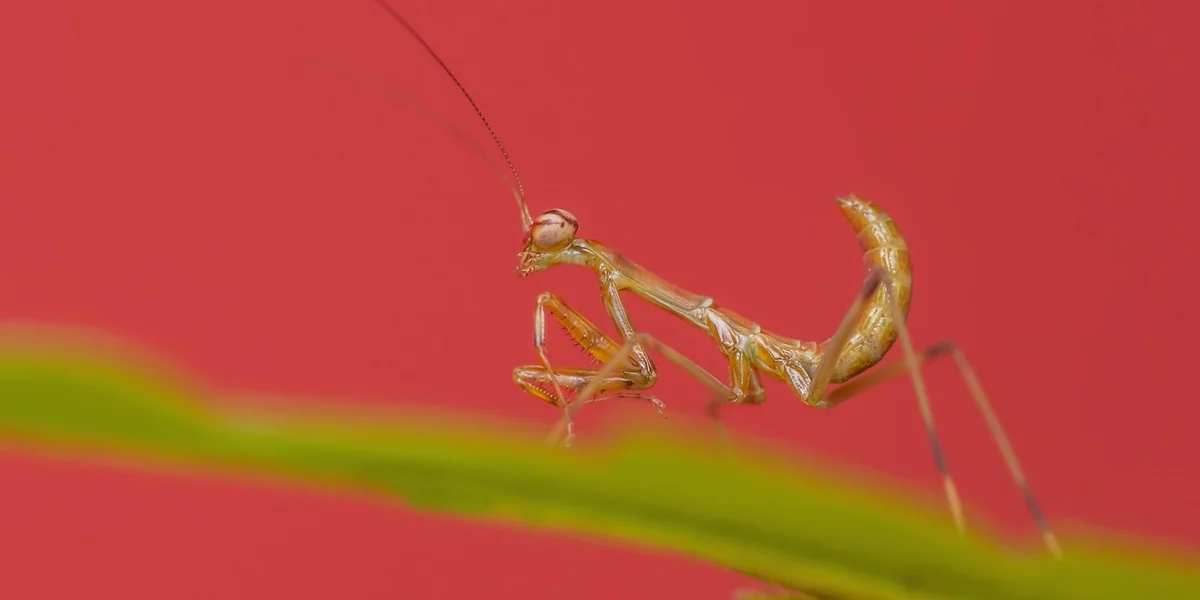
We find that caring for a rare color mantis involves a few thoughtful steps to keep them healthy and their hues vibrant. These uncommon color morphs often have specialized care needs tied to their environment and genetics. Start by setting up a proper enclosure, then focus on a balanced diet and gentle handling to support their unique needs.
Step-by-step care for rare varieties:
- Choose an enclosure that is tall and well-ventilated, with mesh sides for climbing and molting.
- Add safe plants and perches that mimic their natural habitat, reducing stress and encouraging natural color displays.
- Feed a varied diet of live insects, gut-loaded with nutritious foods to enhance color development.
- Handle your mantis sparingly and with clean, soft hands to avoid injuring their delicate bodies.
- Monitor humidity and temperature daily, as fluctuations can affect color intensity and overall health.
Special needs for unique colorations include providing backgrounds that match their camouflage-this helps them feel secure. For instance, our Ghost Mantis Luna blends perfectly with dried leaves, which keeps her calm and her misty brown tones sharp.
Checklist for maintaining health and color vibrancy:
- Clean the enclosure weekly to prevent mold and bacteria.
- Offer fresh water through light misting, avoiding direct sprays on the mantis.
- Use full-spectrum lighting for a few hours daily to support natural behaviors.
- Check for signs of stress, like color fading or reduced appetite, and adjust care as needed.
- Rotate food types to ensure a rich nutrient intake for lasting color brilliance.
Enclosure and Habitat Tips
Creating a safe and stimulating home for your rare mantis helps them thrive and show off their colors. For your praying mantis, create a naturalistic, safe habitat that mirrors their natural environment. This kind of setup supports authentic behaviors and reduces stress. A well-designed habitat reduces stress and encourages natural postures, like perching quietly or stalking prey.
Use tall enclosures with multiple branches and silk plants for climbing and hiding. This setup mimics the gentle rustle of leaves in the wild, making your mantis feel at home.
For mantises with unique colors, select plants and backgrounds that complement their hues. Green varieties like Moss, our Giant Asian Mantis, look stunning against live pothos or fern leaves. Brown or pink mantises, such as Sprig the Orchid Mantis, stand out beautifully on light bark or faux flower setups.
Feeding and Health Considerations
Nutrition plays a big role in color development and overall wellness for rare mantises. A diet rich in vitamins and minerals can deepen colors and boost energy levels.
Feed your mantis a mix of small insects like fruit flies, crickets, and moths. Gut-load these feeders with carrots or leafy greens to pass on nutrients that enhance vibrancy.
Recommended feeding schedule for vibrant mantises:
- Juveniles: Offer food every day or two, depending on appetite.
- Adults: Feed every three to four days, adjusting based on activity and molting cycles.
- Always remove uneaten prey to keep the enclosure clean and stress-free.
Watch for health issues like lethargy or color loss, which might signal dietary gaps. With regular care, your mantis will maintain its striking appearance and lively spirit.
Questions from Fellow Mantis Friends
What colors are most common in mantises?
Green and brown are the most common colors in mantises, as they offer excellent camouflage in typical habitats like gardens and forests. These hues help them blend into leaves, branches, and soil to avoid predators and ambush prey effectively. Researchers also study how diet and genetics influence praying mantis coloration, affecting camouflage and ecological roles. Genetic variation and dietary pigments can shift the intensity of green or brown tones, altering how well a mantis blends into its environment.
Can mantises molt into different colors?
Yes, mantises can molt into different colors as they progress through growth stages, often shifting from nymph to adult shades. This change is influenced by genetics, diet, and environmental conditions, allowing for adaptations in their appearance. There’s a surprising truth behind these shifts: they can signal health or ecological context to other mantises, not just camouflage. This makes mantises’ coloration a dynamic tool for survival.
Are mantis color varieties heritable?
Yes, many mantis color varieties are heritable and can be selectively bred to enhance specific traits in offspring. However, outcomes depend on genetic dominance and species-specific factors, so not all color morphs are guaranteed to pass on.
Your Journey with Rare Mantis Varieties
In our experience, selecting mantis species that suit your skill level and providing tailored habitats are the best ways to support their rare colors and health. Understanding essential habitat requirements helps maintain a healthy praying mantis. When you tailor enclosure conditions—space, humidity, and prey—your mantis is more likely to thrive. By observing their behaviors and adjusting care routines, you can help these unique pets thrive in your home.
We encourage all keepers to embrace a mindset of gentle stewardship, always putting their mantis’s well-being first through informed decisions. Staying curious and connected to fellow enthusiasts ensures your care knowledge grows alongside your pet’s needs.
Further Reading & Sources
- 9 Types of Praying Mantis
- Mantids (Mantises) | Missouri Department of Conservation
- Praying Mantis – USMANTIS
- What color is your praying mantis?
Rowan Hale is a lifelong insect enthusiast who fell in love with mantises for their calm presence, alien elegance, and surprising personalities. After years of keeping and raising a variety of species, Rowan shares practical tips, creative insights, and real-world experience to help others enjoy the quiet magic of mantis care. From setting up the perfect enclosure to understanding their subtle behaviors, Rowan invites readers into a gentle, curious world where every tiny movement feels like a discovery.
Rare Species