
How to Care for Rare and Uncommon Praying Mantis Color Morphs
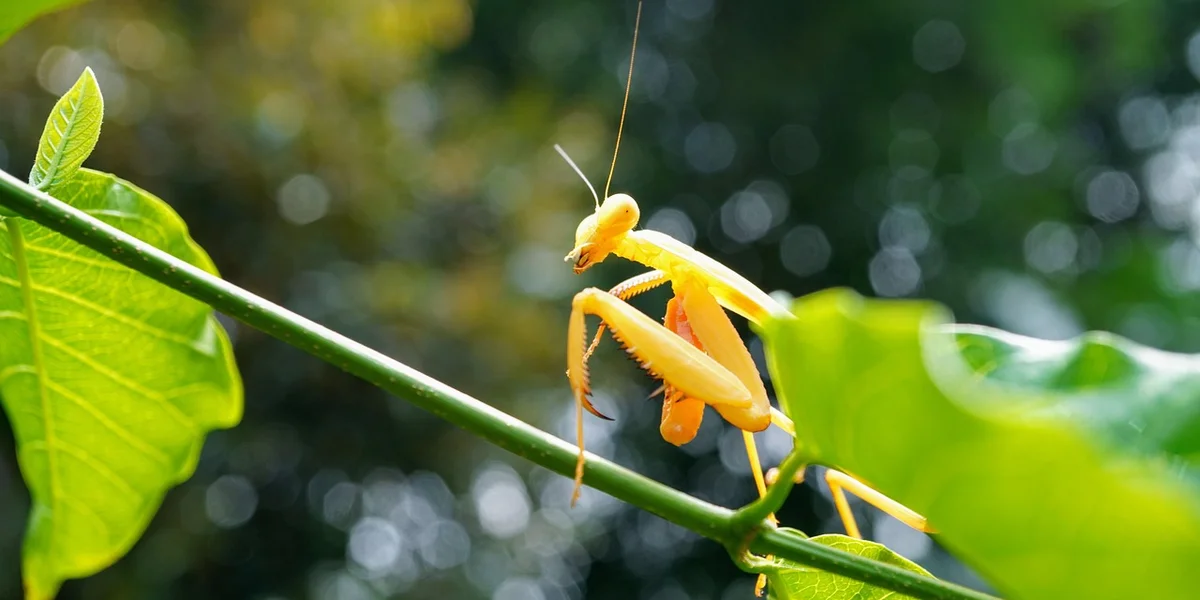
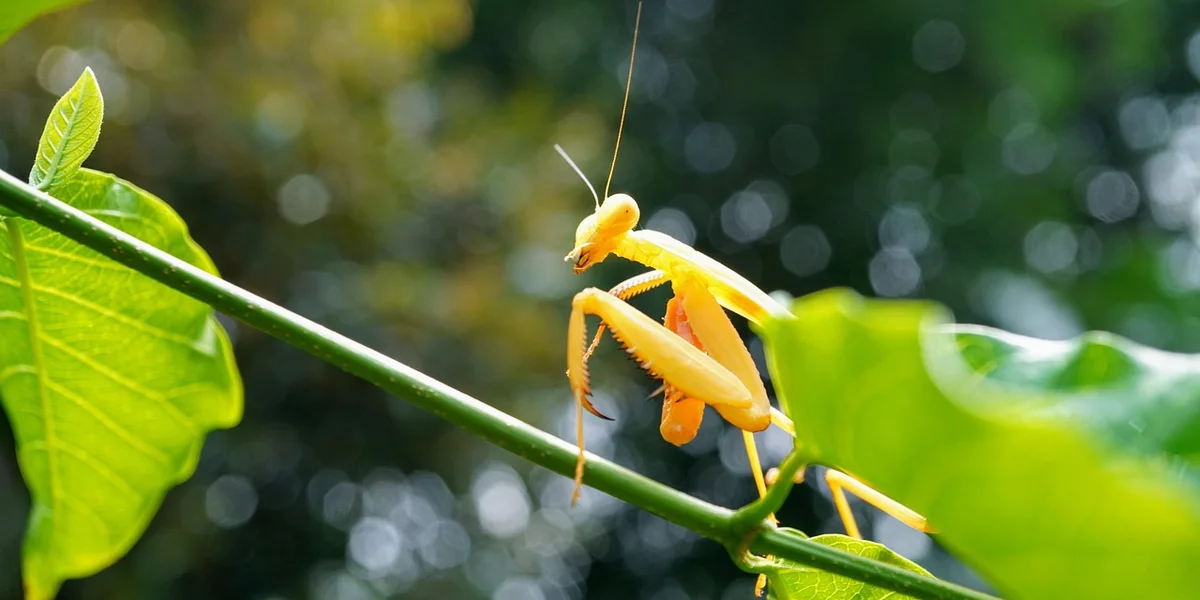
Hello, mantis friend! Have you ever spotted a praying mantis with such a mesmerising colour palette-perhaps a ghostly white or a fiery orange-that it stopped you in your tracks? These rare and uncommon colour morphs are nature’s living jewels, each one a tiny, delicate masterpiece.
Caring for rare praying mantis colour morphs means creating a stable, species-specific environment that supports their unique health and vibrant appearance, from tailored humidity levels to gentle feeding routines.
But raising these special mantises isn’t always straightforward; their unusual colours can sometimes come with hidden sensitivities or specific needs that differ from common varieties.
We’ll walk you through the key steps to help your rare mantis thrive:
- Setting up a habitat that mimics their natural conditions
- Choosing the right diet to maintain their colour and vitality
- Monitoring for health issues linked to certain morphs
- Handling them with extra care to avoid stress
Understanding Rare Mantis Color Morphs
Color morphs are naturally occurring genetic variations that create unique hues and patterns in praying mantises, much like how different paint colors mix on an artist’s palette. This guide explores rare praying mantis colors and their unique varieties. Learn to spot these distinctive hues and patterns in the field. These special appearances are inherited through specific gene combinations passed down from parent mantises. Some genes are dominant and appear frequently, while recessive genes remain hidden for generations before suddenly revealing stunning rare colors.
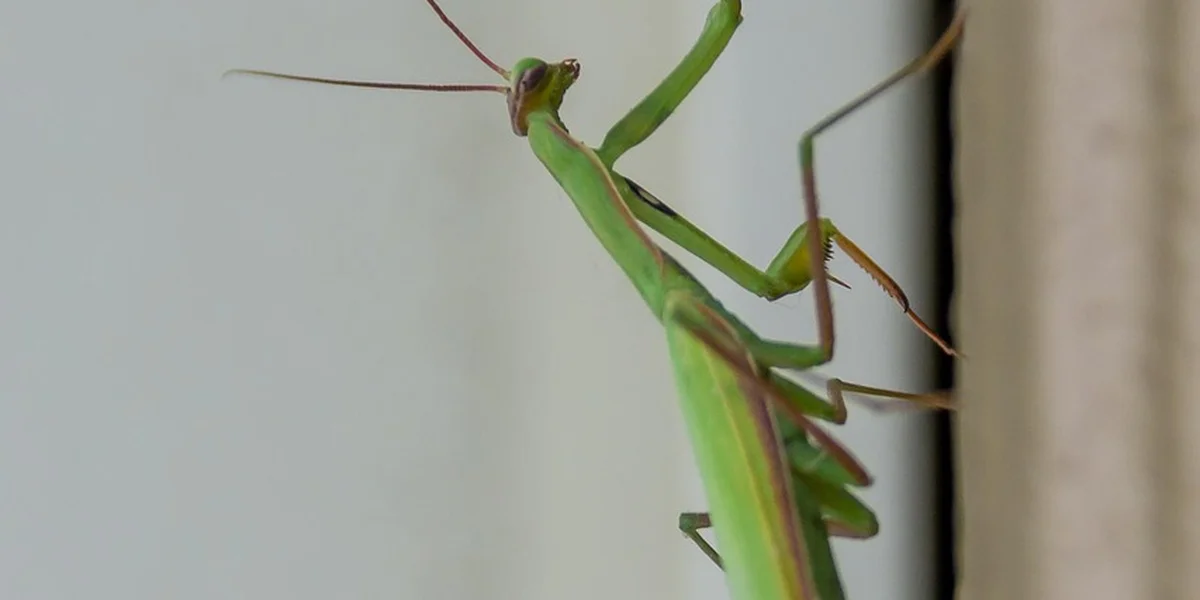
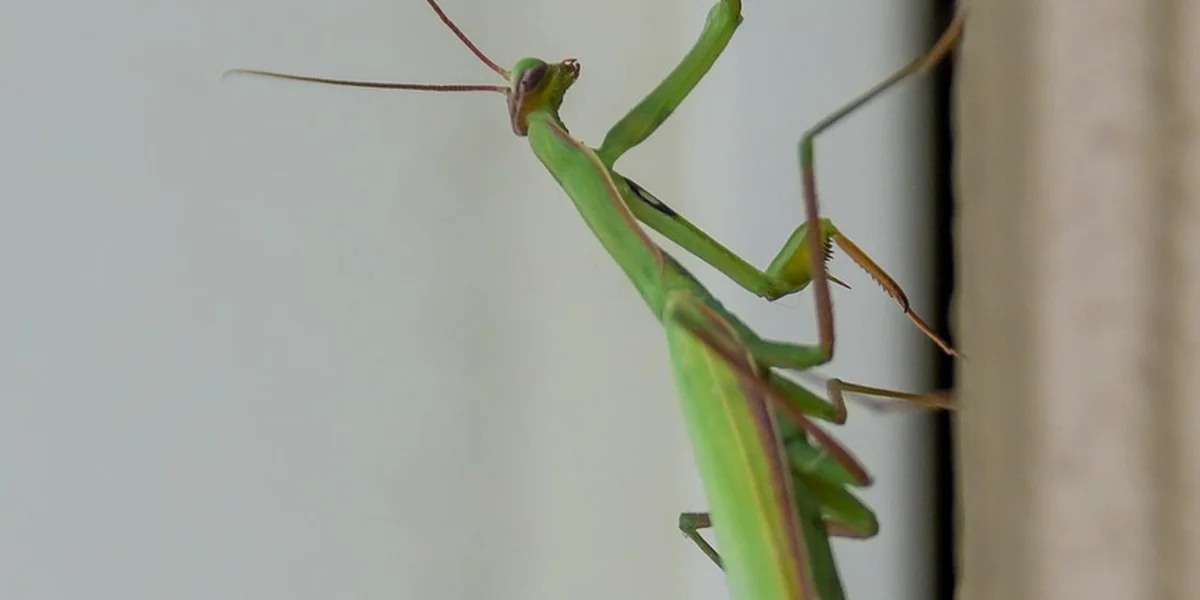
You’ll encounter several fascinating types of exotic color variations in the mantis world. Common exotic variations include albino-like pale forms, high-contrast banded patterns, solid metallic shades, and marbled mixtures of multiple colors. Ghost mantises might display unusually dark charcoal or misty silver tones, while orchid mantises can show deep magenta or creamy white petal-like structures. Giant Asian mantises sometimes appear in vivid emerald or sunset orange instead of their typical green. The role of diet and genetics in praying mantis coloration means that what they eat and their genetic background can influence pigment production and hue during development. This interplay helps explain why mantises across species exhibit such diverse color patterns.
Rarity occurs when specific genetic combinations happen infrequently within populations. Environment plays a surprising role in color expression, with temperature during development sometimes intensifying or muting final coloration. Our Moss, a Giant Asian mantis, developed richer emerald tones when kept slightly cooler during his penultimate molt. Humidity levels, available light, and even stress can subtly influence how those genetic colors actually appear on your mantis’s exoskeleton.
Setting Up the Perfect Enclosure for Color Morphs
Choosing the Right Enclosure Size and Type
- Select an enclosure at least three times your mantis’s length in height and twice its length in width. This gives proper climbing space while preventing dangerous falls during molting.
- Choose mesh-sided containers for species needing excellent airflow, or glass terrariums for mantises requiring higher humidity. Mesh helps prevent condensation issues while glass maintains stable moisture levels.
Controlling Temperature and Humidity
- Use small space heaters in cooler rooms or heat mats on one side of the enclosure to create temperature gradients. Maintain species-specific temperatures between 72-85°F using digital thermometers for accuracy.
- Mist enclosures daily with warm water or use automated misting systems for consistent humidity. Proper humidity ensures successful molting and helps maintain the intensity of your mantis’s unique colors.
Lighting and Substrate Choices
- Provide indirect natural light or low-level UVB lighting for 10-12 hours daily. Most mantises don’t require intense UVB but benefit from consistent day/night cycles that reduce stress.
- Use coconut fiber, sphagnum moss, or sterile potting soil as safe substrate options. These materials hold moisture well while being digestible if accidentally ingested during feeding.
- Add live plants like pothos, bromeliads, or safe ferns that mimic natural habitats. Live plants help maintain humidity and provide hiding spots that make color morphs feel secure enough to display their full beauty.
Feeding and Hydration for Healthy Color Development
Selecting Prey Insects
- Offer gut-loaded fruit flies for tiny nymphs, progressing to pinhead crickets and flightless houseflies as your mantis grows. These prey items provide vital carotenoids and nutrients that support vibrant coloration.
- We avoid wild-caught insects entirely. They often carry pesticides, parasites, or predatory mites that can devastate a delicate rare morph. Stick to captive-bred feeders from reputable suppliers to ensure your mantis receives clean, nutritious meals.
Hydration and Water Mist Techniques
- Fill a clean spray bottle with dechlorinated or distilled water. Lightly mist the enclosure walls and any foliage early in the morning, allowing everything to dry completely before evening to prevent mold.
- Watch for subtle cues like sunken eyes, wrinkled wing buds, or a mantis repeatedly drinking droplets from leaves. These are early dehydration warnings, especially critical for uncommon morphs that may be more sensitive.
Molting and Growth in Rare Color Morphs
- Mantises shed their exoskeletons roughly every three to eight weeks as nymphs. You will notice they stop eating and hang motionless upside-down for a day or two before the molt occurs.
- Gently raise the humidity by misting more frequently in the days leading up to a molt. Ensure your mantis has a secure, vertical grip point like a twig or mesh top and do not disturb the enclosure during this fragile process.
- Each successful molt can subtly shift your mantis’s appearance. Our Ghost Mantis, Luna, deepened from a pale tan to a rich, mottled brown after her final molt, a beautiful transformation we watched unfold.
Monitoring Health and Common Issues
Identifying Illness and Injury
-
Watch for signs of failed molts, such as your mantis remaining stuck in its old skin or showing lethargy for more than a day. Recognizing the earliest signs of molting trouble helps you intervene sooner.
Gently mist the area with warm water to soften the exoskeleton and provide a soft surface for them to grip, but avoid pulling on any stuck parts to prevent injury.
-
Leg damage might appear as limping, dragging a limb, or a missing leg, often from falls or rough handling.
Keep the enclosure clean and free of sharp edges, and reduce handling to let natural healing occur, as mantises can regenerate limbs over several molts.
-
Isolate a sick mantis if you notice persistent weakness, refusal to eat, or signs of infection like discolored spots. This is a key step in the ultimate mantis health troubleshooting checklist for why my mantis is sick. Then review enclosure conditions, temperature, humidity, and diet to identify likely causes.
Move them to a quiet, separate enclosure with adjusted humidity and temperature to reduce stress and prevent spread to others.
-
Make basic husbandry adjustments, such as increasing misting frequency for hydration or ensuring proper perches to support recovery.
Small changes, like adding a shallow water dish or adjusting ventilation, can make a big difference in their comfort and healing pace.
Behavior and Predator Awareness
-
Normal behaviors include active hunting, gentle grooming, and curious head-tilting, while stress might show as constant hiding, frantic movements, or loss of appetite.
Minimize predator exposure by placing enclosures away from other pets, using secure lids, and avoiding sudden loud noises that can startle them.
-
Sexing your mantis helps in health monitoring; females are generally larger with broader abdomens, and they may need extra care during egg-laying periods. Proper care for a praying mantis from egg to adult is essential for their well-being.
Knowing the sex allows you to anticipate specific needs, like providing extra space for females or watching for mating-related stress in males.
Breeding for Rare Color Traits
-
Begin by slowly introducing potential mates in a neutral space, watching for calm behaviors like mutual antennation rather than aggression.
Select pairs from unrelated lines to boost genetic diversity, which can help preserve and even enhance those stunning color variations over generations.
-
Rare morphs don’t always breed true, as color traits can be influenced by multiple genes, so expect some variation in offspring.
Care for nymphs by offering tiny, live prey like fruit flies and maintaining high humidity in small enclosures to support their delicate early stages. Temperature and humidity are key factors for mantis nymphs—keep a warm, stable environment and moderate humidity appropriate to the species.
-
Document color changes by taking dated photos at each molt and noting shifts in hue or pattern in a simple journal.
This record-keeping helps you track how colors evolve, giving insights into which traits are stable and which might fade or intensify with age.
Sourcing Your Rare Mantis Responsibly
Finding a reputable source for your future mantis is the single most important step you can take. Prioritize the health and history of the insect over a tempting price tag, as a sickly mantis brings far more heartache than savings.
Finding Reputable Breeders
We recommend connecting with dedicated hobbyist breeders through established invertebrate forums and specialist societies. Look for breeders who are active in the community and known for their transparency. A truly reputable breeder will happily share recent photos, discuss the lineage of their morphs, and answer detailed questions about their care practices. They often have waiting lists, which is a good sign of quality and ethical breeding limits.
- Ask to see clear, current photos of the specific individual mantis you are considering.
- Inquire about the parents’ health and coloration to gauge genetic stability.
- Choose a breeder who provides detailed care sheets and offers post-purchase support.
Ethical Considerations and Conservation
Many stunning color morphs are the result of selective captive breeding programs, which helps protect wild populations. Always verify that your desired mantis is captive-bred to ensure you are not inadvertently supporting the depletion of fragile ecosystems. Wild-caught specimens often carry parasites and suffer immense stress from capture and transport, leading to a much shorter lifespan in your care.
My Ghost Mantis, Luna, came from a small-scale breeder who focused on enhancing her lineage’s delicate, leaf-like appearance over many generations. Supporting these dedicated individuals helps conserve wild mantis biodiversity while ensuring you receive a healthy, acclimated pet.
Selecting the Right Age and Size
For your first rare mantis, a subadult (one molt away from adulthood) is often the perfect starting point. Subadults are robust enough to handle the transition to a new home but still offer you the incredible experience of witnessing their final, mature coloration develop. You avoid the high mortality risks associated with raising tiny, fragile nymphs.
- Subadults: Ideal for beginners; their adult size and color are almost apparent, and they adapt well.
- Young Nymphs (L2-L4): Best for experienced keepers; they require meticulous care with pinhead prey and high humidity.
- Adults: Offer immediate gratification of full coloration but have a shorter remaining lifespan.
My Giant Asian Mantis, Moss, was acquired as a gangly subadult, and watching his final molt into a vivid emerald adult was a breathtaking reward for our patience. Choosing the right life stage sets both you and your mantis up for a long, successful partnership.
FAQs on Mantis
How can I safely handle my rare mantis without causing stress?
Always approach your mantis slowly and from the front to avoid startling it, and use a soft brush or your hand to gently guide it onto a stable surface. Limit handling to short, infrequent sessions to reduce stress and prevent potential injuries from falls or rough movements. For more tips, learn how to handle and interact with your praying mantis safely.
What should I do if my mantis’s color starts to fade?
Review its diet and environment to ensure it receives nutrient-rich prey and proper lighting, as deficiencies can affect color intensity. If fading continues, consult a specialist to check for health issues like dehydration or illness that might require adjusted care.
Can rare color morphs be housed together, or do they need separate enclosures?
It is best to keep mantises in individual enclosures to prevent cannibalism and reduce competition for resources. Separate housing allows you to customize conditions for each mantis’s unique needs and monitor their health and behavior more closely. When choosing an enclosure, consider the species-specific needs of the mantis, since different species have different space and habitat requirements. Selecting an enclosure that matches the species helps mimic their natural environment and supports better health.
Cherishing Your Unique Mantis Companions
We’ve covered how to tailor habitats and feeding for rare mantis morphs, ensuring their specific needs are met. By focusing on stable environments and mindful care, you help preserve their distinctive colors and support their natural vitality. Essential habitat requirements are what keep a praying mantis healthy. When these are met, mantises stay robust and vibrant.
Always approach mantis keeping with a commitment to their well-being and gentle handling. Embrace ongoing learning about pet care to deepen your bond and enhance your mantis’s quality of life. Make sure you know all about handling and caring for your pet mantis.
Further Reading & Sources
- Coloration in a Praying Mantis: Color Change, Sexual Color Dimorphism, and Possible Camouflage Strategies – PMC
- What color is your praying mantis?
- Coloration in a Praying Mantis: Color Change, Sexual Color Dimorphism, and Possible Camouflage Strategies – Rosenheim – 2025 – Ecology and Evolution – Wiley Online Library
- (PDF) Colour change and habitat preferences in Mantis religiosa
Rowan Hale is a lifelong insect enthusiast who fell in love with mantises for their calm presence, alien elegance, and surprising personalities. After years of keeping and raising a variety of species, Rowan shares practical tips, creative insights, and real-world experience to help others enjoy the quiet magic of mantis care. From setting up the perfect enclosure to understanding their subtle behaviors, Rowan invites readers into a gentle, curious world where every tiny movement feels like a discovery.
Rare Species