
Can Praying Mantises Change Color? The Surprising Truth
Hello there, mantis friend. Have you ever watched your green mantis perched on a brown twig and wondered if it might slowly shift its hue to match? It’s a question that tickles the mind of many a keeper.
The truth is, yes, some praying mantises can change color, but it’s a slow, subtle process tied to molting and humidity, not a rapid chameleon-like trick. The full story is far more intricate and fascinating than a simple yes or no.
This color-shifting ability isn’t universal, and it operates on a set of biological rules that are easy to miss. Let’s look at the key points you’ll uncover.
- Which specific mantis species are the true masters of disguise.
- The exact biological process that allows for a color change.
- How factors like humidity and light influence their final appearance.
- Why your mantis won’t change color overnight to match a new decoration.
Do Pet Mantises Really Change Color?
Yes, pet mantises can change color, but it’s a slow, natural process tied to their growth cycles rather than a quick shift like in chameleons. This transformation unfolds over days during molting, allowing their new exoskeleton to develop hues influenced by their surroundings.
We often hear myths about mantises altering color on a whim, but let’s separate fact from fiction with a quick comparison.
- Fiction: Mantises change color instantly to blend with any background.
- Fact: Color shifts happen gradually after molting and depend on factors like humidity, light, and diet.
- Fiction: They adjust their color based on mood or stress.
- Fact: It’s a biological response to environmental cues, not emotions, and varies by species.
I remember watching my Ghost Mantis, Luna, after her last molt-she slowly transitioned from a pale, dusty brown to a deeper, misty shade that mirrored the dried leaves in her terrarium. Her gentle color shift was a quiet reminder of how molting reshapes their world, one layer at a time.
How Mantis Color Change Works: The Science Simplified
Mantis color change is rooted in ecdysis, the scientific term for molting, where they shed their old exoskeleton to grow. During this process, the new skin forms with pigments that can adapt to light, humidity, and other elements in their habitat.
Let’s walk through the molting stages step by step to see how color emerges.
- Pre-molt: The mantis stops eating and finds a safe perch, often hanging upside down, while its body prepares to split the old skin.
- Molting: It carefully wriggles out of the tight exoskeleton, revealing a soft, pliable new body that’s vulnerable to damage.
- Post-molt: The fresh cuticle absorbs pigments like melanin for darker tones or carotenoids from their diet for reddish hints, influenced by environmental factors.
- Hardening: Over hours, the exoskeleton firms up and darkens, locking in the new color until the next molt cycle.
Pigments such as melanin help create browns and blacks, whilst carotenoids from prey can add subtle reds or yellows if available. For example, my Giant Asian Mantis, Moss, developed a brighter green after molting in a well-lit, humid enclosure, showing how surroundings guide his palette.
As the exoskeleton hardens, it becomes less flexible and the color sets, much like paint drying on a canvas. Keeping their environment stable during this time ensures your mantis’s new hues develop healthily and beautifully.
When Do Mantises Change Color? Key Moments in Their Life
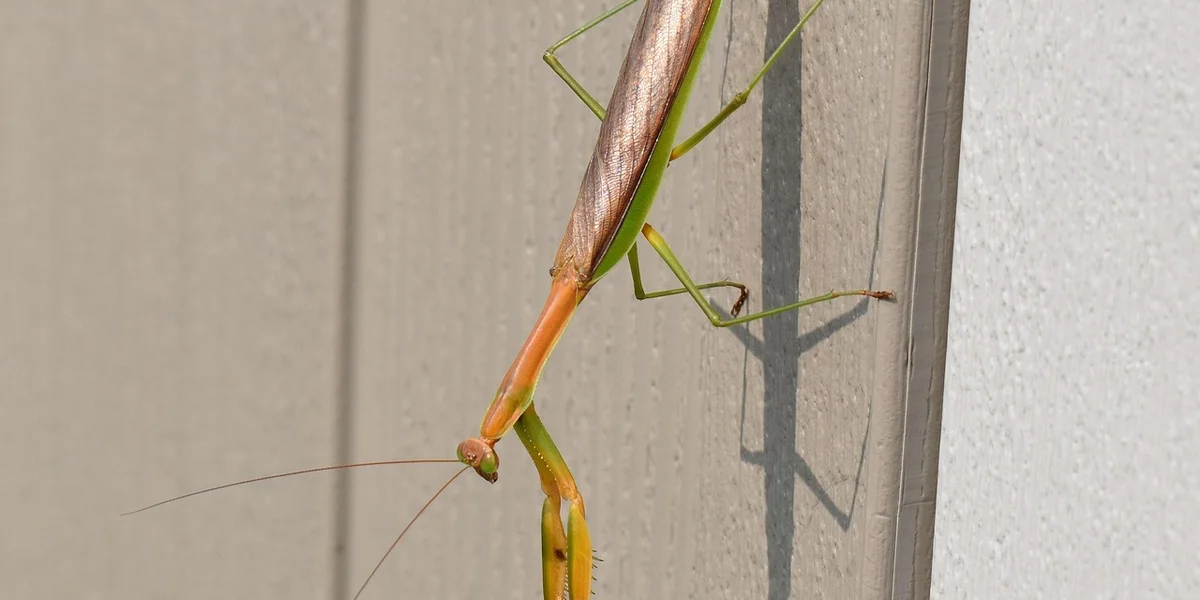
You might notice your mantis’s color shifting during a few specific life events. These changes most often occur after molting, as they grow from nymph to adult, or in direct response to their surroundings. As they mature, their behavior can change as well—not just their color. You may notice shifts in hunting style, activity, and mating behavior across life stages.
- After a successful molt, when their new exoskeleton is soft and hardening.
- As they progress through their life stages, from juvenile to mature adult.
- When their habitat’s light, temperature, or humidity levels shift over time.
After Molting: A Fresh Coat of Color
Molting, or ecdysis, is when your mantis sheds its old exoskeleton to grow. This process reveals a brand new skin underneath, which can harden into a slightly different shade.
Right after emerging, your mantis will look incredibly pale and soft, almost like creamy parchment. Its true color will develop over the next day or two as the new exoskeleton darkens and solidifies. We’ve watched our Ghost Mantis, Luna, go from a pale, almost translucent brown to her perfect leafy camouflage after a molt. Keep the habitat humid and do not disturb your mantis during this vulnerable time.
Environmental Influences: Light, Temperature, and Humidity
The conditions inside your mantis’s enclosure play a huge role in its appearance. Subtle adjustments in their environment can encourage them to adapt their coloration for better blending. To support this, you can create a bioactive enclosure for your praying mantis with live plants and a thriving microfauna community. A bioactive setup helps regulate humidity, manage waste, and encourage natural behaviors.
Here are a few tips for monitoring these factors at home:
- Light: Provide a consistent day/night cycle; some species may darken with less light.
- Temperature: Warmer temperatures can sometimes lead to brighter, more vibrant greens.
- Humidity: A well-misted, humid environment helps support healthy skin and color development.
- Background: The colors and textures around them can subtly influence their long-term hue.
Why Mantises Change Color: Reasons Behind the Shifts
These color transformations aren’t random; they serve specific purposes in a mantis’s life. From survival tactics to simple aging, the reasons are as fascinating as the changes themselves. Does the mantis’s color boost camouflage and mimicry, helping it survive? Researchers study how color matching with leaves, bark, or flowers can turn stealth into a defense and hunting edge.
Camouflage for Survival and Hunting
The primary reason for color change is camouflage, allowing them to vanish into their environment. This helps them avoid becoming a meal for birds and also lets them ambush their own prey with deadly efficiency.
Our Giant Asian Mantis, Moss, is a perfect example. When we introduced more vibrant green plants into his enclosure, his emerald coloring became even more intense over a few weeks. You can mimic natural settings by providing a variety of leaf colors and branch textures, giving your mantis a rich environment to adapt to.
Age-Related and Health-Linked Changes
Color can also be a sign of your mantis’s age or overall well-being. Pay close attention to these shifts, as they can be a window into your pet’s health.
- Maturation: Many mantises develop more intense or defined colors as they reach adulthood.
- Stress: A sudden, dull, or washed-out appearance can sometimes signal that your mantis is unwell or stressed.
- Dehydration: A mantis that looks faded or lackluster might need more frequent misting.
- Old Age: Towards the end of their life, some mantises may naturally lose some of their vibrancy.
Species That Commonly Change Color
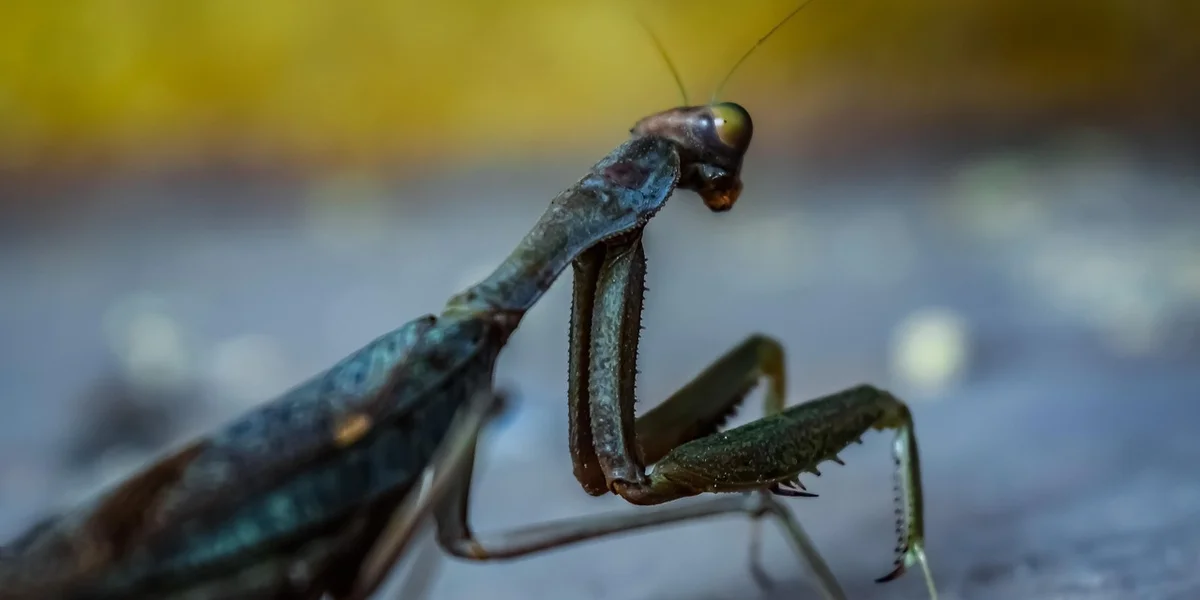
Some praying mantis species are true artists of disguise, shifting their hues to match their surroundings. We often see this in species like the Ghost Mantis, whose color can range from misty brown to vibrant green based on light and humidity levels. Care for rare color morphs can be highly sensitive to factors like enclosure size, humidity, and lighting. Below, we have a handy table to help you identify these chameleonic friends and understand their basic care needs.
| Species Name | Typical Color Ranges | Care Notes |
|---|---|---|
| Ghost Mantis (Phyllocrania paradoxa) | Light brown to dark green, sometimes with leaf-like frills | Keep humidity around 60-80%, temperatures at 22-28°C, and provide plenty of foliage for hiding and molting. |
| Orchid Mantis (Hymenopus coronatus) | Soft pinks, whites, and occasional yellow tints | Needs warm environments (25-30°C), high humidity, and orchid-like plants for perching; avoid sudden temperature drops. |
| Dead Leaf Mantis (Deroplatys desiccata) | Various browns and tans, mimicking dried foliage | Moderate humidity (50-70%), temperatures of 24-28°C, and include dry leaf litter or bark for natural camouflage. |
| Giant Asian Mantis (Hierodula membranacea) | Green to brown shades, adapting to background colors | Hardy and adaptable; maintain moderate humidity, warmth, and a varied diet of insects like crickets or flies. |
Caring for a Color-Changing Mantis: Practical Tips
Supporting your mantis’s natural color shifts starts with a thoughtful habitat and attentive care. By creating an environment that mimics their wild home, you encourage healthy, stress-free color adaptation. A clean, well-maintained habitat is essential for ongoing color health. Clean and maintain your praying mantis habitat to prevent issues and keep your mantis thriving. Let us walk through the key steps to keep your mantis vibrant and content.
Habitat Setup for Natural Color Adaptation
Start with a well-ventilated enclosure, like a mesh or glass terrarium, sized appropriately for your mantis’s species. We prefer using live plants and natural substrates to provide hiding spots and humidity retention, much like a miniature forest floor. This naturalistic setup helps mimic their wild environment and keeps your mantis calm. A plant-rich, safe habitat supports natural behaviors and healthier molts. Follow these steps for an ideal setup:
- Choose a substrate such as coconut fiber or sphagnum moss to hold moisture and support plant roots.
- Add branches, leaves, or artificial plants for climbing and perching; this gives your mantis surfaces to blend into.
- Include a shallow water dish or mist the enclosure daily to maintain humidity, but avoid soaking the substrate.
- Position the habitat in indirect light to prevent overheating and allow for natural day-night cycles.
Diet and Nutrition to Support Color Health
A balanced diet rich in nutrients helps mantises maintain their color vibrancy and overall well-being. Feeding a variety of live insects, like fruit flies or small crickets, ensures they get the vitamins needed for healthy molts and color changes. If you’re wondering “do praying mantises eat a complete diet?”, this feeding guide explains what to feed and how often for optimal health. Here is a simple feeding routine:
- Offer food every 2-3 days for adults, adjusting based on your mantis’s appetite and size.
- Gut-load insects with fresh vegetables or commercial diets before feeding to boost nutritional value.
- Observe eating habits; a mantis that refuses food might be stressed or nearing a molt, which can affect color.
Using Temperature and Humidity Safely
Gradual adjustments to temperature and humidity can influence color without causing stress. We have found that slight increases in humidity often bring out greener tones in species like the Ghost Mantis, while drier conditions may deepen browns. Use these tips for safe adjustments:
- Monitor levels with a hygrometer and thermometer; aim for species-specific ranges, such as 60-80% humidity for Ghost Mantises.
- Increase humidity by misting with warm water or adding a humidifier, but avoid creating stagnant, wet conditions.
- Adjust temperature slowly with a heat mat or lamp, keeping changes within 1-2°C per day to prevent shock.
Monitoring Health and When to Seek Help
Regular checks help you distinguish between natural color shifts and signs of illness. Normal color changes occur slowly after molts or environmental adjustments, but rapid or dull shifts paired with lethargy could indicate health issues. Watch for these warning signs:
- Abnormal color loss or darkening that happens quickly, especially if the mantis stops moving or eating.
- Signs of dehydration, like wrinkled skin, or excessive hiding without molting.
- If you notice these, consult a vet experienced with invertebrates or seek advice from online mantis communities for guidance.
Common Mantis Queries
Can a mantis change color right after eating?
No, mantises do not change color immediately after eating a meal. Color adjustments happen slowly over time, primarily during molting cycles as new pigments develop in response to environmental factors.
Does feeding sugar to a mantis alter its color?
Sugar intake does not directly influence a mantis’s coloration. Their color changes are driven by biological processes like molting and pigments from a balanced insect diet, not by sugary foods. Their coloration serves ecological roles like camouflage and signaling, shaped by genetics. Diet provides pigments that interact with those genetic factors across molts.
Do mantises change color when they die?
Mantises do not change color upon death, as their exoskeleton’s hue is fixed after each molt. Any post-mortem discoloration is typically due to decomposition, not an active color shift.
Your Mantis’s Colourful World
To best support your mantis, provide a stable, species-appropriate habitat with consistent humidity and temperature, as these factors most influence subtle colour shifts. Observe your pet closely, like we do with our Ghost Mantis Luna, whose gentle browns deepen with the evening mist, to understand their individual patterns and health.
Embrace the journey of responsible pet ownership by continually seeking out new care insights and connecting with fellow enthusiasts. Your dedication to learning ensures your mantis thrives, turning simple curiosity into a deeply rewarding partnership with nature’s most elegant hunter. For first-time mantis owners, follow a week-by-week care guide to get started. Our week-by-week tips help you care for your new pet with confidence.
Further Reading & Sources
- mantis change color? | Mantid Forum – Mantis Pet & Breeding Forum
- Coloration in a Praying Mantis: Color Change, Sexual Color Dimorphism, and Possible Camouflage Strategies – PMC
- Why Do Praying Mantises Turn Brown? Color Change …
- Mantises change color to blend in with surroundings
Rowan Hale is a lifelong insect enthusiast who fell in love with mantises for their calm presence, alien elegance, and surprising personalities. After years of keeping and raising a variety of species, Rowan shares practical tips, creative insights, and real-world experience to help others enjoy the quiet magic of mantis care. From setting up the perfect enclosure to understanding their subtle behaviors, Rowan invites readers into a gentle, curious world where every tiny movement feels like a discovery.
Common Species