
Can Mantises Get Dehydrated from Low Humidity? The Hidden Dangers
Published on: February 13, 2026 | Last Updated: February 13, 2026
Written By: Rowan Hale
Hello, fellow mantis friends! Have you ever watched your mantis perch quietly, only to notice its delicate skin looking a bit too dry or its movements slowing down unexpectedly?
Yes, mantises can absolutely get dehydrated from low humidity, and it’s a risk that sneaks up on many keepers.
Humidity care isn’t just about spraying water-it’s a delicate balance that affects everything from molting to overall health, with pitfalls that aren’t always obvious.
In this article, we’ll guide you through the subtle signs and smart solutions, covering:
- How to spot early dehydration before it becomes critical
- Simple ways to boost humidity safely in your setup
- Why proper moisture levels prevent molting disasters
- Common mistakes that make low humidity dangerous over time
How Low Humidity Puts Your Mantis at Risk
Mantises rely on ambient humidity for hydration because they absorb moisture directly through their exoskeleton and drink water droplets from misting. Their delicate bodies are not built to conserve water like mammals, so they depend on a humid environment to stay properly hydrated. Think of it like a fresh leaf in the sun—without enough moisture, it wilts and curls at the edges, just as your mantis can slowly dry out. This is especially important for mantis nymphs, which require specific temperature and humidity levels for their development.
Evaporation in dry air pulls water from their skin and respiratory surfaces, leading to desiccation over time. This process is subtle but steady, much like a sponge left out in a warm room losing its dampness day by day. You might notice the air in their enclosure feeling crisp, which signals it’s time to add moisture.
Species vary in their humidity needs, with some tolerating drier conditions better than others. For instance, our Ghost Mantis Luna thrives in misty settings, while Moss, the Giant Asian, adapts more easily to slight dips in humidity. Always check the specific requirements for your mantis type to keep them comfortable.
Recognizing the Signs of Dehydration in Your Mantis
Watch for these visible symptoms that indicate your mantis might be dehydrated:
- Sunken or dull-looking eyes
- Lethargy and reduced movement
- Wrinkled or shrunken exoskeleton
- Less interest in food or refusal to eat
Behavioral shifts often accompany physical signs, such as your mantis staying unusually still or choosing perches near the enclosure floor where humidity might be higher. These changes are their way of seeking relief, so pay close attention to where and how they rest. A normally active mantis becoming passive is a clear warning.
Use this quick-check guide to assess hydration levels in your mantis:
- Observe their eyes and skin for any dryness or shrinkage.
- Note their activity level over a day-healthy mantises often groom and explore.
- Check if they respond to misting by drinking droplets.
Regular monitoring helps you catch issues early and adjust their habitat before problems worsen. Trust your instincts-if something feels off, a simple humidity boost can make all the difference.
Ideal Humidity Levels for Common Pet Mantis Species
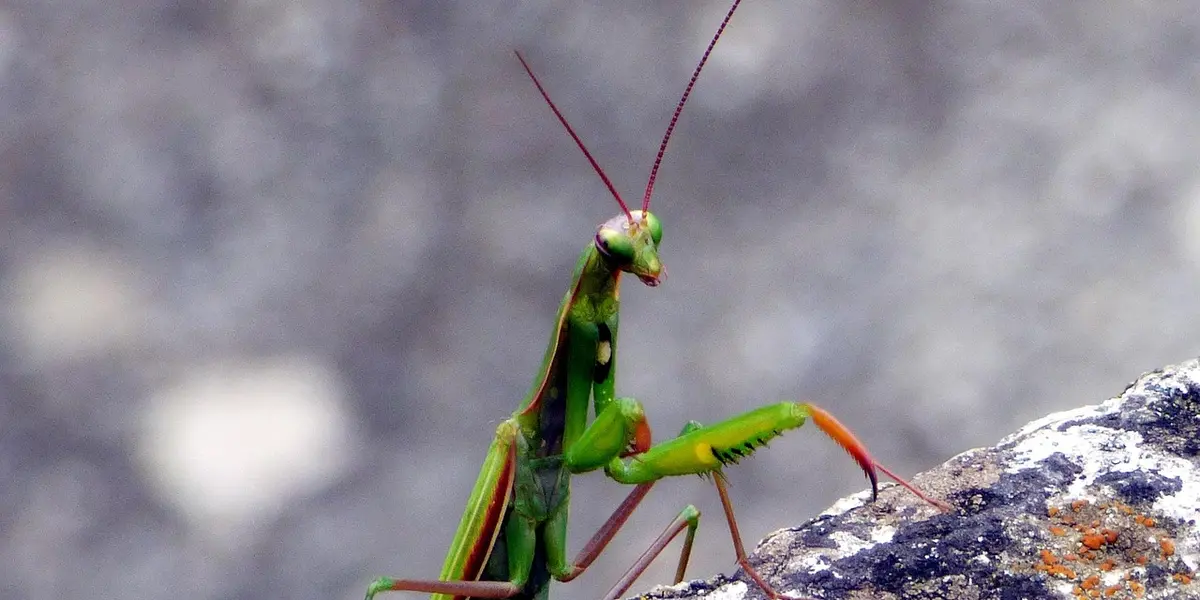
Tailoring Humidity to Species Needs
Each mantis species comes from a unique environment, and their humidity needs reflect that. Getting the moisture level right makes all the difference between a thriving pet and one that struggles silently. Different species have specific requirements for temperature and humidity, so it’s essential to know the ranges they need.
| Species | Ideal Humidity Range |
|---|---|
| Ghost Mantis | 50% to 70% |
| Giant Asian Mantis | 60% to 80% |
| Orchid Mantis | 70% to 90% |
Native habitats shape these numbers deeply. Ghost mantises hail from dry African scrublands, so they cope well with moderate humidity, much like our Luna who perches calmly in her terrarium when we keep it around 60%. Giant Asian mantises need more moisture, reminiscent of tropical Asian forests where Moss eagerly explores after a light misting. Orchid mantises, like Sprig, demand high humidity to mimic their Southeast Asian rainforest homes, where the air feels thick and warm.
Adjusting for Home Environments
Your home’s climate plays a big role in your mantis’s comfort. Simple tweaks to the enclosure can create a cosy microclimate that matches their natural needs.
- Use a small humidifier near the tank for dry rooms, or place a shallow water dish inside to boost evaporation.
- Promote natural airflow by partially opening vents or using a small fan on low, but avoid direct drafts that chill the mantis.
- Add live plants like pothos or sphagnum moss to the enclosure-they release moisture and help stabilise humidity levels.
Seasonal shifts require extra attention. In winter, when heating dries the air, we mist more frequently and cover part of the mesh lid to retain humidity. During humid summers, we ensure good ventilation to prevent mould, checking the hygrometer daily to keep conditions steady and stress-free.
The Hidden Dangers: Long-Term Effects of Dehydration
Molting Failures and Exoskeleton Damage
Low humidity turns molting into a risky ordeal. Without enough moisture, the old exoskeleton hardens and sticks, trapping the mantis mid-shed and often leading to fatal injuries.
We’ve seen how a dry environment makes the skin brittle-imagine trying to wriggle out of a stiff, shrunken coat. Prevention starts with consistent misting, especially in the days leading up to a molt when the mantis becomes still and refuses food.
- Increase misting frequency to twice daily when you notice pre-molt behaviour, like reduced activity or hanging upside down.
- Use lukewarm water in a fine spray bottle to avoid startling your mantis-gentle droplets mimic natural dew.
- Monitor the enclosure with a hygrometer, aiming for the higher end of your species’ range during molt periods.
- Provide sturdy branches or mesh for the mantis to grip securely, reducing the risk of falls during the vulnerable shedding process.
Health Decline and Reduced Lifespan
Chronic dehydration quietly undermines a mantis’s vitality. Over time, it stunts growth, weakens the immune system, and shortens their life, turning minor issues into serious threats. Look for signs such as lethargy, a wrinkled abdomen, or reduced appetite. If dehydration is suspected, increase humidity, mist the enclosure, and provide a shallow water source so the mantis can drink.
Growth defects emerge when the body can’t expand properly after molts, leaving limbs twisted or underdeveloped. Weakened immunity makes them prone to infections, something we’ve noticed in past care where dry conditions led to lethargy and poor appetite. Higher mortality rates follow, as the mantis exhausts itself fighting these cumulative stresses.
Linking this to overall care, we always keep a hygrometer handy and log daily readings. Regular checks help us catch drops early, ensuring our mantises live full, active lives without the hidden toll of dehydration.
Simple Ways to Increase Humidity in Your Mantis Enclosure
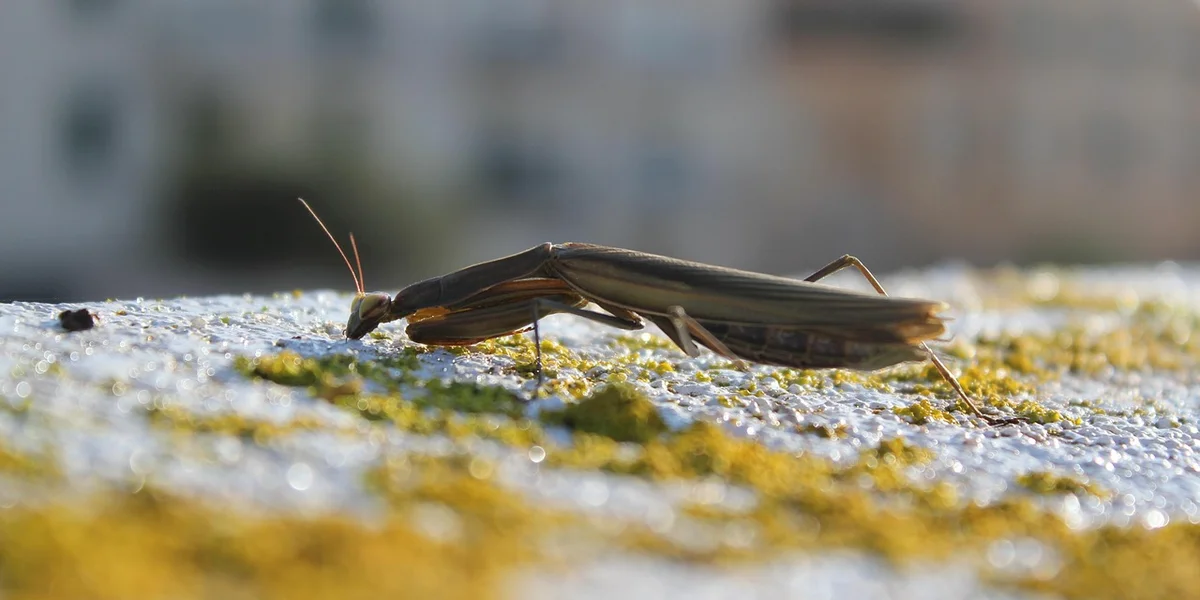
Effective Misting Practices
Keeping your mantis hydrated starts with a consistent misting routine that mimics natural dew or light rain. Regular misting not only raises humidity but also provides drinking water for your mantis, much like how morning dew quenches wild insects. However, it’s essential to not overdo it to ensure a proper balance of humidity and hydration.
- Create a misting schedule by spraying the enclosure once in the morning and once in the evening, adjusting based on your room’s dryness-more frequent in arid climates, less in humid ones. Use lukewarm water, similar to room temperature, to prevent shocking your mantis; test it on your wrist to ensure it feels comfortable, not cold or hot.
- Opt for a clean spray bottle from around the house, like one used for plants or household cleaning, as it offers a fine mist that distributes evenly without drenching the enclosure. This budget-friendly approach lets you control moisture levels gently, avoiding sudden changes that could stress your pet.
Enclosure Setup for Optimal Moisture
Enhancing your enclosure’s design can naturally sustain humidity, creating a cozy microclimate for your mantis. Adding elements like water basins or live plants boosts evaporation, much like a forest floor holding moisture after a soft rain. This moisture-friendly approach is a stepping stone to a bioactive enclosure for your mantis. With careful substrate layering and gentle microfauna, you can support a healthier, self-sustaining habitat.
- Place a shallow water basin, such as a small jar lid or dish, filled with fresh water to increase ambient humidity through slow evaporation. Combine this with moisture-retaining substrates like coconut fiber or sphagnum moss, which hold water and release it gradually, keeping the air damp without pooling.
- Incorporate live plants like pothos or ferns, which transpire moisture and add a natural touch; for DIY terrariums, layer damp moss over soil in a glass container to create a self-regulating humid zone. These simple setups not only prevent dehydration but also enrich your mantis’s environment, encouraging natural behaviors like climbing and hiding.
Monitoring and Maintaining Proper Humidity Levels
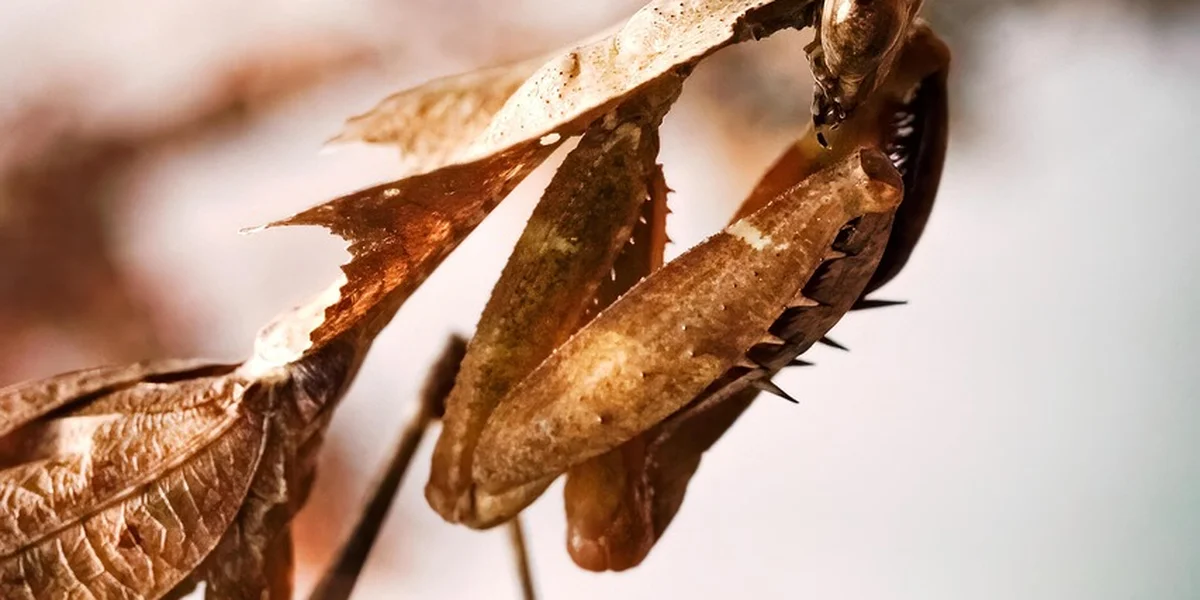
- Use a digital hydrometer for accurate humidity readings, placing it midway in the enclosure away from direct mist or heat sources to avoid false measurements. Regular monitoring helps you spot trends, like drops during heating spells, so you can act before dehydration risks arise.
- Affordable tools like basic hygrometers from garden stores work well; interpret data by aiming for 50-70% humidity for most species, adjusting if you see signs like lethargy or wrinkled skin. Understanding these patterns lets you tailor care, ensuring your mantis stays vibrant and active.
- Incorporate daily checks into your routine, perhaps during feeding or general observation, to quickly assess humidity and your mantis’s well-being. This habit builds a rhythm of care, much like tending a small garden, where consistency keeps everything thriving.
Proactive Care to Prevent Dehydration in Pet Mantises
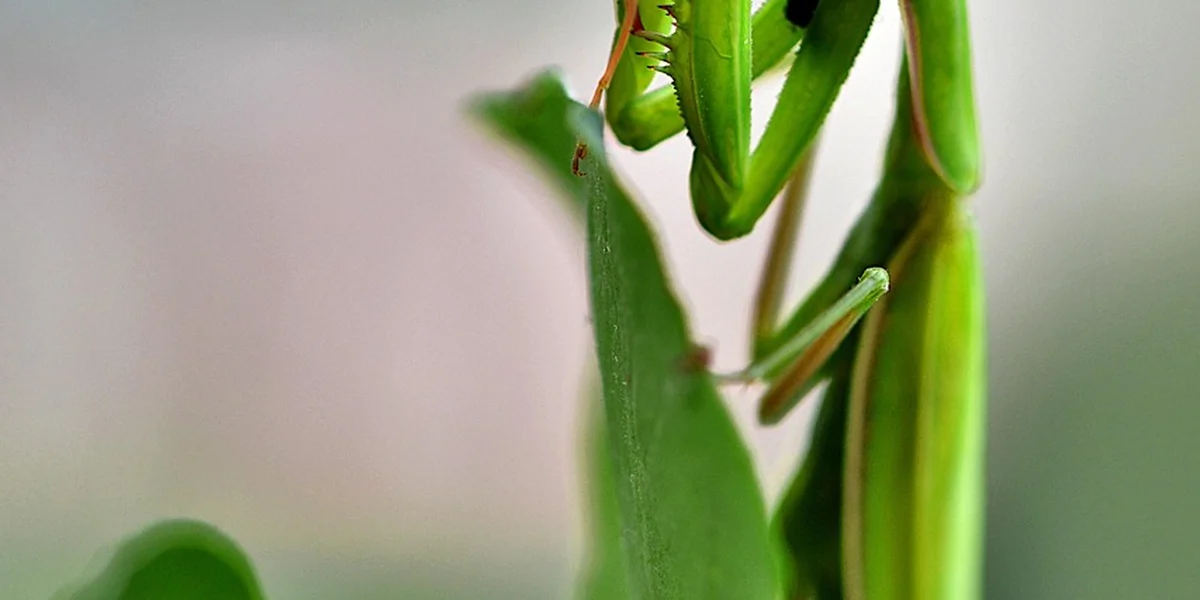
Keeping your mantis hydrated starts with simple, consistent habits that become part of your daily routine. We find that a gentle misting each morning mimics the fresh dew they’d encounter in the wild, offering them a chance to sip water droplets right from their forelegs or enclosure walls. Adjust the frequency based on your mantis species—for instance, my Ghost Mantis Luna thrives with light misting every other day, while Sprig, my Orchid Mantis, needs a daily spritz to maintain her petal-like appearance. However, it’s equally important to understand the general water needs of your mantis species, which you can learn from a complete hydration guide for praying mantises.
- Regular misting with lukewarm, filtered water to create a fine spray that settles on leaves and surfaces.
- Species-specific adjustments by researching ideal humidity levels-tropical varieties often require more moisture than temperate ones.
- Enclosure maintenance like replacing substrate monthly and ensuring ventilation holes aren’t blocked, which balances humidity without fostering mold.
Early intervention can make all the difference in preventing serious health issues. Watch for subtle stress signs such as a mantis staying unusually still, refusing food, or showing wrinkled skin around its abdomen-these are quiet pleas for help. If you notice any of these, act swiftly by increasing misting sessions, placing a shallow water dish nearby, or moving the enclosure to a slightly warmer spot to boost humidity naturally.
We’ve seen mantises like Moss, our Giant Asian, recover beautifully with prompt care, reminding us that these creatures are wonderfully resilient. With attentive observation and small adjustments, you’ll build a lasting bond and ensure your mantis enjoys a vibrant, healthy life alongside you.
Questions from Fellow Mantis Friends
How often should I mist my mantis enclosure?
Establish a consistent schedule, typically misting once or twice daily, but always adjust based on your hygrometer readings. Over-misting can be as harmful as under-misting, so aim for a fine spray that dampens surfaces without creating puddles.
Can I provide a water dish for my mantis to drink from?
While mantises primarily drink from water droplets on surfaces, they also get moisture from their prey. A shallow water dish can help increase ambient humidity through evaporation, but it is not a a reliable primary water source, as mantises can easily drown in deep or open containers.
How do I adjust humidity for my mantis during different seasons?
In dry winter months, you may need to mist more frequently or partially cover ventilation to retain moisture. During humid summers, ensure adequate airflow to prevent mold, using tools like a small fan on a low setting if necessary.
Caring for Your Mantis’s Well-Being
Monitor humidity closely with a reliable hygrometer and mist the enclosure gently each day to support healthy hydration. To set up the perfect humidity level for your praying mantis enclosure, establish a target range with a hygrometer. Then adjust misting to maintain it. This attentive care helps your mantis avoid dehydration risks, from sluggish behavior to molting struggles, keeping them vibrant and active.
Embrace your role as a mindful keeper by observing your mantis’s habits and adjusting their environment as needed. Staying curious and informed about pet mantis care ensures you can provide a safe, nurturing home for your unique insect friend.
Further Reading & Sources
- Beginner’s Guide to Keeping a Pet Mantis – DiscoverMantises.com
- Praying Mantis Water: Hydration & Drowning Tips – Scienceinsider.blog
- Herps & Inverts | Insects | Mantis Temperature and Humidity
- How often does a praying mantis need water? – Quora
Rowan Hale is a lifelong insect enthusiast who fell in love with mantises for their calm presence, alien elegance, and surprising personalities. After years of keeping and raising a variety of species, Rowan shares practical tips, creative insights, and real-world experience to help others enjoy the quiet magic of mantis care. From setting up the perfect enclosure to understanding their subtle behaviors, Rowan invites readers into a gentle, curious world where every tiny movement feels like a discovery.
Temperature and Humidity