
Why and When Do Praying Mantis Typically Die?
Published on: March 14, 2026 | Last Updated: March 14, 2026
Written By: Rowan Hale
Hello, fellow mantis friend! Have you ever noticed your praying mantis perched like a tiny green statue and wondered about the natural rhythms of its life? These captivating insects live brief but intense lives, and their passing often ties into their unique biology and the care we provide.
Praying mantis die primarily from old age, molting challenges, or environmental stressors, with lifespans ranging from a few months to over a year depending on species, gender, and how well their needs are met.
But it’s not a simple story-factors like species differences and individual health create a tapestry of causes. By exploring these nuances, we can offer our mantis companions the best possible care throughout their journey. Here’s a quick look at what we’ll cover:
- How species and gender affect lifespan, from short-lived males to longer-lived females
- Common reasons for death, including natural aging and preventable issues like poor humidity
- Key signs that a mantis is nearing the end, such as reduced activity or refusal to eat
- Ways proper habitat setup and feeding can gently extend their time with us
Understanding Praying Mantis Lifespan and Mortality
Life Stages and Their Durations
Praying mantises pass through several distinct life stages, each with its own timeline and vulnerabilities. From egg to adult, their journey is a delicate dance of growth and transformation that varies by species and care conditions. Most mantises begin as oothecae, or egg cases, which hatch into tiny nymphs after a few weeks to months, depending on temperature and humidity. You can learn more about their life stages and behavioral changes in this detailed guide.
- Egg stage: Lasts 3-6 weeks; the ootheca protects dozens of eggs until hatching.
- Nymph stage: Mantises molt 6-10 times over 2-4 months, shedding skin to grow larger.
- Subadult stage: A brief phase of 2-4 weeks where they near maturity but aren’t yet reproductive.
- Adult stage: Typically lives 4-6 months; females often outlive males due to differences in energy use.
In our terrarium, Luna, our Ghost Mantis, took about five months to mature, with each molt feeling like a quiet celebration. Knowing these stages helps you anticipate changes and provide the right support at each step. Species like the Giant Asian Mantis may complete their cycle faster, while others, such as Orchid Mantises, stretch it out with more gradual development.
Aging and Senescence in Mantises
As mantises age, they undergo senescence, a natural slowing down that signals the end of their life. You might notice your mantis moving less, eating sparsely, or resting more often, much like an old friend settling into a comfortable chair. Their colors can fade, and their reactions become delayed, not from illness but from the body’s gentle decline.
For instance, Moss, our adult male Giant Asian Mantis, grew quieter in his final weeks, preferring to perch still for hours. This aging process is a normal part of their biology, and providing a calm, stable environment can ease their transition. Unlike mammals, mantises don’t show dramatic aging signs, but a gradual loss of vigor is common in their last month or two.
Common Causes of Death in Pet Mantises
Molting Complications
Molting is a high-risk event where mantises shed their exoskeleton to grow, and complications can lead to fatal outcomes. If the humidity is too low or the mantis is disturbed, they might get stuck in their old skin, unable to free themselves fully. This can cause deformities, limb loss, or exhaustion that proves deadly. Recognizing the earliest signs of molting trouble is essential for timely intervention. Look for signs such as prolonged molting, limited movement, or a molt that stalls midway, and seek help promptly.
- Ensure humidity levels match your species’ needs-usually 50-70% for most types.
- Avoid handling or feeding during molting; even a gentle nudge can disrupt the process.
- Provide rough surfaces like twigs or mesh for them to grip and pull themselves out.
We learned this firsthand when Sprig, our juvenile Orchid Mantis, struggled in a dry spell; a quick misting saved her. Watching for pre-molt signs, like reduced appetite and stillness, lets you step in with extra care before trouble starts.
Disease and Environmental Stress
Diseases and stress from poor living conditions are silent threats that can shorten a mantis’s life. Fungal infections often thrive in damp, unclean enclosures, while bacterial issues may arise from contaminated food or water. Environmental stressors-like sudden temperature swings, overcrowding, or too much handling-weaken their immune systems over time.
- Keep the enclosure clean: Remove uneaten prey and waste daily to prevent mold.
- Maintain stable temperatures: Most species prefer 20-28°C, with gentle heat sources.
- Limit handling: Too much contact can cause stress; observe from a distance instead.
In our care, a minor fungal spot on Luna’s enclosure taught us to boost airflow and reduce misting frequency. By mimicking their natural habitat with consistent warmth and humidity, you create a sanctuary that supports their health and longevity.
The Role of Mating in Mantis Mortality
Female Cannibalism and Male Survival
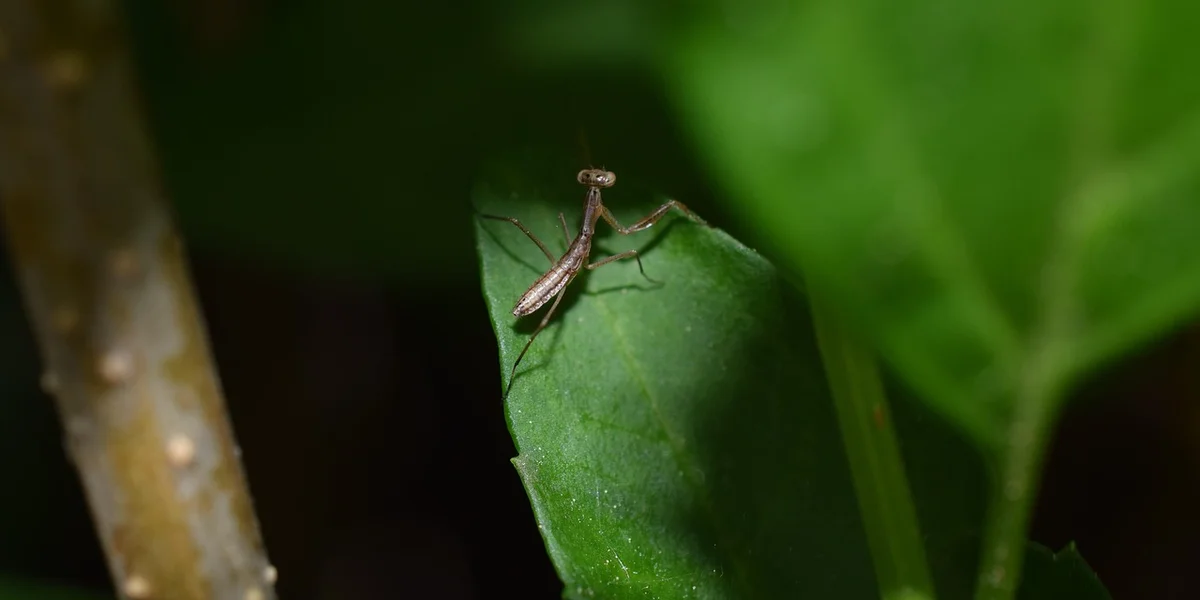
We often get asked if female mantises always eat their mates. The answer is more nuanced than a simple yes. While female cannibalism does occur, it’s not a guaranteed fate for every male. Hungry females are far more likely to view a potential mate as a meal, so we always feed our female mantises well before introducing a male. A well-fed lady mantis is generally more receptive to courtship. Feeding them well is just one part of safely introducing a male and female mantis.
Males have evolved clever strategies to improve their odds. They approach cautiously, often from behind, and may spend hours slowly creeping closer. Some will even present a caught insect as a distraction gift. Timing is everything-introducing the male immediately after the female has molted, while her new exoskeleton is still soft, can be disastrous for him. Our own Ghost Mantis, Luna, has never shown interest in cannibalizing a mate, while other species in our care have been far more opportunistic.
Post-Mating Health Concerns
The risks don’t always end once mating is successful. For the female, producing and laying a large ootheca (egg case) is an incredibly energy-intensive process. A female can become visibly drained and thinner after laying her eggs, making proper post-mating nutrition absolutely vital for her recovery. We offer our females extra, high-quality feeders like fruit flies or small crickets in the days following mating.
Males, if they survive the encounter, are often physically exhausted. They may have lost limbs during a hasty escape or simply be nearing the end of their natural lifespan. We provide a stress-free environment with ample food and water for any male post-mating, as this period of recovery is critical for his remaining days. Even a successful escape can leave a male weakened and more susceptible to other health issues.
Seasonal and Environmental Influences on Death
Winter and Cold Weather Risks
Praying mantises are ectothermic, meaning they rely on external heat sources to regulate their body temperature. A sudden drop in temperature is one of the fastest ways a mantis can decline. Drafts from a window or a drop in room temperature overnight can cause a mantis to become sluggish, stop eating, and eventually pass away. We keep our mantis enclosures well away from drafty areas, especially during colder months.
Shorter daylight hours in winter can also signal to an adult mantis that its life cycle is nearing its end, even in a controlled indoor environment. Maintaining a consistent photoperiod with a simple timer for their light source can help prevent this natural seasonal trigger from causing premature death. Our male Giant Asian Mantis, Moss, always becomes less active as the days grow shorter, a gentle reminder of nature’s rhythm.
Heat and Hydration Balance
Just as cold is dangerous, excessive heat poses a serious threat. An enclosure placed in direct sunlight can quickly become an oven, leading to fatal dehydration or heatstroke. Signs of heat stress include rapid panting motions, holding their bodies unusually flat, and frantic attempts to escape the enclosure. The ideal temperature range is species-specific, but generally sits between 72°F and 85°F (22°C – 29°C).
Hydration is intrinsically linked to temperature. A warm environment requires more frequent misting to maintain healthy humidity levels and provide drinking water. We mist our enclosures with lukewarm water once or twice daily, creating fine droplets on the leaves and walls for the mantis to drink from. A dehydrated mantis will have sunken eyes and a wrinkled abdomen, a clear sign that its environment needs immediate adjustment. Recognizing signs of dehydration in a praying mantis lets you act quickly to fix it. By keeping humidity steady and ensuring drinking water is always available, you can often reverse dehydration when caught early.
Recognizing Signs of a Dying Mantis
Behavioral Changes to Watch For
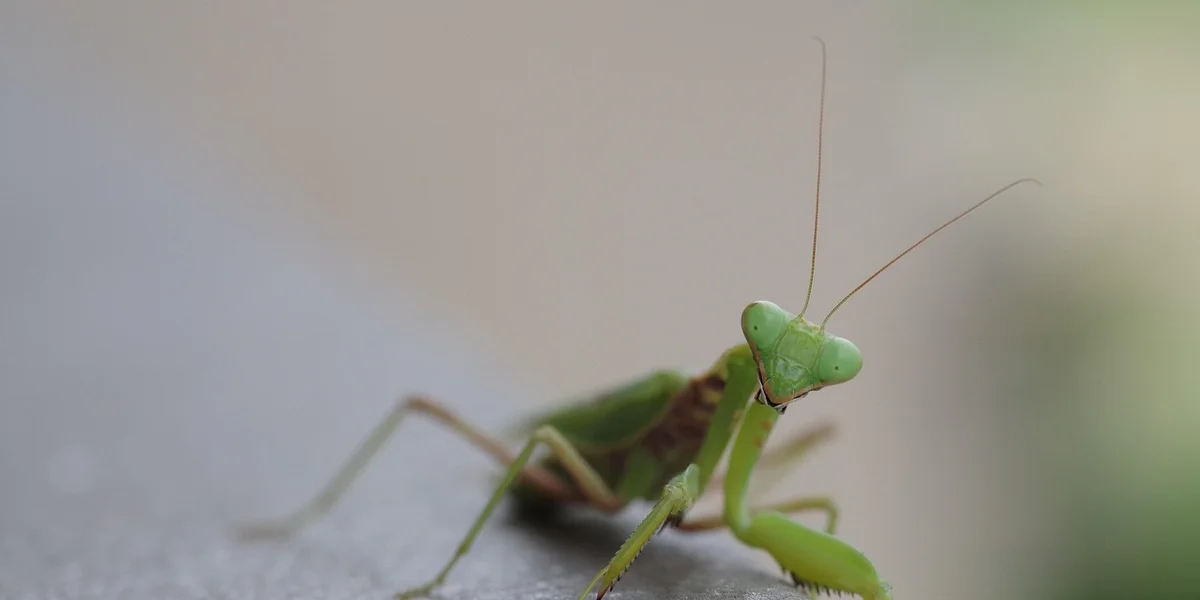
You might notice your mantis acting differently long before physical issues appear. Watch for a drop in activity, like when Luna, my Ghost Mantis, stopped her usual head-tilting and spent hours motionless on the enclosure floor. This lethargy often means she’s conserving energy or feeling unwell.
Another key sign is a sudden loss of interest in food. If your mantis ignores prey it would normally strike eagerly, that’s a clear red flag something’s off. We’ve seen this with Sprig, our Orchid Mantis, who’d turn away from fruit flies during molting stress.
- Reduced movement or clinging low in the enclosure
- Failing to assume a typical hunting stance
- Uncoordinated walking or difficulty gripping surfaces
Pay attention to any shifts in daily rhythms. A mantis that’s usually active during the day but starts hiding or trembling needs your gentle observation. These subtle cues can help you intervene early.
Physical Symptoms of Decline
Physical changes often follow behavioral ones and can be quite telling. Look for a dulling or darkening of their exoskeleton, which might indicate dehydration or an underlying health issue. Moss, my Giant Asian Mantis, once lost his bright emerald sheen when humidity levels dipped too low.
Weight loss is another common symptom. You’ll see a sunken abdomen or prominent rib-like structures on the thorax if your mantis isn’t eating enough. This makes them look frail and less vibrant.
- Discolored or cloudy eyes
- Difficulty molting, with old skin stuck on limbs
- Curled or limp antennae that don’t twitch as usual
Check for any unusual spots or soft areas on the body. These could point to infections or injuries that need prompt care to prevent further decline. A healthy mantis should feel firm and move with purpose.
Preventing Premature Death: Care Tips and Best Practices
Optimal Enclosure and Habitat Setup
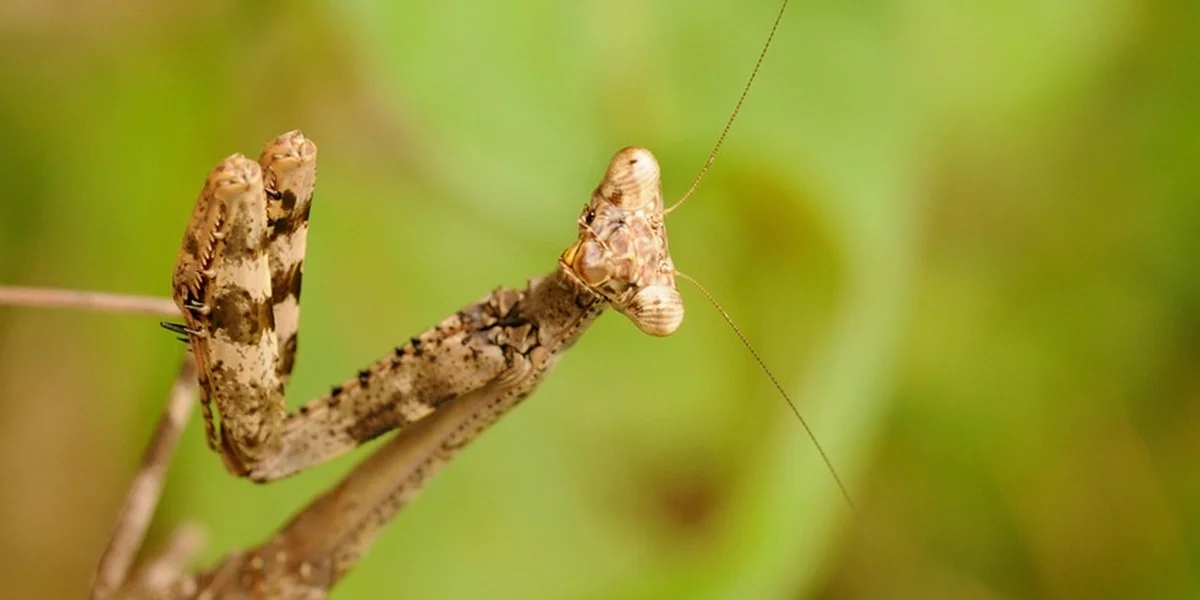
Creating a safe, comfortable home is your first step toward a long-lived mantis. Choose an enclosure that’s tall rather than wide, with plenty of vertical space for climbing and molting. We often use a simple glass jar with a mesh lid for young mantises, ensuring good airflow. If you’re aiming for a DIY approach, you can build a mantis enclosure from everyday materials—look for tall, clear containers and breathable lids. With a little creativity, a tall habitat from common items can work as well as store-bought setups.
Maintain stable temperature and humidity levels suited to your species. A small spray bottle with warm water can boost humidity gently, mimicking the moist, earthy feel of their natural habitat. Avoid sudden changes that stress them.
- Use non-toxic plants or fake foliage for perches
- Provide a substrate like coconut fibre to hold moisture
- Ensure the enclosure has secure lids to prevent escapes
Keep the habitat clean to ward off mold and mites. Regularly remove uneaten prey and waste to maintain a fresh environment that supports their well-being. This simple habit can prevent many common health issues.
Diet and Nutrition Management
Feeding your mantis the right foods at the right times is crucial for vitality. Offer live prey that’s appropriately sized, like fruit flies for juveniles or crickets for adults, to encourage natural hunting behaviors. We’ve noticed Moss gets more energetic with varied meals.
Hydration plays a big role in their health. Lightly mist the enclosure daily to provide drinking water, as mantises often sip droplets from leaves. This helps them stay hydrated without the risk of drowning. For a complete hydration guide, learn how much moisture mantises need and safe ways to provide drinking droplets. Hydration needs vary by species and life stage.
- Feed every 2-3 days for adults, adjusting based on appetite
- Dust prey with calcium powder for strong exoskeletons
- Avoid overfeeding to prevent obesity and molting problems
Monitor their eating habits closely. If your mantis refuses food, try offering different prey or check that the enclosure conditions are optimal. A praying mantis feeding schedule species comparative guide shows how different species vary in appetite and prey size. A balanced diet supports their growth and resilience through each life stage.
Coping with the Loss of Your Pet Mantis
Respectful Disposal and Memorial Ideas
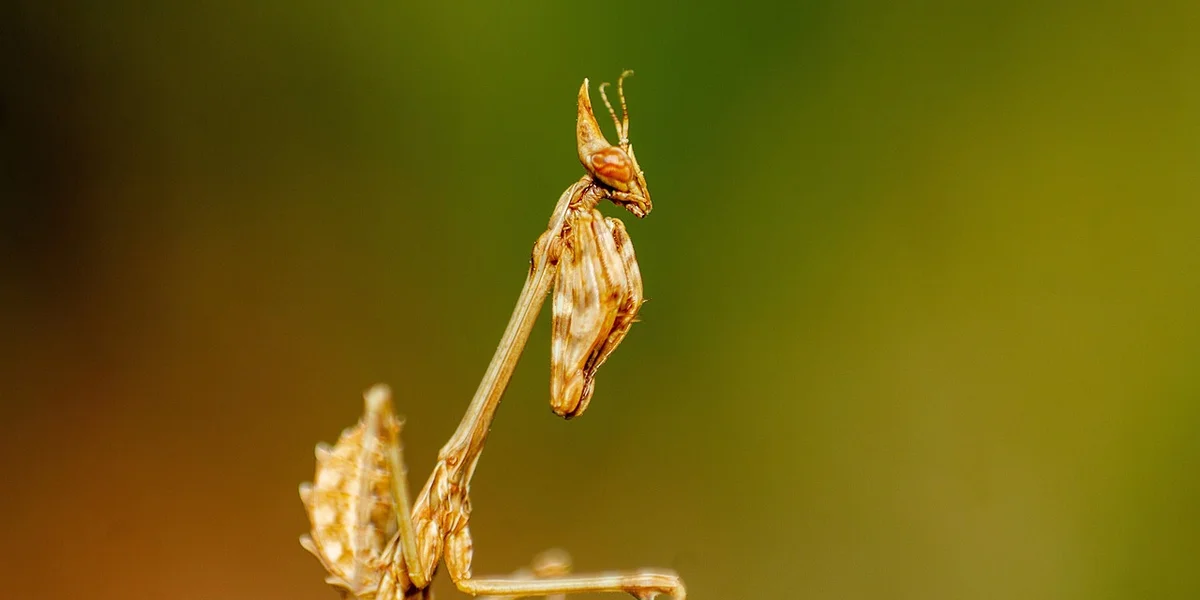
When your mantis passes, treating their remains with gentleness honours the bond you shared. Choosing a disposal method that feels right for you can bring a sense of peace and closure.
Consider these eco-friendly options for saying goodbye:
- Garden burial: Dig a small, shallow hole in a flowerbed or pot, place your mantis inside, and cover them with soil-this returns their energy to the earth whilst allowing new growth to remind you of them.
- Leaf litter return: In a woodland area or a compost bin, lay your mantis among fallen leaves and twigs, where they can decompose naturally and support the ecosystem.
- Resin preservation: For a lasting keepsake, carefully position the mantis in a mould and pour clear resin, capturing their delicate form forever-though this requires patience and a steady hand.
Creating a memorial can turn grief into a tender tribute. Simple acts like planting a seed or arranging a photo can keep your mantis’s memory alive in your daily routine.
- Plant a remembrance: Sow basil or marigold seeds in a pot near their enclosure; as the plants flourish, they’ll evoke the life your mantis brought to your home.
- Craft a memory box: Use a small wooden box to store a dried leaf from their habitat, a sketch you made of them, or a note describing their favourite perching spot.
- Share their story: Post a photo or video online with a caption about their quirks, like how Luna, my Ghost Mantis, would tilt her head as if pondering the world before striking.
Emotional Support for Owners
Feeling a hollow ache after your mantis dies is entirely natural-these tiny beings leave big impressions. Allow yourself to grieve without judgement, recognising that your care made their life meaningful.
Lean on these comforting practices to navigate your emotions:
- Connect with fellow keepers: Join online mantis care groups where members understand the unique joy these insects bring; sharing anecdotes about Sprig’s petal-like camouflage might spark supportive conversations.
- Write a farewell letter: Pen down memories of feeding times or molting successes, focusing on the stillness and trust you built together-this can be a therapeutic release.
- Create a calming ritual: Light a candle or play soft nature sounds whilst reflecting on moments like Moss’s emerald-green form exploring a new branch, letting the warmth soothe your heart.
Remember, your mantis’s brief life was filled with your attentive love. Honouring their memory through small, personal gestures helps transform sadness into a gentle, enduring connection.
FAQs on Mantis
What cultural symbolism is associated with praying mantis death?
In various traditions, a praying mantis’s death can symbolize transformation or a message from the spiritual realm, reflecting cycles of life and renewal. For pet owners, this symbolism may offer comfort by framing their mantis’s passing as a natural part of its brief, meaningful journey.
Is it true that praying mantises can eat birds like hummingbirds?
Yes, larger mantis species have been observed preying on small birds in the wild, though this is uncommon and typically not a concern in controlled pet environments. Providing properly sized feeders in captivity ensures your mantis gets adequate nutrition without the risks associated with such extreme predation.
Why are there so many videos of praying mantis mating deaths online?
These videos often go viral due to the dramatic and rare nature of female cannibalism, which captivates audiences with its raw depiction of natural behavior. As a mantis keeper, it’s important to remember that this isn’t guaranteed and can be mitigated through proper feeding and careful mating supervision. That question connects to the topic of why mantises engage in sexual cannibalism. Scientists have proposed explanations, including nutritional benefits for the female and mating strategies that can affect offspring, though the behavior is not universal and depends on context.
A Gentle Farewell: Understanding Your Mantis’s Journey
By keeping their habitat humid and warm, you help your mantis thrive through each life stage. Watch closely during molting times and offer a calm, secure space to reduce risks of injury or stress. After molting, give your mantis time to rest as its exoskeleton hardens. Resume normal care gradually—keep handling to a minimum and maintain stable humidity to support recovery.
We encourage all keepers to approach pet mantis care with a curious, caring heart. Learning from each mantis, like our observant Luna, deepens your bond and ensures their well-being over time.
Further Reading & Sources
- Life Cycle of a Praying Mantis – Insect Lore
- Old Age & Death – mantis monarch
- Do adult praying mantis typically die when they have their offspring? – Quora
- Mantis – Wikipedia
Rowan Hale is a lifelong insect enthusiast who fell in love with mantises for their calm presence, alien elegance, and surprising personalities. After years of keeping and raising a variety of species, Rowan shares practical tips, creative insights, and real-world experience to help others enjoy the quiet magic of mantis care. From setting up the perfect enclosure to understanding their subtle behaviors, Rowan invites readers into a gentle, curious world where every tiny movement feels like a discovery.
Common Health Issues