
How Often Do Praying Mantises Need Water: A Complete Hydration Guide
Published on: February 21, 2026 | Last Updated: February 21, 2026
Written By: Rowan Hale
Hello there, fellow mantis friend.
Many new keepers picture their mantis sipping delicately from a tiny water dish, but the reality of mantis hydration is far more subtle and fascinating.
Praying mantises rarely drink from standing water and instead get most of their hydration from the humidity in their enclosure and from the bodily fluids of their prey.
Getting their water needs just right is a delicate art, balancing misting schedules, prey choices, and environmental cues that are unique to these captivating predators.
- Learn the most effective and safest way to provide water.
- Understand the critical signs of both dehydration and over-hydration.
- Discover how your mantis’s age and species change its water requirements.
Understanding Mantis Hydration Basics
What Is Praying Mantis Hydration?
Hydration for praying mantises means keeping their bodies supplied with enough water to function properly. This water comes from both the insects they eat and the moisture in their surroundings. Be alert for signs of dehydration such as a dry, wrinkled abdomen or sluggish movement. If dehydration is suspected, increase humidity by misting the enclosure and offering droplets on leaves or prey to help fix it.
- Consuming prey like fruit flies or crickets that have high water content.
- Lapping up droplets from leaves, branches, or enclosure walls after misting.
- Absorbing ambient moisture from humid air during regular spray sessions.
We find that a hydrated mantis moves with more grace and shows brighter colors. Good hydration supports everything from smooth molts to efficient digestion.
Hydration vs. Humidity: Key Differences
| Hydration | Humidity |
|---|---|
| Internal water balance within the mantis’s body. | External moisture levels in the air of the habitat. |
| Directly affects bodily functions like molting and energy. | Influences skin health and ease of breathing. |
| Seen when a mantis drinks droplets or eats moist prey. | Measured with a hygrometer and adjusted through misting. |
Balancing both ensures your mantis stays vibrant. High humidity can reduce the need for direct drinking by keeping the environment supportive.
Do Mantises Drink Water Directly?
Mantises do drink water directly by sipping tiny droplets from surfaces. They rarely use water dishes and prefer lapping from misted leaves or walls. Keep the enclosure clean by removing standing water and wiping surfaces. You can find tips on this in our guide on how to clean and maintain your praying mantis habitat. Refresh droplets on leaves daily to prevent mold and keep the habitat healthy.
My Ghost Mantis, Luna, often pauses to drink after I spray her enclosure, tilting her head delicately. This careful sipping is a common sight in many species, showing their instinct to seek hydration.
- Drinking from damp foliage or enclosure sides.
- Occasionally sipping from small puddles on decor.
- Showing increased activity around freshly misted areas.
Determining Water Needs and Frequency
How Much Water Does a Mantis Need?
Mantises require only minimal water, roughly the volume of a few small dewdrops daily. Imagine it as a pea-sized amount for an adult, spread out through misting or prey.
- Body size: larger mantises may need slightly more.
- Activity level: busier individuals drink more often.
- Temperature: warmer setups increase water loss.
- Humidity: low levels mean more frequent hydration.
We watch for plump abdomens and lively behavior as signs of good hydration. Adjusting based on these cues helps prevent over or under watering.
Factors Influencing Water Frequency
- Age: Nymphs need daily misting; adults do well with every 2-3 days.
- Species: Ghost Mantises prefer moderate misting, whilst Orchid Mantises demand higher frequency.
- Temperature: Heat speeds up evaporation, requiring more sprays.
- Humidity: Dry air calls for extra misting sessions to maintain balance.
For instance, my Giant Asian Mantis, Moss, gets sprayed every other day in his warm home. Observing your mantis’s habits lets you fine-tune the schedule for their comfort.
Can Prey Provide Enough Hydration?
Prey like fruit flies or crickets contain about 70% water, which often meets basic needs. Still, in arid conditions or for sensitive species, extra water is vital.
- Fruit flies: rich in moisture, ideal for young nymphs.
- Crickets: drier, so supplemental misting helps.
- Exceptions: Orchid Mantises, like my Sprig, often need additional droplets due to their delicate nature.
We’ve noticed that relying solely on prey can lead to dehydration in dry setups. Combining moist feeders with regular misting keeps your mantis thriving.
Providing Water: Methods and Schedules
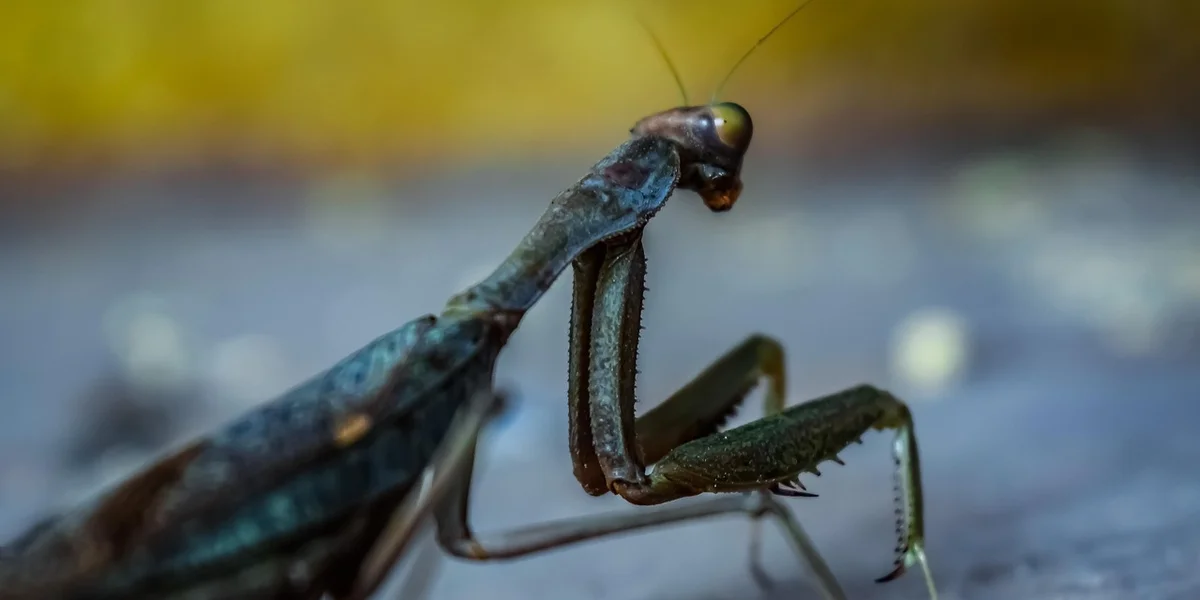
We can offer water to our mantises in several ways, each with its own benefits and considerations. Misting creates tiny droplets that mimic morning dew, water dishes provide a steady source but require careful placement, and natural dew formation relies on enclosure humidity and live plants.
- Misting: Ideal for most species, it encourages drinking from leaves and supports humidity.
- Water dishes: Useful for larger mantises but pose drowning risks if not shallow and monitored.
- Natural dew: Occurs with live plants and proper ventilation, offering a subtle hydration boost.
Observing your mantis’s preferences helps you choose the best method. Many mantises, like my Ghost Mantis Luna, enjoy lapping droplets from foliage after a light spray.
Misting: How and When to Do It
Misting is a gentle way to hydrate your mantis and maintain enclosure moisture. Always use lukewarm, distilled water to avoid chemicals that could harm delicate skin.
- Fill a clean spray bottle with distilled water warmed to room temperature.
- Hold the bottle about 15 centimetres away and spray lightly until small droplets form on leaves and walls.
- Adjust frequency based on your mantis’s species and your home’s humidity levels-tropical types may need daily misting, while others thrive with every other day.
In drier conditions, I mist Moss’s enclosure every other day to keep his emerald skin supple. Watch for your mantis drinking; this confirms the routine is working well.
Using Water Dishes and Other Sources
Water dishes can be helpful but come with cautions. Shallow dishes with pebbles or sponges prevent drowning, as mantises are not strong swimmers.
- Pros: Constant water access, easy to refill, good for larger species.
- Cons: Risk of mold or bacteria if not cleaned often, potential for accidental submersion.
For safer alternatives, try damp substrate like sphagnum moss or include live plants that release moisture. These options create a humid microclimate that supports natural drinking behaviours.
Creating a Custom Hydration Schedule
Building a flexible schedule ensures your mantis stays hydrated without stress. Start with general guidelines, then refine based on daily observations of your pet’s activity and enclosure conditions.
- Monitor your mantis’s behaviour-increased stillness or frequent mouth movements can signal thirst.
- Check humidity with a gauge; aim for 50-70% for most species, adjusting misting as needed.
- Keep a simple log of changes, noting what works best for consistency over time.
I learned with Sprig that a rigid timeline led to missed cues; now, I tweak routines based on her appetite and colour shifts. Your mantis’s unique habits are the best guide for a tailored hydration plan.
Recognizing Dehydration and Health Issues
Dehydration can sneak up quietly, so spotting early signs is key to your mantis’s wellbeing. Common symptoms include lethargy, sunken eyes, and a general lack of vibrancy in movement. For a quick diagnosis, refer to the ultimate mantis health troubleshooting checklist to see if dehydration is the culprit. It guides you through checks on hydration, diet, and enclosure to help explain why your mantis is sick.
Prolonged lack of water may lead to molting failures or weakened immunity. Acting quickly with gentle rehydration steps can prevent serious health declines.
- Gently mist the enclosure to raise humidity and offer accessible droplets.
- Place water on a soft brush or leaf tip for easy drinking if your mantis is too weak to move.
- Observe for improvements over several hours, such as increased activity or normal posture.
If no recovery occurs within a day, consult a specialist for further advice. Early intervention often restores health without lasting effects.
Symptoms of Dehydration
Visual and behavioural clues help identify dehydration before it worsens. Look for wrinkled skin, reduced interest in food, and unusual stillness that lasts hours.
With Sprig, I noticed her pink marbling turned dull before a molt, prompting extra misting. Catching these subtle changes early supports a smooth recovery and healthy growth.
Risks of Prolonged Dehydration
Ignoring dehydration can lead to cascading health issues. Without enough moisture, mantises may struggle to shed old skin, resulting in stuck molts that limit mobility.
Dehydration weakens their ability to hunt and digest prey. Addressing thirst promptly ensures your mantis remains active and resilient through each life stage.
Emergency Rehydration Steps
If your mantis shows severe dehydration, act calmly and methodically. Begin by raising enclosure humidity with a fine mist to create a hydrating environment. Ensure the humidity levels are appropriate for your mantis’s species by setting up the perfect humidity level.
- Spray the enclosure walls and plants lightly, avoiding direct streams on the mantis.
- Use a small paintbrush to offer water droplets near its mouth, encouraging sips.
- Check every few hours for signs of revival, like brighter eyes or slight movement.
Should there be no improvement after 12 hours, seek expert guidance to rule out other issues. Patience and gentle care often bring dehydrated mantises back to health.
Practical Hydration Tips and Setup
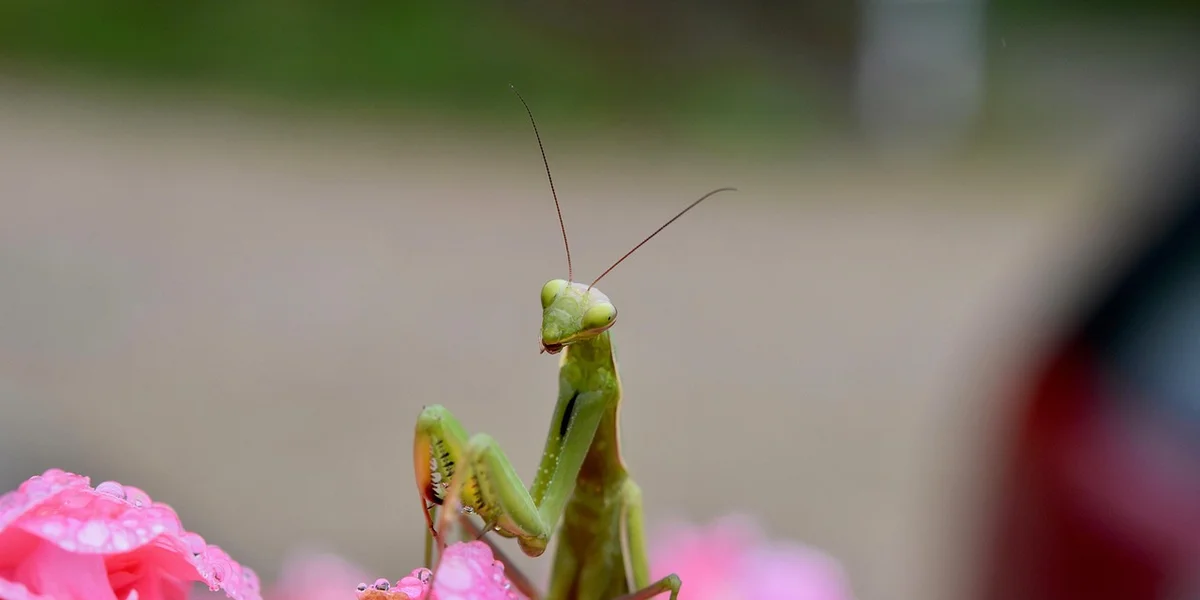
Creating a comfortable home for your mantis doesn’t require fancy equipment—many household items can help maintain the right humidity. We often use a simple spray bottle for misting, which mimics natural dew and keeps the air moist without drenching the enclosure. Temperature and humidity matter for mantis nymphs, so keeping these levels steady is key to their growth.
- Share enclosure setup advice for maintaining stable humidity, using household items if possible.
- Include methods for monitoring and adjusting humidity levels with hygrometers or simple tests.
- Debunk common myths, like mantises not needing water or thriving solely on prey.
Enclosure Setup for Optimal Humidity
Balancing humidity starts with the right foundation in your terrarium. Choosing a substrate like coconut fibre holds moisture well and releases it slowly, preventing sudden dry spells that can stress your mantis.
- Substrate choices: Coconut fibre, sphagnum moss, or peat-based mixes retain water effectively.
- Ventilation adjustments: Use mesh lids or small air holes to allow airflow without losing all humidity.
- Plant additions: Live plants like pothos or ferns add natural moisture and improve air quality.
Here’s a step-by-step guide to set up a terrarium that holds moisture without encouraging mold.
- Start with a layer of moist substrate about 2-3 cm deep at the bottom.
- Add a few pieces of sphagnum moss on top to act as a humidity reservoir.
- Place live plants in pots or directly in the substrate to boost moisture levels.
- Adjust ventilation by covering part of the mesh lid with plastic wrap if humidity drops too low.
- Mist lightly once daily, focusing on plants and sides rather than the mantis directly.
Monitoring and Adjusting Humidity Levels
Keeping an eye on humidity helps you respond before issues arise. A small digital hygrometer gives precise readings, so you can mist more or less based on real data rather than guesswork.
Follow these steps to manage humidity effectively.
- Use a hygrometer for accurate readings-place it at mantis level for the best results.
- Adjust misting or ventilation based on the data; mist more if below 50%, reduce if above 70%.
- Incorporate natural helpers like sphagnum moss, which holds water and releases it slowly.
In my care, Luna’s enclosure stays balanced with weekly checks and slight adjustments to misting. Her ghostly frills stay supple and healthy thanks to consistent humidity around 60%.
Debunking Common Hydration Myths
Many new keepers believe myths that can harm their mantises, so let’s clear things up with evidence. Praying mantises do need direct water access beyond what they get from prey, as relying solely on insects can lead to dehydration in dry conditions. Essential habitat requirements—proper enclosure, temperature, and humidity—are crucial for a healthy praying mantis. Healthy enclosure conditions support hydration and overall well-being.
This table compares common myths with the facts to help you care for your mantis properly.
| Myth | Fact |
|---|---|
| Mantises get all water from prey. | They drink water droplets from misting or surfaces, especially in low-humidity setups. |
| High humidity is always better. | Excess moisture can cause mold and respiratory issues; aim for 50-70% depending on species. |
| Mantises don’t need water in cool weather. | Hydration needs may decrease slightly, but they still require regular misting to prevent dryness. |
Troubleshooting Common Hydration Problems
Even with careful setup, issues can pop up, but most are easy to fix with a few adjustments. Spotting early signs like mold or stress lets you act quickly and keep your mantis comfortable and hydrated.
- Solve issues like mold growth, overwatering, and stress from environmental changes.
- Offer preventive steps for mold and overhydration, with signs to watch for.
- Guide on managing temperature swings that affect hydration, using calming reassurances.
Preventing Mold and Overhydration
Mold thrives in stagnant, wet conditions, but good habits can stop it before it starts. Regular airflow and careful misting prevent mold from taking hold, ensuring your mantis’s home stays fresh and safe.
Follow these steps to avoid mold and overhydration in the enclosure.
- Ensure good airflow by positioning the enclosure in a well-ventilated area, not cramped corners.
- Avoid oversaturating substrate-misting should leave a light dew, not puddles.
- Clean enclosure regularly, removing old food and waste to reduce moisture buildup.
Watch for indicators of overwatering, such as constant dampness on surfaces or your mantis avoiding certain areas. If Moss, my Giant Asian Mantis, stays away from a wet spot, I know it’s time to cut back on misting.
Managing Temperature and Stress
Temperature swings can dry out the air quickly, affecting how much water your mantis needs. Keeping the enclosure away from drafts or direct heat sources helps maintain stable humidity and reduces stress on your pet.
Explain how temperature fluctuations impact hydration needs, and offer simple adjustments.
- Maintain consistency by placing the terrarium in a room with steady temperatures, ideally 20-25°C.
- If it gets too dry, add a shallow water dish or increase misting frequency slightly.
- Move enclosures away from windows, radiators, or air vents to avoid sudden changes.
Sprig, my Orchid Mantis, perks up when the environment is steady, with her pink petals looking vibrant under consistent warmth. A calm, predictable setup makes all the difference in keeping her hydrated and happy.
When to Seek Additional Help
Sometimes, issues persist despite your best efforts, and it’s wise to reach out for support. If your mantis shows persistent signs of dehydration, like lethargy or wrinkled skin, consulting an experienced keeper can provide tailored advice.
Outline scenarios where professional advice is needed and encourage connections.
- Persistent dehydration despite adjustments to misting and humidity.
- Unusual behavior, such as refusing food or staying motionless for long periods.
- Signs of illness, like discoloration or difficulty molting, which might stem from hydration issues.
Don’t hesitate to join online forums or local groups-fellow enthusiasts often share insights that can solve tricky problems. Sharing experiences with others has helped me fine-tune care for all my mantises over the years.
Common Mantis Queries
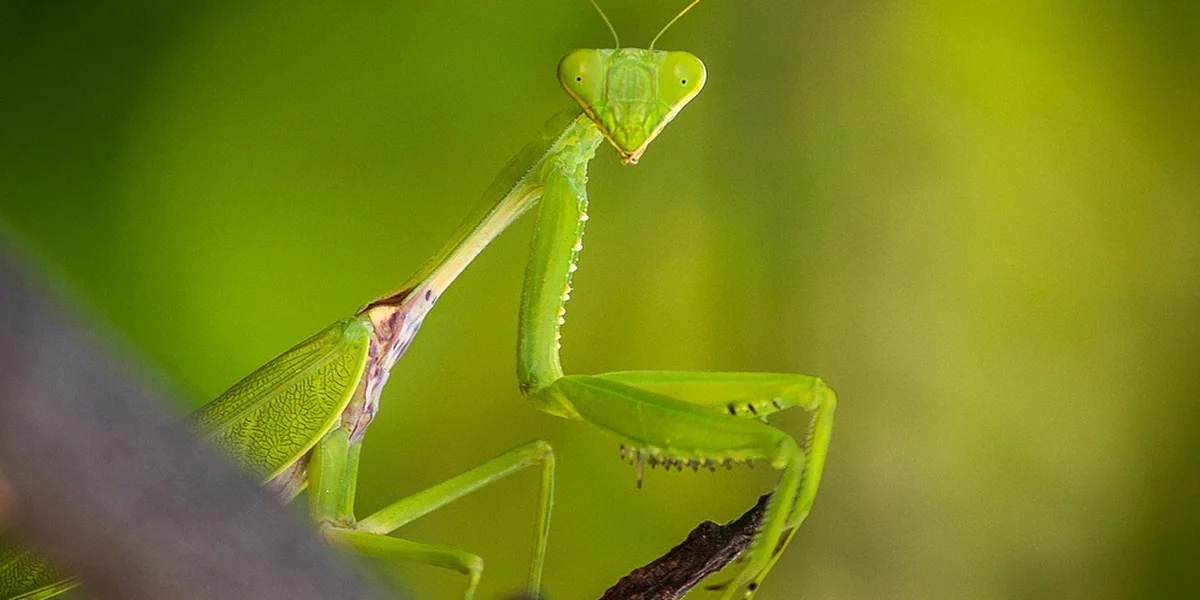
Do mantises drink water?
Yes, praying mantises do drink water by lapping up small droplets from surfaces like leaves or enclosure walls. They rarely use water dishes and prefer this method for hydration. They can also obtain some moisture from the water from their prey, but this is incidental and not a reliable hydration source. In practice, they still rely on external water sources or humidity for proper hydration.
What is the ideal humidity for a praying mantis?
For most species, aim for a humidity level between 50% and 70% to support healthy molting and hydration. Use a hygrometer to monitor and adjust based on your mantis’s behavior and species requirements.
Can dehydration harm a praying mantis?
Yes, prolonged dehydration can lead to serious issues like failed molts and weakened immunity. Addressing it early with proper misting and hydration methods is crucial for your mantis’s well-being. Low humidity is a hidden danger that can silently dehydrate mantises if the enclosure is too dry. Regular humidity checks and misting help prevent these hidden dangers.
Keeping Your Mantis Hydrated and Happy
Regular misting every one to two days, tailored to your mantis’s species and home conditions, ensures they stay properly hydrated. Always use clean, lukewarm water and observe their behavior closely to spot any early signs of thirst.
Caring for a praying mantis means committing to their well-being by monitoring their environment and adjusting as needed. We encourage you to keep exploring mantis care tips and share your experiences with fellow enthusiasts to grow together in this rewarding hobby.
Further Reading & Sources
- How to Take Care of a Praying Mantis (with Pictures) – wikiHow
- What Do Praying Mantis Drink? Sources & Hydration – Biology Insights
- Do Praying Mantis Drink Water? | Keeping Exotic Pets
- Praying Mantis Care Guide | Ely Exotics
Rowan Hale is a lifelong insect enthusiast who fell in love with mantises for their calm presence, alien elegance, and surprising personalities. After years of keeping and raising a variety of species, Rowan shares practical tips, creative insights, and real-world experience to help others enjoy the quiet magic of mantis care. From setting up the perfect enclosure to understanding their subtle behaviors, Rowan invites readers into a gentle, curious world where every tiny movement feels like a discovery.
Temperature and Humidity