
Can Praying Mantises Kill and Eat Birds?
Hello there, mantis friend. Picture a garden scene-a blur of emerald green, a sudden lunge, and a tiny hummingbird caught in a spiky embrace. It sounds like fiction, but this startling event is a rare, documented reality in the natural world.
The direct answer is yes, praying mantises can and do kill and eat birds, although such events are exceptionally uncommon. These are not daily occurrences but remarkable acts of predation that reveal the surprising power housed within a mantis’s slender frame.
The full story is far more complex than a simple yes or no. It involves specific mantis species, opportunistic hunting strategies, and a dramatic clash of two very different kinds of wildlife. Let’s look at the key points we’ll explore.
- Which mantis species are large and bold enough to attempt such a feat.
- The precise hunting technique a mantis uses to subdue avian prey.
- Documented cases and what scientists have learned from them.
- What this behaviour tells us about the mantis’s role in its ecosystem.
Do Praying Mantises Actually Eat Birds?
We often picture mantises snatching flies, but some larger species possess the power and ambition to hunt small birds. Documented cases exist worldwide, primarily involving hefty female mantises from species like the Chinese Mantis and European Mantis targeting hummingbirds at feeders. These events are rare, yet they reveal a startling predatory capacity.
Documented Cases and Evidence
Photographs and videos confirm these encounters. Backyard birdwatchers have captured the moment a mantis grips a hummingbird, refusing to release its prey. Scientists have compiled records showing this behavior occurs more frequently than once assumed, especially in late summer when mantises reach their largest size and birds are abundant.
- Hummingbirds are the most common avian targets due to their small size and attraction to nectar feeders, which are also hunting grounds for patient mantises.
- Other small birds like warblers or finches have also been recorded as prey, typically when they are young or weakened.
- This behavior is almost exclusively observed in the largest mantis species, whose strong forelegs and substantial body mass make such a feat possible.
The Hunting Mechanics of a Bird Predator
For a mantis to succeed, it must execute a perfect ambush. It will station itself near a flower or feeder, remaining utterly motionless for hours. The strike is a lightning-fast deployment of its spiked raptorial forearms, designed to pin and impale the bird instantly. The mantis then begins feeding, often while the bird is still alive, a grim but efficient process.
My own Moss, a robust Giant Asian male, once attempted a strike at a moth nearly his own size; the sheer force and speed were a stark reminder of their latent power. Witnessing such raw predatory instinct firsthand makes the accounts of bird predation entirely believable, if unsettling.
The Carnivorous Nature of Mantises
Mantises are obligate carnivores, meaning their bodies are built to process only animal protein. From the moment they hatch as tiny nymphs, their entire existence revolves around the hunt. They do not eat plants, pollen, or any form of vegetable matter for sustenance. Cannibalism can occur under certain conditions, such as crowded or prey-scarce environments. Understanding their carnivorous nature helps explain these occasional cannibalistic behaviors and their intense predatory drive.
A Hunter’s Instinct from Birth
A newly hatched mantis nymph’s first meal might be a sibling if other food isn’t available. This cannibalistic tendency highlights the powerful, innate drive to consume live prey that defines their life cycle. They are born knowing how to stalk, strike, and hold.
- Ambush is their primary strategy. They rely on impeccable camouflage and patience, waiting for an unsuspecting insect to wander within reach.
- Their vision is key. With large, widely-set compound eyes, they possess exceptional depth perception to judge the exact distance to their target.
- The strike is non-negotiable. Their forelegs unfold in less than a tenth of a second, capturing prey with unerring accuracy.
What Constitutes a Typical Mantis Diet?
In the wild, a mantis’s menu is diverse and opportunistic. They are the ultimate pest controllers, feasting on a wide array of insects that cross their path. Their diet shifts as they grow, allowing them to tackle larger and more challenging meals.
- Nymphs: Fruit flies, aphids, pinhead crickets, and other tiny, soft-bodied insects.
- Subadults: House flies, blue bottle flies, small moths, and medium-sized crickets.
- Adults: Larger crickets, moths, butterflies, beetles, and occasionally, spiders or other mantises.
My Ghost Mantis, Luna, exhibits a more delicate approach, preferring flying moths that she plucks from the air with a quiet precision. Observing your mantis’s preferred prey is part of the joy of keeping them; you learn their individual hunting personalities and can cater to their specific tastes.
Beyond Insects: The Unusual Prey
A mantis’s hunger can lead it to target animals outside the insect class. Their powerful hunting arms and generalist appetite mean they will attempt to catch anything they believe they can subdue and consume. This is not a sign of aggression, but simply their biological programming to eat.
- Small reptiles and amphibians, like tree frogs or anole lizards, are sometimes captured.
- Rodent pups, while extremely rare, have been documented in the diets of the very largest tropical species.
- As we’ve seen, small birds fall into this category of high-risk, high-reward prey.
This dietary flexibility is a testament to their evolutionary success as solitary, apex insect predators that will seize any suitable opportunity for a meal. Providing a varied diet in captivity helps satisfy this natural instinct and keeps your mantis both healthy and engaged.
How Mantises Hunt: Ambush Predators in Action
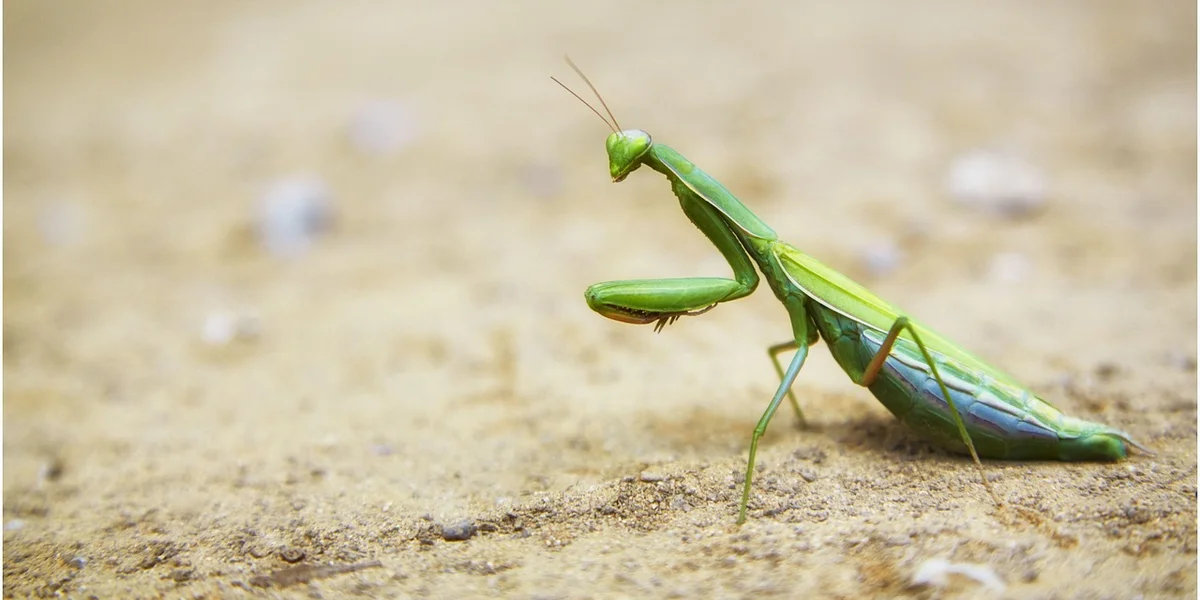
Mantises don’t chase their food. They become part of the scenery. Their entire hunting strategy is built on absolute stillness and explosive speed. They are masters of camouflage, waiting patiently for a meal to wander within reach.
My Ghost Mantis, Luna, demonstrates this perfectly. She’ll perch on a twig, her frilled body looking exactly like a dead leaf. For hours, she won’t move a muscle. Her head swivels slowly, her large compound eyes scanning for the slightest movement.
The Strike: A Blur of Motion
When prey is close enough, the attack is instantaneous. It’s a motion too fast for our eyes to properly follow.
- The Calculation: The mantis tilts its head, triangulating the exact distance to its target.
- The Lunge: Its entire front body shoots forward, propelled by its powerful mid-legs.
- The Grab: Its spiked forelegs, called raptorial legs, snap out and impale the prey.
- The Hold: Those sharp spines lock the victim in a vice-like grip from which there is no escape.
Once caught, the mantis begins eating its prey while it is often still alive. This might seem brutal, but it is the most efficient way for them to consume nutrients without losing their catch. They start with the head and soft tissues, working their way methodically through the body.
Why Mantises Might Target Birds
While insects are their primary diet, a mantis is an opportunistic predator. This means if something edible and manageable comes within range, it is a potential meal. Birds, particularly small, young, or vulnerable ones, fit this description under the right conditions. If you’re curious about a complete diet, the complete diet feeding guide explains what to feed and how often. It also covers safe prey choices and portion sizes for both wild and captive mantises.
The Perfect Conditions for an Avian Ambush
A mantis will consider a bird for two main reasons: size and circumstance. A large female mantis can easily overpower a creature two to three times her own size. My Giant Asian mantis, Moss, is only about three inches long, but his confidence and power are immense.
- Size Disparity: Large mantis species, like the Chinese or African Mantis, regularly grow over four inches long. A hummingbird or a fledgling sparrow is not much larger than their typical large grasshopper prey.
- Overlapping Territory: Mantises often hunt in gardens and near feeders where small birds congregate. A hummingbird hovering at a flower is a perfect, stationary target.
- Opportunity: A fledgling bird that has just left the nest is slow, clumsy, and often rests in low bushes-exactly where a mantis hunts.
- Instinct: A mantis does not differentiate between a bird and a large insect. It sees movement and size. If the moving object is within its strike zone and seems catchable, it will attack.
The decision to strike is a simple, instinctual calculation of risk versus reward. The mantis assesses whether it can successfully grapple with the animal. A healthy adult bird is usually too strong and fast, but a smaller, weaker, or distracted bird is a different story.
The Reality of the Encounter
These events are rare, but they are documented. They are a testament to the raw predatory power contained within these seemingly delicate insects. It is not a common part of their diet, but rather a dramatic demonstration of what they are capable of when the opportunity arises. For a pet mantis owner, it underscores the importance of understanding the sheer strength and hunting drive of your captive-bred insect, even if its meals are typically smaller feeder insects.
Implications for Pet Mantis Care
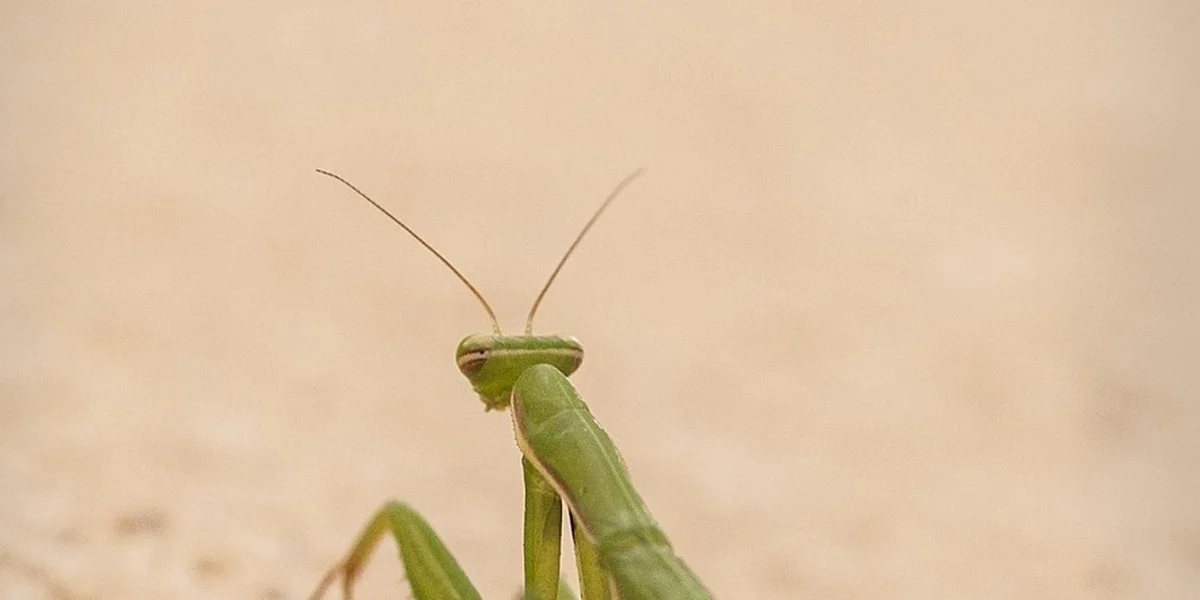
Knowing that some mantises can catch birds changes how we approach their daily care. We focus on creating secure, species-appropriate habitats that prevent any risky encounters with larger animals. For a naturalistic, safe habitat for your praying mantis, choose sturdy enclosures with natural foliage and climbing structures. This kind of setup mirrors its wild environment and helps reduce stress. This isn’t just about the mantis’s safety—it’s about ensuring a peaceful environment for all your pets.
Enclosure Safety and Setup
A well-designed enclosure is your first line of defense. Choose a terrarium with fine mesh ventilation to stop your mantis from squeezing through or reaching out. We’ve found that taller enclosures with plenty of vertical climbing space reduce boredom and hunting frustration. When choosing an enclosure, consider the species you plan to keep. Different mantis species have distinct space and environmental needs.
- Use locking lids or secure clips to prevent escapes.
- Position the habitat away from open windows or bird cages.
- Include soft, flexible plants and branches to mimic their natural perch points.
When we set up Luna’s home, we used a mix of dried twigs and artificial leaves to give her that gentle, leafy camouflage she loves. This kind of enrichment helps satisfy their instinct to hunt without encouraging them to target unsuitable prey.
Handling and Observation
Handling a mantis that could theoretically tackle a small vertebrate requires a calm, mindful approach. Always wash your hands before and after interaction to avoid transferring scents or residues. Move slowly and let the mantis step onto you rather than picking it up.
- Approach from the front so your mantis sees you coming.
- Offer your hand as a steady platform, not a grasping tool.
- Limit handling to short, quiet sessions to keep stress low.
Moss, our energetic Giant Asian, sometimes gets a bit too curious about moving fingers. We redirect that energy by offering a cricket on tweezers, which keeps his focus on appropriate meals.
Diet and Feeding Practices
Stick to a diet of insects like fruit flies, crickets, and moths for most pet mantises. Feeding vertebrates is unnecessary and can introduce health risks or aggressive behaviors. Even large species thrive on a varied insect diet when portions are right.
- Match prey size to your mantis’s body length-no larger than its head.
- Offer food every two to three days for adults, adjusting based on activity.
- Remove uneaten prey to avoid stress or injury to your mantis.
Sprig, our dainty Orchid Mantis, would never attempt a bird, but she still enjoys the thrill of catching a flying moth. Providing live, flying insects now and then can fulfill their predatory instincts safely.
Large Mantis Species and Vertebrate Predation
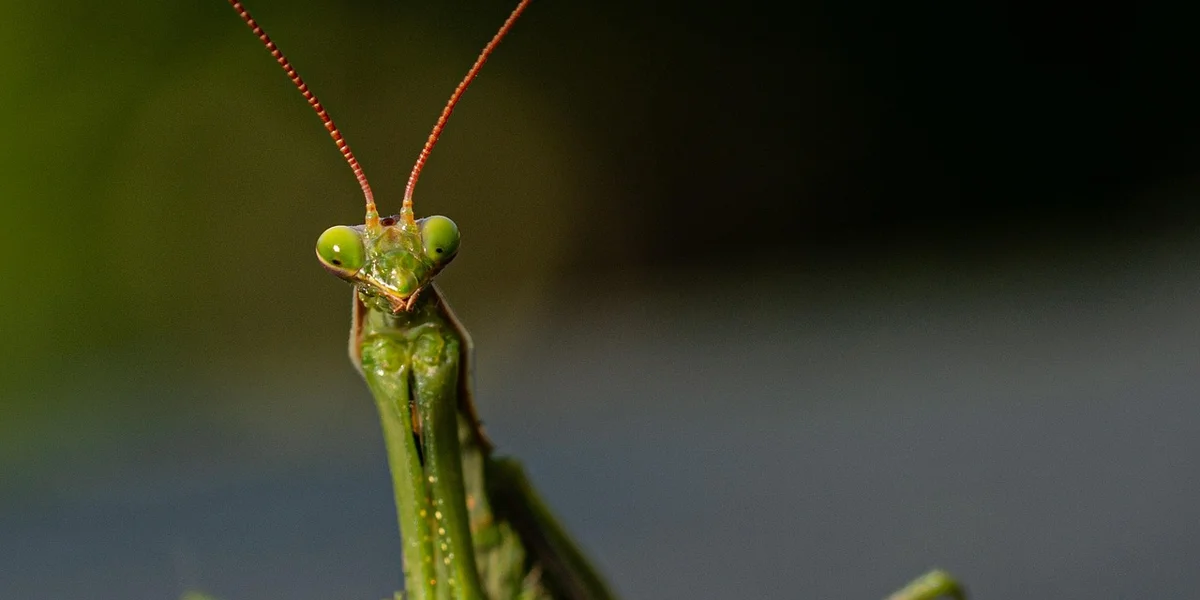
Certain mantis species have the size and strength to occasionally prey on small vertebrates. These larger mantises often come from tropical or subtropical regions where bigger prey is available. Understanding which species fall into this category helps us tailor their care more precisely.
Common Large Species
Here are a few mantises known for their vertebrate predation tendencies. Their robust builds and aggressive hunting styles make them fascinating but demanding pets.
| Species | Typical Size | Notable Traits |
|---|---|---|
| Chinese Mantis | Up to 4 inches | Voracious appetite, will tackle small lizards or hummingbirds in the wild. |
| Giant Asian Mantis | 3-4 inches | Powerful grip; known for taking down small frogs or mice in rare cases. |
| African Mantis | 2-3 inches | Less likely to hunt vertebrates but still capable with larger insects. |
Moss, our Giant Asian male, has that vivid green colour and a relentless curiosity. We keep his enclosure stocked with sturdy branches because he loves to climb and survey his domain from up high.
Care Adjustments for Larger Mantises
Owning a large mantis means tweaking your routine to match their powerful nature. Upgrade to a more spacious enclosure with reinforced mesh to withstand their stronger grips. These species often need more frequent feeding and closer monitoring during interactions.
- Provide a humidity level of 60-80% to support their larger bodies.
- Use a heat lamp to maintain a warm basking spot around 80°F.
- Include hiding spots to reduce stress and encourage natural behaviors.
We learned with Moss that a bigger water dish and daily misting keep his skin supple during molts. Large mantises can struggle with dehydration, so we watch for any signs of lethargy or difficulty shedding.
Comparing Large and Small Species
Smaller mantises like Ghost or Orchid types rarely pose any risk to vertebrates. Their delicate frames and slower movements make them better suited for communal or beginner setups. Luna, our Ghost Mantis, spends her days perched like a quiet leaf, waiting for tiny flies to wander by.
- Large species need more space and robust furnishings.
- Small species thrive in planted terrariums with fine netting.
- Adjust feeding schedules-larger mantises may eat more often.
Choosing the right species depends on your experience and comfort level. We always recommend starting with a smaller mantis if you’re new to this hobby, as their care is simpler and less intense. For beginners, choosing the right mantis species is essential to a smooth start. Look for docile species with straightforward care requirements, and avoid more demanding varieties until you’re confident.
Ethical and Practical Tips for Mantis Owners
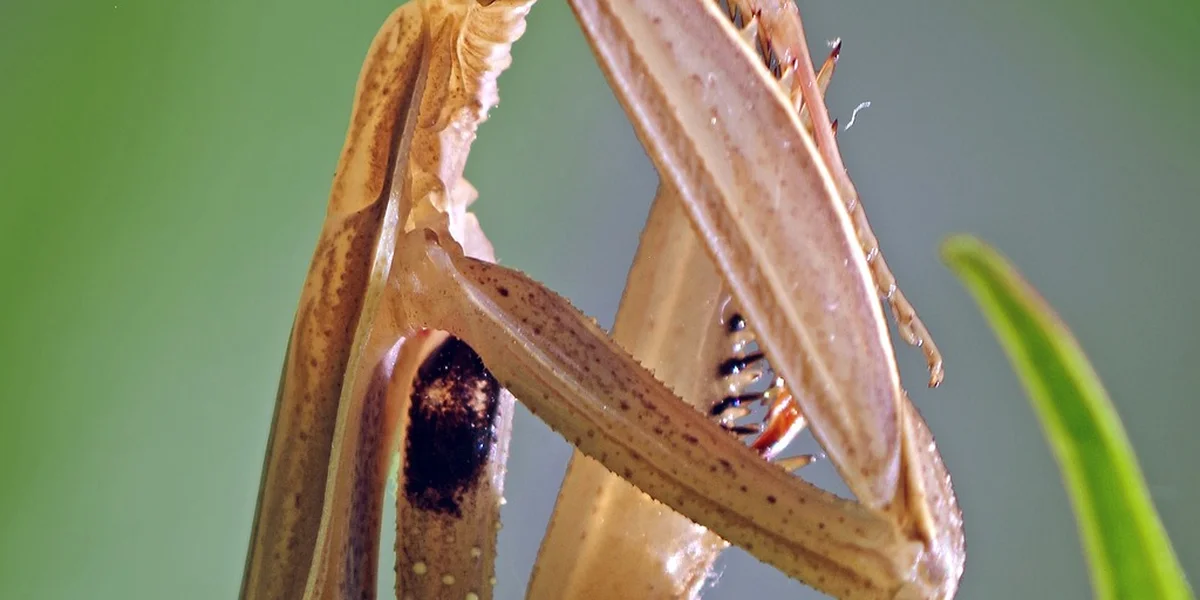
As mantis keepers, we must thoughtfully balance their wild instincts with compassionate care. Providing a safe, enriching environment ensures your mantis thrives without harming other animals.
Observing your mantis’s natural behaviors, like the slow, deliberate stalk of prey, reminds us of their predatory nature. We can channel these instincts ethically by offering appropriate food sources that mimic their wild diet.
Ethical Feeding Practices
Feeding birds to mantises raises concerns about animal welfare and practicality. Stick to insect-based diets to meet nutritional needs while avoiding unnecessary stress on birds. In the ultimate guide to gut loading feeder insects for mantises, you’ll learn how to boost prey nutrition through gut loading. This approach helps mantises receive balanced nutrients while keeping feeding humane and practical.
- Offer live insects like crickets or flies sized to your mantis’s body.
- Avoid using wild-caught birds, which may carry diseases or suffer during capture.
- Monitor feeding sessions to prevent over-hunting and ensure your mantis eats safely.
With Luna, my Ghost Mantis, I’ve found she’s perfectly content with small moths and fruit flies. Regular, varied insect meals keep her healthy and reduce any urge to seek larger prey.
Secure Enclosure Setup
A well-designed habitat prevents escapes and protects local wildlife. Choose enclosures with fine mesh or ventilated lids to contain your mantis while allowing airflow.
- Inspect the enclosure daily for gaps or weak spots where a mantis might slip out.
- Position the habitat away from open windows or outdoor areas frequented by birds.
- Add natural elements like twigs and leaves to create climbing spaces that satisfy hunting urges safely.
I recall Moss, my Giant Asian Mantis, once testing the lid with his curious climbs. Reinforcing the enclosure with a sturdy latch gave me peace of mind and kept him secure.
Behavioral Monitoring and Adjustments
Watch for signs of restlessness or heightened hunting behavior in your mantis. Adjust feeding schedules or enclosure enrichment if you notice increased aggression.
- Note how often your mantis stalks or strikes at objects-this can indicate hunger or boredom.
- Introduce new perches or hiding spots to stimulate natural behaviors without risk.
- Keep a simple journal to track feeding habits and any changes in demeanor.
Sprig, my Orchid Mantis, perks up with fresh foliage in her tank. Small changes in her environment often curb any interest in larger, unsuitable prey.
Misting the enclosure lightly each morning mimics dew and keeps humidity ideal. This routine not only supports molting but also distracts from potential hunting outside the tank.
Questions from Fellow Mantis Friends
What do mantises eat?
Mantises are obligate carnivores that primarily consume live insects. Their diet ranges from small fruit flies for nymphs to larger prey like moths and crickets for adults. Some sources present a comprehensive list of insect prey observed in the wild, reflecting their generalist hunting habits. The exact items vary by species and habitat.
Are mantises carnivorous?
Yes, mantises are strictly carnivorous and do not eat any plant matter. Their bodies are built to hunt and process animal protein from the moment they hatch. If a mantis eats a poisonous insect, the outcome can vary. Some toxins may cause illness, while others may have little effect.
How do mantises catch birds?
They use a perfect ambush strategy, remaining motionless for hours before striking with lightning-fast raptorial forearms. This technique pins and impales the bird, allowing the mantis to begin feeding immediately.
Caring for Your Mantis Companion
Whilst praying mantises might rarely target small birds, this behaviour is uncommon in well-managed enclosures. Male mantises, like females, rely on camouflage and quick reactions to avoid being eaten; in well-managed enclosures, predation risk is typically low. We always recommend feeding them suitable insects like crickets or fruit flies to maintain their health and prevent risky interactions.
As dedicated keepers, we must stay curious and informed about our mantis’s evolving needs. Observing pets like our own Moss teaches us to adapt and provide thoughtful, attentive care throughout their lives.
Further Reading & Sources
- r/birding on Reddit: Would a preying mantis attack hummingbirds?
- Praying Mantises Catch and Eat Birds Alive [Video] – Scientific American Blog Network
- Bird Predation By Praying Mantises: A Global Perspective
- Praying Mantis vs. Hummingbird | Audubon
Rowan Hale is a lifelong insect enthusiast who fell in love with mantises for their calm presence, alien elegance, and surprising personalities. After years of keeping and raising a variety of species, Rowan shares practical tips, creative insights, and real-world experience to help others enjoy the quiet magic of mantis care. From setting up the perfect enclosure to understanding their subtle behaviors, Rowan invites readers into a gentle, curious world where every tiny movement feels like a discovery.
Feeding