
What Happens if a Praying Mantis Eats a Poisonous Insect?
Published on: January 24, 2026 | Last Updated: January 24, 2026
Written By: Rowan Hale
Hello, mantis friend.
Picture this: your mantis has just pounced on a brightly coloured insect in the garden, and a wave of worry hits you. Was that a risky meal?
If a mantis eats a poisonous insect, the outcome can range from no effect at all to severe illness or death, depending on the type and amount of toxin ingested.
The reality is far from simple, as a mantis’s resilience depends on its species, size, and the specific poison involved.
We will explore the delicate balance between a mantis’s natural defences and the hidden dangers of toxic prey.
Here is a quick look at what we will cover:
- How a mantis’s digestive system can sometimes neutralise certain toxins.
- The critical difference between poisonous insects and merely bitter-tasting ones.
- Immediate steps to take if you suspect your mantis has eaten something harmful.
- A practical list of common garden insects to avoid offering as food.
Are Praying Mantises Poisonous or Venomous?
-
Poisonous creatures harm you if you eat or touch them, while venomous ones inject toxins through bites or stings—praying mantises do neither. They are pure predators, using their sharp forelegs to grab prey without any toxic traits, so you can observe them up close without worry. For safety, remember that praying mantises are not venomous or poisonous to humans or pets; they can bite if mishandled, but injuries are usually minor, so observe from a distance and avoid grabbing them.
-
Your pet mantis is completely safe to handle and poses no poison risk to you, your family, or other animals. The real concern comes from what they might eat, as some wild insects carry toxins that could affect your mantis if consumed. These factors tie into the broader question of whether praying mantises are good pets, and they help explain the pros and cons to consider.
-
Mantises defend themselves through masterful camouflage and stillness, not poison. My Ghost Mantis, Luna, for example, mimics a crumpled leaf so well that she vanishes into her surroundings, relying on stealth over any chemical defenses.
Do Mantises Naturally Eat Poisonous Prey in the Wild?
-
In the wild, mantises occasionally prey on toxic insects like monarch butterflies or milkweed caterpillars, which store bitter compounds from their host plants. These prey items can cause digestive upset or worse, but mantises might still attempt to eat them when options are limited.
-
Ecological balance means mantises take calculated risks with toxic prey, often driven by hunger or inexperience. Predator-prey dynamics show that while mantises learn to avoid repeat offenders, they might sample dangerous insects in a pinch, highlighting nature’s push-and-pull.
-
Aposematic coloration-vivid hues like the bright orange of monarchs-acts as a natural warning sign to predators. We see this in our gardens, where bold colours signal “stay away,” and observant mantises may hesitate before striking such visually alarming prey.
What Effects Do Toxins Have on a Mantis After Ingestion?
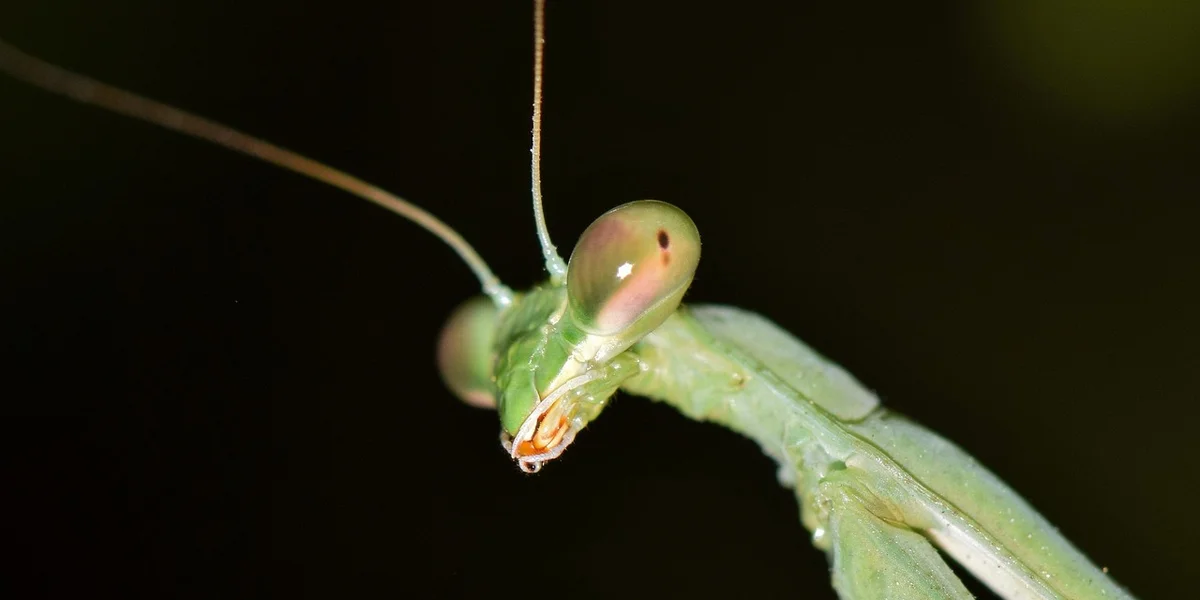
Watching a mantis eat something questionable can feel like a slow-motion alarm. You might notice subtle shifts in their behavior long before any dramatic collapse happens. Their usual sharp alertness fades into a quiet stillness that feels different from normal resting.
Recognizing the Warning Signs
Keep a close eye on your mantis for these physical and behavioral changes after a risky meal.
- Lethargy and Weakness: They may stop climbing, hang lower in the enclosure, or move with unusual sluggishness.
- Digestive Upset and Vomiting: Regurgitation is a clear distress signal. You might see dark, foul-smelling liquid around their mouth or on leaves.
- Loss of Appetite: A healthy mantis is usually eager to hunt. Refusing food for days after a meal is a concern.
- Uncoordinated Movements: They might miss strikes, stumble, or have trouble gripping branches properly.
- Abdominal Discoloration: A darkened or strangely colored abdomen can indicate internal issues.
The Specific Danger of Cardiac Glycosides
Insects like monarch caterpillars feed on milkweed, which contains potent cardiac glycosides.
These toxins interfere with the sodium-potassium pumps in muscle cells, including the heart. For a small creature like a mantis, even a tiny dose can disrupt their delicate internal rhythm and energy production. We once saw our Ghost Mantis, Luna, become profoundly still for nearly 48 hours after catching a small monarch caterpillar. She recovered, but her usual graceful movements were replaced by a fragile, almost shaky posture that was heartbreaking to witness.
How Do Mantises Process and Tolerate Toxins Internally?
A mantis doesn’t just helplessly succumb to every poison it encounters. Their digestive system is a fascinating first line of defense, equipped with powerful enzymes designed to dismantle troublesome compounds. Think of it as a biological processing plant working to neutralize threats.
The Internal Detox Process
Here’s a breakdown of what happens inside your mantis after a toxic meal.
- Initial Enzymatic Attack: Specialized gut enzymes immediately begin breaking down the toxic molecules, trying to render them harmless.
- Selective Absorption: The gut lining carefully filters nutrients, sometimes blocking the absorption of larger toxin molecules.
- Rapid Excretion: If the system is overwhelmed, the mantis may vomit or pass the toxins through its system as quickly as possible.
Toxin Accumulation and Sequestration
Some mantis species have developed a remarkable survival strategy. Instead of expelling all toxins, they can sequester specific compounds within their own bodies, making themselves distasteful or poisonous to predators. This isn’t universal, and the tolerance level varies dramatically between species, unlike how male praying mantises often rely on different tactics to avoid predation.
- Species-Specific Tolerance: Hardy species like the Giant Asian Mantis often handle toxins better than more delicate ones like Orchid Mantises.
- Immune Response: A healthy mantis with a strong immune system can produce counter-enzymes to combat certain poisons more effectively.
- Age and Size Factor: Larger, adult mantises generally have a better chance of surviving a toxic dose than tiny nymphs.
Our male Giant Asian, Moss, once ate a brightly colored and likely toxic moth with no ill effects, a testament to his robust constitution. This built-in resilience is why some mantises survive encounters that would be fatal to other insects, but it’s never a guarantee. Providing a safe, controlled diet is always the wisest choice for their long-term health.
What Should You Do If Your Pet Mantis Eats a Poisonous Insect?
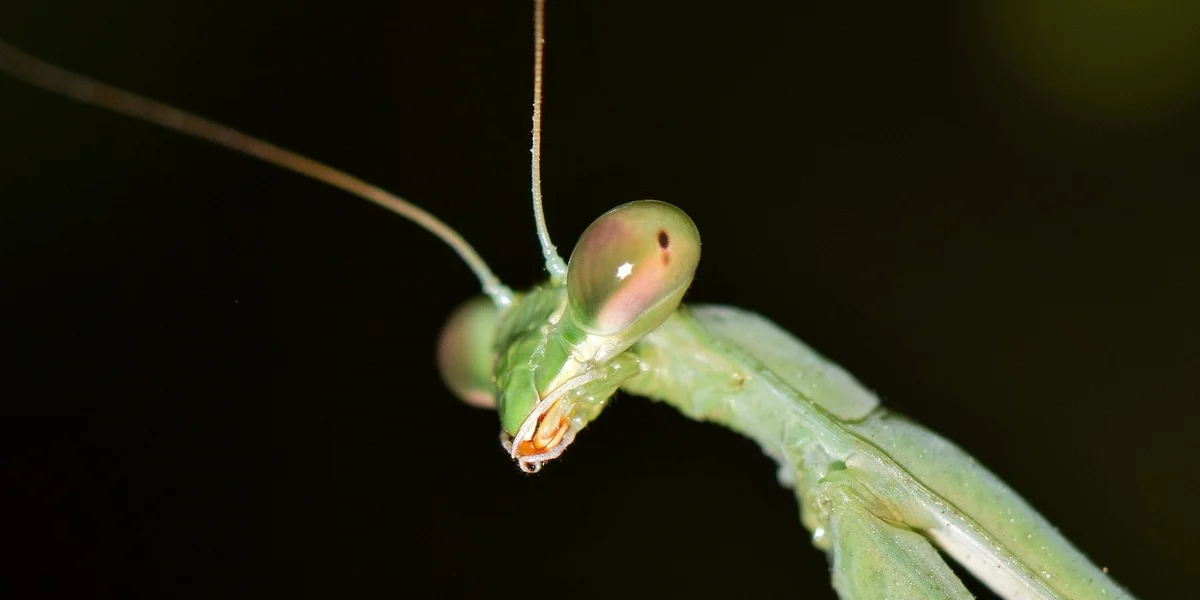
When your mantis nibbles on something toxic, it can feel worrying, but staying composed helps you respond effectively. Quick, calm actions often support their natural resilience and aid recovery.
- Observe for signs of distress, such as unusual behavior or physical changes. Watch for lethargy, twitching, or loss of appetite-my Ghost Mantis Luna once slowed right down after a dubious meal, so I kept a close eye on her movements and colour.
- Provide supportive care: ensure hydration by misting the enclosure with warm water, maintain ideal habitat conditions like steady warmth and humidity, and avoid stress by limiting handling. A peaceful, moist environment lets your mantis focus on healing without extra strain.
- Seek expert advice if symptoms worsen, noting when to contact a vet specializing in insects. If issues like vomiting or weakness persist beyond a day, reach out to a professional who understands invertebrate care for tailored guidance.
We find that gentle monitoring and a stable home make all the difference. Your attentive care gives your mantis the best chance to bounce back naturally.
How Can You Prevent Your Mantis from Eating Toxic Prey?
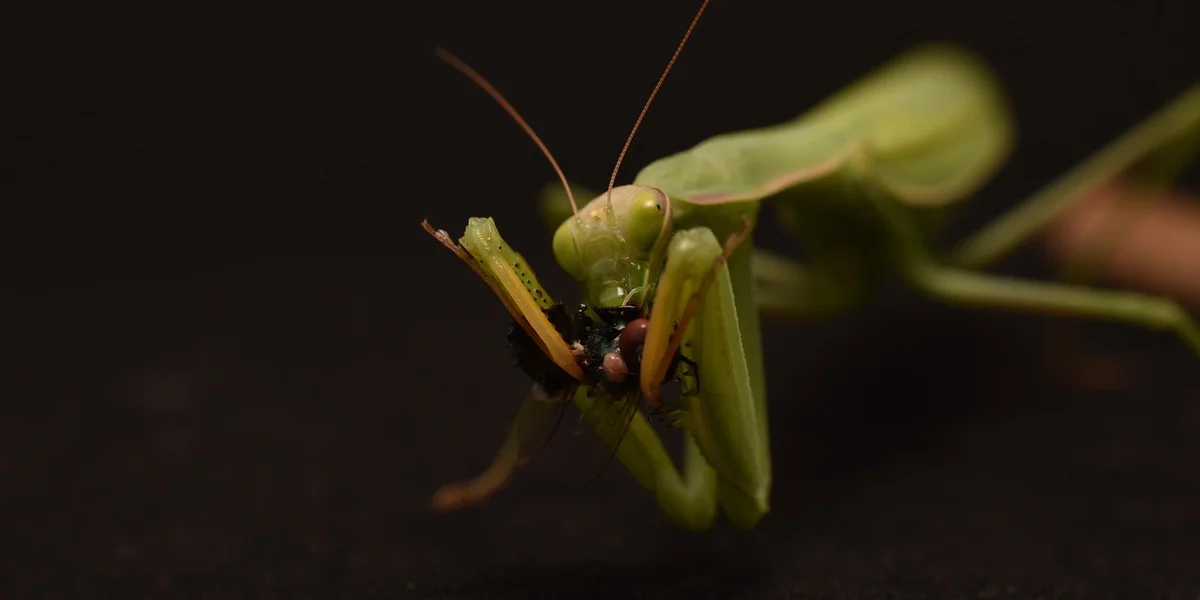
Stopping problems before they start keeps your mantis safe and sound. Feeding wisely from trusted sources shields your pet from hidden dangers in their diet.
- List safe and unsafe feeder insects, emphasizing avoidance of wild-caught prey from areas with milkweed or similar plants. Safe picks include captive-bred crickets and fruit flies, whilst risky ones are butterflies or beetles from gardens where toxic plants grow. Sticking to known safe insects prevents accidental poisoning from contaminated prey.
- Suggest reliable sources for captive-bred food to reduce predation risk. Buy from reputable pet shops or online breeders who raise feeders in clean, controlled settings-this way, you know exactly what your mantis is eating.
- Offer tips on identifying poisonous insects through coloration and habitat cues. Bright reds, oranges, or yellows often signal toxicity, and insects near plants like milkweed or nightshade are best avoided. Learning these visual clues helps you spot and steer clear of potential hazards.
We always double-check feeders and habitats to build a secure routine. Your mindful choices create a thriving, toxin-free life for your mantis. To support a naturalistic, safe habitat for your praying mantis, design the enclosure to mimic its native environment. This natural setup helps reduce stress and encourages natural behaviors.
Understanding Mantis Defense and Prey Interactions
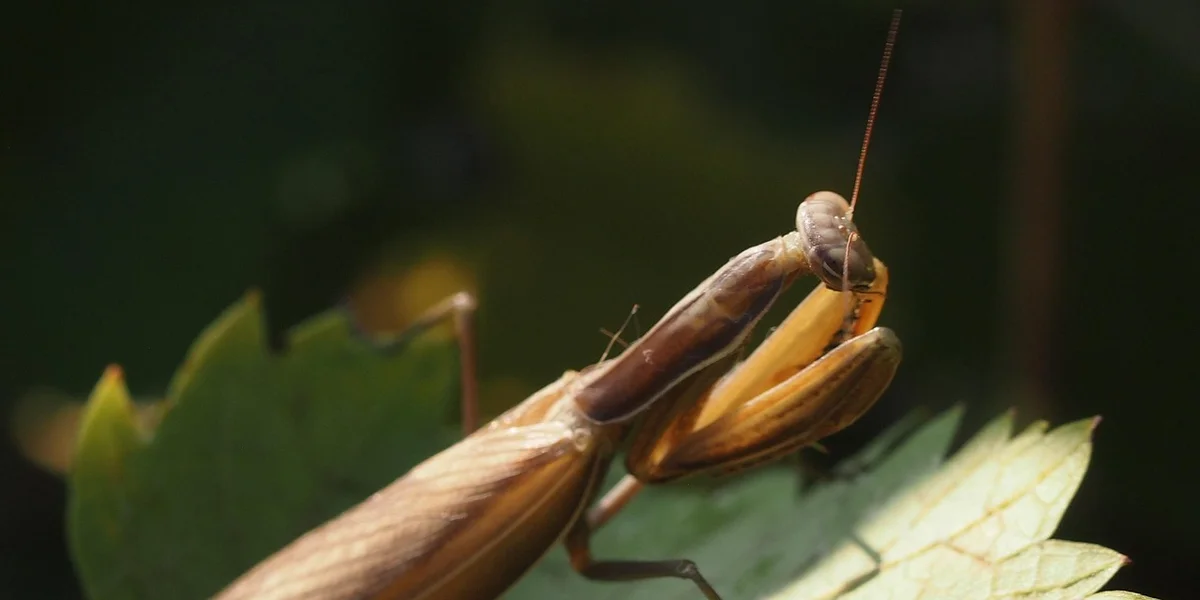
Mantises rely on cunning and agility rather than chemical defenses to stay safe. They use stealthy camouflage and lightning-fast strikes to capture prey, carefully avoiding insects that might carry toxins. These tricks also help defend them. When threatened, mantises rely on camouflage and quick, startling movements to deter predators. Imagine your mantis perched like a delicate statue, its body perfectly still amidst leaves, waiting for the right moment to pounce without engaging in risky confrontations.
Defense chemicals in prey, such as the bitter tastes in some beetles or the bright warning colours of others, play a big role in what mantises choose to eat. These natural signals help mantises make smarter feeding decisions, which supports a balanced ecosystem by preventing overpopulation of certain species. In our terrariums, this means a mantis might ignore a vividly patterned insect, instinctively knowing it could cause harm.
We’ve noticed distinct behaviour shifts when mantises encounter prey with clear warning signs. For instance, my Giant Asian Mantis, Moss, often pauses and tilts his head curiously before backing away from anything with bold markings, showing how they learn to associate visual cues with danger. You might see your own mantis become more cautious or even retreat, a gentle reminder of their innate wisdom in navigating their world. This vigilance also ties into how they hunt and judge depth as they stalk prey, choosing ambush positions and timing their strike with precise control. Mantises rely on sharp depth perception to close the distance and launch a swift, accurate attack when the moment is right.
Questions from Fellow Mantis Friends
What is the difference between poisonous and venomous in insects?
Poisonous insects harm predators when ingested or touched, while venomous ones inject toxins through bites or stings. Mantises are neither, relying on physical traits for hunting and defense instead. The praying mantis is a well-known example of this predatory insect. It relies on raptorial forelegs and camouflage to catch prey, not toxins.
Are there poisonous mantis species?
No known mantis species are poisonous, as they do not produce or store toxins in their bodies. They depend on camouflage and agility to avoid predators rather than chemical defenses. Learn more about their predators.
Can mantises poison humans?
Mantises cannot poison humans because they lack any venom or poisonous substances. Handling them is safe and poses no risk of toxicity to people or pets. For households with cats, keep mantises in a secure enclosure away from curious felines. While not dangerous to people, a defensive mantis can pinch if mishandled, so pet owners should ensure they cannot reach the enclosure.
Your Mantis’s Safety in Your Hands
We always recommend feeding captive-bred insects to sidestep any risk of poisoning from wild prey. Should your mantis ever consume something harmful, quick isolation and a calm environment are your best first responses to support its recovery. Feeding them the right food is crucial to their health.
Being a thoughtful mantis keeper means making informed choices every day to protect your delicate companion. Embrace the journey of learning; the more you understand their unique needs, the more confidently you can provide a safe, enriching home.
Further Reading & Sources
- The praying mantis is a predator: Lifeform of the week
- r/insects on Reddit: Are Mantises dangerous?
- Are Praying Mantises Poisonous? Do They Bite? What to Know About This Mysterious Insect
- Praying Mantis are Deadly to Their Prey
Rowan Hale is a lifelong insect enthusiast who fell in love with mantises for their calm presence, alien elegance, and surprising personalities. After years of keeping and raising a variety of species, Rowan shares practical tips, creative insights, and real-world experience to help others enjoy the quiet magic of mantis care. From setting up the perfect enclosure to understanding their subtle behaviors, Rowan invites readers into a gentle, curious world where every tiny movement feels like a discovery.
Common Health Issues