
Where Do Different Mantis Species Live?
Hello, fellow mantis enthusiast! Have you ever spotted a mantis clinging to a garden stem and wondered about the wild places it might call home?
Mantis species live across the globe in habitats as diverse as steamy rainforests, sun-scorched deserts, and cozy urban gardens, each adapted to thrive in its own little world.
Yet, this simple answer hides a rich tapestry of life, with over 2,400 species carving out niches in everything from dense foliage to sparse shrublands.
We will guide you through the key insights:
- Major habitat types and the species that love them
- Unique adaptations that help mantises survive
- How to mirror these natural settings in your own care
An Introduction to Mantis Habitats and Pet Care Connections
Why Habitat Knowledge Matters for Your Pet Mantis
When we first welcomed Luna, our Ghost Mantis, into our home, her delicate frills and slow movements reminded us of the shaded, humid forests she hails from in Southeast Asia. By understanding where your mantis naturally lives, you can recreate those conditions to support their health and happiness in captivity. This knowledge helps prevent stress during molting, encourages natural hunting behaviors, and reduces the risk of illness.
We’ve seen how Moss, our energetic Giant Asian Mantis, thrives when his enclosure mimics the warm, leafy canopies of his native habitat. Tailoring your care to match their wild environment means fewer surprises and a more content pet. Think of it as learning their language-the soft rustle of leaves or the gentle mist they’re used to tells you what they need.
- Better feeding success: Species from dense forests may prefer live prey that moves slowly, while grassland mantises might go for quicker insects.
- Improved molting: High humidity habitats, like those for orchid mantises, require consistent misting to help with smooth skin shedding.
- Enhanced comfort: Mimicking natural light and temperature cycles keeps your mantis calm and active.
Key Terms: Mantis Distribution and Habitat Types
Getting familiar with these terms makes it simpler to dive into care guides and species profiles. Distribution refers to where mantis species are naturally found across the globe, from tropical regions to temperate zones. Habitat types describe the specific environments they call home, influencing everything from diet to daily behavior.
We often use these ideas when setting up enclosures for Sprig, our shy Orchid Mantis, who loves the warm, flower-rich areas she’d find in Malaysia. Knowing these basics helps you choose the right species for your home and climate. It’s like having a map to guide your pet-keeping journey.
- Distribution: The geographic range where a species lives, such as the European Mantis across Europe and parts of Asia.
- Habitat Types: Categories like tropical rainforests, arid deserts, or grassy meadows, each with unique humidity, temperature, and plant life.
- Adaptations: Traits mantises develop to survive, such as camouflage colors or hunting strategies suited to their surroundings.
Global Mantis Distribution: Continents and Native Species
Mantis Populations Across the World
Mantises have spread to nearly every continent, adapting to local conditions with remarkable variety. From the vibrant green Giant Asian Mantis in Southeast Asia’s forests to the sturdy Carolina Mantis in North American gardens, each species tells a story of evolution and survival. We’ve found that exploring these global homes adds depth to how we care for our own mantises, like Moss who mirrors the energetic life of his Asian roots.
In Africa, the African Mantis thrives in savannas, while South America hosts colorful species like the Peruvian Leaf Mantis in its lush rainforests. This diversity means there’s a mantis for almost every keeper, whether you prefer tropical warmth or cooler temperate settings. Observing these patterns helps us appreciate why some species do better in certain enclosures.
- Asia: Home to species like the Ghost Mantis and Giant Asian Mantis, often found in humid, wooded areas.
- Africa: Includes the African Mantis, adapted to drier, open grasslands with plenty of sunlight.
- Americas: Features the Carolina Mantis in the United States and the vibrant Orchid Mantis in Central and South America.
- Europe: The European Mantis is common in meadows and gardens, tolerating cooler climates.
- Australia: Native species like the Australian Green Mantis prefer warm, coastal regions.
Climate Zones and Mantis Adaptability
Mantises are masters of adjusting to different climates, from the steamy heat of tropical zones to the mild shifts in temperate areas. Their ability to blend in with local flora and alter their behavior means they can thrive in varied conditions, something we see in pets like Luna who handle humidity changes with ease. By studying these adaptations, you can fine-tune your care to match their natural rhythms.
For instance, species from arid regions might need less misting, while those from rainforests demand daily humidity boosts. We’ve learned that paying attention to climate zones prevents common issues like dehydration or poor molting in captivity. It’s all about creating a mini-ecosystem that feels like home, with the earthy scent of damp soil or the gentle warmth of a simulated sun.
- Tropical Zones: High humidity and consistent warmth suit species like the Orchid Mantis; use regular misting and heat mats.
- Temperate Zones: Moderate seasons work for European Mantises; provide seasonal temperature variations in enclosures.
- Arid Zones: Low humidity areas home to desert mantises; focus on dry substrates and minimal water sources.
- Adaptations: Camouflage colors change with habitat, and hunting styles vary-forest dwellers may wait patiently, while grassland species actively pursue prey.
Diverse Mantis Habitats: From Lush Forests to Arid Deserts
Life in Forest Environments
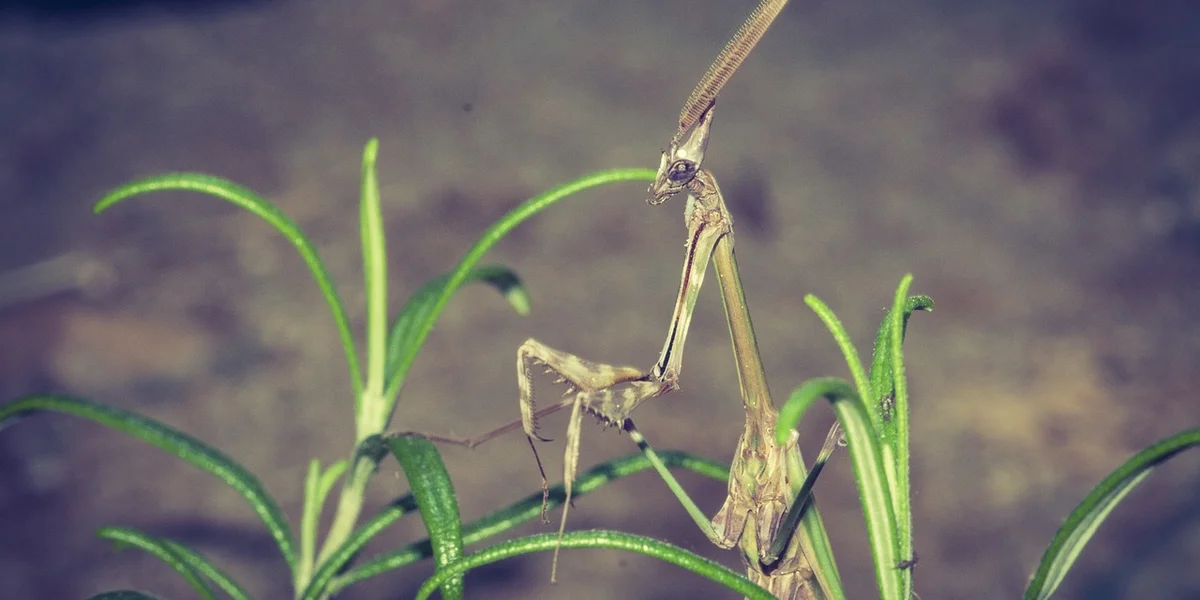
In dense forests, mantises like our Orchid Mantis, Sprig, blend seamlessly among blossoms and leaves. Their delicate pink and white bodies mimic flower petals, allowing them to ambush prey in the humid, shaded undergrowth. We often find them perched on twigs, moving slowly to avoid detection in this rich, layered world.
Forest-dwelling species thrive where moisture hangs in the air and sunlight filters through the canopy. High humidity levels here support their molting process, keeping their skin supple and reducing stress. You might notice how they tilt their heads, watching for insects drawn to the forest’s vibrant life.
- Tropical rainforests host species with elaborate camouflage, such as the Ghost Mantis, which resembles dried leaves.
- Temperate woodlands shelter mantises that cling to bark or hide in fern clusters, adapting to seasonal changes.
- These environments offer abundant hiding spots and a steady supply of food, from flies to small moths.
Grasslands, Meadows, and Agricultural Fields
Open grasslands buzz with activity, and mantises like the European Mantis stand tall among swaying stems. Their green or brown coloration lets them vanish into grasses, waiting patiently for grasshoppers or bees to pass by. We’ve watched them in meadows, where their quick strikes showcase their agility in these sun-drenched spaces.
In agricultural fields, mantises play a role in natural pest control, feasting on crop-damaging insects. Farmers often welcome them because they reduce the need for chemical sprays, supporting a healthier ecosystem. Their presence here highlights how adaptable they are to human-altered landscapes, unlike garden pests that typically thrive in those same areas.
- Meadows provide ample perching spots on wildflowers, where mantises can bask in warmth.
- Grassland species tend to be more active during the day, using visual cues to hunt.
- Agricultural areas may see population booms in summer, coinciding with insect hatches.
Unexpected Homes: Deserts, Mountains, and Wetlands
Desert mantises, such as those in the Eremiaphila genus, endure scorching days and chilly nights with remarkable resilience. They often burrow into sand or seek shade under rocks, conserving moisture in their arid surroundings. We’ve marveled at their ability to go days without water, relying on prey for hydration.
Mountain habitats challenge mantises with thinner air and cooler temperatures, yet species like the Ground Mantis persist. Their stout bodies and earth-toned hues help them blend into rocky outcrops and sparse vegetation. In wetlands, mantises navigate reeds and water edges, where high humidity supports their delicate exoskeletons.
- Desert adaptations include light-colored exoskeletons to reflect heat and efficient water retention.
- Mountain dwellers may hunker down in leaf litter during cold spells, slowing their metabolism.
- Wetland species often have longer legs for gripping slippery stems, avoiding predators like frogs.
How Mantis Species Vary by Habitat and Vegetation
Species-Specific Habitat Preferences
Each mantis species has evolved to fit a particular niche, much like how our Ghost Mantis, Luna, prefers the dim light of forest floors. Their habitat choices influence everything from hunting tactics to coloration, ensuring they stay hidden and well-fed. You’ll see that some, like the Giant Asian Mantis, Moss, thrive in varied settings but favor areas with dense foliage.
Preferences often stem from climate needs; tropical species require steady warmth, while temperate ones tolerate cooler swings. By observing where they naturally occur, we can replicate those conditions in captivity for their well-being. This attention to detail helps prevent stress and promotes natural behaviors in your care.
- Orchid Mantises stick to flowering plants in humid tropics, rarely venturing far from blooms.
- Praying Mantis species common in gardens adapt to urban spaces, using shrubs as hunting grounds.
- Desert specialists avoid lush areas, opting for sparse vegetation that matches their camouflage.
Vegetation and Microhabitats: Leaf Litter to Tree Canopies
Within a single habitat, mantises occupy microhabitats that offer specific advantages, such as the leaf litter where juveniles hide from birds. These small zones provide critical shelter and feeding opportunities, shaping how species interact with their environment. We’ve noticed how Sprig, our Orchid Mantis, clings to higher branches, avoiding ground-level dangers.
Tree canopies host arboreal species that rarely descend, using their grip to navigate windy heights. Lower down, understory plants give cover for molting, as the dense foliage buffers against sudden temperature drops. This vertical stratification means you might find different mantis life stages in distinct layers of the same forest.
- Leaf litter microhabitats are rich in decaying matter, attracting prey like ants and beetles.
- Canopy dwellers often have longer wings for gliding between trees in search of mates.
- Ground-level vegetation offers protection from rain and wind, crucial for fragile nymphs.
Recreating Natural Habitats for Your Pet Mantis
Step-by-Step Habitat Setup for Beginners
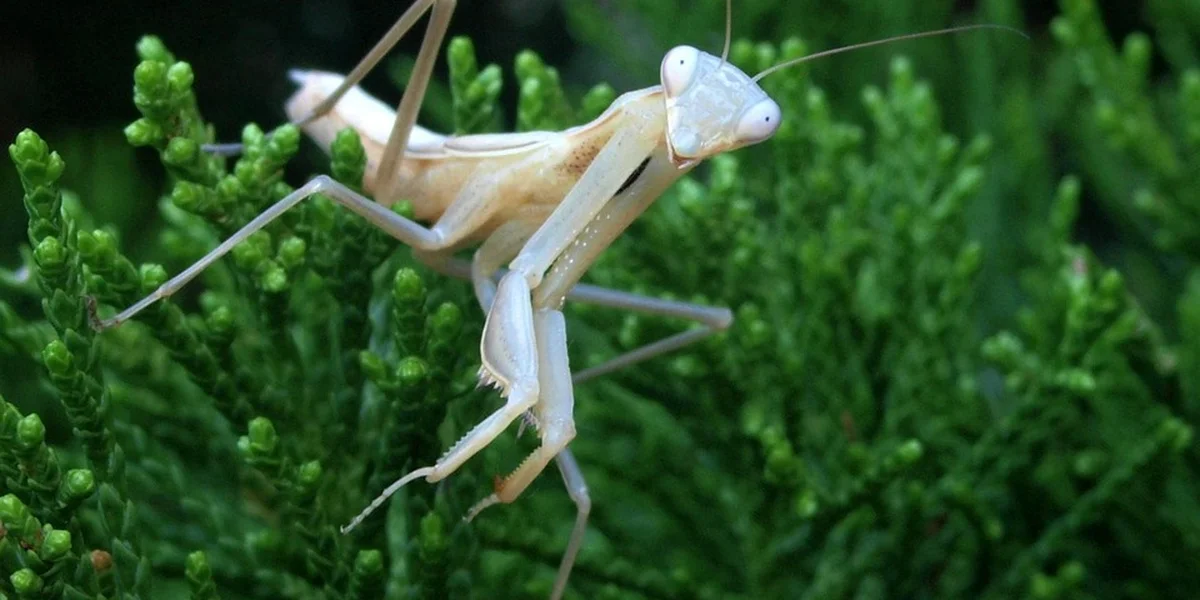
Starting with a simple setup makes all the difference for your new mantis friend. We always begin by selecting an enclosure that’s at least three times the mantis’s length in height to allow plenty of room for climbing and molting. A tall glass or mesh terrarium works beautifully, offering good visibility and airflow. When you choose which species to keep, its enclosure needs can vary. Some species benefit from larger, taller setups or more foliage to camouflage and hunt, so selecting a species with compatible enclosure requirements helps ensure success.
-
Clean the enclosure thoroughly with warm water and a soft cloth to remove any dust or residues. A pristine space prevents harmful bacteria and keeps your mantis healthy from day one. Regular upkeep is part of maintaining your praying mantis habitat. Periodically check and replace substrate as needed to keep conditions clean and safe.
-
Add a substrate layer-about an inch deep-using eco-friendly coconut fibre or paper towels. This helps maintain humidity and gives a natural, earthy feel underfoot.
-
Place sturdy branches, twigs, or artificial plants for perching. Mantises like Moss, our Giant Asian, adore having multiple vantage points to survey their territory.
-
Set up a small, shallow water dish or mist the enclosure lightly each morning. Regular misting mimics dew and provides drinking water without drowning risks.
-
Position the habitat in a quiet spot away from direct sunlight and drafts. A stable environment reduces stress and encourages natural behaviors like hunting and resting.
Once everything is in place, introduce your mantis gently and watch it explore. You will notice how quickly it settles when the surroundings feel like home.
Matching Enclosure to Species: Tropical vs. Temperate Needs
Different mantis species thrive in specific climates, so tailoring the enclosure is key. Tropical mantises, such as Orchid Mantises like Sprig, need warm, humid conditions similar to a steamy jungle morning. In contrast, temperate species prefer cooler, drier setups that reflect a mild spring day.
| Species Type | Temperature Range | Humidity Level | Ventilation Needs |
|---|---|---|---|
| Tropical (e.g., Orchid, Ghost) | 75-85°F (24-29°C) | 60-80% | Moderate; avoid stagnation |
| Temperate (e.g., European, Carolina) | 65-75°F (18-24°C) | 40-60% | High; promotes air flow |
For tropical setups, we use a heat mat on one side and mist twice daily to keep the air moist. This humidity helps with molting and keeps their skin supple, much like the damp forest floors they originate from.
Temperate enclosures benefit from more ventilation and less frequent misting. Overly humid conditions can lead to mold, which is why we opt for screen lids and sparse watering.
-
Tropical species: Include live plants like pothos to boost humidity naturally. These plants also provide hiding spots that make shy mantises like Luna feel secure.
-
Temperate species: Use drier substrates like peat moss and ensure plenty of climbing space. Simulating a breezy meadow environment encourages active hunting and exploration.
Seasonal Changes and Urban Mantis Life
Adapting to Seasons in the Wild and at Home
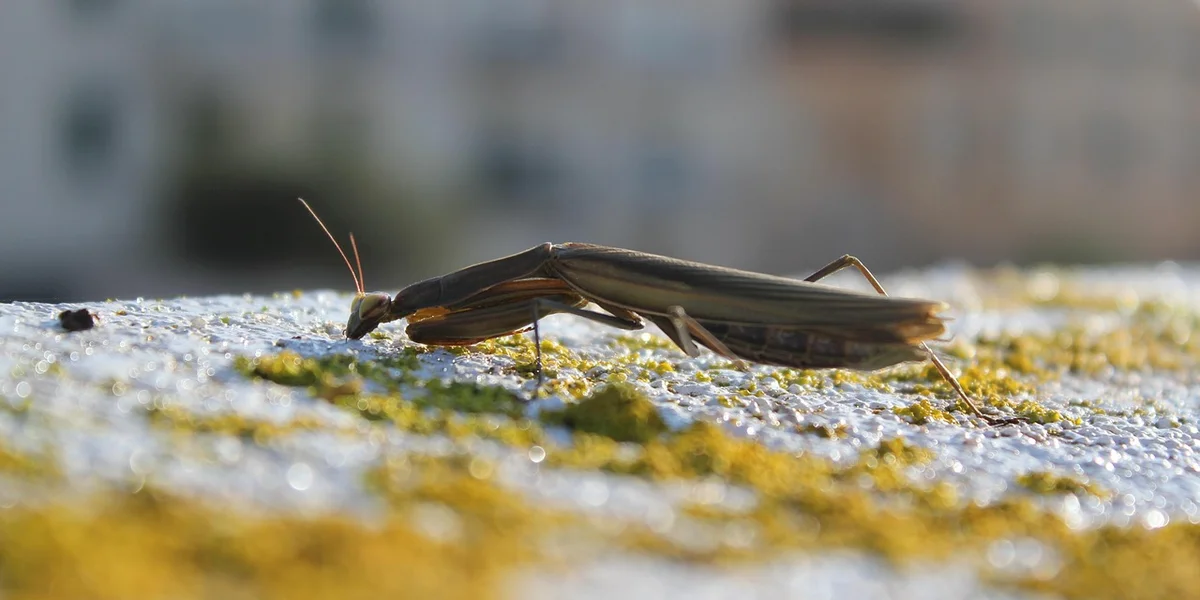
In nature, mantises respond to seasonal shifts with changes in behavior and life cycle. As temperatures drop in autumn, many species lay oothecae (egg cases) to survive the winter, entering a period of dormancy. At home, you can mimic these cycles to support their natural rhythms.
-
Spring and Summer: Increase feeding frequency and maintain warmer temperatures. This mimics the abundance of insects in the wild, promoting growth and vitality.
-
Autumn: Reduce feeding slightly and lower temperatures by a few degrees. Gradual cooling signals it is time for egg-laying or slowing down, much like the crisp fall air outdoors.
-
Winter: Provide a cooler, quiet rest period if your species is temperate. We often move enclosures to a slightly cooler room to simulate a mild winter, which can extend their lifespan.
Observing your mantis closely helps you adjust care seamlessly. You might notice less activity in cooler months, a natural response that keeps them resilient.
Mantises in Human-Made Spaces: Gardens and Urban Areas
Mantises are adept at living in gardens, parks, and even balconies, blending into human environments. They often perch on flowering plants or shrubs, using their camouflage to ambush prey like aphids and flies. Essential habitat requirements—like diverse vegetation, shelter, and a steady prey supply—help keep praying mantises healthy. If you find one in your garden, it is a sign of a healthy ecosystem.
-
Gardens: Plant native flowers and herbs to attract mantises naturally. Lavender and marigolds not only look lovely but also draw in insects that mantises hunt. By designing a habitat that attracts a range of beneficial insects, you’re creating a praying mantis-friendly garden. This supports natural pest control with minimal effort.
-
Urban areas: Avoid pesticides and provide water sources like shallow dishes. Chemical-free spaces ensure mantises thrive without harm, much like in wild meadows. To create a naturalistic, safe habitat for your praying mantis, mimic a meadow with varied plants and hiding spots. Keep the setup pesticide-free and add vertical branches for climbing.
-
Rescuing urban mantises: Gently relocate them to safer spots if needed. Use a soft brush to guide them onto a plant, avoiding direct handling to prevent stress.
Creating a mantis-friendly urban space is rewarding and simple. By offering shelter and food, you will support these graceful hunters in your own backyard. When setting up your first mantis habitat, avoid common mistakes like overcrowding the enclosure or using unsuitable plants. Start simple and observe their needs to fine-tune the setup.
Ethical Considerations for Mantis Keepers
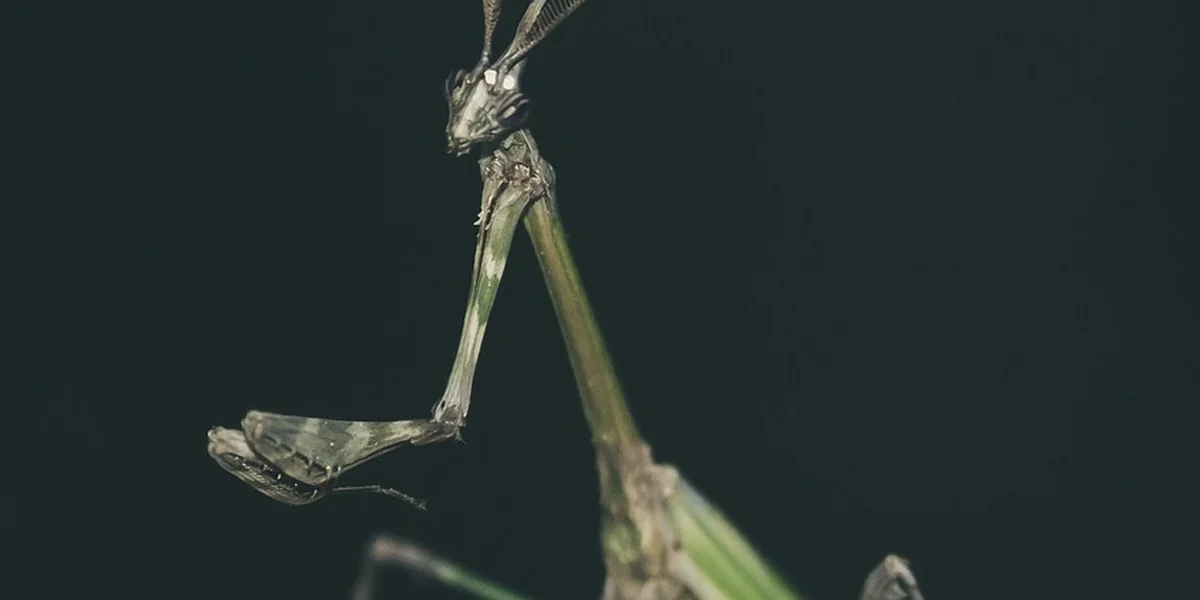
When we welcome a mantis into our home, we take on a quiet duty to respect their wild origins and delicate needs. Ethical keeping means thinking beyond the enclosure-it’s about ensuring our hobby doesn’t harm the natural populations these fascinating insects come from. We’ve found that observing our Ghost Mantis, Luna, in her terrarium reminds us how each species has evolved for specific habitats, from humid forests to dry grasslands.
Caring for mantises ethically involves making mindful choices, like selecting captive-bred individuals and providing enclosures that mimic their native environments. This approach reduces stress on wild mantis communities and supports their long-term survival in the wild. It’s a gentle way to enjoy these pets whilst protecting the ecosystems they hail from.
Why Captive-Bred Mantises Are a Better Choice
Opting for captive-bred mantises, like our energetic Moss, offers clear benefits for both the insect and keeper. Captive-bred mantises are typically healthier and more accustomed to life in an enclosure, which means fewer surprises and a smoother transition to your care. They haven’t faced the hazards of the wild, such as pesticides or predators, so they often live longer, more stable lives.
Here are key reasons to choose captive-bred mantises:
- They are less likely to carry parasites or diseases that can spread in captivity.
- Their temperaments are often calmer, as they’re raised around human activity from a young age.
- Buying captive-bred supports ethical breeders who prioritize mantis welfare over profit.
- It helps prevent over-collection from wild habitats, preserving natural biodiversity.
In our experience, captive-bred mantises adapt more readily to handling and routine feedings. This choice aligns with a kinder, more sustainable approach to pet ownership that benefits everyone involved.
Supporting Mantis Conservation Through Responsible Pet Care
Responsible pet care goes hand-in-hand with conservation efforts, helping to safeguard mantis species for future generations. By providing proper habitats, nutrition, and handling, we can minimize our impact and even contribute to awareness about these insects’ roles in nature. For instance, keeping a species like the Orchid Mantis, Sprig, teaches us about the delicate balance of their native rainforests.
Follow these steps to support conservation through your care routine:
- Research your mantis species’ natural habitat and replicate it closely in their enclosure-think humidity, temperature, and foliage.
- Source food ethically, using feeder insects from reputable suppliers to avoid introducing wild pests.
- Avoid releasing pet mantises into the wild, as they can disrupt local ecosystems or struggle to survive.
- Share your knowledge with other keepers to promote ethical practices and collective learning.
Small actions, like misting an enclosure with warm water to mimic tropical dew, make a big difference. Every careful choice we make reinforces a culture of respect and stewardship for these remarkable creatures.
FAQs on Mantis
Do mantises inhabit deserts?
Yes, certain mantis species are well-adapted to survive in arid desert environments. They often have light-colored camouflage and behaviors like burrowing to conserve moisture.
What vegetation types support mantis populations?
Mantises utilize a wide range of vegetation, from dense flowering plants in the tropics to sparse shrubs in grasslands. The specific type of plant life provides essential camouflage and hunting perches for different species. Live, pesticide-free plants in a mantis enclosure are safe and beneficial, providing humidity, shelter, and secure perches. Choosing non-toxic species helps mimic natural habitats and reduces stress for the insects.
Are mantises found in urban environments?
Yes, mantises are commonly found in gardens, parks, and other urban green spaces. They adapt well to these areas by using ornamental plants and shrubs as hunting grounds. In the wild, they occupy a wide range of natural habitats—from forests and grasslands to wetlands—so their occurrence in urban spaces mirrors their broad natural distribution.
Bringing the Wild Into Your Home
We can create a thriving environment for our mantis by closely matching its enclosure to its natural habitat, from humidity levels to climbing spaces. For beginners, choosing the right mantis species is a key first step. Choosing a species that aligns with our ability to provide consistent warmth and food sources makes daily care simpler and more enjoyable. Look for beginner-friendly species with forgiving temperaments and simple dietary needs, and tailor the enclosure to their needs.
Responsible ownership means observing our mantis regularly and adjusting care routines to support its health and natural behaviors. Staying curious and learning from fellow keepers helps us build a deeper connection and provide the best life for our tiny green companion.
Further Reading & Sources
- Mantis – Wikipedia
- Mantids, or Praying Mantises / Home and Landscape / UC Statewide IPM Program (UC IPM)
- Praying Mantids – Wisconsin Horticulture
- 15 Types of Mantis: Mantis Species, Facts and Photos
Rowan Hale is a lifelong insect enthusiast who fell in love with mantises for their calm presence, alien elegance, and surprising personalities. After years of keeping and raising a variety of species, Rowan shares practical tips, creative insights, and real-world experience to help others enjoy the quiet magic of mantis care. From setting up the perfect enclosure to understanding their subtle behaviors, Rowan invites readers into a gentle, curious world where every tiny movement feels like a discovery.
Native Mantids