
Why Are My Mantis Nymphs Dying? (Common Problems & Solutions)
Hello there, mantis friend. Finding a tiny, motionless nymph in your care can make your heart sink. We’ve been there, and it’s a quiet, worrying moment for any keeper.
Mantis nymphs typically die due to incorrect humidity, inadequate feeding, or unsuitable temperatures-environmental factors that are often easy to adjust once you know what to look for.
Raising these miniature hunters is a delicate art, not a simple science. Their needs are incredibly specific, and a small misstep can have big consequences. But don’t worry, we’ll walk through this together.
Here are the key areas we’ll cover to help your tiny companions thrive:
- Getting the humidity levels just right
- Providing the correct food and feeding schedule
- Maintaining a stable and safe temperature
- Preventing dangerous mismolts
- Ensuring their enclosure is a secure sanctuary
Understanding Mantis Nymph Mortality Rates
Mantis nymphs are the young, wingless stages that emerge after hatching from an ootheca. These tiny juveniles undergo multiple molts, growing rapidly while remaining highly vulnerable to environmental shifts.
- Normal death rates in captivity hover around 10-20%, often due to natural weaklings or minor missteps. Losing more than a third of your nymphs signals a need for immediate care adjustments.
- Species differences matter greatly-hardy types like the Giant Asian Mantis tolerate beginner errors, while delicate Orchid Mantis nymphs demand near-perfect conditions. We’ve found that Moss, our adult male Giant Asian, sailed through nymphhood, whereas Sprig, the Orchid Mantis, needed extra vigilance.
- Natural selection weeds out the frailest in wild populations, but in your care, attentive husbandry can give every nymph a fighting chance. Observing which nymphs struggle first often reveals underlying issues with humidity or feeding.
Common Problems in Mantis Nymph Care
Environmental Stressors
Improper humidity leaves nymphs parched or suffocated. Watch for dehydration signs like lethargic movement, sunken eyes, or skin that appears crinkled and dry.
- Low humidity sucks moisture from their tiny bodies, while excessive dampness encourages harmful mold. Aim for 50-70% humidity, misting lightly with warm water to mimic a gentle morning dew.
- Temperature swings and drafts chill nymphs, stunting growth or causing fatal stress. Keep enclosures away from windows or vents, maintaining a steady 22-28°C for most species.
- Poor ventilation traps stale air, letting mold spores flourish on uneaten prey or substrate. We use fine mesh lids to allow airflow while keeping feeders contained-a simple fix that saved Luna from a fuzzy outbreak.
Feeding and Nutrition Issues
Wrong feeder insects pose serious risks. Avoid hard-shelled beetles or large crickets that can injure or overwhelm delicate nymphs. As you phase out fruit flies and transition nymphs to larger prey, introduce the new prey gradually. This helps prevent stress and supports a smooth adaptation.
- Underfeeding weakens nymphs, leaving them too frail to molt properly. Offer pinhead crickets or flightless fruit flies every 2-3 days, adjusting portions as they grow.
- Overfeeding leads to obesity or uneaten prey turning aggressive. Remove leftover insects within hours to prevent them nibbling on your mantis.
- Improper diet lacking variety causes nutrient deficiencies and disease susceptibility. Gut-load feeders with fresh veggies or commercial diets to pass on essential vitamins.
Health and Hygiene Concerns
Parasites like mites hitchhike on feeders or dirty substrates. Quarantine new insects and opt for sterile substrates like paper towel to cut contamination risks.
- Substrate contamination from mold or bacteria can trigger respiratory issues. Spot-clean daily and replace bedding weekly to maintain a fresh, earthy scent in the enclosure.
- Disease spreads quickly in cramped, unclean setups. Isolate any nymph showing odd spots, lethargy, or refusal to eat-early action prevents outbreaks.
- Stress from handling or sudden moves causes acclimation shock. Limit contact to essential checks, and introduce new decor gradually to let nymphs settle like green statues in their space.
Identifying Symptoms of Distress
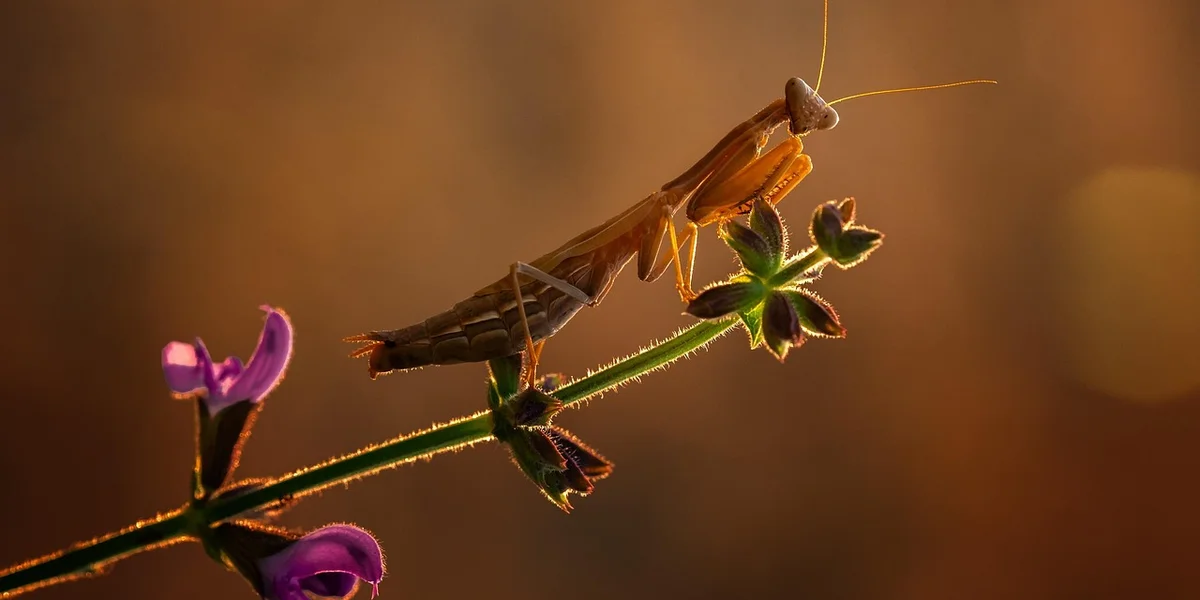
Spotting early signs of trouble can make all the difference for your tiny mantis nymphs. We often notice subtle changes first—like a slight droop in posture or a hesitant strike—that signal something is amiss. When you know what to look for, you can spot the earliest signs of molting trouble and intervene before it becomes serious. Early molt alerts—stalled sheds or incomplete skins—signal you to adjust humidity, prey, or the enclosure setup.
Follow this step-by-step guide to check for common issues. Look closely each day, as nymphs can decline quickly.
- Check for dehydration by observing skin texture and behaviour. A dehydrated nymph may have wrinkled, dull skin and move sluggishly; you might see it clinging weakly to branches or ignoring prey.
- Watch for molt failures during shedding periods. Stuck skin on legs or abdomen, or a nymph struggling for hours, points to trouble-like my Ghost Mantis Luna, who once had a partial shed that left her off-balance.
- Inspect for parasites with a magnifying glass. Tiny mites or specks moving on the body or enclosure walls are red flags; infected nymphs may scratch frequently or have irritated patches.
- Look for infections through colour and discharge. Unusual dark spots, cloudy eyes, or a sticky substance on the body can indicate bacterial or fungal issues.
- Note general lethargy by comparing normal activity. If your nymph sits still for long stretches, refuses food, or reacts slowly to touch, it might be unwell-much like Moss, my Giant Asian Mantis, who once stayed unusually quiet before a health scare.
Keep a simple checklist handy to track these symptoms daily. Early detection gives you the best chance to intervene before problems worsen.
Immediate Actions to Save Your Nymphs
When you spot distress signs, act quickly to stabilise your nymph. Swift steps can turn things around, much like gently misting a parched plant back to life.
- Quarantine affected nymphs and check for pests. Move the unwell nymph to a clean, separate container to prevent spread; examine it under bright light for mites or other hitchhikers.
- Adjust humidity and temperature settings promptly. Raise humidity with a light misting if dehydration is suspected, and ensure temperatures stay steady-around 75-80°F-to support recovery.
- Review feeding practices and switch prey if needed. Offer smaller, gut-loaded insects like fruit flies if larger prey is refused; avoid overfeeding, which can stress a weakened nymph.
- Clean the enclosure to remove mold or contaminants. Replace substrate, wipe down surfaces with a damp cloth, and ensure good ventilation to eliminate any hidden threats.
These actions create a safer space for healing. Consistent care and a calm approach help your nymph regain its strength and vitality.
Long-Term Solutions for Healthy Nymphs
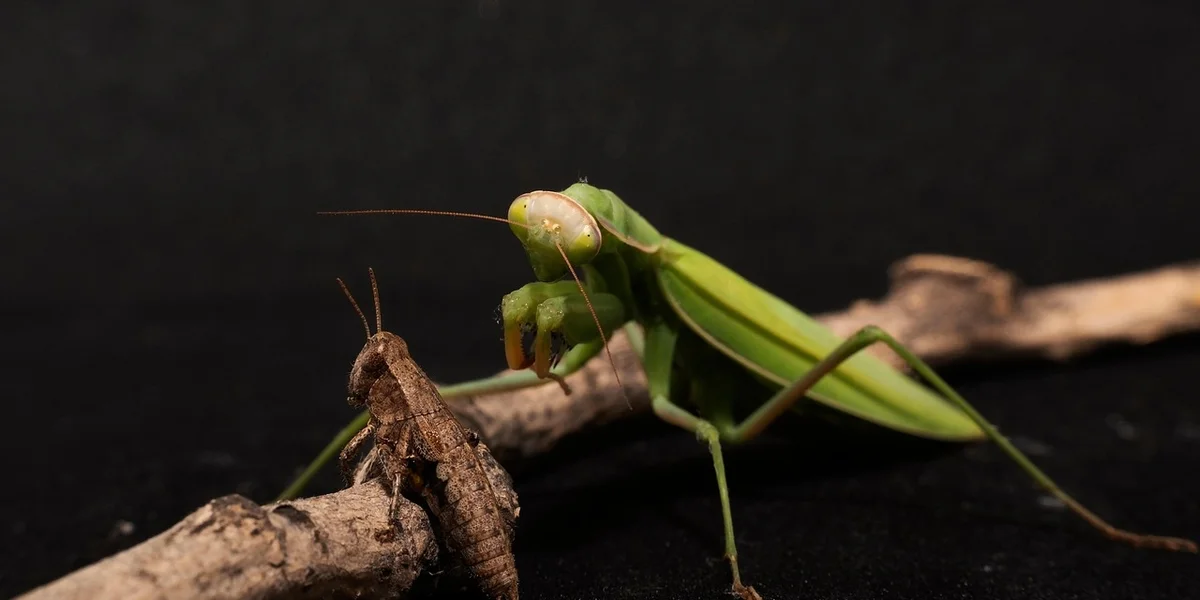
Optimal Enclosure Setup
-
We maintain proper humidity by misting enclosures once or twice daily, depending on your mantis species and room conditions. To set up the perfect humidity level for your praying mantis enclosure, use a hygrometer to monitor humidity and adjust misting as needed. Keep the level stable and aligned with your species’ needs to prevent mold or dehydration.
Regular misting mimics the gentle dew of their natural habitat, helping nymphs stay hydrated and molt smoothly.
For our Ghost Mantis Luna, a light spray in the morning keeps her delicate frills supple and prevents dehydration.
-
Improve ventilation by adding fine mesh lids or small air holes to prevent mold and stale air buildup.
Good airflow reduces the risk of respiratory issues and keeps the environment fresh for active nymphs.
Choose substrates like coconut fiber or plain paper towels, which hold moisture without trapping harmful bacteria. In our substrate showdown coconut fiber, we’ll compare coconut fiber, sphagnum moss, and paper towels to see which supports healthy roots best. We’ll weigh moisture retention, aeration, and cleanliness to identify the best option.
-
Prevent temperature swings by placing enclosures away from direct sunlight, drafts, or heating vents.
Stable temperatures between 22-26°C support steady growth and reduce stress on developing nymphs.
We use a simple digital thermometer to monitor our setups, ensuring Moss and Sprig enjoy consistent warmth day and night.
Feeding and Hydration Protocols
-
Offer safe feeder insects like flightless fruit flies, pinhead crickets, or small roach nymphs every one to two days. To create and maintain a clean feeder insect culture, keep enclosures sanitized and quarantine new stock before introducing them. Regularly clean habitat substrates and monitor for mold or waste buildup.
Feeding frequency matches their rapid metabolism, providing essential nutrients without overloading tiny digestive systems.
We watch for eager strikes-our Orchid Mantis Sprig perks up when fruit flies buzz near her petals.
-
Hydrate nymphs by lightly misting enclosure walls and leaves; they drink droplets directly off surfaces.
Avoid water bowls to prevent drowning, and always use clean, chlorine-free water for misting.
We wipe down surfaces weekly to remove residue, keeping the space hygienic and inviting for delicate drinkers.
Biosecurity and Prevention
-
Clean enclosures thoroughly every week with a mild, pet-safe disinfectant, rinsing well to remove chemical traces.
Quarantine new mantises in a separate container for at least two weeks to spot hidden illnesses before introducing them. This is the first step in a step-by-step quarantine protocol for new praying mantises. Follow the rest of the protocol to safely integrate them into your enclosure.
This simple step saved our colony when a newcomer showed subtle signs of weakness we caught early.
-
Steer clear of pesticides by sourcing feeder insects from reputable breeders or raising your own organically.
Chemical exposure can swiftly harm nymphs, so we keep their space free from sprays and treated plants.
Even household cleaners should be used cautiously far from their living area.
-
Reduce stress by handling nymphs only when necessary, using soft brushes or gentle guidance instead of fingers.
Minimal contact allows shy individuals like Luna to feel secure, promoting healthier feeding and molting cycles.
We notice they explore more freely when we respect their need for quiet observation.
When to Seek Expert Assistance
-
Recognise severe issues if nymphs show persistent lethargy, discoloured patches, or visible parasites like mites.
These symptoms often indicate underlying diseases that require specialised care beyond home remedies.
We once consulted a vet after several nymphs developed unusual swelling, which turned out to be a bacterial infection.
-
Consult an exotic vet if mortality rates spike or symptoms like laboured breathing or refusal to eat persist for days.
Professional input can diagnose rare conditions and provide targeted treatments to save your remaining nymphs.
Vets with insect experience offer peace of mind when standard adjustments fail to improve health.
-
Find species-specific resources through online mantis forums, dedicated care sheets, or local reptile and invertebrate groups.
Connecting with experienced keepers helps tailor advice to your mantis type, from Giants like Moss to delicate Orchids. For beginners, choosing the right mantis species is crucial for a smooth start. Let seasoned keepers help you pick a species that fits your setup and level of experience.
We often share notes in community groups, learning how others troubleshoot similar challenges with empathy and insight.
Questions from Fellow Mantis Friends
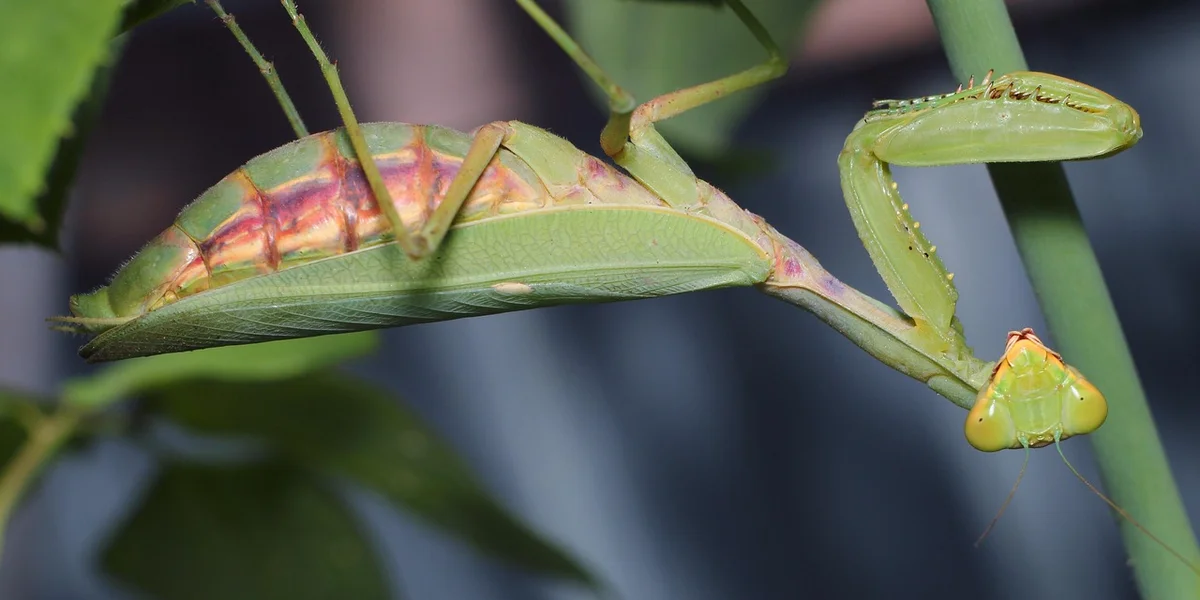
How can I accurately measure humidity in my mantis enclosure?
Use a digital hygrometer to monitor humidity levels regularly. Place it inside the enclosure away from direct misting for accurate readings, especially when over-misting might harm your praying mantis.
What should I do if my mantis nymph is about to molt?
Ensure high humidity and avoid disturbing the nymph during this critical time. Provide a secure hanging spot to facilitate a successful molt.
How can I tell if my mantis nymph is healthy and thriving?
A healthy nymph is active, has a good appetite, and exhibits alert behavior. Regular molting and steady growth are positive indicators of well-being.
Guiding Your Mantis Nymphs to a Healthy Future
To keep your mantis nymphs thriving, focus on maintaining steady humidity with daily misting and offering small, live prey like fruit flies. Regularly observe their behavior and enclosure conditions to quickly address any signs of stress or illness, including monitoring the temperature and humidity levels.
As a mantis keeper, we believe in nurturing these delicate creatures with patience and dedication, much like tending a quiet garden. To truly support their well-being, create a naturalistic, safe habitat that mimics their wild surroundings. Embrace the journey of learning, as understanding their subtle needs—from our own mantises like Moss—helps you grow alongside them.
Further Reading & Sources
- Chinese mantis nymphs dying | Mantid Forum – Mantis Pet & Breeding Forum
- My mantis nymph died molting. Why? | Arachnoboards
- FAQ about praying mantises | Keeping Insects
- My baby mantids are dying HELP | Arachnoboards
Rowan Hale is a lifelong insect enthusiast who fell in love with mantises for their calm presence, alien elegance, and surprising personalities. After years of keeping and raising a variety of species, Rowan shares practical tips, creative insights, and real-world experience to help others enjoy the quiet magic of mantis care. From setting up the perfect enclosure to understanding their subtle behaviors, Rowan invites readers into a gentle, curious world where every tiny movement feels like a discovery.
Common Health Issues