
Substrate Showdown: Coconut Fiber vs. Sphagnum Moss vs. Paper Towel
Published on: December 26, 2025 | Last Updated: December 26, 2025
Written By: Rowan Hale
Hello mantis friend, have you ever noticed how your mantis’s tiny feet press into the substrate, and wondered if that surface is truly supporting its health and comfort?
The best choice depends on your specific mantis species, enclosure setup, and your own care routine, with coconut fiber offering rich moisture retention, sphagnum moss providing excellent humidity control, and paper towel delivering unmatched simplicity.
Selecting the right substrate isn’t a one-size-fits-all decision, as each option affects humidity, cleanliness, and even your mantis’s molting success in unique ways. We’ve found through tending to mantises like Luna, our ghost mantis, that subtle changes in substrate can make a big difference in their daily ease and long-term wellbeing.
- Coconut fiber holds moisture steadily, ideal for species needing consistent humidity.
- Sphagnum moss boosts enclosure humidity effectively, perfect for mist-loving mantises.
- Paper towel is easy to replace and sterile, great for quick cleanups or new keepers.
What Substrate Means for Your Mantis
Substrate serves as the foundation of your mantis’s enclosure, directly influencing humidity, drainage, and air circulation. It acts like a miniature ecosystem, balancing moisture to support your pet’s delicate health and comfort. If you’re building a DIY mantis enclosure from everyday materials, start with a suitable substrate. You can mix coconut coir, moss, sand, and potting soil you already have to dial in moisture and drainage.
- Moisture retention: Holds water to maintain consistent humidity levels.
- Texture for footing: Offers a secure grip for climbing and resting.
- Impact on molting: Reduces the risk of falls during this vulnerable phase.
Think of substrate as the forest floor your mantis would naturally inhabit—soft, damp, and full of tiny air pockets. Selecting the right type helps prevent stress and mimics the safe, humid environments they thrive in outdoors. This approach helps you create a naturalistic, safe habitat for your praying mantis at home. By choosing the right substrate and setup, you recreate the microhabitats they rely on in the wild.
Coconut Fiber: The Earthy Foundation
Coconut fiber, or coir, boasts excellent moisture retention and a loose, airy structure that promotes healthy airflow. Its natural, earthy look blends seamlessly into enclosures, creating a visually appealing and functional base.
We’ve used it with our Giant Asian Mantis, Moss, who often explores its textured surface with curiosity. This substrate is biodegradable and budget-friendly, making it a go-to for many keepers starting out.
On the downside, it can develop mold if kept too wet and might need a quick bake or freeze to eliminate any hidden pests. Regular checks and proper drying between mistings keep it fresh and safe for your mantis. To clean and maintain your praying mantis habitat, wipe down the enclosure and refresh the substrate on a regular schedule. Cleanliness helps prevent mold and protects your mantis from pests.
Pros of Coconut Fiber
- Excellent water retention: Maintains humidity for extended periods.
- Eco-friendly: Sourced from renewable coconut husks.
- Easy to find: Widely available in pet shops and online.
Cons of Coconut Fiber
- Can compact over time: Requires occasional fluffing to stay aerated.
- Needs monitoring for mites: Inspect regularly and sterilize if needed.
Allow the substrate to partially dry between waterings to prevent compaction and mold growth. This habit ensures your mantis enjoys a clean, breathable home without unnecessary risks. For hydration, mantises get most moisture from prey, with occasional misting or a tiny water dish as needed; see our complete hydration guide for full details.
Sphagnum Moss: The Humidity Hero
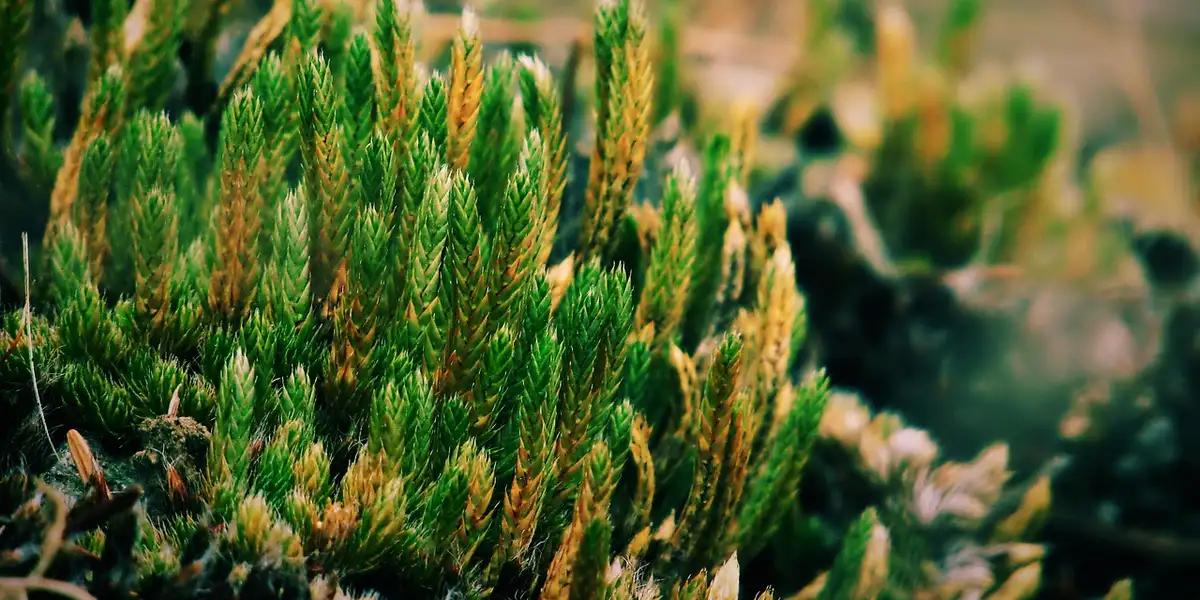
Sphagnum moss excels at holding moisture, thanks to its high water retention, and it stays pH neutral, so it won’t upset your mantis’s delicate environment. This moss acts like a natural sponge, releasing humidity slowly to mimic a tropical rainforest atmosphere.
- Pros: It provides superior humidity for species like Orchid Mantises and has a soft texture that feels gentle under their feet.
- Cons: It tends to be pricier than other options and may require more frequent swaps if it remains damp for too long.
We’ve kept Sprig, our Orchid Mantis, on a moss-based substrate, and she thrives in the steady dampness-her petal-like colors seem to glow against the lush green backdrop. Watching her perch contentedly on the moist moss reminds us how vital consistent humidity is for her well-being.
Pros of Sphagnum Moss
- Long-lasting moisture that reduces the need for daily misting
- Natural mold resistance due to its acidic properties
- A natural, earthy look that enhances the enclosure’s aesthetic
These qualities make sphagnum moss a reliable choice for maintaining a stable, humid microclimate your mantis will love.
Cons of Sphagnum Moss
- It can be messy when wet, scattering bits around the enclosure
- Not as reusable as substrates like coconut fiber, often needing replacement
To manage these drawbacks, try blending sphagnum moss with coconut fiber for better structure and easier maintenance.
Paper Towel: The Beginner’s Buddy
Paper towel offers simplicity with its high absorbency and effortless cleaning, making it a go-to for new mantis keepers. Its sterile surface helps prevent contaminants, giving you peace of mind during those early care days.
- Pros: It’s sterile, very affordable, and allows for swift changes when needed.
- Cons: It holds moisture poorly, isn’t biodegradable, and provides limited air flow to the enclosure base.
We often use paper towel for juvenile mantises like Luna, our Ghost Mantis, as it lets us spot any health issues quickly during her delicate molting phases. Seeing her navigate the smooth surface with care highlights how temporary setups can support growth without stress.
Pros of Paper Towel
- Easy to sterilize by replacing frequently, reducing risk of mold
- Budget-friendly and readily available in most households
- Ideal for monitoring mantis health, as waste and shed skin are visible
This substrate simplifies routine checks, helping you catch potential problems before they escalate.
Cons of Paper Towel
- Lacks natural humidity control, which can lead to dry conditions
- Can tear easily if disturbed, requiring careful handling
We recommend reserving paper towel for dry environments or short-term use to avoid dehydration risks for your mantis.
Side-by-Side Substrate Comparison

| Substrate | Moisture Retention | Drainage | Cost | Mold Resistance | Biodegradability | Best Uses |
|---|---|---|---|---|---|---|
| Coconut Fiber | High | Moderate | Low to moderate | Moderate | High | Great for tropical species needing steady humidity, like Ghost Mantises. Suits intermediate keepers who mist regularly. |
| Sphagnum Moss | Very high | Poor | Moderate to high | Low | High | Ideal for high-humidity lovers, such as Orchid Mantises. Best for experienced keepers monitoring moisture closely. |
| Paper Towel | Low | High | Very low | High | Moderate | Perfect for beginners, low-humidity species, or temporary setups. Easy to replace and clean frequently. |
Each substrate brings its own texture and feel to the enclosure, much like how our Ghost Mantis Luna seems to enjoy the soft, earthy bed of coconut fiber for her delicate movements.
Matching Substrate to Your Mantis’s Needs
Choosing the right substrate starts with understanding your mantis and your own routine. We find that a thoughtful approach ensures your pet feels at home while keeping maintenance manageable for you. A complete supplies checklist helps you stay on track for a healthy pet mantis. It covers essentials from enclosure basics to feeding gear.
- Identify your mantis’s natural habitat. Research whether your species comes from humid rainforests or drier grasslands. This step helps you mirror the environment they evolved in, reducing stress and promoting natural behaviors.
- Evaluate your misting routine. Consider how often you can lightly spray the enclosure to maintain humidity. A consistent misting schedule pairs well with moisture-retentive substrates like sphagnum moss for species that crave dampness.
- Consider cleanup frequency. Decide how frequently you’re comfortable replacing soiled or moldy substrate. Paper towel makes weekly changes a breeze, while coconut fiber may last longer with occasional spot-cleaning.
For common species, we’ve seen sphagnum moss work wonders for high-humidity lovers like Orchid Mantises, while paper towel suits arid-adapted types or busy keepers. Our own Moss, a Giant Asian Mantis, does well on coconut fiber because it holds just enough moisture for his active lifestyle without staying soggy.
Preparing and Maintaining Your Substrate
Getting your substrate ready is like preparing a cosy bed for your mantis—it sets the stage for their comfort and health. In a bioactive enclosure for a mantis, the substrate also hosts microfauna. Live plants and a living layer help maintain humidity and encourage natural behaviors.
Coconut Fiber
- Sterilize the fiber if it’s not pre-treated by baking it at 120°C for 30 minutes to eliminate any hidden pests.
- Hydrate it with lukewarm water until it feels like a damp sponge, expanding to a fluffy texture.
- Spread it evenly in the enclosure, aiming for a depth of about 2-3 centimetres to support burrowing or egg-laying.
- Check weekly for mold or unwanted visitors, and mist lightly if the surface dries out.
Replace coconut fiber when it loses its springiness or develops a sour smell, which usually happens after two to three months.
Sphagnum Moss
- Sterilize by soaking in hot water for 10 minutes if you’re using wild-harvested moss to avoid introducing mites.
- Fluff the moss gently with your fingers to separate the strands and create air pockets for better humidity control.
- Arrange it in a loose layer across the enclosure floor, ensuring it’s not packed down.
- Monitor every few days for compaction or discoloration, and spritz with water to maintain that dewy freshness.
Swap out sphagnum moss once it turns dark or emits a musty odor, typically every four to six weeks.
Paper Towel
- No sterilization is necessary since it comes sterile from the roll, making setup quick and simple.
- Lay one or two sheets flat in the bottom, smoothing out any creases to prevent moisture traps.
- Position it evenly so it covers the entire base, replacing it as soon as it gets damp or soiled.
- Inspect daily for signs of mold or waste, and change it promptly to keep the space hygienic.
Change paper towels every two to three days or immediately after feeding to avoid bacterial growth.
Cost and Sustainability: Making a Wise Choice
Weighing cost and eco-friendliness helps you pick a substrate that’s kind to your wallet and the planet.
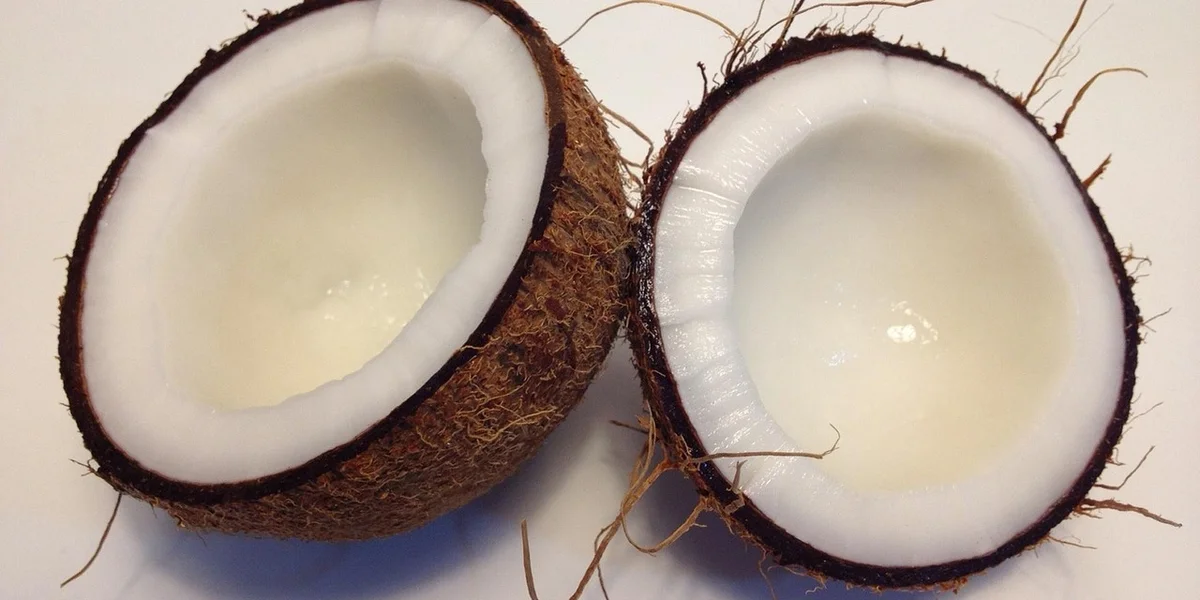
- Coconut Fiber: It’s budget-friendly and easy to find in pet shops, plus it’s fully biodegradable and can be composted after use.
- Sphagnum Moss: Moderately priced with good availability; opt for sustainably harvested brands to protect wetland ecosystems.
- Paper Towel: The cheapest upfront option, but it generates more waste and isn’t reusable, so we suggest using it sparingly.
Choosing a substrate with long-term value means considering how often you’ll replace it and its impact on the environment.
We often reuse coconut fiber in our garden after it’s served its purpose in Moss’s enclosure, cutting down on landfill waste.
Biodegradable options like coconut fiber and sphagnum moss break down naturally, while paper towel adds to household rubbish if not recycled.
Let’s aim for substrates that support a greener hobby by reducing single-use items wherever possible.
FAQs on Mantis
What is the Substrate Showdown all about?
The Substrate Showdown is a friendly comparison of three popular substrates to help you pick the best one for your mantis’s unique needs. It breaks down how each option impacts humidity, cleanliness, and overall pet health in simple terms. We also discuss what enrichment items work best in a praying mantis habitat. We explain how substrate choices can support natural behaviors and engaging enrichment.
Why focus on coconut fiber, sphagnum moss, and paper towel in this showdown?
These three substrates are commonly used by mantis keepers due to their distinct moisture and maintenance properties. Comparing them helps highlight which might suit your species and care style without overwhelming you with too many choices. Think about bioactive versus sterile setups and which is right for your mantis. Bioactive setups offer enrichment and natural behavior but require more upkeep, while sterile setups are simpler to control.
How can the Substrate Showdown guide my substrate selection?
It offers a clear, side-by-side look at key factors like cost and humidity control to simplify your decision. This way, you can quickly match a substrate to your mantis’s habitat requirements and your own routine for better care. Essential habitat requirements for a healthy praying mantis include factors such as proper humidity, temperature, and shelter, which the right substrate can support.
Your Mantis’s Cosy Corner: Wrapping Up the Substrate Choice
We find that coconut fibre provides a sturdy, moisture-friendly base for most mantis homes, whilst sphagnum moss shines in terrariums needing extra humidity. Paper towels are wonderfully practical for quick clean-ups or when you’re just starting out with a new mantis friend.
Observing how your mantis interacts with its substrate teaches you heaps about its comfort and health over time. Staying curious and connected to fellow keepers helps you grow alongside your pet, ensuring many happy moments together when you learn how to care for a pet praying mantis.
Further Reading & Sources
- Moss, Coco & Other Substrates
- r/tarantulas on Reddit: Substrate Question – Coconut Fiber and Sphagum Moss
- The Definitive Guide to Coco Coir (Why We Love It!) – Terrarium Tribe
- Coconut substrate: what it is and how it is made – LUCKY PLANTS
Rowan Hale is a lifelong insect enthusiast who fell in love with mantises for their calm presence, alien elegance, and surprising personalities. After years of keeping and raising a variety of species, Rowan shares practical tips, creative insights, and real-world experience to help others enjoy the quiet magic of mantis care. From setting up the perfect enclosure to understanding their subtle behaviors, Rowan invites readers into a gentle, curious world where every tiny movement feels like a discovery.
Substrate Options