
How to Quarantine a New Praying Mantis
Published on: February 8, 2026 | Last Updated: February 8, 2026
Written By: Rowan Hale
Hello, mantis friend. That flutter of anticipation when a new mantis arrives is a special feeling, isn’t it? You’re eager to watch it explore, to learn its unique personality. But what often remains unseen are the tiny, hidden passengers it might bring along.
Quarantining a new praying mantis is a vital practice that involves isolating your new arrival in a separate, simple enclosure for a set period to monitor for illness and prevent the spread of pests to your existing collection.
While it sounds straightforward, a proper quarantine is more than just placing a cup in another room. It’s a careful protocol designed for the safety and comfort of all your six-legged companions.
Here’s a quick look at what we’ll cover:
- The correct duration for an effective quarantine period.
- How to set up a simple, stress-free temporary enclosure.
- Key signs of health and potential illness to watch for.
- Safe practices for feeding and handling during this time.
Why Quarantine Is Essential for Mantis Care
Quarantine acts as a gentle buffer, shielding your existing mantises from unseen threats like mites or fungal spores that new arrivals might carry. This simple step prevents tiny hitchhikers from spreading to your whole collection, saving you from potential heartache down the line.
We use this quiet period to watch for subtle health clues, such as irregular molting or low appetite, which are harder to notice in a busy main habitat. Observing your new mantis alone lets you catch issues early, ensuring they get the care they need before joining others.
Think of quarantine as a cozy recovery room after travel stress, where your mantis can acclimate to new sights and sounds without competition. This calm space reduces their anxiety, helping them build strength and confidence for a smoother transition later.
From my own experience with Luna, my Ghost Mantis, her quarantine revealed a minor leg injury that healed fully with extra attention. Personal watchfulness during this phase often uncovers small quirks that make each mantis unique and manageable.
Setting Up Your Mantis Quarantine Enclosure
Choosing the Right Enclosure
Select an enclosure that balances security with visibility, like a small plastic container or a spare glass jar for juveniles. A clear-sided home allows you to monitor behavior easily without disturbing your mantis during this sensitive time.
Size matters-opt for something snug but not cramped, roughly three times your mantis’s length in height and width. This cozy setup minimizes stress and makes feeding and cleaning simpler for you both.
- Plastic deli cups with ventilated lids work well for nymphs, offering lightweight portability.
- Mesh cages suit larger mantises, providing excellent airflow to prevent moisture buildup.
- Glass terrariums are reusable and give a clear view, ideal for longer observation periods.
I’ve found that Moss, my Giant Asian Mantis, settled best in a mesh enclosure during his quarantine, thanks to the gentle air circulation. Choosing materials that are easy to disinfect, like smooth plastic or glass, supports a hygienic start for your new friend.
Essential Enclosure Features
Ventilation is key-drill small holes or use mesh panels to allow fresh air flow without drafts. Proper airflow stops mold growth and keeps the environment feeling fresh, much like a breezy garden nook.
Include soft perches, such as thin twigs or fake plants, for your mantis to cling to and feel secure. These resting spots mimic natural habitats, encouraging normal posture and reducing fatigue. Creating a naturalistic, safe habitat for your praying mantis helps promote stress-free behavior. A well-designed enclosure further mirrors its wild environment and supports healthy movement.
- Add a shallow water dish or mist lightly daily to maintain humidity, which aids in molting.
- Use a simple substrate like paper towel for easy cleaning and to spot any waste or mites quickly.
- Place the enclosure in a quiet, dimly lit area to mimic the calm of a shaded leaf canopy.
With Sprig, my Orchid Mantis, I noticed how a gently misted enclosure helped her skin soften before a successful molt. Keeping features minimal yet functional ensures your mantis stays comfortable while you focus on their well-being.
Maintaining Ideal Quarantine Conditions
Temperature Control
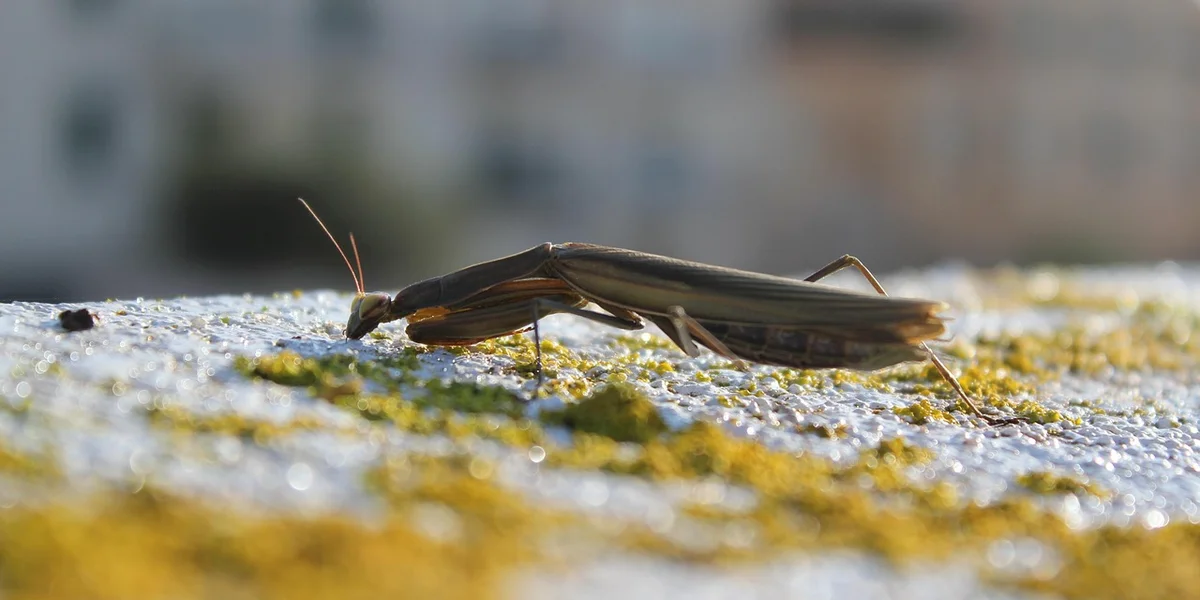
Keep your mantis’s quarantine space warm and stable, as these creatures rely on external heat to thrive. A steady temperature between 22°C and 28°C works well for most species, mimicking their natural tropical habitats. We use a small heat mat placed on one side of the enclosure, which lets our mantis move to cooler spots if needed. To heat safely, pair the mat with a thermometer or thermostat to prevent overheating. Regularly check temperatures across the enclosure to keep warmth even. From watching Moss, our energetic Giant Asian Mantis, we noticed he becomes more active and feeds better when the warmth is just right. Avoid direct sunlight or harsh lamps, as they can overheat the delicate environment quickly.
- Place a low-wattage heat mat under half the enclosure for a gentle gradient.
- Use a digital thermometer to check temperatures daily, adjusting as needed.
- If the room gets chilly, a spare towel wrapped around the container can hold heat without risking burns.
Sudden drops can stress your mantis, leading to poor appetite or molting troubles. Consistency is key-think of it as creating a cozy nook that feels like a mild summer day all year round.
Humidity Management
Humidity helps your mantis breathe easily and shed its skin smoothly during molts. Aim for 50% to 70% humidity, which you can measure with a simple hygrometer from a pet shop. To set up the perfect humidity level for your praying mantis enclosure, start with a baseline around 60% and adjust as needed. We lightly mist the enclosure walls each morning with warm water, creating a fine spray that settles like dew. Our Ghost Mantis, Luna, often perches near the moist areas, her frilled body soaking in the gentle moisture. Too much dampness, though, can invite mold, so we ensure the ventilation is good by adding small air holes.
- Spritz the enclosure once or twice daily with dechlorinated water.
- Add a shallow water dish or damp paper towel to boost humidity if it drops.
- Watch for condensation-if the walls stay foggy, reduce misting to prevent respiratory issues.
This balance keeps the air feeling fresh and earthy, much like a misty morning in a woodland garden. Proper humidity not only supports molting but also keeps your mantis hydrated and vibrant.
Daily Care and Observation During Quarantine
Feeding Schedule and Prey Safety
Feed your mantis small, live prey every two to three days to match its energy needs without overloading its system. Stick to gut-loaded insects like fruit flies or pinhead crickets, which are safe and nutritious for young mantises. This approach aligns with our ultimate guide on gut-loading feeder insects for mantises. Gut-loaded prey delivers essential nutrients to support growth and shedding. We offer food using soft-tipped tweezers for Sprig, our shy Orchid Mantis, who prefers a calm approach. Never use wild-caught prey, as they might carry pesticides or parasites that could harm your new friend.
- Provide prey that is smaller than your mantis’s head to avoid injury during feeding.
- Remove uneaten insects after an hour to prevent stress or bites.
- Adjust feeding frequency based on activity-if your mantis refuses food, skip a day and observe.
This routine builds trust and ensures your mantis gets the nutrients it needs to grow strong. By controlling the prey source, you reduce risks and create a peaceful mealtime ritual. If you’re exploring a complete diet, our feeding guide explains what prey to offer, appropriate sizes, and how often to feed. It also addresses common questions like do praying mantises eat a complete diet as they grow.
Health and Behavior Monitoring
Spend a few minutes each day watching your mantis for signs of wellness or concern. Healthy mantises show alertness, smooth movements, and a willingness to eat when food is offered. Note any changes in posture, like drooping limbs or a hunched back, which could signal stress or illness. We keep a simple journal for Luna and Moss, jotting down notes on their activity levels and any molting events.
- Check for clear eyes, intact limbs, and a firm grip on surfaces.
- Look for normal behaviors such as grooming antennae or exploring the enclosure.
- Be alert for red flags like lethargy, discoloration, or refusal to eat for more than two days.
Early detection lets you address issues before they escalate, much like tending to a delicate plant before it wilts. Regular observation helps you learn your mantis’s unique personality and needs, making quarantine a bonding time.
Quarantine Duration and Safe Release
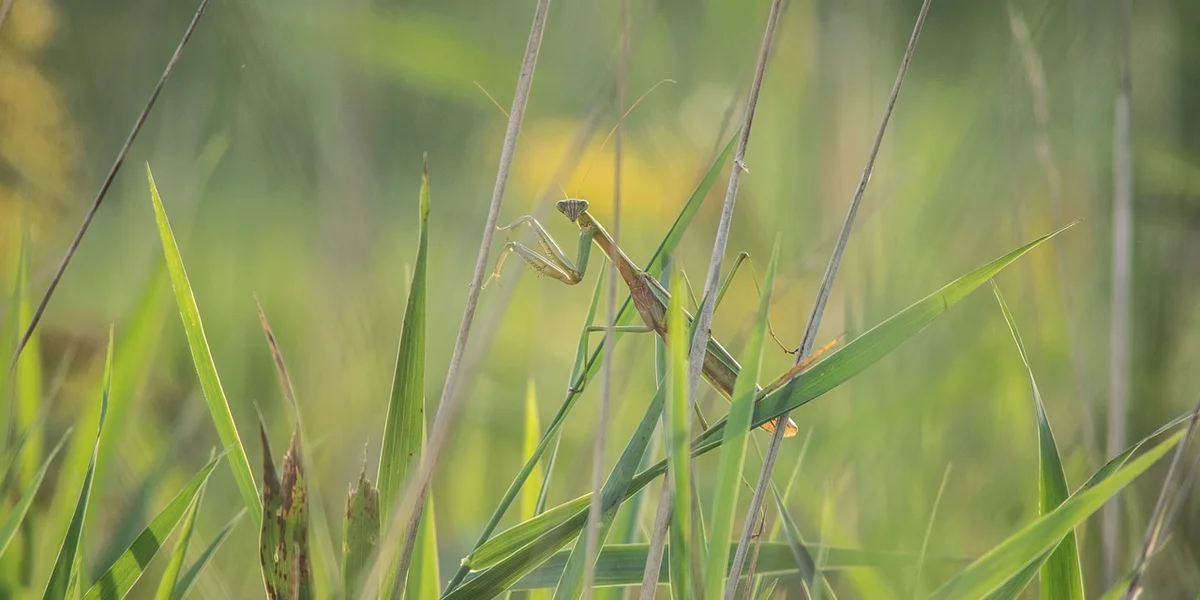
Quarantine typically spans two to four weeks, giving us ample time to observe your new mantis for any hidden health issues. This waiting period acts as a gentle buffer, ensuring no unwelcome pests or illnesses sneak into your main collection. We find that a full month offers the best balance, allowing even slow-developing problems to surface without stressing the mantis unduly.
Factors like the mantis’s origin and initial health can shift this timeline slightly. Mantises from reputable breeders might need less time, while wild-caught ones deserve a more cautious approach. Watch for steady feeding, normal molting, and active exploration—these are all positive signs that release is near. For hobbyist breeders, a simple genetics primer helps you anticipate trait inheritance. It guides you toward informed, healthier breeding choices.
Assessing Readiness for Release
Before moving your mantis, run through a simple health checklist to confirm everything is in order. A ready mantis will show bright, alert eyes, a plump abdomen from regular meals, and smooth, intact limbs without any discoloration or spots. I always check my Ghost Mantis, Luna, for her calm, deliberate movements and that subtle head tilt she gives when she’s curious and content.
- Consistent appetite: They eagerly accept food every few days.
- Clear, active behavior: No lethargy or unusual hiding.
- Successful molting: Recent skin sheds without complications.
- Clean enclosure: No signs of mites, mold, or odd droppings.
If any doubts linger, extend quarantine by another week-it’s better to be patient than risk your other pets. Trust your instincts; you’ll know when your mantis is thriving and ready for its forever home.
Post-Quarantine Sanitation and Safety
Once your mantis settles into its main habitat, focus on thoroughly cleaning the quarantine setup to prevent any cross-contamination. A deep clean removes potential pathogens and gives you a fresh start for future newcomers. We use warm water and a mild, pet-safe disinfectant, scrubbing every nook where mites or bacteria could lurk. This is an essential step before setting up your pet’s main enclosure.
Disassemble the enclosure and soak items like branches and dishes in a vinegar solution for about thirty minutes. Rinse everything well to eliminate chemical residues that could harm delicate mantis skin. If you accidentally sprayed cleaner near your mantis, relocate him to a clean space right away and rinse exposed surfaces. Then proceed with the vinegar soak and a thorough rinse to remove residues. I remember doing this after Moss’s quarantine; the fresh, earthy scent of his clean terrarium was so reassuring.
- Remove all substrate and decorations from the quarantine tank.
- Wash surfaces with a diluted bleach solution (1 part bleach to 10 parts water).
- Rinse thoroughly and air-dry completely in sunlight if possible.
- Inspect tools like tweezers and spray bottles, sanitizing them too.
Store the cleaned items separately until next use, and always wash your hands after handling different enclosures. This routine keeps your mantis family safe and your care space invitingly pristine.
FAQs on Mantis
Can you house more than one mantis in quarantine?
It is not recommended to house multiple mantises together during quarantine to prevent aggression and stress. Keeping them separate ensures individual health monitoring and reduces the risk of disease spread. This approach also helps prevent common parasites and diseases in mantises by allowing quicker detection and targeted treatment. By quarantining and observing each mantis individually, you can address parasite issues early before they spread.
What signs indicate disease or stress during quarantine?
Watch for lethargy, refusal to eat, or unusual discoloration as potential signs of illness. Stress may also show through erratic movements, excessive hiding, or difficulties in molting.
Are there legal requirements for mantis quarantine in your area?
Legal requirements for mantis quarantine vary by region, so always check local wildlife and pet regulations. Some areas may impose restrictions on species import or ownership to protect native ecosystems.
A Gentle Farewell to Your Quarantine Journey
We always start by isolating new mantises in a simple, separate setup to watch for any hidden health concerns. By watching behavior during quarantine, we can spot common health and behavior issues early. This is especially helpful since many mantis problems arise from stress, improper housing, or inconsistent feeding. This careful approach helps your mantis adjust safely and protects your existing pets from potential risks.
Embracing responsible ownership means making your mantis’s well-being a daily priority through attentive care. We find that continuous learning about their unique needs enriches both your experience and their quality of life.
Further Reading & Sources
- Testing times, a Praying Mantis and a countdown to freedom in the Interim Quarantine Bureau – The Moodie Blog
- Praying Mantid caresheet – Amateur Entomologists’ Society (AES)
- r/mantids on Reddit: Advice on caring for mantises
- A wing and a prayer: Chickens, praying mantises among likely lanternfly enemies | Penn State University
Rowan Hale is a lifelong insect enthusiast who fell in love with mantises for their calm presence, alien elegance, and surprising personalities. After years of keeping and raising a variety of species, Rowan shares practical tips, creative insights, and real-world experience to help others enjoy the quiet magic of mantis care. From setting up the perfect enclosure to understanding their subtle behaviors, Rowan invites readers into a gentle, curious world where every tiny movement feels like a discovery.
Preventative Care