
How to Create and Maintain a Clean Feeder Insect Culture
Published on: February 4, 2026 | Last Updated: February 4, 2026
Written By: Rowan Hale
Hello there, fellow insect lover. There’s a quiet, steady satisfaction in watching a colony of feeder insects thrive, a miniature ecosystem bustling in a simple container on your shelf.
A clean feeder insect culture is your secret weapon for providing nutritious, safe food for your pets while preventing mould, mites, and unpleasant odours from taking over.
Cultivating your own live food might sound complex, but it truly comes down to a few simple, consistent habits. We’ll walk you through the entire process, from setting up your first bin to troubleshooting common issues.
Your key takeaways are simple:
- Start with the right container and a healthy starter colony.
- Provide a balanced diet and a consistent source of hydration.
- Perform regular maintenance to remove waste and refresh the habitat.
Understanding Clean Feeder Insects and Their Importance
In pet mantis care, clean feeder insects are those bred in tidy, controlled setups where they eat wholesome foods and live free from dirt, pests, or harmful chemicals. Think of them as little nutrient parcels that pass on vitality rather than trouble to your mantis. If a mantis eats a poisonous insect, toxins can upset its digestion or lead to illness. To minimize this risk, stick to clean feeder insects and inspect prey before feeding.
Keeping cultures clean stops diseases and parasites from sneaking in, much like how a well-tended garden wards off blight. Dirty feeders can introduce mites or bacteria that weaken your mantis, leading to sluggishness or worse.
Here are the top perks of maintaining spotless feeder insects:
- Healthier mantises with brighter colors and more energy
- Better nutrition through gut-loading with fresh veggies
- Easier harvesting from odour-free, manageable colonies
Selecting the Best Feeder Insects for Your Mantis
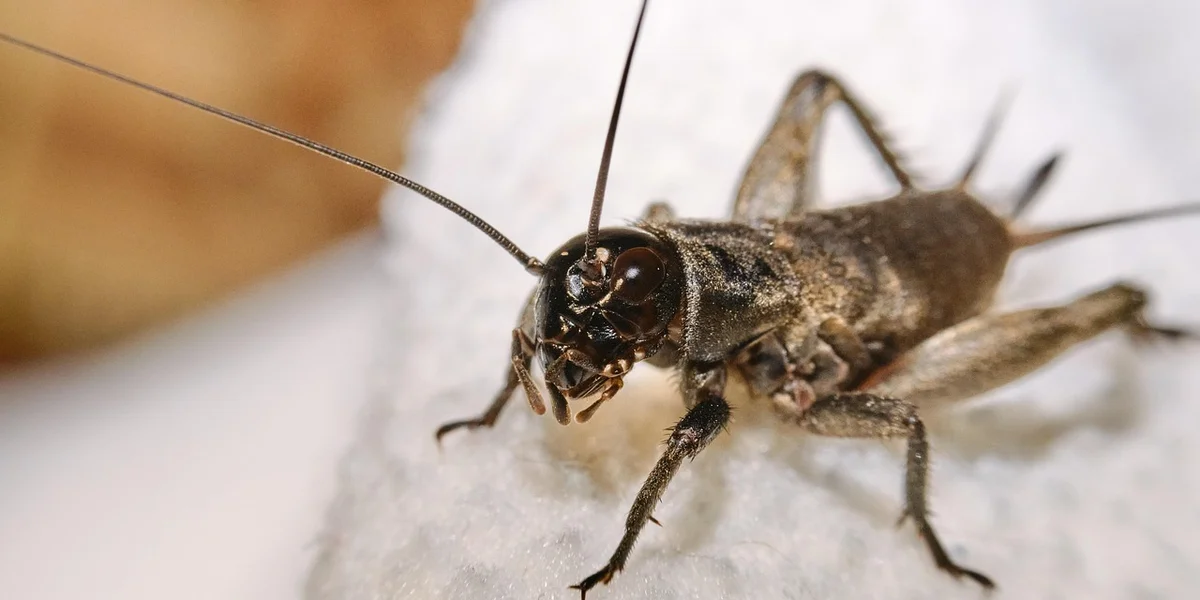
We often weigh options like crickets, roaches, and fruit flies, each with their own quirks. Crickets are lively and widely available, but they can be noisy and need frequent cleaning to avoid odours. In particular, nutrition—protein, fat, and mineral balance—drives the choice between crickets and dubia roaches. We’ll compare which is more nutritious for your feeders.
Roaches, such as dubia types, are quiet and packed with protein, making them a favourite for larger mantises. Fruit flies work wonders for tiny nymphs, offering a gentle meal that’s easy to catch. Nymphs need a diet suited to their size to grow healthy.
Match the feeder to your mantis’s size and species for a safe, satisfying diet. Small species like orchid mantises do best with fruit flies, while hefty ones like Moss, our Giant Asian, relish roaches. For a comprehensive list of insects mantises can eat, check out our guide. It will help you diversify their diet while staying appropriate to their size and species.
When sourcing breeding stock, pick insects that are active, have smooth bodies, and come from trusted suppliers. Always inspect new arrivals for signs of health, like quick movements and clear markings, to start your culture strong.
Gathering Your Culture Setup Supplies
-
Start with a sturdy, clear plastic container-like a medium-sized tub with a secure lid-that lets you monitor your insects without frequent openings.
Drill or punch small air holes in the lid and cover them with fine mesh to prevent escapes while allowing fresh airflow.
This simple setup reduces contamination risks and keeps your feeder colony visible and manageable.
-
Choose substrates like oat bran or wheat bran, which absorb moisture well and resist mold better than richer options.
Mix in a bit of dried leaf litter or cardboard egg carton pieces to give insects hiding spots and improve aeration.
A dry, loose substrate helps maintain a clean environment by discouraging dampness that attracts pests.
-
Use a digital thermometer and hygrometer to track conditions-aim for a stable temperature around 75-80°F and humidity under 60%.
A small heat mat placed under one side of the container creates a gentle warmth gradient for insect comfort.
Monitoring tools let you spot changes early, so you can adjust before mold or stress affects your culture.
Setting Up Your Feeder Insect Culture Step by Step
-
Wash your container and lid with warm, soapy water, then rinse thoroughly to remove any residue.
Sterilize by wiping with a diluted vinegar solution or a quick spray of isopropyl alcohol, and let it air dry completely.
A clean start prevents bacteria and mold from taking hold in your new feeder home.
-
Add a 1-2 inch layer of your chosen substrate, such as oat bran, and lightly mist it with water until it feels like damp sand.
Squeeze a handful-if water drips out, it is too wet; add more dry substrate to balance it.
Proper moisture keeps insects hydrated without creating a breeding ground for fungi.
-
Gently introduce 10-15 healthy adult insects as your breeding stock, avoiding overcrowding to reduce waste buildup.
Place a slice of carrot or potato on the substrate for immediate food and moisture, and scatter a bit of bran for grazing.
Starting with a small group allows the culture to establish slowly, making it easier to maintain cleanliness.
Maintaining Your Culture with Daily and Weekly Routines
Caring for feeder insects is like tending a tiny garden – it thrives on consistency and attention. In our ultimate guide to gut-loading feeder insects for mantises, you’ll learn how to maximize nutrition. A steady routine keeps your cultures vibrant and ready to nourish your mantis.
Feeding Regime and Diet Quality Checks
Feed your insects small portions each day to mimic their natural foraging habits. Offer a mix of fresh fruits and vegetables, such as apple slices, carrot pieces, or leafy greens, to boost their nutritional value. Rotate foods to prevent boredom and ensure a balanced diet.
- Check food daily for mold or wilting-discard anything questionable immediately.
- Provide commercial gut-loading diets occasionally for an extra nutrient punch.
- Observe how quickly food is consumed; slow eating may signal health issues.
I often watch Luna, my Ghost Mantis, perk up when her fruit flies are plump from a varied menu. Healthy feeders mean a happier, more active mantis.
Watering Methods to Avoid Contamination
Hydrate your cultures without introducing risks like mold or bacteria. Use water gels or fresh, water-rich veggies like cucumber or zucchini slices to provide moisture safely. These methods prevent standing water that can attract pests or cause drowning.
- Replace water sources every 1-2 days to keep them clean and effective.
- Avoid misting directly into the enclosure, as excess dampness encourages mold.
- Monitor humidity levels-a slightly moist environment is ideal, not soggy.
When I care for Moss, my Giant Asian Mantis, I rely on cucumber wedges to maintain just the right humidity. This simple approach keeps his feeder crickets hydrated and contamination-free.
Cleaning Schedule for Container Hygiene
Regular cleaning prevents waste buildup and keeps your cultures healthy. Do a quick daily check to remove dead insects, uneaten food, and frass (insect waste). This spot-cleaning reduces odors and deters pests.
- Once a week, perform a deep clean: empty the container, scrub it with mild soap, and rinse well.
- Replace substrate or bedding materials weekly to maintain freshness.
- Inspect for mites or mold during cleaning-catch problems early to avoid spread.
With Sprig, my Orchid Mantis, I’ve found that a weekly tidy-up keeps her fruit fly cultures smelling earthy and clean. Consistent hygiene means fewer worries and healthier feeders.
Implementing Sanitation and Contamination Prevention
Keeping your cultures free from germs and pests requires thoughtful habits. Good sanitation protects your mantis from potential illnesses passed through feeders. To prevent common parasite diseases in praying mantises, quarantine new prey and inspect it for parasites before feeding. Regularly clean and sanitize enclosures to minimize parasite exposure.
Sanitation Protocols for Regular Disinfection
Disinfect tools and containers every few weeks to kill hidden pathogens. Use a diluted bleach solution (1 part bleach to 10 parts water) or white vinegar for a natural clean. Soak items for 10-15 minutes, then rinse thoroughly and air-dry completely before reuse.
- Wash your hands before and after handling cultures to prevent cross-contamination.
- Sanitize feeding dishes and water sources during each deep clean.
- Store cleaning supplies separately to avoid accidental exposure to insects.
I once had a scare with mold in a cricket bin, but a bleach wipe-down saved the colony. Regular disinfection turns potential disasters into manageable moments.
Quarantine Procedures for New Cultures
Isolate new feeder insects before adding them to your setup. Keep them in a separate container for at least 7-10 days to watch for signs of mites, illness, or weak activity. This quarantine period acts as a safety net for your existing cultures. For a new praying mantis, follow a similar step-by-step quarantine protocol before introducing it to the enclosure. This practice helps prevent transferring pathogens and ensures a smoother transition into your current setup.
- Observe new insects for abnormal behavior, like lethargy or discoloration.
- Avoid sharing tools between quarantined and established cultures until cleared.
- Introduce them slowly-start with a small group to test compatibility.
When I brought home a new batch of flies for Luna, the quarantine caught a few sluggish ones early. Patience here prevents bigger problems down the line.
Airflow and Ventilation to Reduce Mold and Mites
Proper ventilation keeps the environment fresh and discourages unwanted guests. Use containers with mesh lids or small drilled holes to allow steady air flow without drafts. This balance reduces humidity buildup that mold and mites love.
- Place cultures in a well-ventilated area, away from direct sunlight or damp corners.
- Check for condensation on walls-wipe it dry to maintain ideal conditions.
- If mites appear, increase ventilation and consider natural remedies like diatomaceous earth.
Moss’s cricket bin stays mite-free thanks to a mesh top that lets in gentle breezes. Good airflow is like a breath of fresh air for your feeder insects’ home.
Troubleshooting Common Culture Problems
Identifying and Managing Contaminants
Spotting contaminants early keeps your feeder insects thriving and your mantis safe. Regular visual checks are your first line of defence against unseen threats.
- Inspect for mites-they look like tiny, scurrying specks on insects or enclosure walls. Fungus often shows as white, cottony patches, while a musty smell signals mold growth. Other pests might leave fine webs or unusual debris.
- Treat mites by removing affected insects and wiping surfaces with a diluted vinegar solution. For fungus, reduce moisture and apply safe antifungal sprays. Always sterilise tools between cultures to prevent cross-contamination.
- Balance moisture by misting lightly and ensuring proper ventilation. Too much humidity encourages mold; too little can dehydrate insects and attract mites.
Preventing and Controlling Outbreaks
Stopping outbreaks before they start saves time and keeps your cultures healthy. Proactive care reduces the need for drastic measures later on.
- Control mites with food-grade diatomaceous earth sprinkled around the enclosure base. Manage mold by increasing air flow and removing uneaten food promptly to avoid damp spots.
- Dispose of a culture if over half the insects are contaminated or if problems persist after treatment. Starting fresh is safer than risking your mantis’s meal source.
- When Luna’s cricket culture developed mites, we isolated it, cleaned with warm soapy water, and reintroduced healthy insects. Her thoughtful head tilts returned once she had clean prey again.
Scaling and Managing Multiple Feeder Cultures
Handling several cultures at once calls for simple systems to stay organised. Good management ensures a steady supply of feeders without overwhelm.
- Monitor populations by counting insects weekly and noting any sudden drops. Use a basic chart or digital app to track numbers and health trends.
- Keep records of breeding cycles-jot down egg-laying dates and hatching times. This helps you anticipate when new feeders will be ready.
- Minimise odours with regular cleaning and well-ventilated lids. Stack enclosures vertically to save space, but allow air circulation around each one.
Common Mantis Queries
What distinguishes clean feeder insects from regular ones?
Clean feeder insects are specifically bred in controlled, hygienic environments to avoid contaminants like mold or pests. They consume nutritious diets, ensuring they pass on only health benefits to your mantis without risks. If you’re wondering ‘do praying mantises eat a complete diet?’, a concise feeding guide can help you ensure balance. A complete diet feeding guide covers what prey to offer, how often to feed, and how to avoid common nutrition gaps.
Why are clean feeder insects essential for mantis health?
Using clean feeders prevents the transmission of diseases and parasites that could weaken or sicken your mantis. This leads to more vibrant colors, higher energy levels, and overall better well-being for your pet.
How can I prevent my feeder insect culture from becoming contaminated?
Implement regular cleaning routines and use safe hydration methods like water gels to minimize mold and bacteria growth. Always quarantine new insects before introduction and maintain proper ventilation to deter pests.
Gentle Steps to Keep Your Feeder Cultures Flourishing
By keeping your feeder insect enclosures clean and well-stocked with fresh food, you prevent common issues like mold and disease. Keep the mantis habitat clean and well-maintained. Regularly wipe surfaces and remove uneaten prey to prevent buildup. Regular monitoring and timely adjustments ensure your mantis always has access to nutritious, safe prey.
Responsible pet ownership means caring for every detail of your mantis’s environment, from feeders to habitat. We encourage you to keep exploring and learning, as this ongoing curiosity deepens the bond with your pet and supports their long-term health. A healthy pet mantis supplies checklist can help you stay on track with the essentials for enclosure, nutrition, humidity, and safety.
Further Reading & Sources
- Has anyone had success keeping “cleaner” beetles with feeder insects? Are they worth the hype? | Arachnoboards
- Caring for Feeder Insects
- Feeder Insect Care & Setup | PetSmart
- Buy Live Feeder Insects for sale feeder insects reptile
Rowan Hale is a lifelong insect enthusiast who fell in love with mantises for their calm presence, alien elegance, and surprising personalities. After years of keeping and raising a variety of species, Rowan shares practical tips, creative insights, and real-world experience to help others enjoy the quiet magic of mantis care. From setting up the perfect enclosure to understanding their subtle behaviors, Rowan invites readers into a gentle, curious world where every tiny movement feels like a discovery.
Breeding Practices