
What Purpose Do Praying Mantises Serve in Nature?
Hello, mantis friend! Have you ever watched a praying mantis in your garden, its front legs folded like gentle hands, and wondered what secret role this quiet hunter plays in the wild?
Praying mantises act as natural pest controllers, balancing insect populations and enriching ecosystems through their predatory habits and unique place in the food web.
But their purpose isn’t simple-it weaves through layers of nature, from tiny backyard dramas to broader environmental health.
Here’s a quick look at what we’ll uncover:
- How mantises keep gardens free of unwanted insects
- Their dual role as hunters and occasional prey for birds or reptiles
- The subtle ways they support plant diversity and soil health
- Why observing mantis behavior can signal changes in local habitats
Meet the Mantis: A Gentle Introduction to Nature’s Hunter
When you first observe a praying mantis, you witness pure, patient stillness. Their entire existence is built around this quiet observation, a living lesson in the power of waiting for the perfect moment. We often find our own mantis, Luna, poised like a tiny, brown leaf, her world reduced to the subtle movements in front of her.
Their famous “praying” posture is actually a hunter’s crouch. This signature stance keeps their powerful, spiked forelegs-called raptorial legs-folded and ready for a strike that’s faster than the human eye can follow. It’s a beautiful deception, a calm exterior hiding explosive potential.
Beyond their hunting prowess, mantises are masters of disguise. Their bodies have evolved to blend in perfectly with their surroundings. What makes praying mantises so special are their unique characteristics—triangular heads with swiveling necks and powerful, raptorial forelegs. These traits, along with their camouflage, set them apart in the insect world.
- Camouflage Experts: Species like the Ghost Mantis mimic crumpled, dead leaves, while Orchid Mantises look like delicate flower petals.
- Subtle Swaying: Many mantises will rock gently back and forth, mimicking a leaf or twitch moving in the breeze to avoid detection.
- Patient Ambushers: They rarely chase prey. Instead, they become part of the landscape, waiting for an unsuspecting insect to wander within reach.
This combination of stealth and patience makes them one of the most efficient invertebrate predators in any garden or terrarium. By observing them, we learn that the most effective action is sometimes no action at all, just quiet readiness.
The Art of the Hunt: Mantises as Skilled Predators
The mantis hunt is a breathtaking display of precision and power. Their strike is so incredibly fast that it’s often over before you even realize it has begun, a testament to their specialized predatory anatomy. Our male Giant Asian, Moss, demonstrates this with a captivating intensity every feeding day. In a broader feeding schedule species comparative guide, scientists compare how often different mantis species eat and how they pace their hunts. This helps hobbyists tailor care and feeding to each species.
Their success hinges on two extraordinary physical adaptations that work in perfect harmony.
- Binocular Vision: Mantises have excellent depth perception. Their large, widely-spaced eyes can judge distance with pinpoint accuracy, calculating the exact moment to launch an attack.
- Raptorial Forelegs: These folded arms are spring-loaded. When extended, they shoot out and snap shut, impaling the prey on sharp spines to prevent any escape.
This hunting technique provides a vital service in the ecosystem. By preying on common insects, mantises act as a natural, chemical-free form of pest control. They help maintain a healthy balance in your garden or the wider environment. To support this natural role, create a naturalistic, safe habitat for your praying mantis with native plants, shelter, and minimal pesticides. This setup helps mantises thrive while continuing to keep garden pests in check.
Their diet is varied, which contributes to their role as a keystone predator in many micro-habitats.
- Primary Targets: Flies, moths, crickets, and grasshoppers are common meals.
- Larger Prey: Some larger species can take down small frogs, lizards, and even hummingbirds.
- Garden Allies: For gardeners, they are welcome residents that help control aphids, caterpillars, and other plant-eating insects.
Watching a mantis hunt is to see evolution in its most elegant and efficient form. They are not mindless killers but calculated hunters, playing a specific and crucial role in the intricate web of life. Every captured pest is a reminder of the delicate balance they help uphold. Understanding their hunting behavior can deepen your appreciation for these fascinating creatures.
Garden Guardians: Natural Pest Control in Action
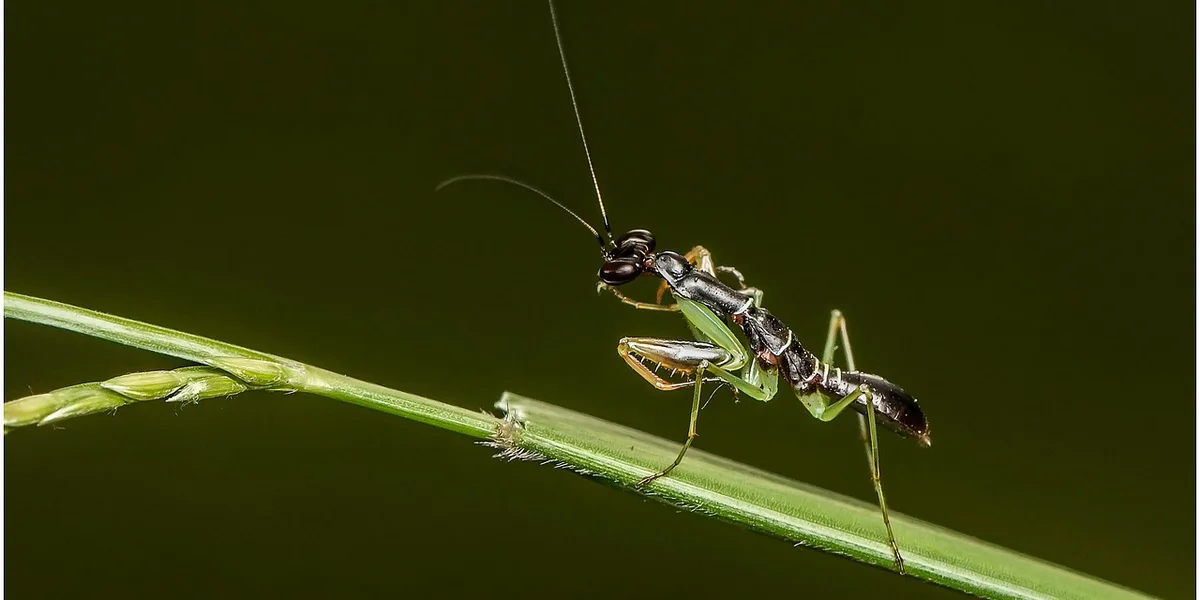
Praying mantises are like quiet sentinels in your garden, patiently waiting to strike at unwanted visitors. Their sharp eyes and lightning-fast reflexes make them expert hunters of common pests like aphids, caterpillars, and flies. If you’re curious about the full menu, here’s a comprehensive list of insects mantises commonly eat. They can dine on a wide range—from aphids and caterpillars to crickets, flies, and beetles. We often watch our Ghost Mantis, Luna, perch on a leaf with her delicate frills blending in, tilting her head before snatching a mosquito mid-air.
These insects don’t just reduce pest numbers—they help maintain plant health without chemicals. By preying on insects that damage crops, mantises support organic gardening and reduce the need for pesticides. In our own setup, Moss, the Giant Asian Mantis, eagerly hunts beetles that might otherwise nibble on tender seedlings. To foster a praying mantis-friendly garden, plant nectar-rich flowers and provide shelter. This helps attract mantises and other beneficial insects for even stronger natural pest control.
How Mantises Hunt and What They Eat
Mantises use a sit-and-wait strategy, relying on camouflage to ambush prey. Their diet includes a variety of garden nuisances, which keeps ecosystems in check naturally. Praying mantis species are among the best natural pest control options for many gardens. They help keep pest populations in check without chemical interventions. Here’s a list of common pests they control:
- Aphids – tiny sap-suckers that weaken plants
- Caterpillars – leaf-munchers that can defoliate greens
- Flies and mosquitoes – carriers of disease and irritants
- Beetles – often destructive to flowers and vegetables
When you spot a mantis in your garden, it’s a sign of a healthy environment. Their presence means fewer pests and more vibrant, thriving plants. We’ve noticed how Sprig, our Orchid Mantis, adds a touch of beauty while keeping our indoor plants pest-free with her shy but effective strikes.
Web of Life: Supporting Biodiversity and Balance
Praying mantises play a key role in the intricate web of life, acting as both predators and prey. They help control insect populations, which prevents any one species from dominating and upsetting ecological balance. In nature, this means more diversity among plants and animals, as overgrazing by pests is kept in check. In gardens, this raises the question of whether praying mantises are beneficial pest control. They can help reduce many garden pests, but they are generalist feeders and may also eat beneficial insects.
As part of the food chain, mantises provide meals for birds, bats, and larger insects. This cycle of life ensures nutrients are recycled and habitats remain stable over time. We’ve observed how our mantises, like Moss, contribute to this balance even in captivity by mimicking natural behaviors.
Contributions to Ecosystem Health
Mantises support biodiversity by influencing which plants and insects thrive. Their hunting habits encourage a mix of species, leading to stronger, more resilient environments. Here are ways they foster balance:
- Pollinator protection – by eating pests that harm bees and butterflies
- Soil health – reduced pest damage means healthier plant roots and less erosion
- Species variety – their presence allows less competitive plants and insects to flourish
In a well-balanced garden, mantises are a gentle force for good. They remind us that every creature, no matter how small, has a part to play in nature’s symphony. Watching Luna molt or Sprig explore new branches, we see how their quiet actions ripple through the ecosystem, promoting harmony and sustainability.
Bringing Nature Home: Insights for Pet Mantis Care
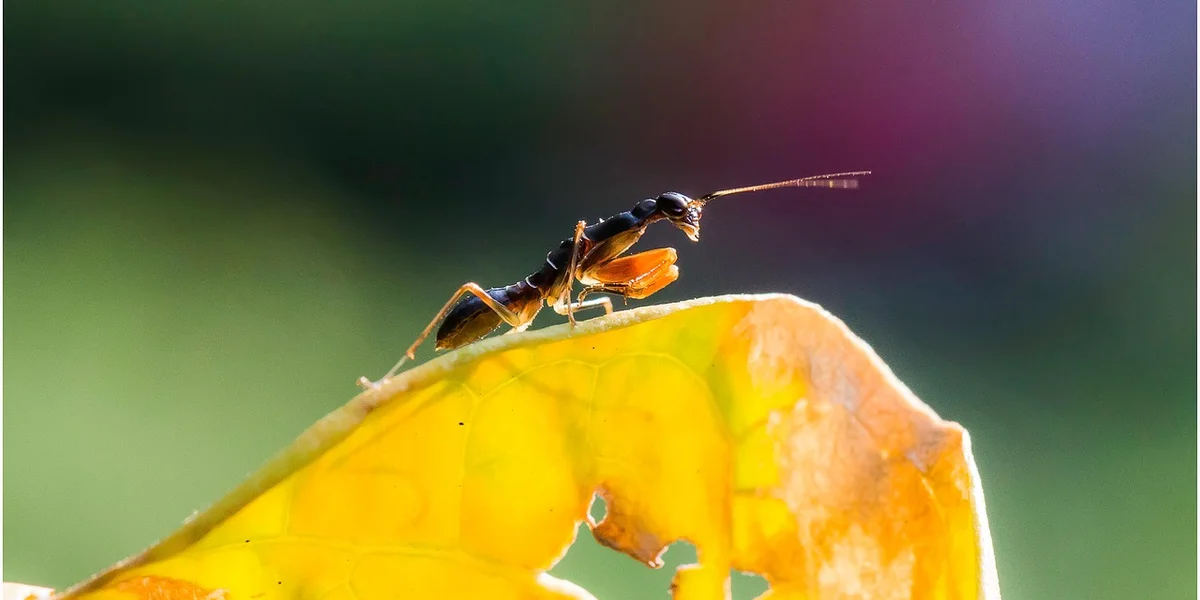
Welcoming a mantis into your home connects you directly to nature’s quiet rhythms. We find their presence teaches us to slow down and observe the small, deliberate movements of life. Their care becomes a gentle ritual of misting, feeding, and watching.
Creating a Supportive Habitat
A proper enclosure mirrors the security of their wild environment. Start with a tall, well-ventilated terrarium that allows for climbing and molting.
- Use live or artificial plants with broad leaves for perching
- Include several thin branches or twigs reaching the top
- Choose a substrate like coconut fibre or sphagnum moss to hold humidity
- Maintain appropriate temperature gradients with gentle heating if needed
Proper vertical space is non-negotiable for successful molting, the most vulnerable time in a mantis’s life. Our Moss, a Giant Asian mantis, always seeks the highest point in his enclosure before shedding his skin.
Understanding Feeding Behaviours
Watching a mantis hunt reveals their role as precision predators. Their feeding habits reflect their natural pest control function. While they are carnivores, mantis cannibalism and carnivory can occur in some cases, particularly during mating. This underscores their intensely carnivorous nature.
- Offer appropriately sized live prey like fruit flies or crickets
- Feed juveniles every 1-2 days, adults 2-3 times weekly
- Remove uneaten prey to prevent stress to your mantis
- Gut-load feeder insects with nutritious foods before offering
That moment of stillness before the strike demonstrates perfect evolutionary adaptation. Even our delicate Ghost mantis Luna becomes a formidable hunter when prey wanders into her reach.
Ethical Stewardship: Sourcing and Releasing with Care
Responsible mantis keeping begins before you even bring your new companion home. Every ethical decision we make supports both individual welfare and broader conservation. Thoughtful sourcing protects wild populations.
Choosing Your Mantis Responsibly
Captive-bred mantises from reputable breeders are always the preferred choice. They’re accustomed to enclosure life and free from parasites. Regarding ease of breeding in captivity, Easiest mantises to breed include Carolina mantises and Chinese mantises, which are commonly considered the easiest to breed. They adapt well to enclosure life and tend to reproduce reliably under hobbyist conditions.
- Research breeders with positive reviews and transparent practices
- Ask about the mantis’s age and previous molting history
- Avoid wild-caught specimens unless rescuing from certain harm
- Consider species suitability for your experience level and climate
Selecting captive-bred individuals helps preserve wild populations and gives you a healthier, more predictable pet. Our orchid mantis Sprig came from a specialist breeder who documented her entire lineage.
The Truth About Releasing Pet Mantises
Releasing a captive-raised mantis into the wild often sentences them to a slow death. They lack necessary survival skills and may introduce diseases.
- Captive mantises don’t learn wild hunting techniques from their parents
- They’re unfamiliar with local predators and hiding places
- They may carry pathogens harmful to native populations
- Their coloration might not camouflage in unfamiliar environments
If you can no longer care for your mantis, seek responsible rehoming through mantis enthusiast groups or local pet shops. The humid, earthy scent of their enclosure represents the only world they’ve ever known.
When Wild Collection Might Be Considered
There are rare circumstances where temporary captivity serves a conservation purpose. These situations require careful judgment.
- Rescuing mantises from construction sites or hazardous locations
- Briefly housing injured individuals for recovery and release
- Educational purposes with proper permits and expertise
- Scientific observation with minimal disturbance
Always prioritize the mantis’s welfare over our desire to observe them up close. That soft rustle of leaves as they move reminds us we’re temporary guardians of wild creatures.
Common Mantis Queries
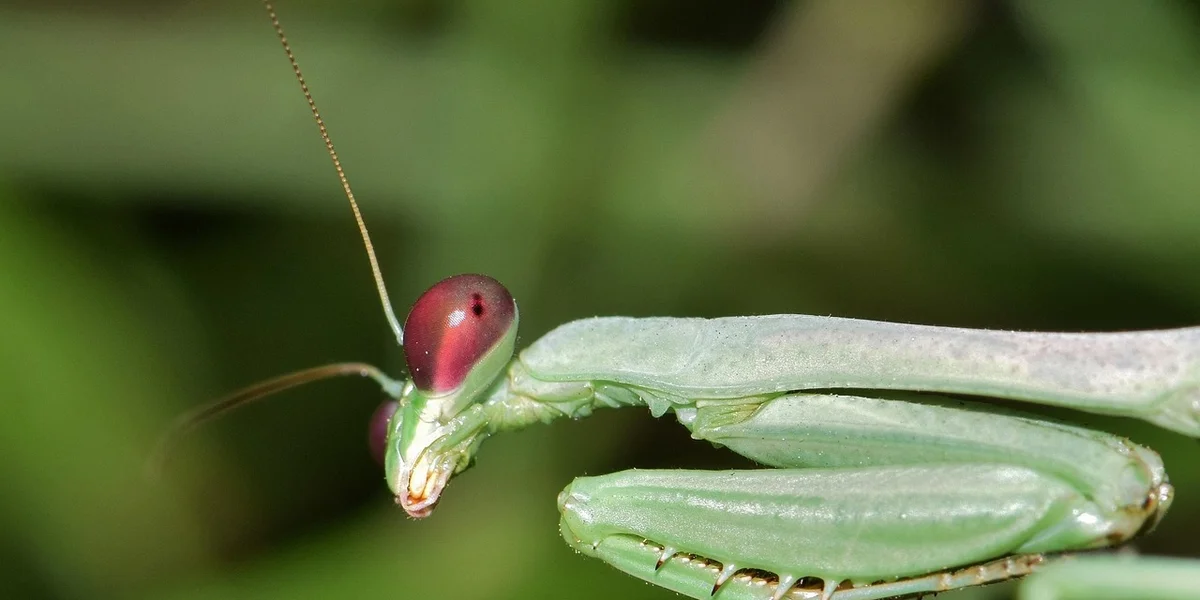
What are the rules for releasing a pet praying mantis into the wild?
Releasing a captive-bred mantis is highly discouraged as they lack the survival skills for the wild. It is more ethical to seek rehoming through enthusiast communities or local pet shops.
Where can I find a PDF on the “rules of nature” for keeping mantises?
While a formal “rules of nature” PDF doesn’t exist, reputable breeder websites and care forums offer detailed husbandry sheets. These resources translate their natural needs into successful captive care guidelines.
My mantis is having trouble with its molt, should I help extract it?
You should never manually pull a mantis from its old exoskeleton, as this can cause severe injury or death. Ensure the habitat has proper humidity and plenty of vertical space to facilitate a successful, natural molt.
Bringing Nature’s Wisdom into Your Mantis Care
By recognising how mantises act as natural pest controllers and vital parts of the food web, we can better meet their needs in captivity with proper feeding and habitat setups. Observing their wild roles teaches us to offer live prey and climbing spaces that support their instinctive behaviours for a thriving pet.
We encourage you to embrace the journey of responsible mantis keeping by staying curious and open to new care techniques. Continuous learning about your mantis’s unique traits ensures you provide a safe, enriching home that mirrors the gentle balance of their natural world.
Further Reading & Sources
- What Is a Praying Mantis? Facts, Benefits and Environmental Role | Entomology and Nematology Online| University of Florida Entomology and Nematology Online Programs
- All About Praying Mantises, Climate, and Temperature – Insect Lore
- Biology, ecology, and biogeography of eremic praying mantis Blepharopsis mendica (Insecta: Mantodea) – PMC
- Praying Mantis means good ecosystem | Flowers, Fruits, and Frass | Illinois Extension | UIUC
Rowan Hale is a lifelong insect enthusiast who fell in love with mantises for their calm presence, alien elegance, and surprising personalities. After years of keeping and raising a variety of species, Rowan shares practical tips, creative insights, and real-world experience to help others enjoy the quiet magic of mantis care. From setting up the perfect enclosure to understanding their subtle behaviors, Rowan invites readers into a gentle, curious world where every tiny movement feels like a discovery.
Native Mantids