
What Praying Mantis Species Are Best for Pest Control?
Published on: February 27, 2026 | Last Updated: February 27, 2026
Written By: Rowan Hale
Hello there, mantis friend. Have you ever watched aphids slowly conquer your prized roses or seen cabbage white butterflies fluttering too confidently around your vegetable patch?
The best praying mantis species for pest control are the European Mantis, Chinese Mantis, and Carolina Mantis, due to their hardy nature, large appetites, and adaptability to various garden environments.
But choosing the right mantis is more nuanced than simply picking the biggest one. We must consider their hunting style, local climate suitability, and even their lifespan.
Here are the key points we’ll explore together:
- How different mantis species target specific pests.
- Which species thrive in your particular region.
- The importance of a mantis’s life cycle for season-long pest control.
- How to create a welcoming habitat that encourages these natural predators to stay.
Why Praying Mantises Make Excellent Natural Pest Controllers
Praying mantises work as silent garden guardians, using their stealth and precision to keep pest populations in check without any harmful chemicals. Their natural hunting instincts make them a safe, eco-friendly choice for reducing unwanted insects in your home or garden. We often watch our mantis, Moss, perch motionless for hours before striking a fly with lightning speed—it is a reminder of how effective they are at controlling pests without any fuss. In terms of garden pest control, they can be beneficial by reducing many common pests. However, as generalist predators, they may also consume some beneficial insects.
These insects thrive on a diet of common nuisances like aphids, mosquitoes, and caterpillars, which means they can target the very bugs that damage plants or bother you indoors. By introducing a mantis, you are adding a living pest control system that adapts to its surroundings and hunts with remarkable efficiency. To maximize their impact, design a praying mantis-friendly garden that also attracts other beneficial insects with native flowering plants and sheltering shrubs. Keep pesticides away and provide undisturbed spots for egg cases to hatch, fostering a natural pest-control community. Their ability to blend into foliage means they can work unnoticed, making them ideal for organic gardening or indoor plant care where chemicals are not an option.
Mantises are low-maintenance helpers that do not require special equipment or constant attention, just a suitable habitat and regular feeding. We have found that their presence alone can deter pests, as many insects avoid areas where mantises are active. For instance, Luna, our Ghost Mantis, has a calm demeanor but clears out small flies from her enclosure in no time, showing how even smaller species contribute effectively.
Key Factors to Consider When Choosing a Mantis for Pest Control
Size and Appetite: Bigger Mantis, Bigger Pest Control
Larger mantis species generally consume more prey, making them better suited for tackling bigger pest problems like grasshoppers or moths. A mantis like the Giant Asian variety can handle larger insects, so if your garden has substantial infestations, opt for a species with a hearty appetite. Our Moss, an adult male Giant Asian Mantis, eagerly devours multiple crickets a day, demonstrating how size directly impacts pest control capacity.
Smaller mantises, such as Ghost Mantises, are perfect for minor issues like aphid clusters or fruit flies. Even petite species pack a punch-they might eat less per meal, but their frequent hunting can still make a noticeable difference in confined spaces. Consider the scale of your pest issue; a larger mantis offers broader coverage, while a smaller one excels in targeted areas.
- Large species: Ideal for outdoor gardens with diverse pests; examples include Chinese Mantis or Giant Asian Mantis.
- Medium species: Good for balconies or greenhouses; try the European Mantis for balanced control.
- Small species: Best for indoor plants or terrariums; Ghost Mantis or Budwing Mantis work well here.
Climate and Environment Suitability
Matching a mantis to your local climate ensures they stay healthy and active, which boosts their pest control performance. Species from tropical regions, like the Orchid Mantis, need warm, humid conditions to thrive, so they are better for indoor setups or warmer climates. In contrast, hardy types such as the European Mantis can tolerate cooler temperatures, making them versatile for outdoor use in varied weather.
We have noticed that mantises like Sprig, our juvenile Orchid Mantis, perk up in a humid terrarium, hunting more effectively when their environment mimics their natural habitat. Always check the origin of the species-those from arid areas may struggle in damp settings, reducing their ability to control pests. A simple way to test suitability is to observe how the mantis behaves in your home’s typical conditions; if they are active and eating well, the environment is likely a good fit.
- Warm, humid climates: Choose tropical species like Orchid or Spiny Flower Mantis.
- Temperate climates: Opt for adaptable species such as European or Chinese Mantis.
- Indoor environments: Most species can adjust, but provide supplemental heat or misting as needed.
Prey Preferences and Hunting Style
Different mantis species have unique prey preferences and hunting methods, which affect how well they control specific pests. Ambush hunters, like the Ghost Mantis, wait patiently for slow-moving insects such as aphids, while active hunters pursue faster prey like flies. Our Luna exemplifies this-she tilts her head thoughtfully before striking, making her perfect for dealing with sluggish pests that cluster on plants.
Some mantises, such as the Giant Asian variety, are generalists and will eat almost any insect they can catch, offering broad pest control. Knowing what pests plague your space helps you pick a mantis whose diet aligns with your needs; for example, if mosquitoes are a problem, choose a species known for catching flying insects. For more information on their dietary habits, check out our complete diet and feeding guide. We have seen Moss, with his energetic style, chase down moths mid-air, showing how hunting style influences effectiveness against different pests.
- Identify common pests in your area: List insects like beetles, caterpillars, or flies.
- Match to mantis preferences: Select species that naturally prey on those insects.
- Observe hunting behavior: Ensure the mantis’s style-whether patient or active-suits your pest types.
Top Mantis Species for Effective Pest Management in Your Garden
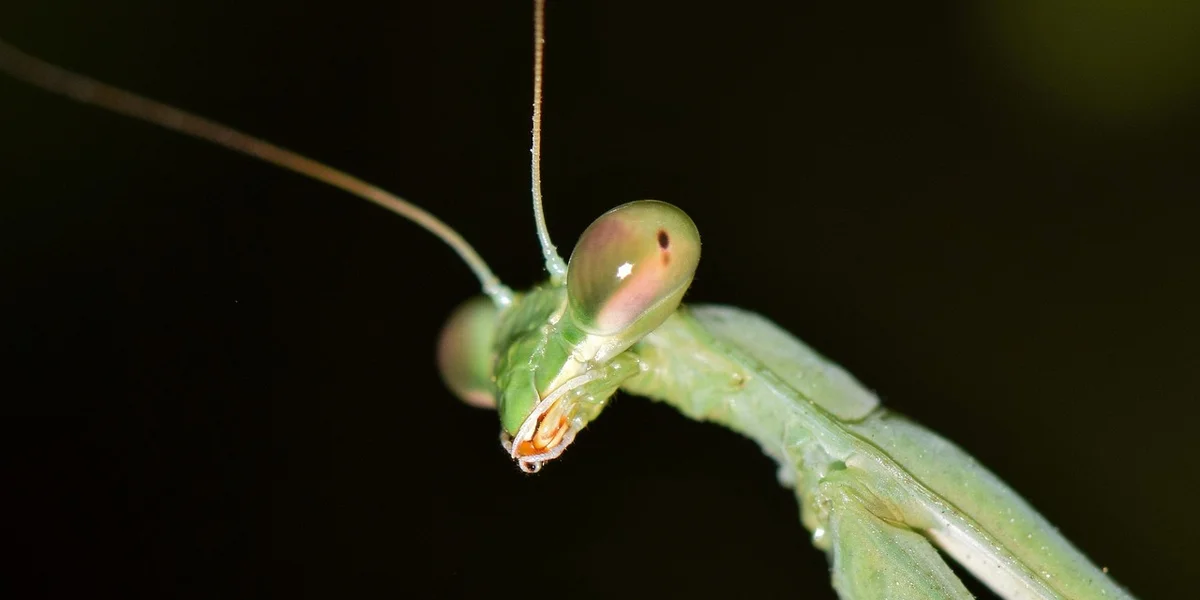
Chinese Mantis (Tenodera sinensis)
Chinese mantises grow quite large, often reaching three to four inches, which makes them formidable hunters in your garden. Their size allows them to tackle bigger pests like grasshoppers and moths with ease. We find their green or tan coloration blends perfectly with foliage, helping them ambush prey unnoticed. These mantises are hardy and adapt well to various climates, much like Moss, my Giant Asian Mantis, who shares a similar energetic hunting style.
They thrive in warm, humid conditions and can consume multiple insects daily. Regular feeding keeps them active and ready to patrol your plants for unwanted guests. A balanced diet of flies, caterpillars, and beetles ensures they remain healthy and effective.
European Mantis (Mantis religiosa)
European mantises are slightly smaller but incredibly agile, making them excellent for controlling aphids and smaller flies. Their distinctive prayer-like posture and green or brown hues help them camouflage among leaves and stems. We’ve noticed they’re less aggressive than some species, which makes them a gentle addition to any garden setup. They prefer moderate temperatures and do well in outdoor enclosures.
These mantises are prolific hunters, often perching motionless for hours before striking. Providing a variety of live prey encourages natural hunting behaviors and keeps them engaged. Mist their habitat lightly to maintain humidity, mimicking the dew-kissed mornings they love.
Carolina Mantis (Stagmomantis carolina)
Carolina mantises are native to many regions and excel at managing local pest populations like mosquitoes and small beetles. Their compact size and mottled gray or green coloring make them masters of disguise in shrubs and flowers. We appreciate their calm demeanor; they’re less likely to startle and more focused on hunting. They’re ideal for smaller gardens or indoor plant areas.
These mantises need a well-ventilated space with plenty of climbing surfaces. These are essential habitat requirements for a healthy praying mantis. Offering a mix of flying and crawling insects ensures they get a balanced diet and stay motivated to hunt. Keep an eye on their molting cycles, as proper humidity supports smooth skin shedding. Meeting these needs helps ensure the mantis stays healthy and active.
African Mantis (Miomantis caffra)
African mantises are smaller and more delicate, yet they’re fierce hunters of soft-bodied pests like fruit flies and gnats. Their light green bodies and quick movements make them efficient in dense vegetation. We’ve found they’re quite curious, often exploring new additions to their environment. They suit warmer, humid settings similar to tropical gardens.
These mantises benefit from frequent, small feedings to maintain their energy. Including a variety of tiny insects prevents boredom and promotes natural foraging instincts. For the ultimate guide on gut-loading feeder insects for mantises, this approach can dramatically improve their nutrition. Pairing gut-loaded prey with regular feedings supports growth and energy between molts. Ensure their enclosure has fine mesh for ventilation to prevent mold, which can arise in humid conditions.
How to Care for Your Pest-Control Mantis
Setting Up the Ideal Habitat
Start with a spacious enclosure that allows your mantis to climb and hunt freely. A tall glass or mesh terrarium works well, providing airflow and visibility. Add branches, twigs, and live plants to mimic their natural environment, creating hiding spots and perches. This setup helps create a naturalistic, safe habitat for your praying mantis, supporting its instincts and well-being. Properly arranged foliage and perches also reduce stress and promote safe exploration.
- Choose an enclosure at least three times the mantis’s height for ample movement.
- Use substrates like coconut fiber or peat moss to retain moisture and support plant roots.
- Maintain humidity between 50-70% with daily misting using lukewarm water.
- Keep temperatures around 20-25°C, using a low-wattage heat lamp if needed.
Position the habitat in a quiet area with indirect light to reduce stress. Regularly clean the enclosure to prevent mold and bacteria buildup, ensuring a healthy home. We’ve seen how a well-set habitat helps mantises like Luna thrive, with her slow, observant movements in a clutter-free space.
Feeding and Nutrition for Optimal Hunting
Feed your mantis live insects that match its size to encourage natural hunting. Offer prey like fruit flies for juveniles and larger insects like crickets for adults, adjusting based on appetite. Variety is key-rotate between flies, moths, and caterpillars to provide essential nutrients. Learn more about the best live food for your praying mantis.
- Feed young mantises daily, reducing to every 2-3 days as they mature.
- Avoid overfeeding to prevent obesity; a slightly rounded abdomen is ideal.
- Gut-load prey with nutritious foods like carrots or leafy greens before offering.
- Remove uneaten insects after a few hours to avoid stress or injury.
Observe their hunting behavior to gauge health and interest. Watching your mantis strike with precision reinforces the importance of a stimulating diet. Sprig, my Orchid Mantis, becomes bold during feedings, showing how nutrition boosts confidence and activity.
Monitoring Health and Preventing Issues
Check your mantis daily for signs of vigor, such as alert movements and a firm grip. Healthy mantises have clear eyes, intact limbs, and a willingness to hunt. Look out for lethargy, discoloration, or difficulty molting, which could indicate problems.
- Ensure proper humidity during molting by misting gently to ease skin shedding.
- Prevent dehydration by providing a shallow water dish or misting leaves for drinking.
- Avoid handling during molting or when stressed to reduce injury risk.
- Quarantine new plants or prey to avoid introducing pests or diseases.
Address issues early by adjusting temperature, diet, or enclosure setup. Consistent care routines help prevent common ailments like fungal infections or malnutrition. We’ve learned that a watchful eye and prompt adjustments keep mantises thriving for months of pest control duty.
Integrating Mantises into Your Home Garden Pest Management
We love watching mantises patrol our gardens, turning pest control into a peaceful, natural process. Selecting the right mantis species transforms your green space into a self-regulating ecosystem where these hunters thrive. Their presence means fewer chemicals and more vibrant plant life.
In our own plots, we’ve seen how species like the Chinese Mantis or European Mantis adapt well to outdoor settings. They perch quietly on stems, their green or brown bodies camouflaged against leaves, ready to strike at unwanted visitors. It feels like having a living, breathing part of the garden’s rhythm.
Luna, our Ghost Mantis, prefers the dappled light under shrubs where aphids gather. Her delicate movements remind us that pest control can be both effective and gentle on the environment. We often find her after a misty morning, poised like a tiny statue among the dew-covered plants.
When and How to Release Mantises for Pest Control
Timing your mantis release ensures they start hunting when pests are most active. Early spring, just as garden pests like caterpillars and beetles emerge, gives young mantises the best chance to establish themselves. Avoid harsh weather; a mild, overcast day works wonders.
Follow these steps for a smooth release:
- Inspect your garden for pest hotspots, such as areas with chewed leaves or aphid clusters.
- Gently place mantis oothecae or nymphs on sturdy plants, like tomato stems or rose bushes, using a soft brush.
- Provide immediate shelter by positioning them near dense foliage where they can hide from birds.
- Lightly mist the area with water to mimic natural humidity and help them settle.
We always release our mantises in the cool of the morning, when the air carries the scent of damp soil. This careful approach reduces stress on the mantises and boosts their survival rates. Moss, our Giant Asian Mantis, took to his new home within hours, exploring each leaf with quiet curiosity.
For ongoing care, check on them weekly without disturbing their hunting. A well-timed release means your mantises will grow alongside your plants, offering protection throughout the season. We’ve noticed fewer pest outbreaks in gardens where mantises are introduced this way.
Balancing Mantis Care with Garden Biodiversity
Mantises are skilled hunters, but they might snack on beneficial insects like bees or ladybugs. Promoting a diverse garden helps mantises find enough food without harming pollinators or other helpful species. It’s about creating a balanced web where every creature plays a role. Learn more about what insects mantises eat to better manage your garden.
We recommend these practices to maintain harmony:
- Grow a mix of flowering plants, such as sunflowers and herbs, to attract a variety of insects.
- Leave some areas wild with native grasses and weeds to support insect populations.
- Set up small water dishes or damp sponges to hydrate all garden dwellers, including mantises.
- Observe mantis behavior and gently move them if they concentrate too much on one area.
Sprig, our Orchid Mantis, once focused on a patch of bees near our lavender. By adding more blooms elsewhere, we spread out the insect traffic and kept the garden thriving. The soft hum of bees and the occasional mantis strike now feel like part of a natural dance.
Regularly monitor your garden’s health by noting plant growth and insect activity. A balanced approach ensures your mantises contribute to pest control without disrupting the ecosystem’s delicate balance. We’ve found that gardens with this care foster resilience and beauty season after season.
FAQs on Mantis
What is the best praying mantis species for pest control in the UK?
The European Mantis is well-suited for the UK’s temperate climate due to its hardiness and adaptability. It effectively hunts common pests like aphids and caterpillars in garden settings.
What is the best praying mantis species for pest control in Melbourne?
In Melbourne’s variable climate, the Chinese Mantis or European Mantis are excellent choices for their robust appetite and resilience. They can manage a wide range of insects, from flies to moths, in outdoor areas.
What is the best praying mantis species for indoor pest control?
For indoor environments, smaller species like the Ghost Mantis or Budwing Mantis are ideal because they thrive in terrariums and target tiny pests. Their frequent hunting helps control fruit flies and gnats around houseplants.
A Gentle Farewell on Your Mantis Pest Control Journey
We’ve highlighted mantis species like the Chinese and European varieties for their robust pest-hunting abilities and ease of care. Selecting a species suited to your environment ensures your mantis remains an effective, natural solution to pests. It’s essential to choose the right mantis species for beginners.
Caring for a pet mantis invites you into a world of quiet observation and responsible stewardship. We encourage you to keep learning and adapting your care routines, as each mantis teaches us something new about their fascinating lives. Learn even more about their care and handling.
Further Reading & Sources
- Is releasing praying mantis good or bad for pest control in …
- Praying mantis: pest control
- Buy Praying Mantis For Pest Control | Bath Garden Center
- Should I Release Praying Mantis into My Garden? | Extension
Rowan Hale is a lifelong insect enthusiast who fell in love with mantises for their calm presence, alien elegance, and surprising personalities. After years of keeping and raising a variety of species, Rowan shares practical tips, creative insights, and real-world experience to help others enjoy the quiet magic of mantis care. From setting up the perfect enclosure to understanding their subtle behaviors, Rowan invites readers into a gentle, curious world where every tiny movement feels like a discovery.
Common Species