
What Are the Easiest Praying Mantis Species to Breed in Captivity?
Published on: January 3, 2026 | Last Updated: January 3, 2026
Written By: Rowan Hale
Hello there, fellow mantis friend. That moment your mantis lays her first ootheca is pure magic-a papery capsule filled with tiny lives. But the thought of breeding them can feel daunting, can’t it?
The easiest praying mantis species to breed in captivity are the Chinese Mantis, Giant Asian Mantis, and Ghost Mantis, thanks to their hardy nature, simple mating habits, and forgiving care requirements.
Breeding mantises isn’t just about putting two insects together. It’s a gentle dance of timing, environment, and understanding their quiet language.
In this guide, we’ll walk you through the most straightforward species to start with, so you can experience the joy of raising your own little mantis dynasty.
- Meet three beginner-friendly mantis species perfect for first-time breeders.
- Learn their simple mating rituals and how to encourage them.
- Discover how to care for the delicate nymphs once they hatch.
Top Beginner-Friendly Mantis Species for Captive Breeding
-
Chinese mantis (Tenodera sinensis) handle captivity with impressive resilience, rarely fussing over small changes in their surroundings. They gladly accept common feeder insects like fruit flies or crickets and bounce back quickly if humidity dips briefly. Their adaptable nature means you can focus on learning without constant worry.
-
Giant African mantis (Sphodromantis lineola) stand out for their robust size and forgiving attitude toward beginner errors. They thrive on a straightforward diet of gut-loaded insects and tolerate slight temperature swings. We’ve seen them breed successfully even in modest enclosures with basic care. This is a solid example of giant African mantis care and husbandry with Sphodromantis lineola. With a secure enclosure and regular feeding, these mantids stay hardy and engaging pets.
-
Carolina mantis (Stagmomantis carolina) blend into captive life seamlessly, thanks to their hardy constitution and simple needs. They munch happily on small prey and aren’t stressed by occasional missteps in feeding schedules. Their calm demeanor makes breeding a gentle, rewarding experience.
In our own keeping, Moss-a Giant Asian mantis-showed how even vibrant species can prosper with minimal fuss. His emerald body would gleam under warm light as he perched on a simple twig, breeding eagerly in a basic terrarium. That hardiness is a hallmark of many beginner-friendly mantises.
Creating the Ideal Breeding Environment
-
Begin with enclosures that offer ample ventilation and space to encourage natural behaviors. Use containers with mesh tops or side vents to prevent stale air, and pick ones tall enough for climbing–about three times the mantis’s length. Proper airflow keeps the environment fresh and reduces mold risks. Ensure your enclosure is properly ventilated before introducing your new pet.
-
Maintain steady temperature and humidity levels to support health and breeding readiness. Aim for 75-85°F (24-29°C) and 50-70% humidity, using a digital hygrometer for accuracy. Small adjustments with a misting bottle or heat mat help keep conditions stable.
-
Provide hiding spots and perches like dried branches or silk leaves to lower stress during breeding. These additions mimic their wild habitats, giving mantises safe places to retreat. This approach helps create a naturalistic, safe habitat for your praying mantis. We often use bendable vines that they can grip easily, creating a cozy, secure space.
-
Monitor the environment with tools like thermometers and adjust care during molting to avoid harm. Check readings daily and reduce handling when mantises are soft post-molt. After molting, give them time to harden in a calm, stable enclosure and avoid handling. Once their exoskeleton is firm, you can resume normal care and feeding as they recover. For more information, refer to our guide on Mantis care after molting. This attention ensures they stay comfortable and ready for successful breeding.
Step-by-Step Guide to Mating Mantises Successfully
-
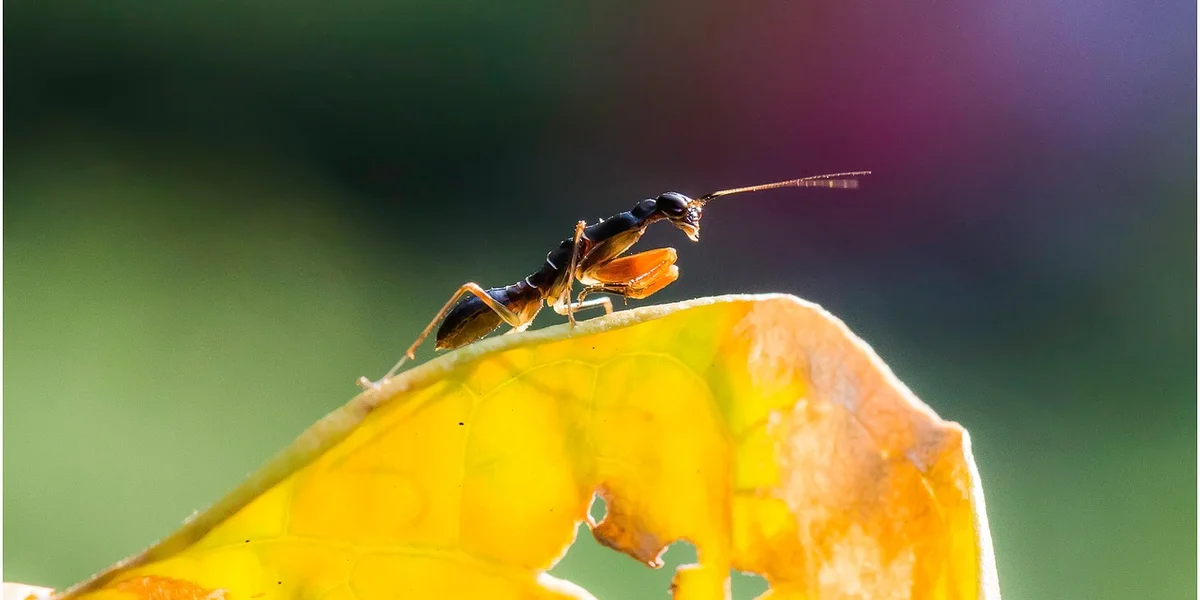
Choose mantises that are fully grown and show vibrant health, conditioning them with extra feedings before any pairing attempts. We look for adults that move confidently, eat well, and have no visible injuries or lethargy. Offer small, nutritious prey like crickets or flies daily for about a week to build their strength. A praying mantis feeding schedule species comparative guide shows how often different species should be fed and with which prey. This helps tailor care for each species.
-
Place the male gently into the female’s space, keeping a close watch on their body language to spot early signs of aggression. We introduce them on a sturdy branch or plant, allowing distance between them. Observe for the female raising her forelegs or the male making cautious approaches-these cues help prevent sudden attacks.
-
Stay nearby during the entire mating session, ready to intervene with a soft brush or container if the female turns hostile. Mating can last from a few minutes to several hours, so we keep the environment calm and quiet. If the female lunges or the male seems stressed, we separate them immediately to avoid harm.
-
Schedule introductions around the female’s post-molt phase, when she displays clear receptivity signals. After her final molt, she may hold her abdomen higher and remain still for longer periods. We’ve noticed with Luna that she tilts her head subtly when ready, a quiet invitation for the male.
Caring for Eggs and Nymphs After Hatching
-
Keep oothecae in a slightly humid, warm spot to mimic natural conditions, with consistent moisture and air flow. We maintain humidity around 60-70% and temperatures of 75-80°F (24-27°C), using a spray bottle for gentle mists. The egg cases often hatch in 4-8 weeks, feeling firm and papery to the touch as they develop.
-
House newborn nymphs in small, well-ventilated enclosures and provide tiny live food like fruit flies to curb cannibalism. Do baby praying mantises nymphs eat? They feed on very small live prey such as fruit flies, aphids, and other tiny insects. We use clear plastic containers with mesh lids, adding fine twigs for climbing. Feed them daily to ensure they’re never hungry enough to turn on each other. Sprig thrived on this routine, growing steadily without issues.
-
Separate large broods into smaller groups to reduce crowding and watch closely during molting, when they’re most vulnerable. We divide nymphs into individual cups or small batches, checking daily for soft, new skin after sheds. Boost humidity lightly during molts to help them slip out of old exoskeletons smoothly.
Common Mistakes and How to Avoid Them
-
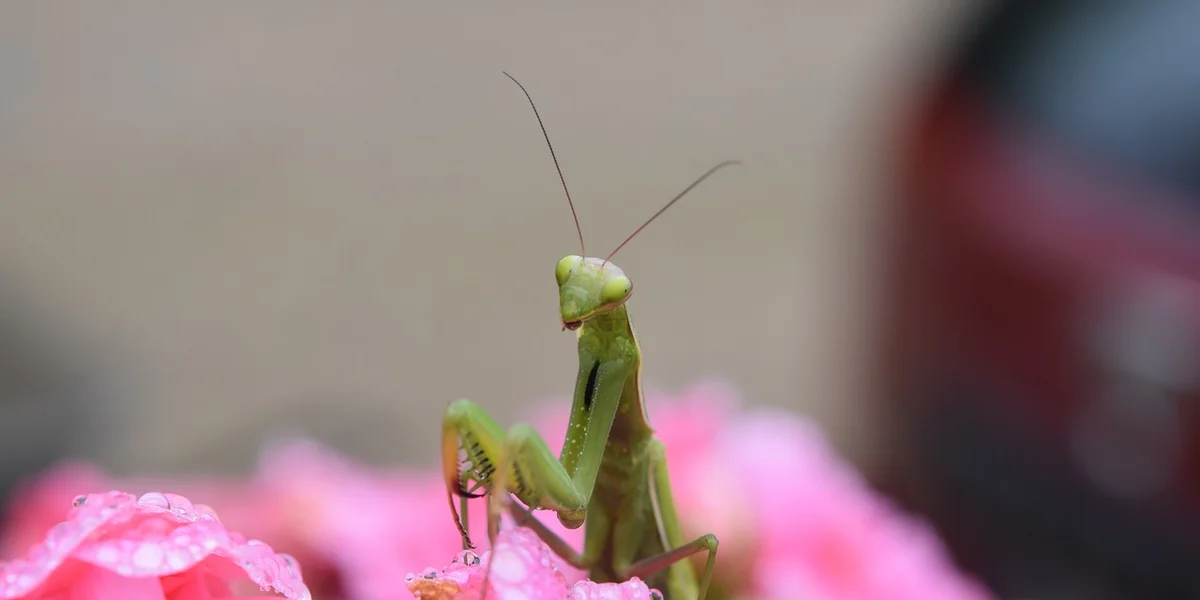
Improper feeding often leads to health issues like obesity or malnutrition. Offer prey that matches your mantis’s size, such as fruit flies for nymphs or crickets for adults. We learned this the hard way when Moss, our Giant Asian Mantis, became sluggish after overeating; now, we stick to a balanced schedule of small, frequent meals. Always remove uneaten food to prevent stress and keep the enclosure clean.
-
Overcrowding can cause cannibalism or stunted growth, especially in young mantises. Use smaller, individual enclosures for nymphs, like repurposed jars with ventilation. Separating them early reduces competition and lets each one thrive without fear. We found that giving each nymph its own space mimics their natural solitary habits and cuts down on losses.
-
Incorrect humidity levels disrupt molting, leading to stuck skin or deformities. Aim for moderate humidity by misting lightly with warm water daily. Luna, our Ghost Mantis, once molted slowly because her habitat was too dry; a gentle boost in moisture helped her shed smoothly. Monitor with a hygrometer and adjust based on species needs-orchid mantises like Sprig prefer slightly higher humidity than others.
Ethical and Practical Breeding Considerations
-
Responsible breeding means avoiding overpopulation and finding caring homes for offspring. Plan pairings carefully and have a network of enthusiasts ready to adopt. We always screen potential owners to ensure they understand mantis care, preventing neglect or abandonment. We also follow an ethical guide for line breeding and selective breeding of mantises. This helps maintain genetic health and reduce inbreeding. This approach keeps the hobby sustainable and respects each mantis’s well-being.
-
Mantis lifespan affects breeding timing, as adults may only live a few months after maturity. Breed females before they age too much, typically within their first few weeks as adults. Timing is key-waiting too long can mean missed opportunities, but rushing stresses the mantis. For instance, Moss’s energetic nature made him a good candidate early on, while we gave Luna more time to settle.
-
Legal aspects vary by region, so check local regulations on keeping or breeding certain species. Some places require permits for non-native mantises. Staying informed helps you avoid fines and supports conservation efforts. This is part of our complete guide to praying mantis ownership laws and permits. It outlines regional differences and how to obtain permits where required. We double-check rules before acquiring new species, ensuring our hobby stays lawful and eco-friendly.
FAQs on Mantis
How long does mantis mating and reproduction take?
Mantis mating typically lasts from a few minutes to several hours, depending on the species and environmental factors. The full reproduction cycle, from mating to ootheca hatching, generally spans 4 to 8 weeks under optimal conditions. So, does this mating process really work to produce offspring? In practice, success depends on species and conditions, but fertilized eggs are common when factors align. For more details, you can read about the full reproduction cycle.
How many eggs do mantises lay in an ootheca?
The egg count in an ootheca varies widely by species, ranging from around 20 to over 200 eggs per case. For instance, common beginner species like the Chinese mantis often produce oothecae containing 50 to 100 eggs each.
How to identify male versus female mantises for breeding?
Males are usually smaller and slimmer with longer antennae, while females tend to be larger and heavier-bodied with shorter antennae. Females also display a broader abdomen, particularly when ready to lay eggs, which helps in selecting pairs for breeding.
Your Journey into Mantis Breeding Begins Here
We recommend starting with resilient species like the Ghost or Giant Asian mantis for their forgiving nature and straightforward breeding habits. Providing a stable habitat with consistent humidity and a diet of small, live insects lays the foundation for successful reproduction.
Always observe your mantises closely for signs of stress or illness, adapting their care to meet their individual needs. Stay curious and keep exploring new resources to deepen your understanding of these fascinating creatures, especially how to recognize stress in them.
Further Reading & Sources
- Breeding praying mantises | Keeping Insects
- How to Breed Praying Mantis – Time to Breed
- Praying Mantid caresheet – Amateur Entomologists’ Society (AES)
- r/mantids on Reddit: Breeding praying mantis tips.
Rowan Hale is a lifelong insect enthusiast who fell in love with mantises for their calm presence, alien elegance, and surprising personalities. After years of keeping and raising a variety of species, Rowan shares practical tips, creative insights, and real-world experience to help others enjoy the quiet magic of mantis care. From setting up the perfect enclosure to understanding their subtle behaviors, Rowan invites readers into a gentle, curious world where every tiny movement feels like a discovery.
Breeding Practices