
Heat Mat vs. Heat Lamp: A Safety & Efficiency Guide for Your Mantis Enclosure
Published on: December 25, 2025 | Last Updated: December 25, 2025
Written By: Rowan Hale
Hello there, mantis friend-welcome to our cozy corner of insect care! Keeping your mantis warm isn’t just about comfort; it’s about mimicking the gentle, sun-dappled environments they’d find in the wild, where every degree matters for their health and happiness.
When it comes to heating your mantis enclosure, the best choice depends on your specific setup and your mantis’s species-heat mats offer steady, low-level warmth ideal for many species, while heat lamps provide more directed heat and light, suited for those needing higher basking spots.
This decision isn’t as simple as picking one over the other-it involves weighing safety risks, energy use, and how well each option suits your mantis’s natural behaviour.
- Safety first: Heat mats reduce burn risks but must be placed correctly, while lamps need careful positioning to avoid overheating.
- Efficiency matters: Mats often use less energy for consistent warmth, but lamps can better simulate natural daylight cycles.
- Setup simplicity: Some keepers find mats easier to integrate, especially in smaller enclosures, whereas lamps offer more flexibility for taller habitats.
Understanding Your Mantis’s Unique Heating Needs
Mantises rely on steady warmth to fuel their daily activities and support vital processes like digestion and immune function. Temperature also shapes their growth and development over time. Proper heating is especially critical during molting, as the right temperature helps their new exoskeleton harden correctly and reduces the risk of deformities. Without it, they may struggle to shed their old skin, leading to stress or even fatal complications.
Different species have evolved in varied climates, so their heating needs can differ quite a bit. Ghost Mantises, for instance, thrive in slightly cooler, stable environments, while Orchid Mantises demand warmer, more humid conditions to mimic their tropical origins. We often see Giant Asian Mantis tolerating a broader range, but consistency remains key to their well-being.
| Species | Temperature Range (°C) | Humidity Range (%) |
|---|---|---|
| Ghost Mantis | 22-28 | 60-70 |
| Orchid Mantis | 25-30 | 70-80 |
| Giant Asian Mantis | 20-25 | 50-60 |
Watching my Ghost Mantis, Luna, I’ve noticed she becomes more active and alert when her enclosure stays within her ideal temperature band. She’ll often perch nearer the warmth source before molting, almost as if she’s seeking that extra comfort to ease the process. It’s a gentle reminder of how attuned these creatures are to their environment.
Heat Mat vs. Heat Lamp: A Side-by-Side Comparison
Heat mats work like a cosy electric blanket placed beneath part of the enclosure, providing gentle, consistent warmth from below. They’re ideal for creating a subtle heat gradient that encourages natural basking behaviour without overwhelming the space. Heat lamps, on the other hand, act like a miniature sun overhead, casting broad radiant heat that warms the air and surfaces directly.
Advantages of Heat Mats
- Energy efficient, using less electricity over time
- Offer subtle, localized heating that mimics ground warmth
- Quiet operation with no light disruption to mantis day-night cycles
Disadvantages of Heat Mats
- Heat spread is limited, often creating hot spots
- Risk of overheating substrate if not monitored closely
- Less effective in tall or large enclosures
Advantages of Heat Lamps
- Provide broad, even radiant heat across the enclosure
- Suitable for larger setups where ambient warmth is needed
- Can help simulate natural sunlight patterns
Disadvantages of Heat Lamps
- Higher electricity usage compared to mats
- May reduce humidity levels through evaporation
- Potential for burns if mantis gets too close
When it comes to durability, heat mats generally last longer-often several years with proper care-while heat lamps may need bulb replacements every 6 to 12 months. We’ve found that investing in a quality thermostat for either option can extend their lifespan and ensure safer operation. This small step makes a big difference in maintaining that perfect environment for your mantis.
Safety Guidelines for Enclosure Heating
Keeping your mantis safe from heat-related dangers starts with a few mindful steps. Always connect your heat mat or lamp to a thermostat to maintain a stable, species-appropriate temperature. This prevents sudden spikes that could harm your pet, especially since praying mantises have limited tolerance for temperature fluctuations.
- Set the thermostat to the ideal range for your mantis, usually between 24°C and 30°C for common species.
- Place the thermostat probe in the warmest area of the enclosure, away from direct heat sources, to get an accurate reading.
- Check temperatures daily with a separate digital thermometer to ensure everything is working correctly.
Proper placement is key to avoiding burns and creating a comfortable gradient. Position heat mats on the outside bottom or side of the enclosure, never inside where your mantis could touch them. For heat lamps, hang them at least 15-20 cm above the top mesh to prevent direct contact. These tips also help avoid common lighting, heating, and humidity mistakes that praying mantis keepers often make. Regularly monitor humidity and temperature to maintain safe, stable conditions.
- Ensure one side of the enclosure stays warm while the other remains cooler, so your mantis can thermoregulate by moving around.
- Avoid placing heat sources near plastic or flammable materials that could melt or catch fire.
Burns prevention and substrate safety go hand in hand. Use substrates like coconut fibre or paper towel that don’t trap excessive heat or moisture. These materials are gentle on your mantis’s feet and reduce the risk of overheating.
- Regularly inspect the enclosure for hot spots, especially after misting, as damp areas can heat up quickly.
- If using a heat lamp, consider a protective guard to keep curious mantises from climbing too close.
I learned this lesson the hard way with Luna, my Ghost Mantis. One evening, I noticed her pacing nervously near a heat lamp I’d placed a bit too low. The air felt dry and overly warm, so I adjusted it immediately-her calm return reminded me how vital proper distance is for their well-being.
Efficiency and Cost: Energy Usage and Expenses
Understanding energy usage helps you choose the right heating method without breaking the bank. Heat mats typically use 5 to 15 watts, while heat lamps can range from 25 to 100 watts, depending on the type. For example, a 10-watt mat running 12 hours daily consumes about 0.12 kilowatt-hours, whereas a 50-watt lamp uses 0.6 kilowatt-hours in the same time.
- Heat mats are more energy-efficient for small enclosures, as they provide gentle, consistent warmth.
- Lamps offer broader heat distribution but draw more power, making them better for larger setups.
Cost comparisons over time show clear differences. Initial setup for a heat mat and thermostat might cost £15 to £30, while a lamp setup could be £20 to £40. Running costs add up too; at an average electricity rate of £0.14 per kilowatt-hour, a 10-watt mat costs roughly £0.60 per month, compared to £3.00 for a 50-watt lamp.
- Factor in the lifespan of equipment-mats often last years with care, while bulbs may need replacing annually.
- Invest in a quality thermostat upfront to avoid wasted energy and potential replacement costs.
Choosing equipment based on amperage and wattage ensures safety and efficiency. Check that your heating device’s wattage matches your home’s electrical capacity, typically staying under 10 amps for standard outlets. Overloading circuits can lead to fires or equipment failure.
- For mantis enclosures, low-wattage options (under 20 watts) are usually sufficient and safer.
- Always read product labels to verify compatibility with your setup.
Energy-efficient practices can trim your bills and reduce environmental impact. Use timers to turn off heat sources at night if your mantis species doesn’t need constant warmth. This simple habit can cut energy use by half in many cases.
- Insulate enclosures with foam panels or place them in draft-free areas to retain heat better.
- Combine heating with natural sunlight during the day, but avoid direct exposure that could overheat the habitat.
Step-by-Step Guide to Setting Up Your Heating System
-
Start by choosing the right heat source for your mantis. We look at species needs and enclosure size-heat mats are gentle for small tanks, whilst heat lamps spread warmth in larger ones. Matching the heater to your setup prevents overheating and supports natural behaviors.
-
Position the heat mat or lamp to one side of the enclosure. This creates a warm basking spot and a cooler retreat area. To create a vertical temperature gradient in your mantis enclosure, place the heat source higher so warm air rises to the top and cooler air remains lower. Your mantis will move between zones to regulate its body temperature comfortably.
-
Install a probe thermometer near the warm area for accurate readings. Secure it away from direct heat to avoid false highs. Regular checks with a reliable thermometer keep temperatures steady and safe.
-
Test the system by running it for several hours. Watch for stable heat without sudden spikes or drops. Fine-tuning the setup now avoids stress and health issues later on.
-
Here’s a tip from setting up Moss’s enclosure: we placed the heat mat under a sheltered corner instead of the center. This simple change gave him consistent warmth without hot spots, making his space feel like a cosy nook.
Troubleshooting Common Heating Issues
-
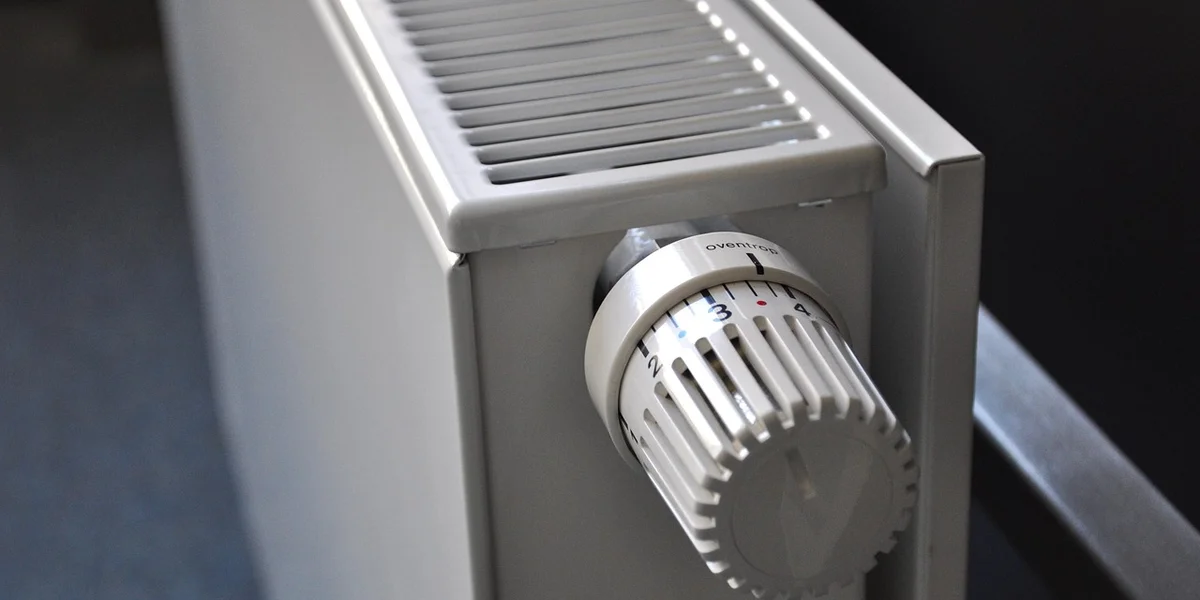
If there’s no heat, check the power cord and outlet first. Sometimes, a loose plug or tripped switch is the culprit. Basic inspections can save you from unnecessary replacements.
-
For too little heat, assess the heater’s wattage and placement. Moving it closer or upgrading might be needed. Adjusting these factors ensures your mantis stays warm enough to thrive.
-
Overheating risks burns and dehydration. Use a thermostat to control output and keep heaters at a safe distance. For mantis nymphs, stable temperatures and proper humidity are essential for successful molts. Maintaining the right humidity helps prevent dehydration as they grow. Preventative measures protect your mantis from dangerous temperature swings.
-
Heat lamps often reduce humidity. Counter this by misting the enclosure more often or adding a shallow water dish. Balancing heat and moisture helps your mantis molt smoothly and breathe easily. To set up the perfect humidity level for your praying mantis enclosure, use a hygrometer to monitor humidity and adjust misting or ventilation as needed. Keep the humidity steady to support healthy molts.
-
In emergencies, like a heater failure, wrap a warm water bottle in a cloth and place it outside the enclosure. This temporary fix provides gentle warmth until you resolve the main problem.
-
Common mistakes and how to avoid them:
- Placing heaters too close: Maintain a gap to prevent direct contact and burns.
- Skipping thermometer use: Monitor daily to catch issues before they escalate.
- Choosing the wrong size: Match heater power to your tank dimensions for efficiency.
Avoiding these errors keeps your heating system reliable and your mantis content.
Maintenance and Long-Term Care for Heating Equipment
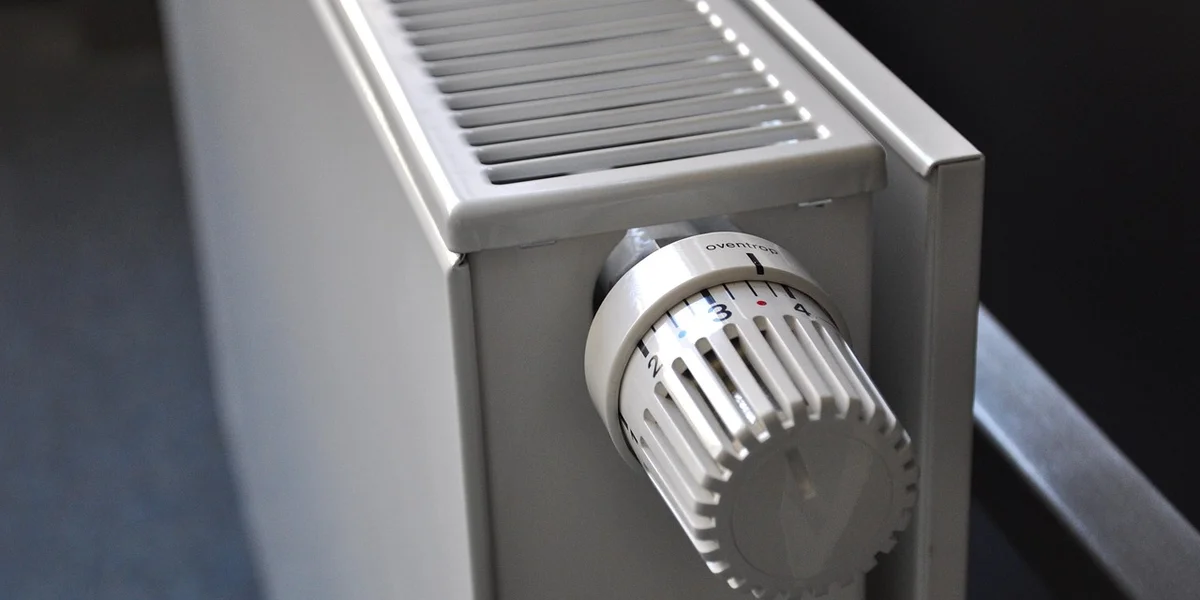
Keeping your heating gear in top shape means your mantis enjoys steady warmth without surprises. Regular upkeep prevents sudden temperature drops that could stress your delicate pet. We will walk through simple steps to clean, check, and care for heat mats and lamps, drawing from hands-on keeper experience.
How to Clean Heat Mats and Lamps Safely
Always unplug and let equipment cool completely before cleaning to avoid burns or electrical risks. Gentle wiping with a soft, damp cloth removes dust and residue without damaging surfaces. For heat mats, focus on the outer casing, and never immerse them in water-moisture inside can cause shorts. Heat lamp bulbs gather grime over time; a dry microfiber cloth restores their glow and efficiency. Avoid harsh cleaners; a bit of warm water on the cloth is all you need for stubborn spots.
Routine Check for Wear and Tear
Set a weekly reminder to inspect your heating setup closely. Look for frayed cords, cracks, or discoloration that signal it is time for a replacement. Run your fingers along wires to feel for brittleness, and watch for inconsistent heating-your mantis might act restless if temperatures swing. Here is a quick checklist to follow each month:
- Examine cords and plugs for any exposed wiring or damage.
- Test the heat output with a thermometer to ensure it matches settings.
- Check for hot spots on mats or flickering in lamps, which can harm your pet.
When to Replace Heating Equipment
Most heat mats last about two years with proper care, while lamps may need bulb changes annually. Replace gear if you notice dimming, uneven warmth, or physical cracks that compromise safety. A worn-out mat might feel cooler in spots, and a lamp that struggles to maintain heat can leave your mantis shivering. Prioritize your pet’s comfort-swapping old equipment early avoids emergencies.
A Gentle Reminder from Sprig’s Setup
Over months with Sprig, my Orchid Mantis, I learned that consistent care keeps her pink-and-white world perfectly warm. One evening, I spotted dust dulling her heat lamp’s glow, and a quick clean brought back the gentle radiance she relies on. That small act reminded me how attentive maintenance nurtures a thriving, happy mantis-just like tending a quiet garden.
Common Mantis Queries
What is the typical amperage for heat mats in mantis setups?
Heat mats for mantis enclosures generally draw low amperage, often below 1 amp, to minimize electrical risks and energy use. Always verify the amperage on the product label and pair with a thermostat for safe operation, especially because temperature control is crucial for mantis health.
Is there a chart to guide amperage selection for heat mats?
While specific amperage charts vary by manufacturer, most low-wattage heat mats (5-15W) correspond to amperage under 0.5A at standard voltages. Consulting the device’s specifications or online resources can help you match amperage to your enclosure’s needs.
What is the price range for heat atlases, and are they suitable for mantis care?
Heat atlases, if available, might cost £25-£50, but they are often designed for larger reptiles and not ideal for most mantis species. For mantis enclosures, simple heat mats or lamps with thermostats offer better value and appropriate heating.
Finding the Right Warmth for Your Mantis Friend
We recommend heat mats for their consistent, low-risk warmth, which suits most mantis enclosures better than heat lamps that can dry out the air. When considering ideal mantis lighting and heating for mantis care, provide a natural day–night cycle and avoid excessive heat or light. Always use a thermostat to control temperatures and place the heat source on the side, not underneath, to mimic natural warmth safely.
Keeping a pet mantis is a gentle commitment that invites you to observe and adapt to their unique needs over time. Embrace the joy of learning more about their care, as each new insight helps your mantis live a fuller, more content life in your care. How to Care for a Pet Praying Mantis is a comprehensive guide that covers everything from handling to understanding their behavior.
Further Reading & Sources
- Heat Pad Or Heat Lamp? | Mantid Forum – Mantis Pet & Breeding Forum
- r/mantids on Reddit: How do I use heat mats with my Mantis?
- Buy Praying Mantis Setup Online
- How to maintain proper temperature for your pet insect | Keeping Insects
Rowan Hale is a lifelong insect enthusiast who fell in love with mantises for their calm presence, alien elegance, and surprising personalities. After years of keeping and raising a variety of species, Rowan shares practical tips, creative insights, and real-world experience to help others enjoy the quiet magic of mantis care. From setting up the perfect enclosure to understanding their subtle behaviors, Rowan invites readers into a gentle, curious world where every tiny movement feels like a discovery.
Temperature and Humidity