
Are Praying Mantises Beneficial for Garden Pest Control?
Hello, fellow mantis friend! Picture this: a slender green figure poised on a tomato stem, its head tilted as if in quiet prayer, waiting to snatch a passing fly with lightning speed.
Yes, praying mantises can be wonderful allies in your garden, eagerly devouring pests like aphids and caterpillars to help protect your plants.
But their story isn’t all straightforward-these hunters have their own quirks and can sometimes snack on helpful insects too, which means a balanced approach is key.
Here’s a quick peek at what we’ll explore together:
- Which common garden pests mantises love to hunt and why they’re so effective
- How to tell if your mantis is a dedicated pest patrol or a bit too adventurous
- Simple, eco-friendly ways to welcome mantises into your green space without upsetting nature’s harmony
Understanding Praying Mantises as Natural Pest Controllers
Praying mantises are fascinating predatory insects that hunt live prey in gardens and wild spaces. They act as natural pest controllers by targeting insects that might harm your plants, reducing the need for chemical sprays. To create a praying mantis-friendly garden that also attracts other beneficial insects, plant a mix of flowering perennials, grasses, and sheltered nooks, and avoid broad-spectrum pesticides. With their patient, ambush-style hunting, they wait motionless before striking with lightning speed. A habitat-rich garden supports mantises as well as pollinators and other natural enemies.
Gardeners often turn to mantises for biological control because they offer a gentle, eco-friendly way to manage pests. Introducing mantises can help balance your garden’s ecosystem, letting nature handle infestations without harsh interventions. In nature, praying mantises act as generalist predators that help keep pest insects in check. Recognizing this natural purpose can guide gardeners in welcoming them thoughtfully. We’ve seen our own mantis, Moss, perch on tomato plants, his vivid green body blending seamlessly as he keeps watch.
Key traits that make mantises effective insect predators include their excellent camouflage, rapid reflexes, and adaptable diet. These features allow them to thrive in varied environments while keeping pest numbers in check. Here’s a closer look at what makes them so skilled:
- Camouflage abilities let them hide among leaves and stems, surprising prey effortlessly.
- Lightning-fast strikes capture insects mid-air or on plants with precision.
- Voracious appetites mean they consume pests regularly throughout their life stages.
- Generalist hunting habits allow them to target a wide range of garden insects.
What Garden Pests Do Praying Mantises Target?
Praying mantises eat many common garden pests, such as aphids, caterpillars, and flies. Their diet helps suppress outbreaks by removing insects that damage crops and ornamental plants. For instance, our juvenile Orchid Mantis, Sprig, eagerly hunts soft-bodied pests like aphids, her pink-and-white coloring making her nearly invisible among flowers. It’s important to understand their feeding habits well when using them for pest control or keeping them as pets.
As generalist predators, mantises aren’t picky-they’ll go after whatever moves within reach. This broad feeding behavior aids in pest suppression by reducing multiple insect populations at once. You might spot them tackling everything from tiny gnats to larger beetles, providing round-the-clock garden defense. Learn more about what insects they consume to understand their diet better.
Below is a table comparing common pest types with mantis feeding habits to give you a clearer picture:
| Pest Type | Mantis Feeding Habit |
|---|---|
| Aphids | Eaten frequently by nymphs and adults; easy targets on stems and leaves. |
| Caterpillars | Hunted actively; mantises grasp them firmly to prevent plant damage. |
| Flies and Mosquitoes | Caught mid-air with quick strikes; common in warmer months. |
| Beetles | Consumed if small enough; harder-shelled types may be avoided by younger mantises. |
| Moths and Butterflies | Targeted when resting or flying; adults excel at snatching them from air. |
This variety in prey means mantises can adapt to seasonal pest changes in your garden. By focusing on pests that reproduce quickly, they help prevent minor issues from becoming major infestations. We’ve watched Luna, our Ghost Mantis, methodically clear aphids from a basil plant over a few days, leaving it healthier and pest-free.
Effectiveness of Mantises in Garden Pest Management
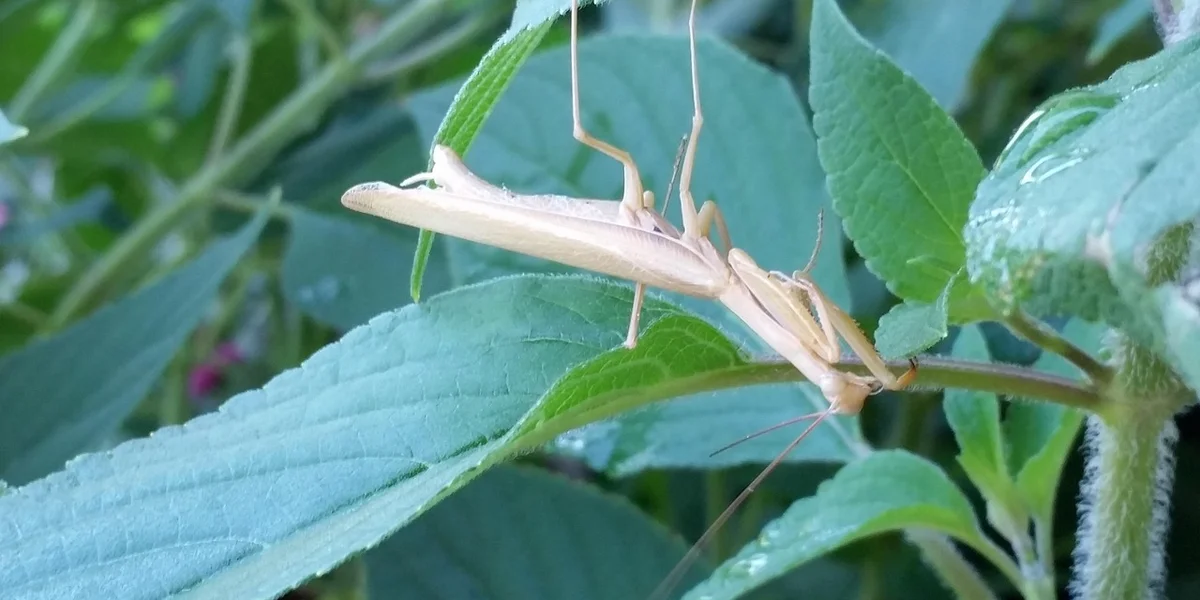
Studies from agricultural research show that mantises can significantly reduce pest numbers in small-scale gardens. Field observations reveal that a single adult mantis may consume up to 25 insects per day, targeting common nuisances like aphids, caterpillars, and flies. Their stealthy hunting style means pests are often caught before they multiply. To compare species, our feeding schedule species comparative guide highlights how feeding rates vary by species and life stage. The guide helps gardeners plan releases and feeding intervals.
Compared to other natural methods, mantises offer broad-spectrum control. While ladybugs specialize in aphids and lacewings in soft-bodied insects, mantises tackle a wider range of pests due to their generalist diet. This makes them a versatile addition, though they don’t replace targeted helpers like nematodes for soil-borne issues.
To assess mantis effectiveness in your own space, follow these simple steps:
- Monitor pest levels weekly by checking plant leaves and stems for damage.
- Count mantis sightings and note their hunting activity during warm, calm hours.
- Track changes in pest populations over a month to see if declines align with mantis presence.
Pros of Using Mantises for Pest Control
Mantises eliminate the need for synthetic pesticides, protecting soil health and water quality. By relying on mantises, you foster a garden that thrives without harsh chemicals, which is safer for children, pets, and local wildlife. Their presence encourages a balanced ecosystem where natural checks and balances reduce outbreaks.
These predators fit seamlessly into Integrated Pest Management (IPM) strategies. In IPM, mantises act as a biological control that complements cultural practices like crop rotation and physical barriers. We’ve found that combining mantises with companion planting, such as marigolds to deter nematodes, creates a resilient garden defense.
Cons and Ecological Cautions
Mantises are not picky eaters and may prey on beneficial insects like bees and ladybugs. This indiscriminate hunting can sometimes reduce pollinator numbers, potentially affecting fruit and vegetable yields. In our experience, placing mantises away from high-pollinator areas helps minimize this risk.
Their life cycle is seasonal, with adults dying off in colder months. This means pest control is temporary, and relying solely on mantises might leave gaps in protection during early spring or late autumn. Praying mantis species are often touted as among the best natural pest control for gardens. They prey on a wide range of pests, helping reduce the need for chemical controls when used thoughtfully. Introducing them can also disrupt local food webs if they outcompete native predators, so it’s wise to observe your garden’s existing insect balance.
How to Attract or Introduce Mantises to Your Garden
Create an inviting habitat by planting dense, flowering shrubs and herbs that provide cover and hunting perches. Plants like fennel, dill, and tall grasses offer ideal hiding spots and attract the small insects mantises feed on. Adding simple shelters, such as loosely stacked rocks or wooden boards, gives them safe places to molt and rest.
If you’re introducing mantises, follow these steps for a safe release:
- Source oothecae (egg cases) or adults from reputable suppliers to avoid invasive species.
- Place oothecae in a sheltered, sunny spot in early spring, securing them with a twist tie to prevent dislodging.
- For adults, release them at dusk on sturdy plants to reduce stress and help them acclimate overnight.
Maintain a garden ecosystem that supports mantises by avoiding broad-spectrum insecticides. Providing a water source, like a shallow dish with pebbles, and allowing some “weedy” areas for insect diversity ensures mantises have ample prey and hydration. We’ve noticed that gardens with varied plant heights and minimal disturbance tend to hold mantis populations longer. To keep a clean, well-maintained mantis habitat, regularly remove debris and refresh water. This simple upkeep helps mantises stay healthy and makes monitoring their care easier.
Selecting the Right Mantis Species
Common species well-suited for garden pest control include the European mantis (Mantis religiosa) and Chinese mantis (Tenodera sinensis). The European mantis is smaller and less aggressive, making it a gentle fit for gardens with many beneficial insects. In contrast, the Chinese mantis grows larger and is more voracious, ideal for areas with heavy pest pressure. For beginners, choosing the right mantis species means matching temperament to garden needs. Start with the European mantis for a gentle introduction, and consider the Chinese mantis only if pest pressure warrants it.
Compare traits to choose wisely:
- Size: European mantises reach about 2-3 inches, while Chinese mantises can exceed 4 inches.
- Aggressiveness: Chinese mantises are bolder hunters, whereas species like the Carolina mantis (Stagmomantis carolina) are native to some regions and better for local ecosystems.
For smaller spaces, the slender Ghost Mantis (Phyllocrania paradoxa) is less impactful on pollinators. Our Ghost Mantis, Luna, tends to focus on tiny flies and moths, making her a subtle helper in patio gardens. Always check local guidelines to avoid introducing non-native species that could harm biodiversity.
Caring for Mantises in a Garden Setting

When you keep praying mantises outdoors, their care shifts to match the natural rhythms of your garden. We find that a simple setup with plenty of foliage and hiding spots lets them thrive while blending into the ecosystem. Essential habitat requirements for a healthy praying mantis include shelter, ample prey, and a stable microclimate. Keeping diverse vegetation helps meet these needs and supports their well-being.
Basic needs include secure perches and access to water. Mist plants lightly each morning to provide droplets for drinking, much like dew on leaves after a cool night.
Feeding Your Garden Mantis
In an outdoor setting, mantises often hunt on their own, but you might need to supplement their diet. Offer small, live insects like flies or caterpillars every few days to ensure they get enough nutrition.
- Place prey on leaves near their perch for easy spotting.
- Avoid overfeeding; let natural hunting instincts take over.
- Remove uneaten prey to prevent stress or mold.
Monitoring Health and Safety
Check on your mantis daily without disturbing its routine. Look for active movement, intact limbs, and regular molting signs like pale, tight skin.
- Watch for predators like birds or spiders and provide dense plants as cover.
- Note if they avoid certain areas; it could signal pesticide residue or poor conditions.
- Keep a journal to track feeding and behavior changes over time.
Avoiding Harm to Beneficial Insects
Mantises eat whatever they catch, including pollinators like bees. Position them away from flowering plants frequented by beneficial species to reduce unintended impacts.
From our experience, Moss-our Giant Asian Mantis-once perched near a lavender patch and snagged a few honeybees before we gently moved him to a pest-heavy veggie bed. This small adjustment helped balance his diet with garden pests like aphids instead.
Real-World Experiences with Mantis Pest Control
Gardeners often share how mantises cut down pest numbers without chemicals. Many note a visible drop in aphids and caterpillars within weeks of introducing a mantis.
One enthusiast reported her mantis clearing a rose bush of mites in just days. Stories like this highlight their efficiency as natural predators in diverse settings.
Common Problems and Cautious Solutions
Mantises might wander off or face threats from larger animals. Use lightweight mesh enclosures for young mantises to keep them safe while they adapt.
- If pests are scarce, offer supplemental feedings to prevent starvation.
- Avoid handling during molting; their bodies are fragile and need stillness.
- Steer clear of pesticides, which can harm mantises through contaminated prey.
We learned this with Sprig, our Orchid Mantis, who hesitated to hunt after nearby spraying. A switch to organic methods restored her bold feeding strikes and protected the garden’s health.
Ecological Role and Keeper Insights
Mantises play a key role in controlling pest populations naturally. They teach us about predator-prey balance and the value of patience in garden stewardship.
Observing Luna, our Ghost Mantis, taught us how her slow, deliberate movements mirrored the garden’s quiet cycles. Her presence reminded us that effective pest control doesn’t require force-just a watchful eye and respect for nature’s pace.
Common Mantis Queries
How much does it cost to use praying mantises for pest control?
The initial cost for mantis oothecae or adults typically ranges from $10 to $50, depending on species and supplier. Ongoing expenses are minimal, mainly for optional supplemental feeding or habitat enhancements.
What are the average prices for praying mantis egg cases or live mantises?
Egg cases (oothecae) often cost between $5 and $20 each, while live mantises may be priced from $15 to $60 based on age and rarity. Comparing reputable suppliers helps ensure you get healthy specimens for your garden.
What do user reviews say about the effectiveness of mantis pest control in areas like Kansas City?
Gardeners in regions with similar climates often report success with mantises reducing pests like aphids and flies during warm months. However, some note that seasonal changes can limit their year-round effectiveness, so they are best used as part of a broader pest management plan.
Our Final Mantis Musings
Praying mantises offer natural pest control by hunting common garden nuisances, but they thrive best in a secure, thoughtfully prepared habitat. Providing a spacious enclosure with proper humidity and a steady diet ensures your mantis remains a vigilant garden guardian.
Caring for a pet mantis is a rewarding journey that calls for attentive, responsible stewardship. We encourage you to keep learning through trusted resources and observing your mantis’s unique behaviors-it deepens the bond and enriches your care.
Further Reading & Sources
- What Is a Praying Mantis? Facts, Benefits and Environmental Role | Entomology and Nematology Online| University of Florida Entomology and Nematology Online Programs
- Should I Release Praying Mantis into My Garden? | Extension
- Challenging the Conventional Wisdom About Praying Mantids | NC State Extension
- Praying Mantises: Ecology, Diversity, Pest Management
Rowan Hale is a lifelong insect enthusiast who fell in love with mantises for their calm presence, alien elegance, and surprising personalities. After years of keeping and raising a variety of species, Rowan shares practical tips, creative insights, and real-world experience to help others enjoy the quiet magic of mantis care. From setting up the perfect enclosure to understanding their subtle behaviors, Rowan invites readers into a gentle, curious world where every tiny movement feels like a discovery.
Common Pests