
How to Pin and Preserve a Deceased Praying Mantis
Hello, mantis friend. There’s a quiet honour in holding one of these remarkable insects after their final moult, their delicate form still holding that familiar, prayerful poise.
Preserving a praying mantis through pinning is a careful process of gentle drying and strategic positioning to capture its elegant shape for years to come.
While it requires a steady hand and patience, the method itself is wonderfully straightforward with the right guidance.
In this guide, we will walk you through:
- Gathering your gentle preservation toolkit.
- The crucial first step of relaxing a stiff specimen.
- Positioning the legs and antennae with natural grace.
- The slow, safe drying process that prevents decay.
- Creating a beautiful, lasting display for your mantis.
Why Preserve Your Pet Mantis with Taxidermy?
We preserve our mantises to honor their brief, beautiful lives and keep their memory alive in a tangible way. Taxidermy allows you to cherish the intricate details of your mantis long after they have passed, turning a moment of loss into a lasting tribute. It feels like giving them a gentle farewell, much like pressing a favourite leaf in a book to remember a sunny day.
Many keepers find comfort in creating a display that captures their pet’s unique posture and colours. This process can be a soothing, hands-on way to process grief and celebrate the joy your mantis brought into your home. Think of it as crafting a tiny sculpture that tells the story of their curious nature and quiet grace. For those caring for a pet praying mantis, a complete care and handling guide can offer practical, safe techniques. It helps you read signals of stress and maintain proper enclosure and feeding.
Beyond personal remembrance, a preserved mantis serves as an educational tool for learning about insect anatomy and behaviour. You can observe the delicate frills of a Ghost Mantis or the vibrant green of a Giant Asian up close, sparking conversations and inspiring future care. These predators also remind us of nature’s balance, helping keep pest numbers in check. They play a small but vital role in ecosystems. When my Luna molted for the last time, preserving her felt like freezing a moment of her thoughtful, leaf-like elegance.
Taxidermy also encourages mindfulness and patience, connecting you to the natural cycles of life. Handling your mantis with care during preservation reinforces the bond you shared, making it a meaningful ritual rather than a chore. The soft rustle of wings and the still, poised stance become a peaceful reminder of their presence in your daily routine.
Essential Tools for Your Mantis Taxidermy Project
Gathering the right tools ensures your preservation project goes smoothly and safely. Having everything on hand before you start helps you work calmly and avoid mishaps with your delicate mantis. We recommend setting up a clean, well-lit space where you can focus without rush.
- Fine entomology pins in sizes 00 to 3 for precise positioning.
- A soft foam pinning board or polystyrene block to support the body.
- Tweezers with smooth tips to handle fragile legs and antennae.
- Small scissors or a scalpel for any delicate adjustments.
- A magnifying glass to see tiny details clearly.
- Containers for mixing and applying preservation chemicals.
Choose tools that feel comfortable in your hands and suit the size of your mantis. Investing in quality items makes the process more enjoyable and reduces the risk of damaging your specimen. For my Moss, a larger male, I found that thicker pins held his posture steady without bending. Praying mantises are strong, and understanding their weight capacity helps you handle them without overburdening their limbs. Matching tools to their size and grip ensures you respect that limit and keep their posture steady.
Selecting the Right Pins and Supports
Pins and supports are the backbone of your taxidermy setup, keeping your mantis in a natural pose as it dries. Select stainless steel pins that resist rust and won’t react with the mantis’s body over time. This prevents discolouration and ensures your display stays pristine for years.
Start with finer pins for smaller species like Ghost Mantises and sturdier ones for larger types. You can gently insert pins through the thorax and abdomen to hold the body in a lifelike position, such as a resting or hunting stance. Avoid pushing too hard-think of it as guiding rather than forcing the shape.
- Use size 00 pins for delicate parts like antennae and legs.
- Opt for size 2 or 3 pins for the main body support on adult mantises.
- Position pins at slight angles to mimic natural movement and balance.
- Check the pins daily during drying to make minor adjustments if needed.
Supports like foam boards give your mantis a stable base while allowing air circulation. A well-chosen support prevents sagging or distortion, helping your mantis retain its graceful form. With Sprig, my Orchid Mantis, a soft foam block let me arrange her petal-like limbs without leaving marks.
Using Safe Preservation Chemicals
Preservation chemicals protect your mantis from decay and pests without harming you or the environment. We prefer non-toxic options like borax or cornstarch mixes because they are gentle on the specimen and safe for home use. These substances draw out moisture slowly, preserving the exoskeleton’s colour and texture, especially when used in sterile setups that lack natural pest control.
Apply a thin layer of borax powder to the body, focusing on joints and under the wings where moisture collects. This method mimics natural drying while preventing mould, giving your mantis a fresh, earthy scent as it cures. Always wear gloves to keep the chemicals off your skin and maintain a clean workspace.
- Mix equal parts borax and cornstarch in a small bowl for a balanced preservative.
- Gently dust the mixture over the mantis using a soft brush or your fingers.
- Place the mantis in a dry, ventilated area away from direct sunlight for 1-2 weeks.
- Check periodically and reapply powder if the body feels damp to the touch.
For an eco-friendly alternative, you can use plain table salt or silica gel packets. These household items work well for small projects and reduce waste, aligning with a mindful approach to pet care. I’ve found that salt preserves the subtle pink hues of Orchid Mantises without fading, much like it did for Sprig.
Preparing Your Mantis for the Preservation Process
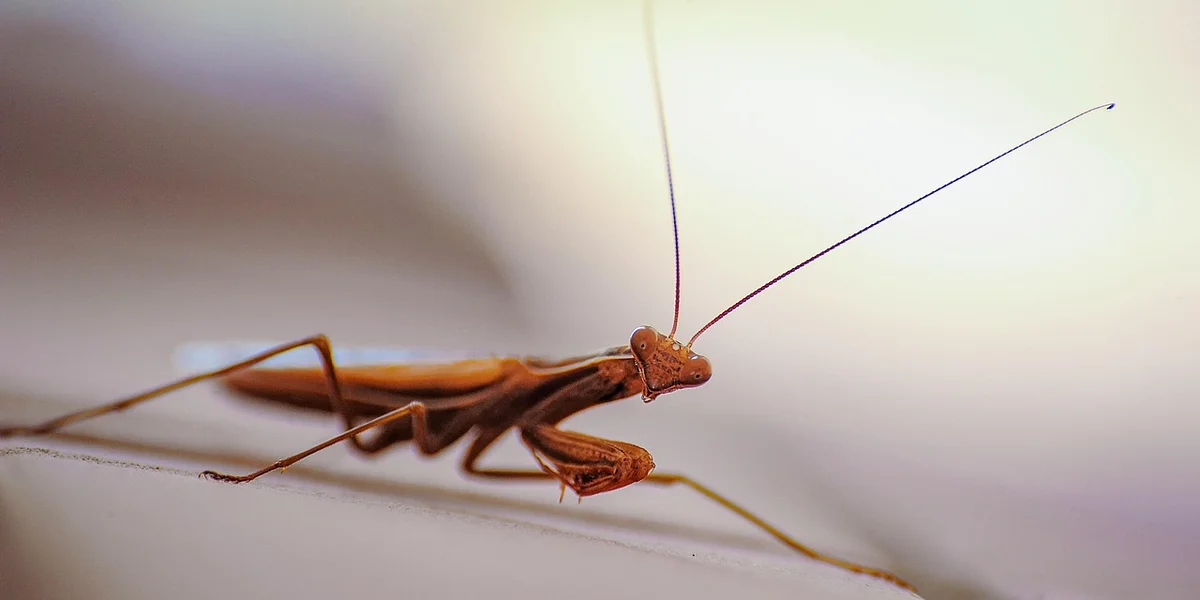
Handling and Sanitizing the Deceased Insect
Handle your mantis with the same gentle care you showed in life. We always use soft-tipped forceps to prevent damaging the delicate exoskeleton during these initial stages. Even a small amount of pressure can crack the thorax or dislodge limbs.
Create a simple sanitizing bath using one part white vinegar to ten parts lukewarm water. This mild solution helps eliminate surface bacteria without bleaching the mantis’s natural colors. Gently swish your mantis for ten seconds, then pat dry with a lint-free cloth. Regular enclosure hygiene helps prevent common parasites and diseases in praying mantises. Use this sanitizing bath as part of a broader health routine to reduce parasite exposure.
Inspect the body carefully under good light before proceeding. Look for any tiny mites or debris hiding in the joints between segments, as these can cause problems later. A soft artist’s brush works beautifully for dusting out leg joints and antennae bases.
Positioning the Mantis for Optimal Display
Think about your mantis’s most characteristic poses while alive. The most natural displays often capture that moment of quiet observation-front legs slightly raised, head tilted as if curious. Our Ghost Mantis Luna always looked most striking in her prayer-like resting stance.
Use reference photos if you have them. Position the abdomen so it appears full and natural, not compressed or twisted unnaturally. The antennae should curve forward gently, never sticking straight out like rigid wires.
Consider the viewing angle of your final display case. We often position mantises with a slight three-quarter turn to show off both the facial features and wing patterns simultaneously. This creates much more depth and interest than a pure profile or frontal view.
Step-by-Step Tutorial for Pinning and Mounting Your Mantis
Step 1: Secure the Mantis on Foam
Choose archival-quality polyethylene foam rather than styrofoam. This specialized foam won’t degrade over time or react chemically with the insect’s body. Cut a piece slightly larger than your mantis’s wingspan.
Place the mantis centered on the foam with the thorax positioned where you want it permanently. Insert a single stainless steel pin straight down through the center of the thorax, leaving about one centimeter exposed above the body. This main anchor point should feel secure but not distort the body shape. For safely transferring a stressed mantis between enclosures, keep handling to a minimum and use a secure transport container. Move quickly and gently to minimize stress, and prepare the destination enclosure before release.
Step 2: Adjust Limbs and Add Support Pins
Begin arranging the legs using the flat side of your forceps. Work slowly from the rear legs forward, creating natural bends at each joint rather than straight lines. Our Moss always looked most alive when his middle legs were positioned as if ready to step forward.
Use additional pins to hold the limbs in place without piercing them directly. Create gentle bridges with pins angled over the legs, applying just enough pressure to maintain position during drying. Place these support pins close to joints where they’ll be least visible later.
Position the front raptorial legs last. These delicate grasping arms benefit from tiny strips of wax paper placed between the spines to prevent them from sticking together during drying. The praying position should appear relaxed, not rigid.
Step 3: Apply Drying Agents and Wait
Surround your pinned mantis with silica gel crystals in a shallow container. These desiccants draw moisture out gradually while preserving color better than cornmeal or borax mixtures. We use about two cups for a standard-sized mantis.
Cover the entire setup with a breathable mesh to keep dust out. Place your drying container in a cool, dark area with stable temperature-avoid attics or basements where humidity fluctuates. Check weekly for any shifting limbs that need readjustment.
The complete drying process typically takes three to six weeks depending on size. Your mantis is ready when the abdomen feels firm to the touch and limbs no longer flex at the joints. Rushing this stage risks collapsed abdomens or mold formation.
Troubleshooting Common Mantis Taxidermy Issues
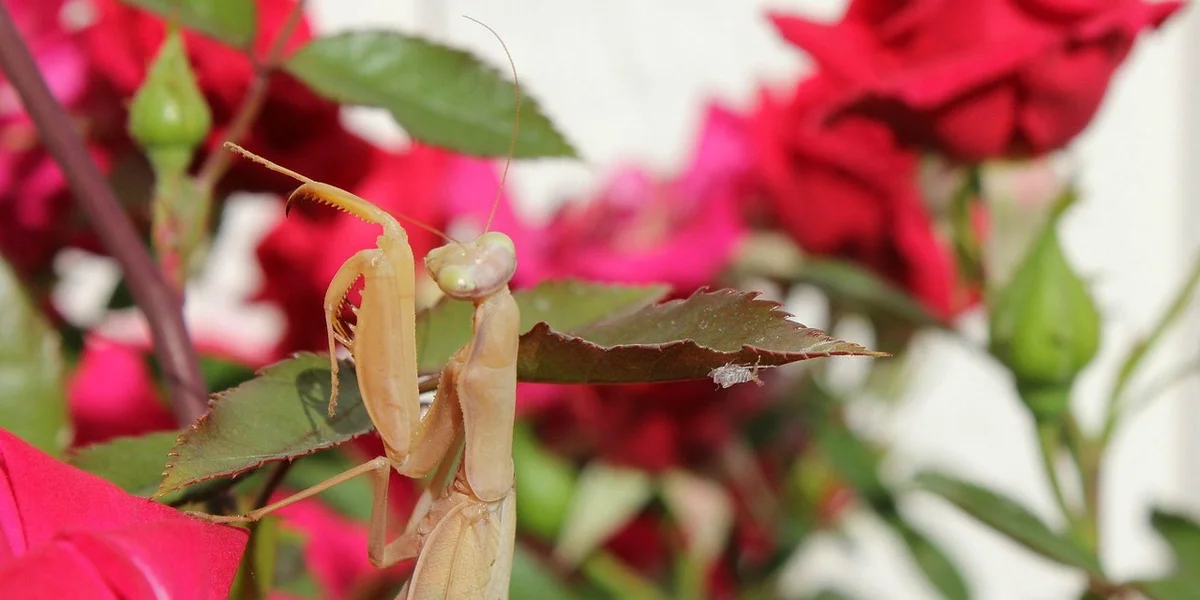
Preventing Mold and Mildew Growth
Mold appears as fuzzy white or green patches, usually starting in the leg joints. This almost always indicates either incomplete drying or storage in conditions that are too humid. Proper desiccant use during the initial drying phase is your best defense.
If you notice early mold formation, act quickly. Gently brush affected areas with a small artist’s brush dipped in isopropyl alcohol, then return to fresh drying agents immediately. Severe mold damage often cannot be reversed without discoloration.
For long-term storage, include silica gel packets in your display case. We replace these every six months to maintain proper humidity levels around our preserved specimens. Avoid displaying mantises in bathrooms or kitchens where moisture levels spike regularly.
Managing Fragility and Color Fading
The thin exoskeleton becomes increasingly brittle over time. Handle your preserved mantis by the pin inserted through the thorax, never by the limbs or antennae. Even gentle pressure can snap these delicate structures years after preservation.
Color preservation begins immediately after death. Keeping your mantis away from direct sunlight is the single most important factor in preventing color fading over decades. UV-filtering glass in display cases provides additional protection.
For mantises with particularly vibrant coloring like our orchid mantis Sprig, consider special preservation techniques. Some keepers have success with very light applications of clear acrylic spray designed for insect collections, though this requires practice. Always test any treatment on a less valuable specimen first.
Species-Specific Tips for Mantis Preservation
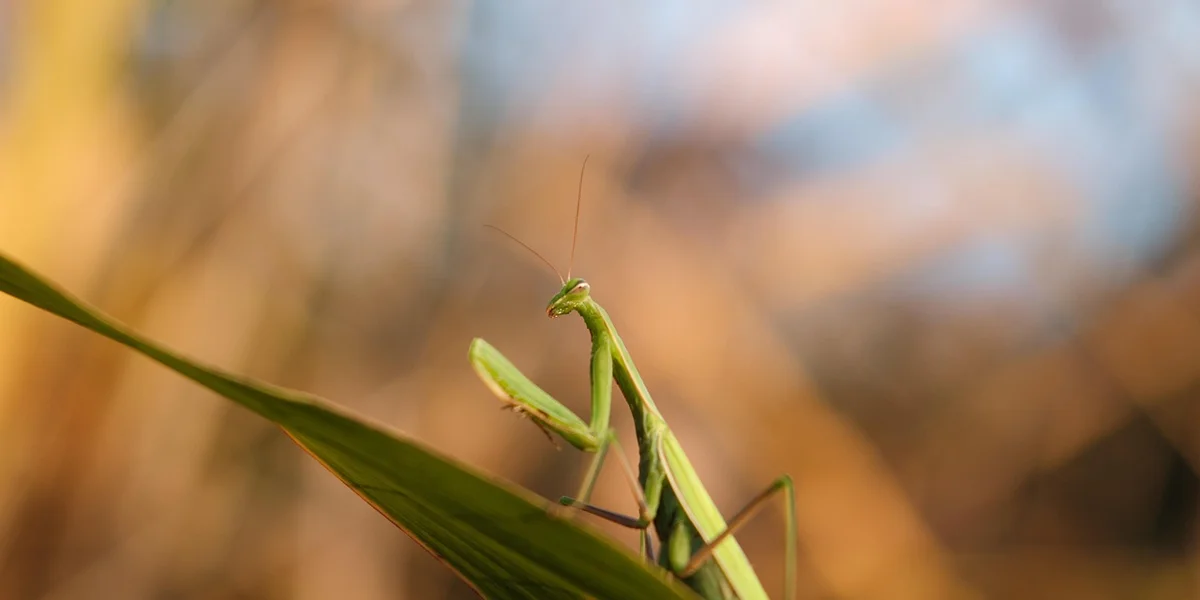
Each mantis species presents unique preservation challenges due to their size, color, and structural fragility. Handling these delicate differences correctly makes the difference between a faded memory and a lasting tribute. For beginners, choosing the right mantis species is essential to start with manageable challenges. Starting with an easier species helps you learn the process without becoming overwhelmed.
Delicate Species (Orchid, Ghost Mantis)
Species like Orchid and Ghost Mantises possess extremely fragile limbs and intricate camouflage structures. Their petal-like lobes and fine spines require a slower, more deliberate drying process to prevent collapse. We recommend positioning them in their final pose before drying begins, as their brittle legs cannot be adjusted later without damage. For my Ghost Mantis Luna, I found that drying her in a small container with extra silica gel packets helped preserve her delicate, leaflike frills perfectly.
Larger Species (Giant Asian, Chinese Mantis)
Bigger mantises like the Giant Asian contain more moisture in their thicker abdomens and leg muscles. Extended drying times of two to three weeks prevent internal decomposition that can cause discoloration or odor. Use thicker entomology pins for support, particularly through the thorax, to bear their additional weight. My male Giant Asian, Moss, needed careful pinning through his robust pronotum to maintain his characteristic alert posture.
Winged Adults vs. Wingless Nymphs
Adult mantises with developed wings require special attention to their delicate flight membranes. Position wings carefully during pinning since they become permanently fixed once dried. For nymphs, focus on preserving their slender proportions and subtle color patterns that often change dramatically during their final molt. If your mantis’ wings are deformed after molting, handle the insect gently and avoid forcing them flat. Monitor the wings as they dry and adjust support to minimize further distortion.
Color Preservation Techniques
Mantis pigments can fade when exposed to direct light and oxygen. Keeping your preserved specimen in dark storage during the drying process helps maintain their original vibrant greens and browns. For species with particularly vivid markings, like the Orchid Mantis, some keepers use specialized preservation jars with UV-protective glass for long-term display.
Displaying Your Preserved Mantis with Care
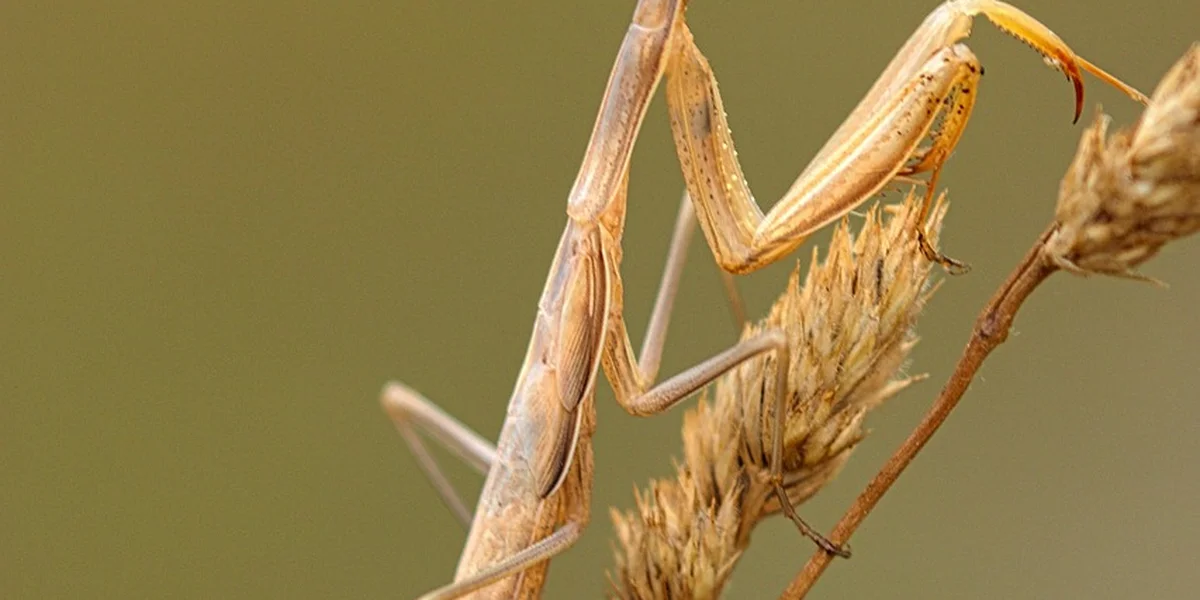
Creating the right display honors your mantis’s memory while protecting your careful preservation work. Thoughtful presentation transforms your specimen from a scientific project into a meaningful keepsake.
Choosing the Right Enclosure
The enclosure you select must provide both visibility and protection from environmental damage.
- Glass domes offer 360-degree viewing while creating a stable microclimate
- Riker mounts provide a flat, professional display with cotton backing that cushions the specimen
- Shadow boxes allow for creative habitat recreation with dried plants and natural elements
- Sealed jars work well for smaller specimens and provide excellent protection from pests
Consider both aesthetics and preservation needs when selecting your display. A tightly sealed container prevents dust accumulation and deters carpet beetles that might damage your specimen. For my displays, I prefer glass domes with wooden bases as they offer both elegance and practical protection.
Environmental Protection
Where you place the finished display significantly impacts its longevity.
- Keep displays away from direct sunlight to prevent color fading
- Maintain stable humidity levels to avoid moisture damage
- Place in areas with minimal temperature fluctuations
- Ensure good air circulation around the display case
Consistent environmental conditions prevent the gradual deterioration that affects even well-preserved specimens. I keep my mantis displays on north-facing shelves where light is consistent but never direct.
Adding Labels and Personal Touches
Documenting your mantis’s story adds depth and meaning to your display.
- Scientific labels should include species name, date of preservation, and life stage
- Personal notes might capture their unique behaviors or meaningful moments
- Habitat elements like dried leaves or twigs from their enclosure create context
- Photographic records of your mantis in life make wonderful accompaniments
These personal elements transform your display from a simple specimen into a rich narrative of your time together. For my Orchid Mantis Sprig, I included a small card noting her favorite perching spot and her surprisingly bold feeding style-details that capture her unique personality beyond her beautiful appearance.
When arranging these elements, ensure they don’t physically contact the specimen itself. Creating a small scene around rather than directly against your mantis prevents accidental damage while telling a complete story. The most meaningful displays balance scientific accuracy with personal connection, honoring both the insect’s natural history and your shared experience.
FAQs on Mantis
How soon after my mantis passes away should I begin the taxidermy process?
Start within a day of death to minimize stiffness and reduce the risk of decay. Delaying can make the body more brittle and harder to position accurately.
Can I preserve a mantis that has missing limbs or damage?
Yes, you can work with a damaged specimen by adjusting the pose to hide imperfections and maintain a lifelike appearance. Use extra pins or supports to stabilize the body and create a balanced display.
How do I ensure the preserved mantis stays pest-free over time?
Keep the mantis in a sealed, airtight display case to block insects and dust from reaching it. Include fresh silica gel packets inside the case and check them periodically to control moisture and prevent infestations. To keep the habitat clean and well-maintained, wipe the interior surfaces and remove any debris during routine maintenance. Regular cleaning helps ensure a healthy environment for your praying mantis.
Your Mantis’s Lasting Legacy
In pinning your mantis, gentle handling and correct pin placement protect their fragile form from harm. Allow them to dry slowly in a safe, dust-free spot to keep their delicate features intact for years. For more tips on handling, learn how to hand tame a skittish mantis before pinning.
Responsible pet ownership means honouring your mantis even after they’ve passed, reflecting the care you gave in life. We invite you to keep learning about their habits and needs, fostering a deeper appreciation for these gentle creatures.
Further Reading & Sources
- My Guide for Relaxing/Spreading/Pinning Mantid Specimens | Mantid Forum – Mantis Pet & Breeding Forum
- r/Entomology on Reddit: Praying mantis pinning tips
- How to Save A Dying Praying Mantis | TikTok
- Pinning Carolina Praying Mantis – YouTube
Rowan Hale is a lifelong insect enthusiast who fell in love with mantises for their calm presence, alien elegance, and surprising personalities. After years of keeping and raising a variety of species, Rowan shares practical tips, creative insights, and real-world experience to help others enjoy the quiet magic of mantis care. From setting up the perfect enclosure to understanding their subtle behaviors, Rowan invites readers into a gentle, curious world where every tiny movement feels like a discovery.
Accessories and Tools