
How Do Male Praying Mantises Avoid Being Eaten?
Hello, mantis friend! Picture this: a slender male mantis, cloaked in shades of green or brown, creeping toward a larger female with the delicate grace of a leaf drifting in the breeze. He knows that one wrong move could turn him from suitor to supper.
Male praying mantises avoid being eaten by using stealthy approaches, precise timing, and clever behavioral tactics to reduce the risk during mating encounters.
This survival dance is far from simple-it’s a delicate balance of instinct, adaptation, and a bit of luck, shaped by millions of years of evolution.
Here are the key takeaways you’ll explore in this article:
- Stealthy movement and cautious approach strategies
- Optimal timing for mating to avoid peak female aggression
- Physical and sensory adaptations that aid in escape
- How environmental factors influence male survival rates
What Is Sexual Cannibalism in Praying Mantises?
- Sexual cannibalism occurs when a female praying mantis eats the male before, during, or after mating. This behavior is a natural part of their lifecycle, helping females secure vital nutrients in the wild.
- Females may consume males to boost their own nutrition, which directly supports egg development and overall health. Extra protein from a mate can lead to stronger, more numerous egg cases, or oothecae.
- In wild settings, sexual cannibalism is less common than myths suggest, happening in roughly 13-28% of encounters. Captive mantises might show higher rates due to confined spaces or stress, so we monitor their interactions closely.
Why Male Mantises Take the Mating Risk
- Male mantises pursue mating despite the danger because it offers a chance to pass on their genes, even if they are eaten. Evolution favors this risk-taking, as successful fertilization ensures their genetic legacy continues.
- Not every mating attempt ends in cannibalism; many males use stealth and timing to avoid being caught. With careful observation, we see that most males in our care emerge unscathed from these encounters.
- Species like the Ghost Mantis (e.g., our Luna) tend to be gentler, while Giant Asian Mantises (like Moss) might display more variability in aggression. This diversity shows that each mantis has its own unique personality and approach to mating.
Male Mantis Survival Tactics Against Predation
-
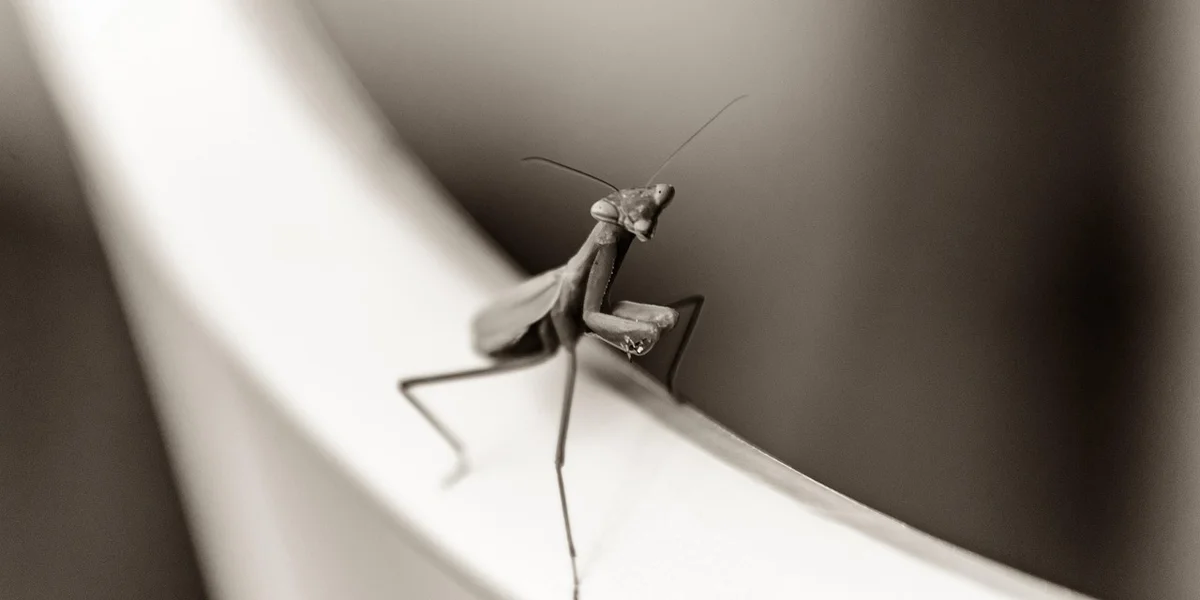
Male mantises often sport colours that mirror their surroundings, from earthy browns to leafy greens, helping them vanish into foliage or bark. This natural camouflage lets them hide in plain sight, reducing the chance a predator or hungry mate spots them first. We’ve watched Moss, our Giant Asian male, perch among fresh mint leaves-his emerald body becoming near-invisible against the vibrant backdrop.
-
They master the art of stillness, pausing for long stretches without a twitch to avoid drawing attention. Freezing in place or tucking into dense vegetation makes them harder to detect, especially when a female is nearby. Even a slight rustle can give them away, so they wait with the patience of a statue until the moment is right.
-
If danger looms, males rely on swift escapes-darting away in a blink or taking flight if they have wings. Their vigilant approach means they often circle potential mates cautiously, ready to bolt at the first sign of aggression. We’ve seen Moss make a quick dash to safety after a failed courtship attempt, using his agility to stay out of harm’s way.
-
Some males use startle displays, like suddenly flashing their wings or rearing up in a defensive pose to scare off threats. These sudden movements can startle a predator or female, buying precious seconds for the male to flee. It’s a bold bluff that, in our experience, often works better in the wild than in confined spaces.
Reducing Mating Risks in Pet Mantis Care
-
Start by assessing your female’s hunger-offer a small prey item beforehand to curb her appetite. A well-fed female is generally less aggressive, making introductions smoother and safer for the male. Set up a neutral, spacious environment with plenty of hiding spots, like fake plants or twigs, to give the male escape routes.
-
Time introductions for earlier in the day, avoiding late feedings when females might be more territorial. Mornings tend to be calmer, lowering the odds of sudden attacks during mating encounters. We’ve found that our mantises, like Sprig the Orchid, respond better to daytime meetings than evening ones.
-
Consider species known for milder temperaments, such as Orchid or Ghost mantises, which show less cannibalistic behavior. These varieties often coexist more peacefully, reducing stress for both you and your pets. Luna, our Ghost mantis, has never shown interest in cannibalism, making her a gentle choice for beginners.
Steps for a Safe Mating Setup in Captivity
-
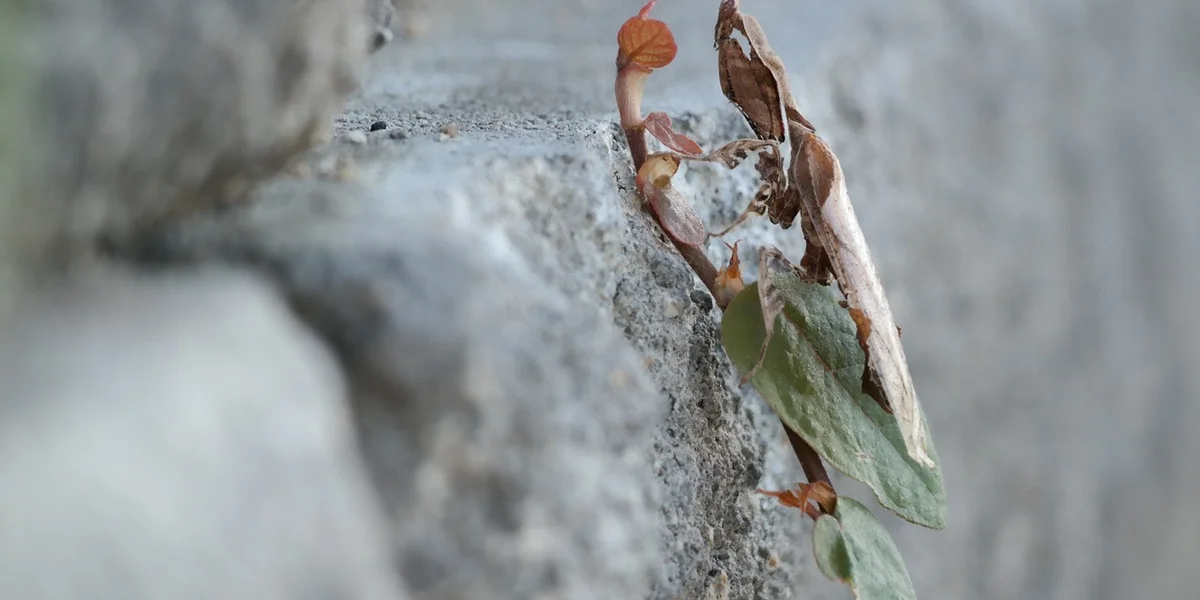
Prepare the enclosure by choosing a spacious habitat, at least three times the male’s length in all directions, to give him room to retreat. We like using tall glass terrariums with plenty of vertical climbing space, as mantises feel safer when they can perch high. Add soft foliage like fake plants or dried twigs for hiding spots, and maintain humidity around 60-70% with a gentle misting of warm water each morning. This setup mimics their natural environment, reducing stress and encouraging natural behaviors during mating.
-
Monitor both mantises closely for stress signs such as rapid head tilting, frantic movements, or refusal to eat before introducing them. Keep an eye on the female’s posture—if she holds her forelegs ready to strike, delay the meeting. During introduction, watch for any sudden lunges or the male freezing in place, which signals high anxiety. We’ve found that a calm, observant approach helps prevent mishaps, much like noticing when our Ghost Mantis Luna becomes unusually still before molting. If either shows aggression or a defensive stance, separate them and extend the cooling-off period. When dealing with an aggressive, defensive praying mantis, patience and a slow, stepwise reintroduction are essential.
-
Guide on intervening if aggression flares up by using a soft paintbrush or your hand to gently separate them without grabbing. Slowly guide the male away from the female’s reach, keeping movements smooth to avoid startling either mantis. If the female shows persistent aggression, remove her temporarily to a separate container. Handling with care ensures their delicate exoskeletons stay unharmed, and it’s a technique we’ve refined with our energetic Giant Asian Mantis Moss.
-
Post-mating separation should happen immediately after the male disengages, using a small container to scoop him up gently. Place him back in his own enclosure with fresh water and a quiet spot to recover, as he’ll be exhausted. Avoid disturbing him for a day or two to let him regain strength. This quick action prevents the female from seeing him as prey again, a lesson we learned after our Orchid Mantis Sprig once pursued a tired mate.
Understanding Mantis Defense Mechanisms Beyond Mating
-
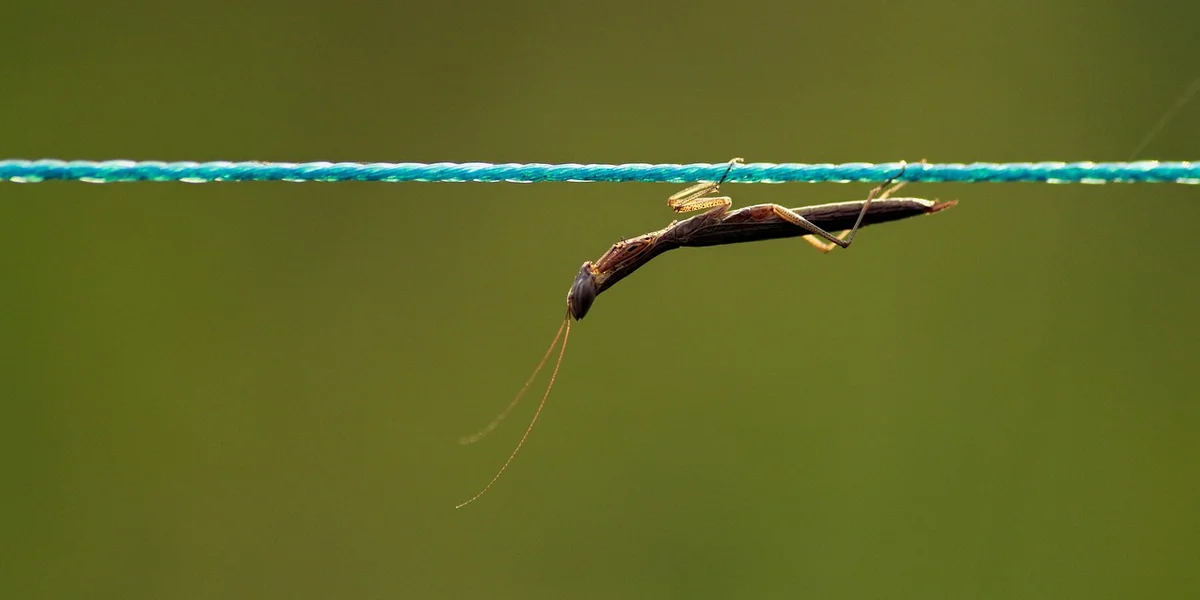
Describe common defense poses like the “praying” stance, where the mantis raises its forelegs to appear larger and more intimidating. Another pose is the threat display, with wings spread and body arched to scare off predators. These signals tell you when your mantis feels cornered, much like how Luna flattens her leaflike frills when she senses a shadow overhead.
-
Explain how these behaviors help mantises avoid birds, lizards, or other predators by blending into surroundings or startling attackers. In the wild, a sudden pose change can make a predator hesitate, giving the mantis a chance to escape. This natural camouflage and bluffing are key to survival, something we see in Moss’s vivid green coloring that hides him among plants.
-
Link to pet care by teaching you to recognize when your mantis feels threatened, such as if it sways side to side or refuses food. Respond by reducing noise, dimming lights, or giving it space to calm down. Understanding these cues helps you create a safer home, ensuring your mantis stays healthy and stress-free.
Post-Mating Care for Male Mantis Safety
Feeding and Habitat Adjustments for Recovery
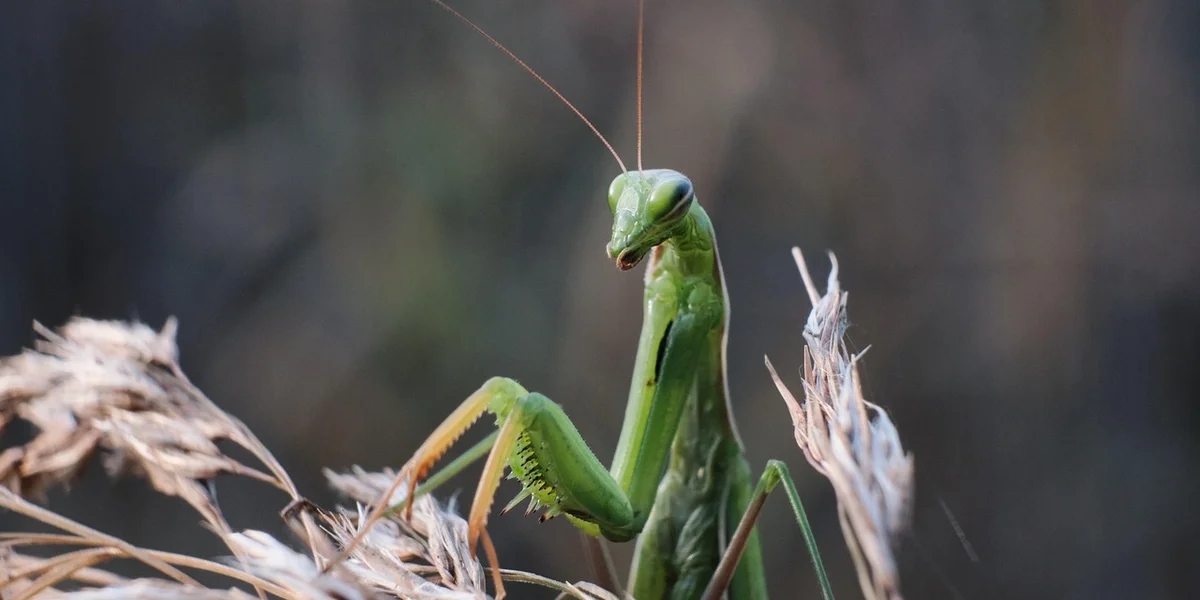
After mating, your male mantis needs gentle support to bounce back from the encounter. We recommend offering smaller, easy-to-catch prey like fruit flies or pinhead crickets to reduce hunting stress. Increase feeding frequency slightly for a day or two to replenish energy, but avoid overloading his diet. In his habitat, add soft foliage or paper towel rolls for hiding spots—this gives him a quiet retreat. If you notice signs of stress—such as pacing, reduced appetite, or lethargy—reassess the habitat conditions. Simple fixes like more hiding spots, stable humidity, and calmer lighting can help restore comfort. Light misting with warm water can boost humidity, mimicking the dewy mornings they enjoy. From my time with Moss, I found that a few extra leaves and a daily mist helped him regain his lively curiosity without feeling exposed.
- Serve small, soft-bodied insects to ease digestion.
- Place hiding spots like curled bark or artificial plants.
- Maintain humidity around 60-70% with gentle sprays.
- Keep the enclosure in a low-traffic area to minimize disturbances.
Recognizing Signs: Successful Mating vs Stress
Watch for subtle changes in behavior to gauge how your male is faring. A successful mating often shows in his appetite-he might eagerly accept food within hours and resume normal activities like grooming or exploring. Healthy males will perch calmly, with antennae twitching curiously at new sights. Stress signs include loss of appetite, prolonged stillness, or hiding deep in foliage. If he refuses meals for over a day or moves sluggishly, it could signal distress. With Sprig, I noticed her pink hues brightened after a calm mating, while Moss once stayed motionless for hours when stressed, prompting extra care.
- Successful mating cues: steady eating, active movement, alert posture.
- Stress indicators: food avoidance, lethargy, frequent hiding.
- Monitor for physical injuries like leg damage or wing issues.
Ethical Practices for Future Breeding
Ethical care means prioritizing your mantis’s well-being over repeated breeding attempts. Allow at least two to three weeks between matings to let the male recover fully. Always assess both partners’ health beforehand-only introduce them if they’re active and well-fed. Use a spacious enclosure or temporary setups to reduce confrontation risks. We’ve found that rotating mates or limiting sessions per season prevents exhaustion. In my practice, I never rush Luna into back-to-back pairings; it keeps her content and reduces harm chances.
- Space out breeding sessions to avoid fatigue.
- Check for vibrant color and normal behavior before pairing.
- Provide separate resting areas post-mating if needed.
- Record mating dates and outcomes to track health trends.
FAQs on Mantis
How can I identify if my pet mantis is feeling threatened?
Watch for raised forelegs, body arching, or sudden stillness, which signal alertness or fear. These behaviors help mantis owners recognize stress early and adjust care accordingly.
What should I do if my mantis displays a defense pose?
Remain calm and slowly move away to avoid startling your mantis further. Providing a quiet, dimly lit space can help it relax and return to normal behavior quickly. If you must handle it, do so gently and briefly with slow, deliberate movements and support its body to minimize stress.
Are there common misconceptions about mantis defense mechanisms?
Some believe defense poses always indicate aggression, but they are often bluffs to deter threats without physical conflict. Understanding this can prevent overreaction and support better pet handling practices.
Caring for Your Male Mantis
Male praying mantises rely on stealthy approaches and optimal timing to reduce the risk during mating. By offering a spacious, well-furnished enclosure with hiding spots, you can help mimic their natural safety strategies in captivity during the mating process.
We encourage all mantis owners to observe their pets closely and adjust care routines as needed. Staying informed through reliable sources and connecting with fellow keepers enriches your journey in responsible pet mantis care. For a complete guide on safe handling and behavior, see our care pet praying mantis complete handling behavior guide. It covers practical handling tips and what to watch for in your mantis’s behavior.
Further Reading & Sources
- Mantids and Cannibalism: a Surprisingly Complicated Affair. | Ask an Entomologist
- Sexual cannibalism increases male material investment in offspring: quantifying terminal reproductive effort in a praying mantis – PMC
- r/Entomology on Reddit: Do male praying mantises have any innate awareness that mating could result in their death? Is there any evidence that male praying mantises exhibit behavior that reflects an instinctual response to the risk of sexual cannibalism?
- r/explainlikeimfive on Reddit: ELI5: Why do praying mantis behead their partners after sex?
Rowan Hale is a lifelong insect enthusiast who fell in love with mantises for their calm presence, alien elegance, and surprising personalities. After years of keeping and raising a variety of species, Rowan shares practical tips, creative insights, and real-world experience to help others enjoy the quiet magic of mantis care. From setting up the perfect enclosure to understanding their subtle behaviors, Rowan invites readers into a gentle, curious world where every tiny movement feels like a discovery.
Predatory Threats