
How Long Can a Praying Mantis Go Without Food?
Hello, fellow mantis friend. Have you ever watched your green companion sit perfectly still for hours, a living statue in its terrarium, and wondered just how patient a predator can truly be?
A healthy adult praying mantis can generally survive without food for about two weeks, though this varies significantly with age, species, and environmental conditions.
This isn’t a simple one-size-fits-all answer, as a mantis’s metabolism is a delicate dance influenced by many factors, from the warmth of its home to its specific life stage.
Here are the key takeaways we’ll explore:
- Why a mantis’s age is the single biggest factor in its fasting ability.
- How different species, from the hardy Giant Asian to the delicate Orchid mantis, have different nutritional needs.
- The critical, and often overlooked, role that water plays in survival compared to food.
Why Do Praying Mantises Fast?
Fasting Before Molting
Praying mantises often stop eating a day or two before they molt. Their bodies become still and soft as the old exoskeleton loosens. This fasting helps prevent injuries during the delicate shedding process. Imagine your mantis perched quietly, its skin feeling pliable like damp paper-it’s a natural pause for safety. Our Ghost Mantis, Luna, would cling to a twig, barely moving, her frilled body awaiting renewal. Forcing food during this time can cause stress or even harm, so we always wait until after the molt to offer a meal. It’s especially important to properly care for your praying mantis after molting to ensure it recovers well.
You might notice your mantis refusing prey, its movements slowing to a gentle sway. This behaviour signals that molting is near, and it’s best to reduce handling and disturbances. Keep the enclosure humid with light misting to ease the skin’s release. After shedding, they’ll often eat the old exoskeleton for extra nutrients—a clever way to recycle! Barometric pressure shifts can sometimes align with molts or hatching in mantises. Monitoring these cues alongside humidity helps you prepare the enclosure for the next life stage.
Fasting and Mating Behavior
During mating, fasting can occur due to stress or hormonal shifts. Female mantises, like our Moss’s potential mates, might fast briefly after laying an ootheca or during courtship. Males may avoid eating to stay agile and evade the female’s grasp. In some cases, a well-fed female might fast if she’s not receptive, her posture turning defensive. We’ve observed this in our group-Moss, ever curious, would fast for a day before introductions, as if gathering courage.
This fasting isn’t always about hunger; it’s tied to instinct. Providing a calm environment with hiding spots can ease mating-related stress. If your mantis fasts around breeding time, monitor its weight and offer water to stay hydrated.
Environmental Triggers for Fasting
Changes in temperature, humidity, or light can prompt fasting. A sudden chill might slow their metabolism, much like a bear in winter. Low humidity can make prey less appealing, leading to temporary refusal. Think of a mantis in a dry room-its body conserving energy until conditions improve. We once saw Sprig, our Orchid Mantis, fast during a heatwave, her pink hues dulling slightly until we adjusted the misting schedule.
Other triggers include lack of suitable prey or overcrowding. Ensuring a stable habitat with consistent warmth and moisture reduces unnecessary fasting. Use a simple thermometer and hygrometer to track conditions, and offer varied, live insects to spark interest.
How Long Can a Mantis Survive Without Food?
Fasting Duration in Nymphs vs. Adults
Nymphs, with their rapid growth, can’t fast as long as adults. They might last 3-5 days without food, while adults can go 1-2 weeks. Young mantises have higher metabolic rates, needing frequent meals to support molting. Mantises molt multiple times as they grow, with each molt taking several days. The overall time from hatching to adulthood can span weeks, depending on temperature and species. Picture a tiny nymph-its energy fades fast, like a flickering candle. Adults, like Moss in his prime, store more reserves and slow down in cooler temps.
Always watch for weight loss or lethargy. Offer small, frequent feeds to nymphs and space meals for adults to match their pace. If fasting extends beyond typical limits, check for health issues or environmental faults.
Species-Specific Fasting Limits
Different species handle fasting uniquely. Larger mantises, such as the Giant Asian, may fast up to two weeks, while delicate ones like Ghost Mantises might manage only a week. Orchid Mantises, with their slender builds, often fast shorter periods due to higher energy needs. Our Sprig once fasted for five days during a molt, her petal-like arms tucked close. Smaller species, such as the European Mantis, might struggle after just a few days.
Research your mantis’s natural habits for clues. Keeping a species-appropriate diet and enclosure setup supports their fasting tolerance. For example, tropical species need steady warmth to avoid prolonged fasts. We recommend noting your mantis’s patterns in a simple journal-it helps spot trends early.
Factors Influencing Fasting Tolerance
Age and Metabolic Rate
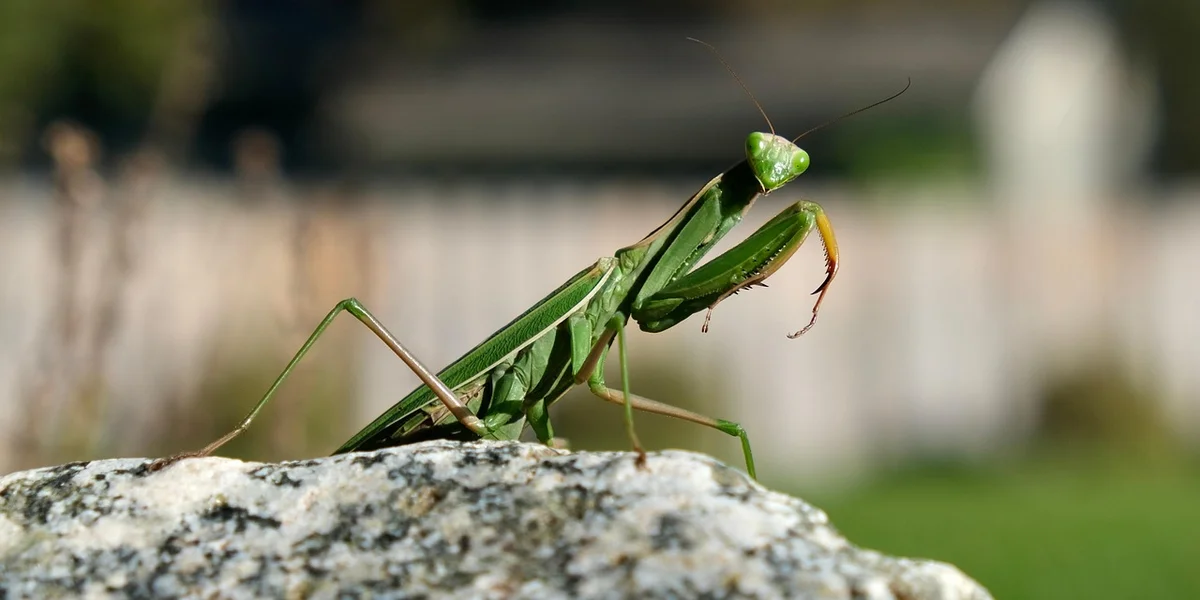
Young mantises, like our Moss in his juvenile days, burn energy quickly and may need food every couple of days to support their rapid growth. As mantises mature, their metabolic rate slows, allowing adults to fast for longer periods without harm. Females, especially those preparing to lay oothecae, can sometimes go without food for over a week as their bodies focus on reproduction rather than daily hunting.
Nymphs have tiny reserves and high activity levels, making frequent meals vital for survival. We’ve noticed that older mantises, such as Luna, our Ghost Mantis, often enter calm fasting phases where they perch for days, conserving energy with minimal movement. This natural slowdown is part of their life cycle and not a cause for concern if they remain hydrated and alert.
Temperature and Seasonal Effects
Warmer environments speed up a mantis’s metabolism, meaning they might need food more often to keep up with energy demands. In cooler conditions, their bodily processes slow, enabling them to fast for extended times, much like wild mantises do during autumn chills. Seasonal shifts can trigger natural fasting behaviors, so a mantis in a slightly cooler room might not eat for a week or more without issue, especially when following a feeding schedule tailored to its species.
During summer, our Sprig stays active and hungry, but as temperatures drop, she becomes more sedentary. Maintaining a stable, moderate temperature helps prevent stress-induced fasting and supports their overall health through changing seasons. A sudden cold snap can prolong fasting, so we always monitor room warmth to avoid unexpected hunger strikes.
Hydration and Moisture Balance
A well-hydrated mantis can handle food shortages better because moisture supports vital functions like molting and digestion. Regular misting creates a humid microclimate that mimics their natural habitat, letting them absorb water through drinking droplets or the air. We mist Luna’s enclosure lightly each morning, and the earthy scent of damp substrate seems to keep her content even when she’s not eating.
Dehydration weakens mantises quickly, making fasting riskier. Watch for plump abdomens and active drinking behaviors as signs they’re getting enough moisture to tide them over during fasts. If you notice signs of dehydration, intervene quickly. Gentle misting and a stable humidity level help restore hydration without stressing the mantis.
Signs of Fasting vs. Starvation
Healthy Fasting Indicators
When a mantis is fasting healthily, it remains perched calmly, with occasional grooming or slight antennae movements. You might see them tilt their head curiously, as Luna often does, showing they’re still engaged with their surroundings despite not eating. Their body weight stays relatively stable, and they respond to gentle stimuli without signs of distress.
- Calm, steady posture without slumping
- Clear, bright eyes and intact limbs
- Occasional drinking from misted surfaces
- Normal molting cycles proceeding without delay
Healthy fasts usually last a few days to a week, with mantises resuming feeding eagerly once offered prey. We’ve observed Moss taking breaks from eating during cooler periods, only to pounce on a cricket with renewed vigor afterwards.
Warning Signs of Starvation
Starvation sets in when fasting goes too long, leading to visible decline like a shrunken abdomen or lethargic behavior. If your mantis loses grip strength and struggles to hold onto branches, it’s a clear signal they need immediate nourishment. Unlike brief fasts, starvation causes rapid weight loss and a lack of interest in movement or food.
- Noticeable thinning of the thorax and abdomen
- Weak, wobbly movements or falling from perches
- Dull, discolored exoskeleton
- No response to prey or environmental changes
Act quickly if you spot these signs, as prolonged starvation can lead to irreversible health issues. Offering small, easy-to-catch insects like fruit flies can help a weakened mantis recover if caught early.
Feeding Guidelines for Pet Mantises
Ideal Feeding Frequency
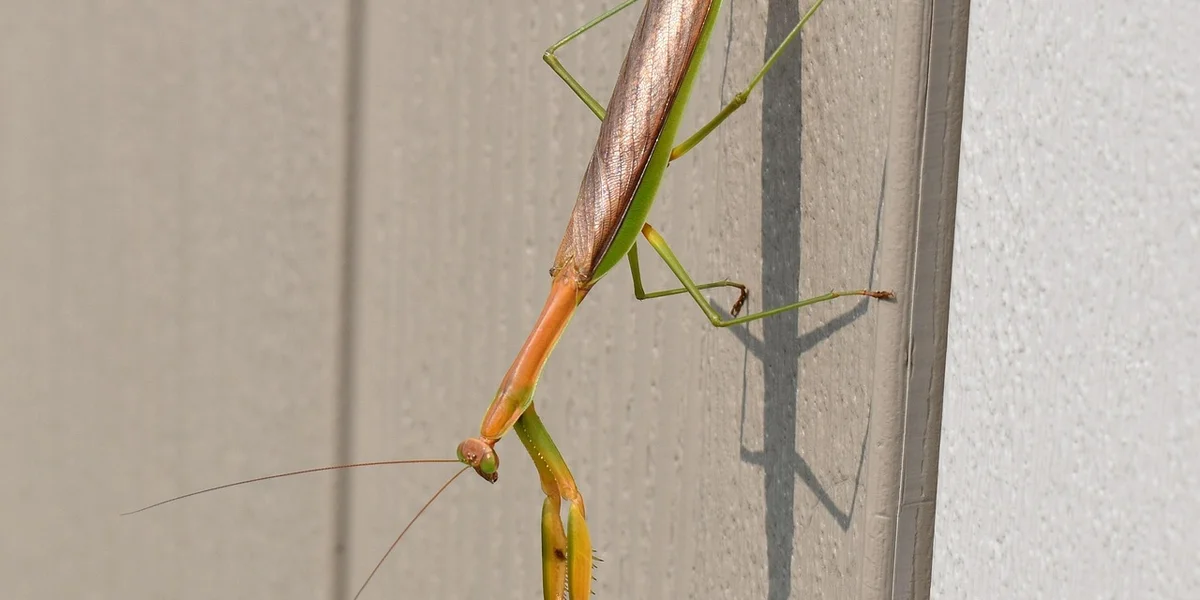
How often your mantis needs a meal depends heavily on its life stage and species. Nymphs, those tiny, energetic youngsters, have blazing-fast metabolisms and require feeding every day or two to support their rapid growth. Missing multiple meals can stunt their development.
Sub-adult mantises, nearly fully grown, do well with a substantial meal every three to four days. This schedule gives them enough energy for final molts without overloading their digestive systems. We’ve found our subadult Ghost Mantis, Luna, becomes most active and alert about 48 hours after her last cricket.
Adult mantises are the most resilient. A healthy adult can be comfortably maintained on one appropriately sized insect every 4 to 7 days. Our adult male Giant Asian, Moss, thrives on a single large fly every five days, remaining vigorous and curious.
Portion Sizes and Food Types
Choosing the right prey is a cornerstone of good mantis care. A golden rule is to never offer food larger than the distance between your mantis’s eyes, as oversized prey can injure or intimidate them. When selecting live food, also avoid prey that is too large, too fast, or has sharp spines, which can injure or stress them. Choose appropriately sized, parasite-free options (learn more here) to keep your mantis healthy and safe.
Here are some excellent feeder options:
- Fruit Flies: Perfect for hatchlings and small nymphs. You can buy wingless cultures for easy handling.
- House Flies and Blue Bottle Flies: A fantastic staple for juveniles and adults, encouraging natural hunting behaviour.
- Crickets: A common choice, but be cautious. Only use crickets from a trusted source, as pet shop crickets can carry pathogens if they aren’t gut-loaded properly.
- Moths and Small Butterflies: A wonderful, natural treat if you can find them in pesticide-free areas.
Portion control is simple. Your mantis is fully fed when its abdomen becomes plump and slightly rounded, but never so swollen it looks like it might burst. A lean, flat abdomen is a clear signal it’s time for the next meal.
What to Do If Your Mantis Stops Eating
Common Causes for Fasting
A mantis refusing food isn’t always a crisis. The most common and completely natural reason for a hunger strike is an impending molt, a process where they shed their old exoskeleton to grow. They become still, often hang upside down, and will ignore all food for several days beforehand.
Other reasons for fasting include:
- Overfeeding: A mantis with a very full abdomen simply isn’t hungry. Give it more time between meals.
- Stress: An enclosure that is too small, lacks hiding places, or is in a high-traffic area can cause a mantis to feel too exposed to eat.
- Incorrect Temperature: Mantises are cold-blooded. If their environment is too cool, their digestion slows to a halt and they won’t have an appetite.
- Old Age: Towards the very end of their natural lifespan, an adult mantis will gradually slow down and stop eating altogether.
Steps to Encourage Eating
If you’ve ruled out molting, a few gentle tactics can help tempt your mantis.
First, check the basics. Ensure the enclosure temperature is in the ideal range for your species, typically between 22°C and 30°C, and gently mist the habitat to provide a drink. Dehydration can sometimes mask itself as a lack of appetite.
Try offering a different type of prey. If your mantis is bored of crickets, the fluttering movement of a live fly can instantly trigger its hunting instincts. We’ve seen our shy Orchid Mantis, Sprig, become a fierce hunter when a moth flutters into view.
If it still refuses, do not leave live prey unsupervised in the enclosure. A roaming cricket can actually nibble on and stress a non-eating mantis, especially one preparing to molt. Remove the uneaten insect and try again in another day or two. Patience is your greatest tool here.
Long-Term Health Effects of Fasting
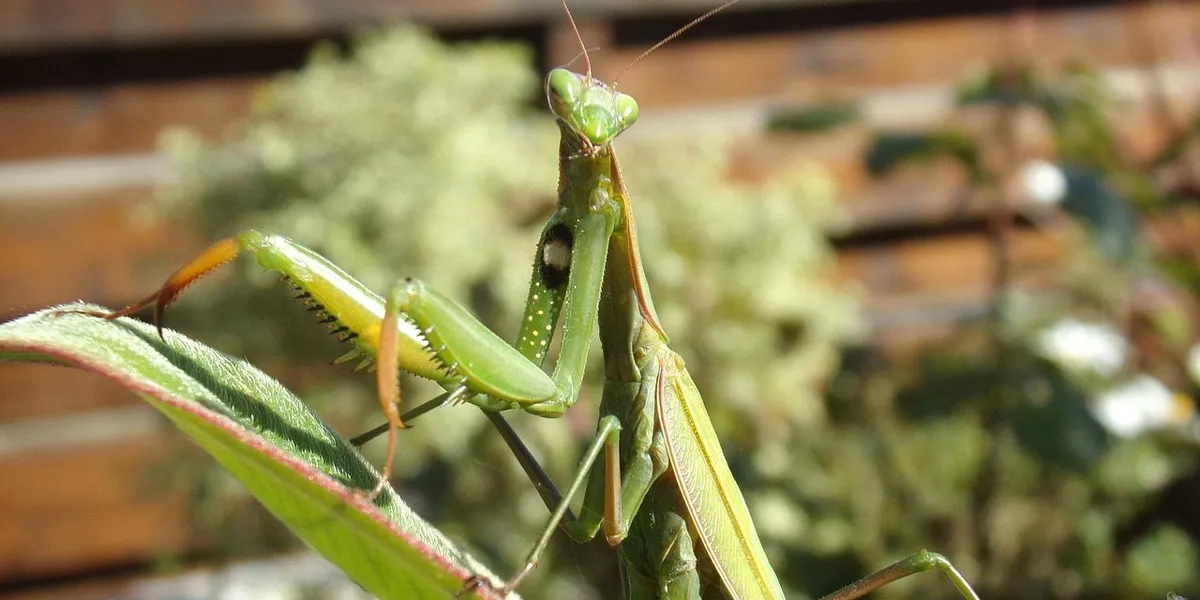
While mantises are champions at enduring lean times, prolonged hunger leaves its mark. Extended fasting can slowly weaken a mantis’s vitality, making them more susceptible to illness and less resilient overall. We’ve noticed that even our hardiest individuals seem a bit duller after a long fast, their vibrant colors slightly muted.
Impact on Growth and Development
For young, growing mantises, consistent nutrition is the bedrock of healthy development. Juveniles deprived of regular meals often experience stunted growth and may struggle to molt successfully. Each skipped meal can delay their next shed, and a poorly-timed fast can lead to a mismolt, a condition where the new exoskeleton doesn’t form correctly. Our Moss, as a nymph, once went a bit too long between feeds and his next molt was noticeably more difficult for him.
Key developmental impacts include:
- Smaller adult size than genetically possible
- Longer intervals between molts
- Increased risk of fatal mismolts
- Weaker, more brittle exoskeletons
Effects on Breeding and Reproduction
Fasting takes a significant toll on a mantis’s reproductive capabilities. Females, in particular, require immense energy reserves to produce a healthy ootheca (egg case) full of viable eggs. A hungry female may produce a smaller ootheca, or one with fewer fertile eggs. For males, prolonged lack of food can sap the energy needed for the delicate and risky mating process.
Consider these reproductive consequences:
- Reduced ootheca size and egg count in females
- Lower fertility rates in both males and females
- Decreased male interest and ability to mate successfully
- Poorer overall health for the female after laying eggs
When to Seek Veterinary Care
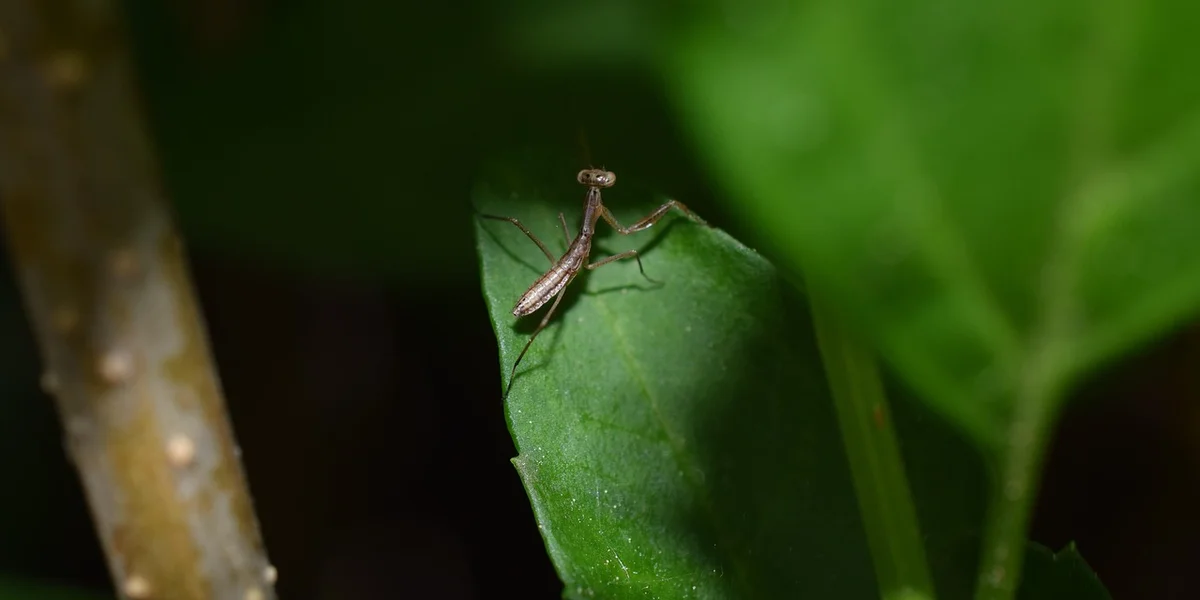
Most fasting periods are normal, but certain signs warrant professional attention. If your mantis shows a sudden, complete loss of appetite coupled with noticeable weight loss and lethargy for more than a week, it’s time to consult an exotic vet. We learned this the hard way with our first mantis, who we later discovered had a subtle parasite.
Specific red flags include:
- Refusing food for over 10 days as an adult
- Rapid, dramatic thinning of the abdomen
- Inability to grip branches or stay upright
- Visible discoloration or unusual spots on the body
- A sudden refusal to drink water when misted
An experienced exotic veterinarian can diagnose underlying issues like internal parasites, bacterial infections, or organ failure. Finding a vet familiar with invertebrates before you have an emergency is one of the kindest things you can do for your mantis. They can provide targeted treatments and peace of mind when your green friend isn’t themselves.
Questions from Fellow Mantis Friends
What triggers feeding in a praying mantis?
Praying mantises are primarily triggered to feed by the movement of live prey, which activates their innate hunting instincts. An empty abdomen and increased alertness also signal hunger, prompting them to actively seek out food. In a complete diet feeding guide, you’ll learn how to choose appropriate prey, how often to feed, and how to adjust portions as mantises grow. This context helps translate these feeding cues into practical care steps for different life stages.
How does fasting impact a mantis hunting behavior?
Short-term fasting can sharpen a mantis’s hunting behavior, making them more focused and aggressive when prey is available. Prolonged fasting, however, may lead to lethargy and reduced accuracy in capturing insects.
Is fasting commonly observed in the wild for praying mantises?
Yes, fasting is a regular occurrence in the wild due to factors like seasonal prey scarcity or environmental stressors. Wild mantises have evolved to endure these periods as part of their natural life cycle and survival adaptations.
A Final Word on Your Mantis’s Well-Being
Most adult mantises can manage a week or two without food, but younger ones and those preparing to molt need more regular meals to stay strong. Always tailor feeding to your mantis’s life stage and watch for subtle cues – like a still, patient posture or a slight lean toward prey – to know when they’re ready to eat. To tell if your mantis is hungry or full, watch its interest in prey. A hungry mantis will strike quickly, while a well-fed one may ignore or turn away from food.
Caring for a mantis is a gentle commitment that grows richer with every small observation you make. We encourage you to keep exploring their world, learning from each other and your pet, to build a confident, caring routine together. For a thorough, practical guide, our care pet praying mantis complete handling behavior guide can help. It covers safe handling, feeding, and behavioral cues to help you read your mantis with confidence.
Further Reading & Sources
- Life Cycle of a Praying Mantis – Insect Lore
- What To Do With Baby Praying Mantises
- General Mantis Care – Praying mantis care sheet and feeding
- Feeding A Praying Mantis | Bug Pets LTD
Rowan Hale is a lifelong insect enthusiast who fell in love with mantises for their calm presence, alien elegance, and surprising personalities. After years of keeping and raising a variety of species, Rowan shares practical tips, creative insights, and real-world experience to help others enjoy the quiet magic of mantis care. From setting up the perfect enclosure to understanding their subtle behaviors, Rowan invites readers into a gentle, curious world where every tiny movement feels like a discovery.
Feeding