
Praying Mantis Molting: How Often and How Long?
Published on: March 12, 2026 | Last Updated: March 12, 2026
Written By: Rowan Hale
Hello fellow mantis friend, have you ever noticed your mantis hanging still, its body seeming to shimmer with anticipation? That quiet moment often signals the start of molting-a delicate, essential part of their growth.
Praying mantises typically molt 5 to 10 times from hatchling to adult, with each molt lasting anywhere from 20 minutes to a few hours, depending on their age and species. This process is their way of growing larger and shedding old skin.
But molting isn’t a simple, predictable event-it’s influenced by factors like humidity, temperature, and the mantis’s individual health. From my time with Luna, my Ghost Mantis, I’ve seen how a calm environment can make all the difference during this vulnerable stage.
Here are a few key points we’ll explore:
- How molting frequency changes as mantises mature
- Why some molts take longer than others
- Signs your mantis is preparing to molt
- Ways to create a safe space for smooth shedding
Understanding Mantis Molting: The Growth Cycle Explained
Molting is the process where a praying mantis sheds its old exoskeleton to allow for growth, much like a snake sliding out of its skin. This natural cycle is essential because their rigid outer shell doesn’t stretch, so they must molt to get bigger and develop new features like wings. You might notice your mantis becoming still and refusing food a day or two before it happens – a quiet signal that change is on the way.
During the molt, the mantis hangs upside down, often from a branch or the enclosure lid, and slowly wriggles free from its old skin. We’ve watched our Ghost Mantis, Luna, do this with such delicate precision; her misty brown body emerging softer and larger, like a leaf unfurling in damp air. The new exoskeleton is pale and pliable at first, hardening over hours as it darkens to its usual shade.
After molting, your mantis is incredibly vulnerable—its body is tender and it can’t move well until the new shell firms up. Keep the habitat humid and disturbance-free during this time to prevent injuries or a failed molt, which can be fatal. A gentle misting helps ease the old skin off and supports hydration, much like a light rain soothing parched soil. After the molt, continue to monitor it closely as the new exoskeleton hardens and avoid handling until it’s solid. This careful Care after molting supports healthy growth and a longer, more stable life in your terrarium.
- Pre-molt signs: Loss of appetite, lethargy, and clinging motionless to surfaces.
- Molting phase: Hanging upside down, splitting the old exoskeleton, and emerging over 30 minutes to a few hours.
- Post-molt care: Avoid handling, maintain high humidity, and wait until the mantis is active again before offering food.
How Often Do Praying Mantises Molt? Frequency by Life Stage
The molting frequency varies significantly as your mantis grows, with younger nymphs shedding more often to support rapid development. In general, a praying mantis will molt between 6 to 10 times from hatching to adulthood, depending on species and environmental conditions like temperature and diet. For instance, our Giant Asian Mantis, Moss, molted roughly every two to three weeks during his early nymph stages, his vibrant green hue deepening each time (see the praying mantis’ life cycle from egg to adult). We noticed noticeable behavior changes alongside the physical ones.
As mantises mature, the intervals between molts lengthen, giving them time to build strength and size. Subadults might molt every three to four weeks, while adults typically stop molting altogether once they reach sexual maturity and have fully formed wings. If you’re caring for an Orchid Mantis like Sprig, expect her soft pink and white coloring to become more pronounced with each successful shed.
Factors like consistent warmth and proper nutrition can influence how quickly your mantis progresses through these stages. Providing a stable environment with ample climbing space reduces stress and supports regular, healthy molting cycles. We’ve found that keeping a small notebook to track molting dates helps anticipate the next one, making care feel more intuitive.
- Early nymph stages (L1-L3): Molt every 1-2 weeks.
- Mid nymph stages (L4-L6): Molt every 2-3 weeks.
- Late nymph to subadult: Molt every 3-4 weeks.
- Adult stage: No further molts; focus shifts to breeding or maintaining health.
How Long Does a Mantis Molt Take? Duration and Variations
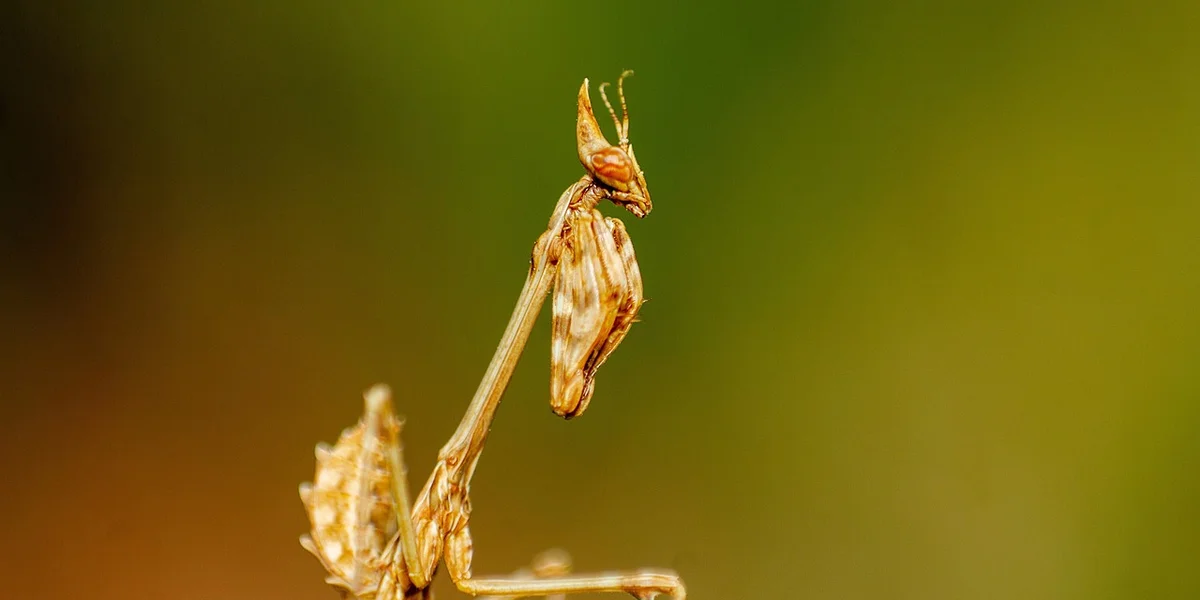
Molting typically spans a few hours, but the exact time varies with each mantis. Most molts wrap up within 2 to 6 hours, though some species might stretch it to a full day. Younger mantises in early instars often finish faster, while adults or larger species take their time.
Several factors influence how long your mantis spends shedding its old skin. Temperature and humidity play huge roles-warmer, moist conditions can speed things up, while cooler, drier air may cause delays. Species differences matter too; for instance, my Ghost Mantis Luna often took 4-5 hours, whereas Moss, a Giant Asian, zipped through in under 3 hours.
- Species type: Smaller mantises like ghosts molt quicker than bulkier ones.
- Life stage: Nymphs molt faster; adults need more time.
- Health: A well-fed, hydrated mantis molts more efficiently.
- Environment: Stable warmth around 75-85°F and high humidity aid a smooth process.
Watch for pauses during molting-your mantis might rest between stages. Never disturb them mid-molt, as interruptions can lead to fatal errors like stuck limbs. If you notice delays beyond a day, check for issues like low humidity or illness.
Spotting the Signs: Pre-Molt Behavior in Your Mantis
Your mantis will show clear cues before molting, so you can prepare its space. Reduced appetite is often the first hint—their might refuse food for a day or two as energy shifts to shedding. You’ll see them become still, almost statue-like, conserving strength for the big event. Watch for the earliest signs of molting trouble—if the molt stalls or the mantis stays unusually inactive for more than a day or two, intervene promptly. Early recognition gives you a chance to adjust humidity, space, and feeding to help it shed safely.
Look for changes in posture and activity. Many mantises hang upside down from a secure spot, gripping tightly with their front legs while the body goes limp. My Orchid Mantis Sprig would perch high on a twig, her pink petals dulling slightly as she entered this quiet phase.
- Loss of interest in prey: Ignoring live insects offered.
- Lethargy: Moving less and staying in one place for hours.
- Hanging behavior: Clinging to branches or enclosure roof.
- Color changes: Skin may appear duller or darker as the new exoskeleton forms underneath.
During pre-molt, keep the enclosure calm and mist lightly to boost humidity. Avoid handling your mantis or adding stressors like loud noises, which could disrupt the delicate process. Offer a quiet, stable environment, and you’ll soon witness the magical unfurling of fresh, vibrant skin.
Setting Up the Ideal Environment for a Smooth Molt
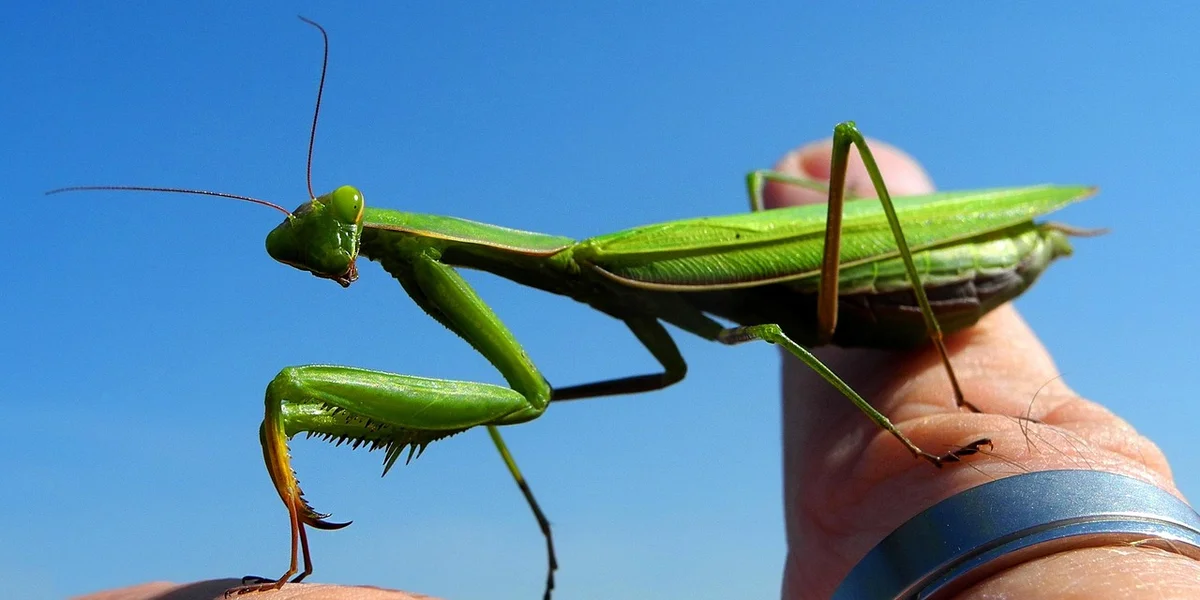
Creating the right home for your mantis before a molt makes all the difference in how easily they shed their old skin. A well-prepared enclosure mimics their natural habitat, reducing stress and helping them focus on the delicate process ahead.
Humidity Control
Mantises need higher humidity to soften their exoskeleton and prevent it from sticking during molting. We gently mist the enclosure walls and plants once or twice daily, aiming for a humidity level around 60-80% depending on the species. Different mantis species have different temperature and humidity needs, so tailor the setup to each species. Some tropical species require higher humidity and warmer temperatures, while others thrive in drier, cooler conditions.
- Use a small spray bottle with lukewarm water to avoid shocking your mantis.
- Place a shallow water dish or damp sphagnum moss to boost moisture slowly.
- Monitor with a hygrometer-our Ghost Mantis, Luna, thrives when we keep it steady.
Temperature Stability
Sudden temperature drops can halt molting, so maintain a warm, consistent environment. Most mantises prefer temperatures between 22-28°C, which you can achieve with a low-wattage heat mat placed on one side of the enclosure.
- Check the temperature daily with a digital thermometer.
- Avoid direct sunlight or drafts that cause fluctuations.
- For species like our Giant Asian Mantis, Moss, we use a thermostat to prevent overheating.
Molting Surfaces and Space
Your mantis requires sturdy, vertical surfaces to hang upside down safely during molting. Providing branches, mesh lids, or fake plants gives them anchor points to grip and pull free from their old skin.
- Choose rough-textured twigs or cork bark for better grip.
- Ensure the enclosure is tall enough for full extension-at least twice their body length.
- Keep the area clutter-free to prevent falls; we learned this after Sprig’s first successful molt.
Caring for Your Mantis During and After Molting
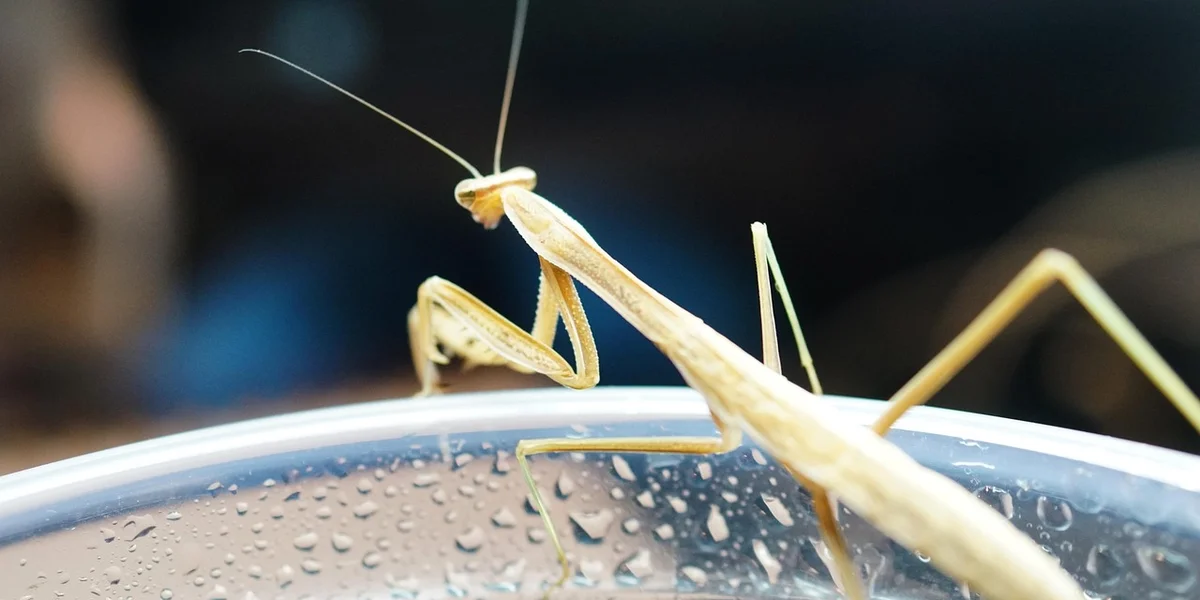
When your mantis begins molting, your role shifts to quiet observation and gentle support. Resisting the urge to intervene is key, as any disturbance can lead to injury or a failed molt. To handle safely, minimize contact and use slow, deliberate movements only when necessary. If you must adjust the enclosure, do so without disturbing the mantis.
During the Molt
Your mantis will appear still or wriggling slightly as it works to escape its old exoskeleton. Keep the room dim and quiet, and avoid touching or feeding them until the process is complete.
- Do not mist directly on the mantis-it can cause them to slip or panic.
- Watch from a distance; we often sit quietly with Luna, noting how she positions herself.
- Expect the molt to take 30 minutes to a few hours, depending on size and age.
After the Molt
Once molting ends, your mantis will be soft, vulnerable, and need time to harden. Wait at least 24-48 hours before offering food, as their new skin is too delicate for hunting. Some mantises can go several days without food during this post-molt recovery as the exoskeleton hardens. If they skip a meal, don’t worry—when ready, they’ll resume hunting normally.
- Gently remove the old skin from the enclosure to keep it clean.
- Resume misting to maintain humidity, which aids in drying and hardening.
- Start with small, soft prey like fruit flies; Moss loves these post-molt snacks.
Spotting and Addressing Issues
Sometimes molts don’t go perfectly, so watch for signs like stuck limbs or lethargy. If you notice problems, increase humidity slightly and consult a vet experienced with invertebrates for advice.
- Stuck skin on legs or antennae may need careful removal with a damp brush.
- A mantis that falls during molting might recover with extra rest and no handling.
- Regular checks help us catch issues early, as with Sprig’s last smooth transition.
Growth Stages and Molt Cycles: From Nymph to Adult
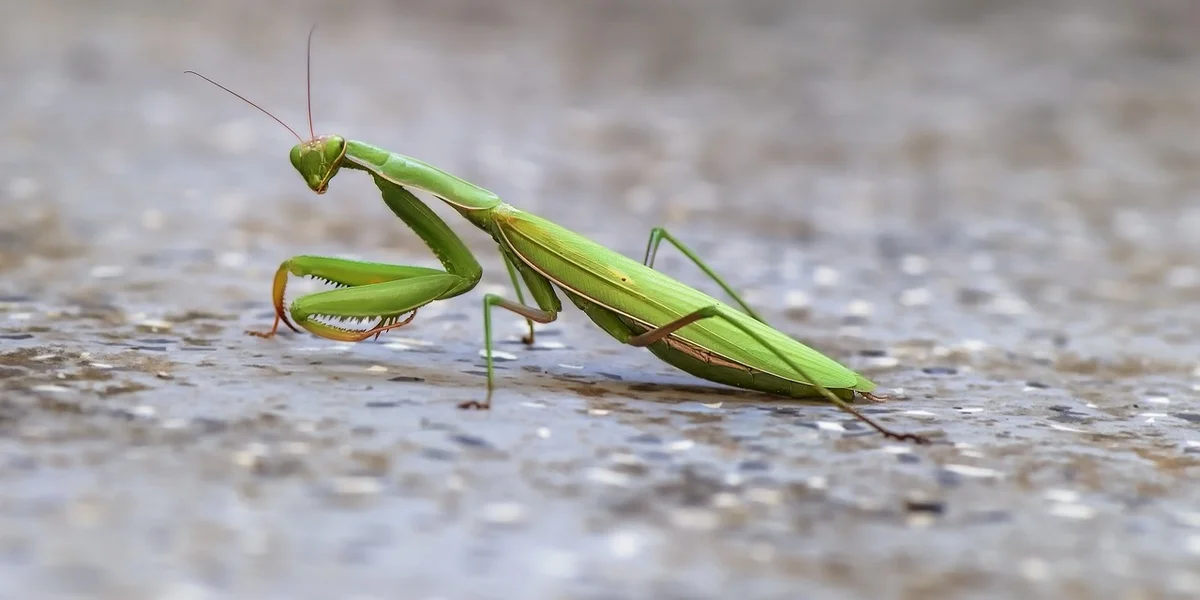
Watching a praying mantis grow feels like tending to a miniature garden where every change unfolds with quiet grace. From their first delicate shed as nymphs to the final dramatic molt into adulthood, each stage brings new wonders and challenges. We’ll explore how often they molt, how long it takes, and what to expect along the way.
Nymph Stages: The Early Molts
Newly hatched mantises, called nymphs, begin life tiny and soft-bodied, relying on frequent molts to expand. In these initial stages, they typically molt every one to two weeks, with each shedding process lasting two to four hours from start to finish. You might notice them clinging motionless to a branch, their old skin splitting gently down the back.
- First and second instars: Molt about once a week, often after a burst of growth.
- Third to fifth instars: Slow to every two weeks as they gain size and strength.
- Preparation phase: They fast and seek a secure hangout for up to a day before molting.
Our Ghost Mantis, Luna, would tilt her head thoughtfully days before a molt, her leaflike frills tightening like folded petals. Keeping their enclosure humid and disturbance-free during this time supports a smooth, successful shed. The air carries a faint, earthy scent as their new exoskeleton hardens.
Subadult Phase: Steady Growth and Longer Intervals
As mantises reach subadulthood, molts become less frequent but more substantial. They might shed every three to four weeks, with the molting itself stretching to four or five hours due to their larger frames. This phase bridges nymphhood and adulthood, bringing clearer wing buds and bolder colors.
Moss, our Giant Asian Mantis, would scout the highest perch in his tank, emerald body poised like a fresh leaf. Offering vertical climbing space and occasional warm mists mimics the natural humidity they crave whilst molting. You’ll sense a hushed stillness in the room, broken only by the soft rustle of old skin falling away.
- Pre-molt signs: Refusal of food, increased stillness, and seeking elevated spots.
- Molting process: Hanging upside down, splitting the exoskeleton, and emerging tender.
- Recovery: New skin hardens over a day or two; avoid handling until firm.
Adulthood: The Final Transformation
The last molt crowns their journey, revealing full-sized wings and mature features. Adult mantises do not molt again, making this final shed a pivotal moment that usually happens after six to ten molts in total. It can take up to six hours, with recovery lasting a bit longer as their bodies settle.
Sprig, our Orchid Mantis, emerged from her last molt with pink-and-white marbling glowing under soft light. Providing a stress-free environment with ample space and gentle humidity ensures they complete this transition safely. Their once-shy movements gain a new confidence, much like a flower unfurling in morning dew.
- Frequency: One final molt, often around the fifth to seventh month for many species.
- Duration: Shedding takes three to six hours; full recovery may need two days.
- Post-molt care: Offer water and easy prey once their exoskeleton firms up.
FAQs on Mantis Molting Duration
How can I tell if my mantis’s molt is taking too long?
If the molting process stretches beyond a full day, it may indicate a problem like low humidity or illness. You should check for environmental issues but avoid disturbing your mantis while it is still actively shedding.
Why does the time it takes for a mantis to molt vary so much?
The duration depends heavily on the mantis’s life stage and species, with larger, older mantises taking significantly longer than young nymphs. Environmental factors like temperature and humidity also play a critical role in either speeding up or slowing down the process.
What should I do if my mantis seems stuck during a molt?
Do not try to manually pull the old skin off, as this can cause severe injury. Instead, gently increase the enclosure’s humidity by misting nearby surfaces to help soften the exoskeleton and allow your mantis to free itself.
Guiding Your Mantis Through Each Molt
Praying mantises molt multiple times as they mature, with younger nymphs shedding every few weeks and adults molting less frequently. Providing steady humidity and a quiet, stable perch is key to helping them through this delicate process safely. When the setup is right, molts typically go smoothly. If a molt seems stuck, check humidity levels and avoid handling the insect during shedding.
As mantis keepers, we must always observe our pets closely and adapt their care to support their natural growth cycles. Stay curious and keep learning about mantis habits to nurture a thriving, content companion in your care. This complete handling and behavior guide for care of a pet praying mantis will help you interact safely and support your mantis’s wellbeing.
Further Reading & Sources
- Molting Praying mantis molting care sheet. Mismolt – USMANTIS
- Praying Mantis Molting: Everything You Should Know
- Praying Mantis Care Lifespan, Growth and Molting Mis-molting – USMANTIS
- Molting – mantis monarch
Rowan Hale is a lifelong insect enthusiast who fell in love with mantises for their calm presence, alien elegance, and surprising personalities. After years of keeping and raising a variety of species, Rowan shares practical tips, creative insights, and real-world experience to help others enjoy the quiet magic of mantis care. From setting up the perfect enclosure to understanding their subtle behaviors, Rowan invites readers into a gentle, curious world where every tiny movement feels like a discovery.
Temperature and Humidity