
Where to Buy a Pet Praying Mantis: Your Trusted Guide to Finding a Healthy Companion
Published on: February 16, 2026 | Last Updated: February 16, 2026
Written By: Rowan Hale
Hello, mantis friend-have you ever watched a praying mantis perch like a tiny, living sculpture and wondered how to welcome one into your home? You can purchase a pet praying mantis from reputable online breeders, specialized insect suppliers, and occasionally local exotic pet shops that prioritize insect welfare. Bringing home a mantis involves more than a simple purchase; it’s about choosing a source that ensures your new pet is healthy, ethically raised, and suited to your care level.
We’ll walk you through trusted buying options, but first, here are the key points to keep in mind:
- Select sellers with strong reviews and transparent health guarantees.
- Match the mantis species to your experience-some are hardier for beginners.
- Inspect for signs of a healthy mantis, like active movement and intact limbs.
- Consider shipping methods to ensure your mantis arrives safe and stress-free.
Finding Your Mantis: A Guide to Reliable Sources
Choosing where to buy your mantis is your first step toward a rewarding pet-keeping journey. Each source offers a different balance of convenience, selection, and personal connection.
Comparing Your Buying Options
We find three main paths lead to a new mantis friend. Each has its own rhythm and rewards.
Online Mantis Stores
Specialist websites are treasure troves for rare species and detailed care information. You gain access to a vast selection, from common green nymphs to jewel-like orchid mantises. Reputable shops package their living cargo with immense care, using insulated boxes and heat or cool packs as needed.
Local Pet Shops
Walking into a local shop lets you see your potential pet up close. This immediate, hands-on assessment can be reassuring for a first-time owner. You can check the mantis’s activity and overall health before committing. The variety, however, is often limited to one or two common species. A quick pre-purchase mantis health checklist helps you look for a healthy, active insect. Look for clear eyes, responsive antennae, and a clean exoskeleton.
Independent Breeders
Connecting with a breeder often feels like joining a small, passionate community. You receive mantises bred for health and temperament, backed by a keeper’s firsthand knowledge. Breeders can provide deep insights into the lineage and specific quirks of your new insect.
| Source | Pros | Cons |
|---|---|---|
| Online Stores | Huge species variety; detailed care guides; often the only source for rare types. | Shipping stress for the insect; you cannot inspect the mantis beforehand; relies on courier reliability. |
| Local Pet Shops | See the mantis in person; instant take-home; no shipping risks. | Limited species choice; staff may lack specific mantis knowledge; health history can be unclear. |
| Breeders | Direct expert advice; known health history; supports small-scale, ethical breeding. | Can be harder to find; may have waiting lists; location might require shipping anyway. |
Alternative Options: Eggs and Kits
For those with different goals, mantis egg cases, called oothecae, are a fascinating option. Hatching an ootheca is a magical experience, revealing dozens of tiny, thread-like nymphs. This method is superb for garden pest control, as you release the young mantises into your greenery. For a first-time pet owner, however, raising a swarm of delicate nymphs is a steep challenge. Kits designed for this purpose provide a good start, but be ready for intensive care.
Choosing the Right Mantis Species for Beginners
Your first mantis should be a calm, forgiving teacher. We recommend starting with a species known for its hardy nature and gentle disposition. These insects are less prone to stress, more tolerant of minor mistakes, and simply a joy to observe. For beginners, choosing the right mantis species is key. Start with a hardy, gentle one to set yourself up for success.
- Ghost Mantis (Phyllocrania paradoxa): With delicate, leaflike appendages and a misty brown colour, this species is a master of camouflage. They move with a slow, thoughtful grace and are remarkably docile. Their small size means a compact enclosure is sufficient, making them a perfect desktop companion.
- Giant Asian Mantis (Hierodula membranacea)A robust and confident species, often a vibrant emerald green. They are enthusiastic eaters and curious explorers, providing endless entertainment. Their hardy constitution means they bounce back readily from the occasional beginner’s error.
- Carolina Mantis (Stagmomantis carolina)A native North American species, this mantis is adapted to a range of conditions. They exhibit beautiful grey or green mottling, blending seamlessly with twigs and bark. Their care is straightforward, mirroring the local humidity and temperature of many homes.
- African Mantis (Sphodromantis lineola)Often called the “Lined Mantis,” this is another hardy choice with a big appetite. They are typically a solid green or brown and have a bold, almost regal posture. Their resilience and active hunting style make them a compelling first pet.
Nymphs vs. Adults: Your Starting Point
You will often find mantises for sale as nymphs (juveniles) or adults. Buying a nymph allows you to witness the incredible journey of growth and molting, a truly transformative process. You see them shed their skin, emerging larger and more detailed each time. My Ghost Mantis, Luna, was a tiny, cryptic nymph who slowly unfurled into her elegant adult form. Nymph care requires more frequent feeding with tiny prey like fruit flies.
Choosing an adult provides instant gratification. You skip the delicate early stages and receive a mantis in its final, magnificent form. Their lifespan will naturally be shorter, but you enjoy their full beauty and size from day one. This is an excellent low-pressure option for your first foray into mantis keeping.
How to Spot a Healthy Mantis: A Step-by-Step Check
-
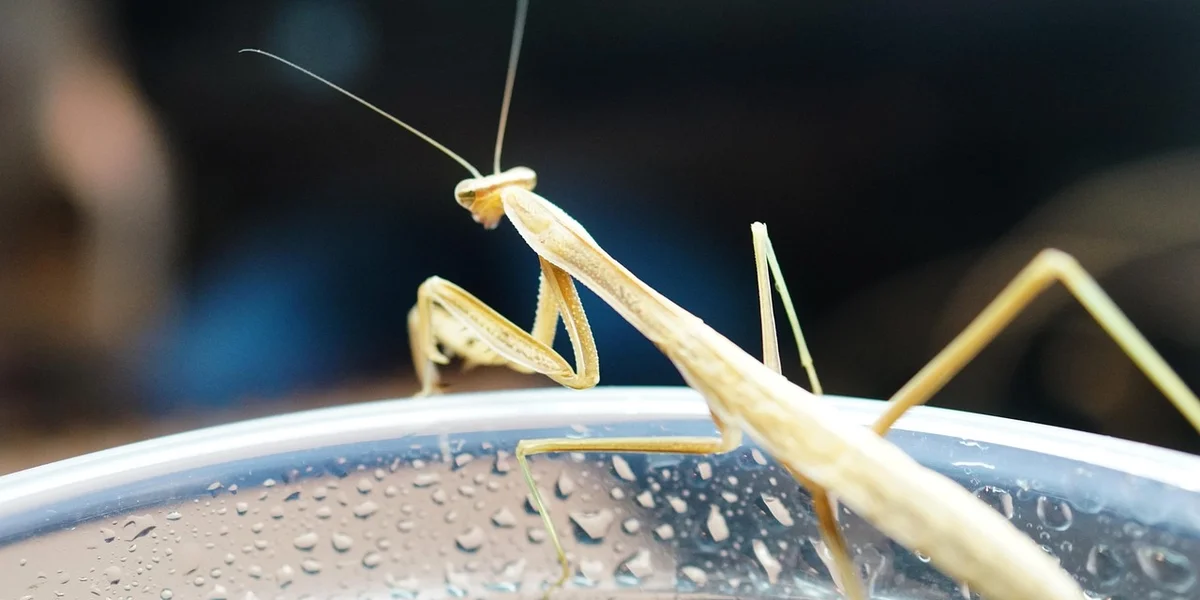
Begin by gently examining the mantis’s body under soft light. A healthy individual often displays a subtle sheen, like sunlight filtering through fresh leaves, with all legs intact and moving without stiffness. Minor scrapes from climbing or molting are normal, but deep gashes or missing appendages can indicate neglect or injury. From my time with Moss, his emerald body always gleamed when he was well-hydrated and content.
-
Watch how the mantis behaves in its enclosure. It should appear alert, perhaps tilting its head thoughtfully like Luna does before striking. A steady posture without swaying or lethargy shows good muscle control and readiness for activity. If you offer a small feeder insect, a healthy mantis will respond with curiosity or a deliberate hunting stance.
-
Look closely for any unwanted guests, such as tiny mites that might cling to the exoskeleton. Avoid selecting a mantis that has molted within the last 12 hours, as its new skin is still soft and vulnerable to harm. You might notice a pale, delicate appearance, similar to Sprig after shedding, but this should pass as it hardens.
-
Double-check that the mantis matches the species description in color, size, and features. Trustworthy suppliers provide health guarantees, which offer reassurance that your pet has been cared for properly. This step helped me ensure Luna was the delicate Ghost Mantis I expected, not a mislabeled variety.
Ethical Buying Practices for Pet Mantises
-
Selecting reputable suppliers who focus on mantis health and sustainability makes a world of difference. These breeders often use eco-friendly methods and prioritize the well-being of each insect, creating a positive impact on the hobby. For hobbyist breeders, a basic understanding of mantis genetics is a helpful primer for traits and crosses. This knowledge supports healthier lineages and reduces the risk of unintended issues. We’ve found that supporting such sources leads to happier, longer-lived mantises.
-
Avoid wild-caught mantises, as they can introduce diseases or harm local ecosystems. Captive-bred options are generally healthier and better suited to life in a home enclosure. Always ask if the supplier follows proper quarantine procedures to prevent illness spread among their stock.
-
Be wary of red flags in sellers, and take steps to verify their reliability. Common warning signs include unclear descriptions, lack of photos, or no health guarantees. To check trustworthiness, read customer reviews and inquire about their breeding practices. For instance, unreliable sellers might have enclosures that look cramped or unclean in images, so trust your instincts and seek transparency.
After Purchase: Quarantine and Initial Setup
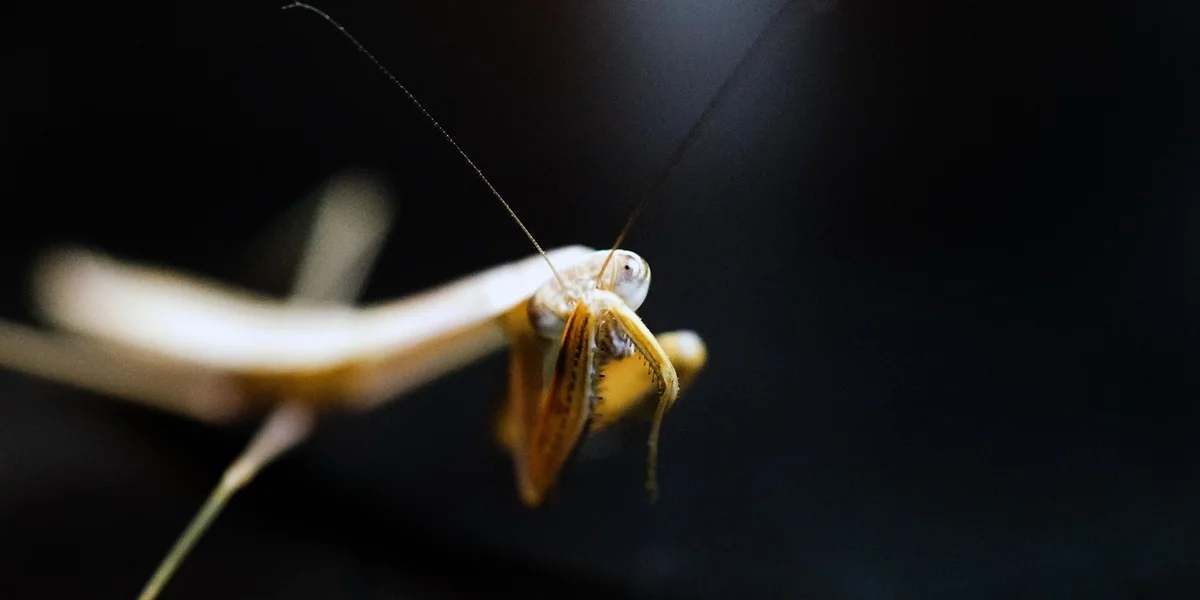
Bringing your new mantis home is an exciting moment, but a gentle start sets the stage for a healthy life. We always begin with a quarantine period to catch any hidden problems and help your mantis feel secure in its new surroundings. Then follow our quarantine step-by-step protocol: isolate the mantis, monitor daily for signs of illness, and gradually acclimate it to its new enclosure. These steps help ensure a healthy, secure start for your mantis.
-
Set up a simple quarantine enclosure with basic decorations and proper humidity and temperature. Choose a small, ventilated container like a mason jar or plastic critter keeper, adding a thin branch for perching and a light mist of water to keep humidity around 60-70%. Maintain a steady temperature between 22-26°C, which feels cosy and natural for most species.
-
Allow the mantis to settle for a few days, monitoring for stress or illness. Look for quiet stillness or a refusal to eat, as these can signal your mantis needs more time to adjust. Keep the enclosure in a calm spot and check daily without disturbing them too much. If stress signs persist, reassess the habitat. Adjust enclosure size, temperature, and humidity, and add hiding spots as needed.
-
Gradually introduce feeder insects and observe feeding behavior before moving to the main habitat. Avoid common mistakes many first-timers make when setting up their mantis enclosure. Make sure the enclosure is appropriately sized, ventilated, and stable before adding prey. Offer tiny prey like fruit flies after a couple of days, and wait until your mantis strikes confidently before transitioning to its permanent home. This careful approach ensures they are eating well and not just hiding from stress.
-
Provide tips on handling with care during this period to build trust. Use a soft brush to gently coax your mantis onto your hand, moving slowly to avoid sudden frights. With repeated, calm interactions, your mantis will learn to associate you with safety and curiosity.
Costs and Essential Supplies for New Owners
Starting your mantis-keeping journey involves some upfront costs, but smart choices keep it affordable and enjoyable. We recommend focusing on the basics first to ensure your mantis has everything it needs without overspending.
-
Outline typical costs for mantises, eggs, and starter kits, including factors that affect pricing. Common species like the Ghost Mantis might cost £10-15, while rarer ones such as Orchid Mantises can reach £40-60 due to their vivid colours and delicate care needs. Pricing shifts with species rarity, age, and whether you buy an egg case or a live nymph, with starter kits often adding £20-30 for convenience.
-
List must-have supplies: enclosure, feeder insects, misting bottle, and decor, with brief explanations for each. A well-ventilated enclosure prevents mould and allows your mantis to breathe easily, while live feeder insects like crickets or fruit flies provide essential nutrition. A misting bottle maintains humidity for healthy molting, and decor such as twigs or fake plants offers climbing spots that mimic their natural habitat.
-
Suggest budget-friendly alternatives and how to prioritize purchases for beginner mantis care. Repurpose a clean plastic food container with holes punched in the lid instead of buying a pricey terrarium, and start a small fruit fly culture to cut down on feeder costs. Prioritise the enclosure, food source, and humidity control before splurging on decorative items, as these core elements support your mantis’s wellbeing from day one.
Common Mantis Queries
Can I buy a praying mantis on Amazon?
While Amazon may offer praying mantises, it is often not the best source due to potential issues with seller reliability and insect health. We advise choosing specialized online breeders who focus on ethical care and safe shipping practices. Are praying mantises good pets? Here’s a quick look at the pros and cons.
Where can I buy a praying mantis in Lakeside, CA?
For specific areas like Lakeside, CA, check local exotic pet stores or reptile expos that might stock mantises. If none are available, trusted online breeders can ship healthy specimens directly to your location with proper care.
What should I look for in a praying mantis kit?
A quality praying mantis kit should include a well-ventilated enclosure, species-specific care guidelines, and essential supplies like feeder insects. Avoid kits missing key components, such as humidity tools, to support your mantis’s well-being from the start. To create a naturalistic habitat for your praying mantis, add non-toxic plants, branches, and hiding spots that mimic its native environment. This helps reduce stress and supports natural behaviors.
Your Mantis Awaits: A Gentle Send-Off
We always recommend sourcing your mantis from trusted breeders or dedicated online stores to guarantee a healthy start. Look for lively behavior and intact limbs to ensure you’re welcoming a robust pet into your care. Visit our guide for handling and assessing praying mantis behavior to learn more.
Owning a mantis invites you into a world of quiet observation and gentle responsibility that grows with each molt. Stay curious and explore reliable care guides to keep your mantis thriving and content for seasons to come. After a molt, give your mantis time to rest and harden. Gentle post-molt care—steady humidity and careful feeding—helps support its recovery and growth.
Further Reading & Sources
- Praying Mantis for sale
- Praying Mantis – USMANTIS
- The Praying Mantis Shop – Purchase Live Praying Mantid and Supplies – PrayingMantisShop.com
- Praying Mantis Egg Cases – Carnivorous General Predator – NaturesGoodGuys
Rowan Hale is a lifelong insect enthusiast who fell in love with mantises for their calm presence, alien elegance, and surprising personalities. After years of keeping and raising a variety of species, Rowan shares practical tips, creative insights, and real-world experience to help others enjoy the quiet magic of mantis care. From setting up the perfect enclosure to understanding their subtle behaviors, Rowan invites readers into a gentle, curious world where every tiny movement feels like a discovery.
First-Time Mantis Owners