
Optimal Temperature and Humidity for Your Praying Mantis Species
Published on: September 28, 2026 | Last Updated: September 28, 2026
Written By: Rowan Hale
Hello there, fellow mantis friend! Isn’t it wonderful how these delicate hunters bring a slice of the wild right into our homes, perched like living sculptures in their enclosures? Getting the temperature and humidity just right makes all the difference between a thriving mantis and one that struggles, as each species has specific needs shaped by their native habitats.
While it might seem straightforward, mantis care isn’t one-size-fits-all-what works for a tropical orchid mantis could leave a desert species feeling parched. We’ve learned through keeping our own mantises, like Moss the energetic Giant Asian, that even small adjustments can transform their health and behavior.
Here are the key points we’ll explore to help you create the perfect environment:
- How species origins dictate their ideal temperature and humidity ranges
- Simple ways to measure and adjust these factors in your setup
- Common pitfalls to avoid for popular mantis types
- Tips for maintaining stability through seasonal changes
Why Temperature and Humidity Matter for Your Mantis
-
Imagine your mantis thriving in conditions that feel like a soft, misty morning-gentle warmth and moisture support every part of their life. Proper temperature and humidity help your mantis molt smoothly, digest food efficiently, and stay active and healthy. We’ve seen how a cozy environment can make all the difference, much like how a well-tended garden encourages growth.
-
I recall watching Luna, my Ghost Mantis, during one of her molts; she perched calmly in her enclosure with humidity just right, and her old skin slipped off like a delicate leaf unfurling. That careful balance allowed her to emerge stronger, with new limbs ready for exploration. Personal moments like this show how attentive care leads to happy, thriving mantises.
-
If conditions stray too far from ideal, risks like dehydration or stuck skin during molting can arise. Low humidity may leave your mantis struggling to shed, while high heat without moisture can lead to lethargy or poor appetite. Keeping an eye on these factors ensures your pet stays comfortable and avoids common pitfalls.
Species-Specific Temperature and Humidity Ranges
Here’s a quick comparison of common mantis species to guide your care routine. These ranges help mimic their natural habitats, promoting behaviors like hunting and resting. Creating a naturalistic, safe habitat for your praying mantis supports these needs. Relative humidity percent directly affects how much moisture is in the air, influencing everything from molting ease to overall vitality.
| Species | Temperature Range (°C / °F) | Humidity Range (%) |
|---|---|---|
| Orchid Mantis | 25-30°C / 77-86°F | 60-80% |
| Ghost Mantis | 22-28°C / 72-82°F | 50-70% |
| Giant Asian Mantis | 24-30°C / 75-86°F | 50-70% |
| Chinese Mantis | 20-30°C / 68-86°F | 40-60% |
Tropical Mantis Care: High Humidity and Warmth
-
Species like the Orchid Mantis flourish in steamy, warm settings that echo rainforest canopies. Aim for consistent temperatures around 25-30°C (77-86°F) and humidity levels of 60-80% to support their delicate bodies and vibrant colors. My Orchid Mantis, Sprig, always perked up after a light misting, her pink-and-white marbling glowing in the humid air.
-
Mist the enclosure once or twice daily to maintain moisture, using a fine spray to avoid overwhelming your mantis. Set up the habitat with live plants and a secure lid to trap humidity, creating a mini ecosystem that feels like a tropical dawn. This setup encourages natural behaviors and reduces stress during molts.
Desert and Arid Species: Lower Humidity Needs
-
Mantises adapted to dry environments, such as some arid species, thrive with less moisture and more airflow. Keep humidity between 30-50% and temperatures around 22-28°C (72-82°F) to prevent mold and mimic their native scrublands. To set up the perfect humidity level for your praying mantis enclosure, install a small hygrometer and adjust misting to stay within that range. Regular checks help prevent mold and keep humidity stable as the mantis grows. Good ventilation is key—we use screen tops to allow air circulation while keeping temps stable.
-
These species tolerate slight temperature drops at night, but avoid sudden changes. Simulate arid conditions by using substrates like dry soil and providing hiding spots that offer shade and comfort. This approach helps your mantis stay active without the risk of respiratory issues from dampness.
Temperate Species like Tenodera Sinensis
-
Hardy pets like the Chinese Mantis handle moderate ranges, with temperatures from 20-30°C (68-86°F) and humidity around 40-60%. Their adaptability makes them great for beginners, as they can cope with slight variations in home environments. We’ve found that a balanced setup avoids extremes, keeping them content through seasons.
-
To maintain this balance, mist the enclosure lightly every other day and ensure it’s not too enclosed. Use a hygrometer to monitor levels, adjusting as needed to support molting and digestion without promoting dampness. This careful tuning lets your mantis thrive with minimal fuss. Additionally, clean the habitat regularly by removing waste and refreshing the substrate. This helps prevent mold and pests and keeps conditions stable for your mantis.
Setting Up the Perfect Enclosure Environment
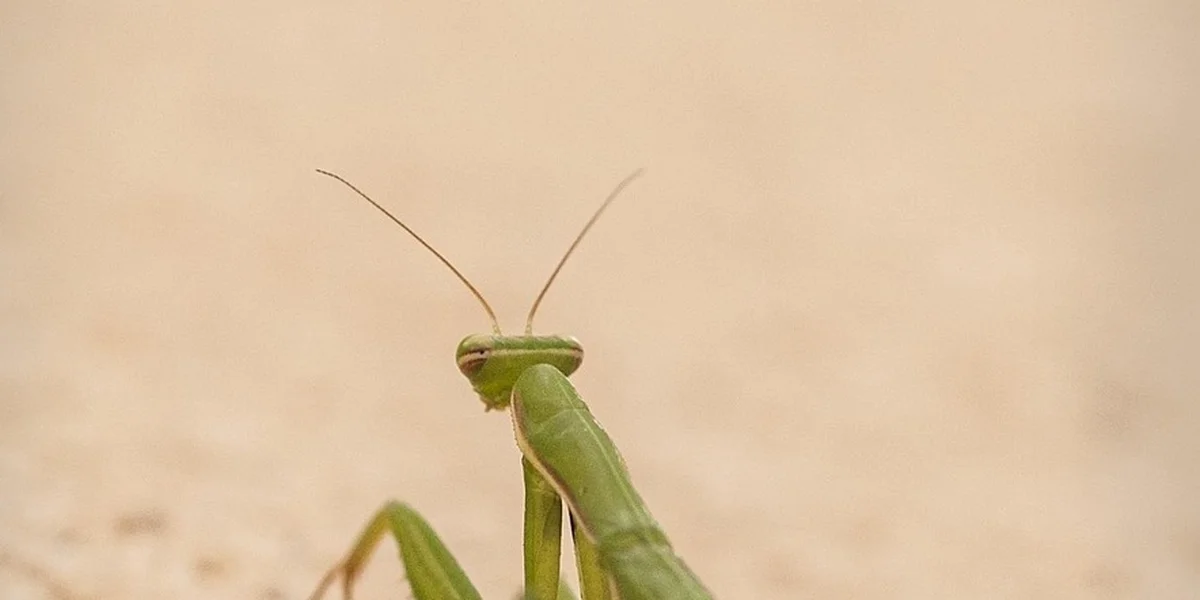
Creating the right environment starts with setting up gentle gradients so your mantis can choose its comfort spot.
- For temperature gradients, place a low-wattage heat mat or lamp on one side of the enclosure to create a warm zone around 25-30°C for basking, while the opposite side stays cooler at 20-25°C. This lets your mantis thermoregulate by moving between warm and cool areas as needed.
- Use moisture-retaining substrates like coconut coir or sphagnum moss, and add decor such as live plants or cork bark to help maintain humidity levels naturally. These materials slowly release moisture into the air, supporting steady humidity without constant misting.
- Adjust misting schedules based on species: tropical mantises like our Orchid Mantis Sprig benefit from light misting twice daily, while desert types such as the Dead Leaf Mantis need only occasional spritzes to prevent overly damp conditions. Observing your mantis’s behavior will guide you to the perfect hydration routine.
Misting and Hydration Techniques
- Select a fine mist sprayer to deliver a gentle, rain-like shower that hydrates without startling your mantis. A soft mist mimics natural dew and helps mantises drink droplets from leaves and walls.
- For most tropical species, mist in the early morning and late evening to replicate the humid cycles of their native habitats. This routine keeps the enclosure fresh and encourages natural drinking behaviors.
- Reduce misting to once every few days for desert mantises, focusing on light sprays to avoid pooling water that can lead to mold. Less frequent misting helps maintain the dry conditions these species thrive in.
Managing Airflow and Ventilation
- Ensure good airflow by adding mesh panels or small vents to the enclosure, which prevents stagnant air and mold growth while maintaining humidity. Proper ventilation balances moisture and freshness, keeping your mantis healthy and active.
- In our experience, Moss’s enclosure needed extra cross-ventilation after we noticed slight condensation; we added a second mesh lid, and his energy improved within days. Small adjustments like this can make a big difference in your mantis’s well-being.
Tools for Monitoring Temperature and Humidity
Accurate monitoring helps you maintain ideal conditions without guesswork.
- We recommend digital thermometers and hygrometers for precise readings, as analog versions can be less reliable over time. Digital devices give quick, clear feedback so you can act fast if levels drift.
- Place one thermometer and hygrometer at each end of the enclosure to track gradients effectively, ensuring they’re away from direct mist or heat sources. This placement captures the full range of temperatures and humidity your mantis experiences.
- For beginners, a simple indoor weather station or even a basic pet store gauge works well; just check it daily to build consistency. Household options are affordable and easy to use while you learn your mantis’s preferences.
Common Problems and Quick Fixes
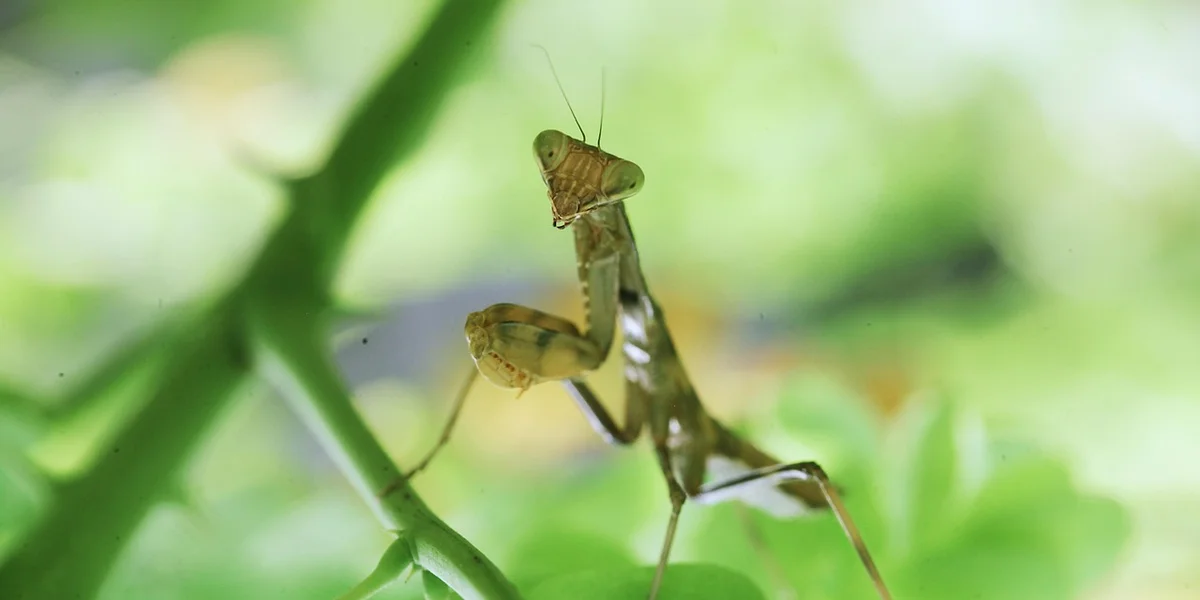
When temperature or humidity strays from the ideal range, your mantis might show subtle signs of distress. Watch for panting-a rapid opening and closing of the mouth-which often means the enclosure is too warm, or lethargy where your mantis moves slowly or clings listlessly to branches. Other red flags include refusal to eat, discolored skin, or frequent hiding. These can be among the behavioral signs of stress in a praying mantis.
- Panting: Move the enclosure to a cooler spot, away from direct sunlight or heat sources.
- Lethargy: Gently raise the ambient temperature with a low-wattage heat mat placed outside the habitat.
- Stuck molts: Boost humidity by misting with lukewarm water twice daily, and ensure plenty of vertical space for hanging.
- Low appetite: Check that prey size matches your mantis’s stage; sometimes offering live fruit flies or pinhead crickets rekindles interest.
I recall my Ghost Mantis, Luna, struggling through a molt in overly dry air-her delicate frills seemed to stick, and she paused mid-shed. By placing a small damp sponge in her terrarium and misting lightly, the extra moisture helped her slip free without harm, reminding me how vital steady humidity is for their delicate processes.
Caring Through Life Stages and Seasons
As mantises grow, their needs shift from nymph to adult, and seasonal changes call for gentle adjustments in your care routine. Nymphs thrive in slightly warmer, more humid conditions to support frequent molting, while adults often prefer stable, moderate ranges that mirror their natural habitats. In winter, we might dial back supplemental heat to mimic cooler periods, and in summer, ensure good airflow to prevent overheating.
- Nymphs: Aim for 75-85°F (24-29°C) and 60-80% humidity, with daily misting to aid molting.
- Adults: Many species do well at 70-80°F (21-27°C) and 50-70% humidity, adjusted for specific types like Orchid Mantises needing higher moisture.
- Seasonal shifts: In colder months, reduce heating gradually; use a thermostat to avoid sudden drops. In warm seasons, open vents or use a small fan for circulation.
Ootheca Incubation and Hatchling Care
Egg cases, or oothecae, require consistent warmth and moisture to hatch successfully. Keep oothecae at 75-80°F (24-27°C) and 60-70% humidity, using a simple incubator like a plastic container with damp paper towels to maintain steady conditions. Avoid direct misting on the egg case itself to prevent mold.
- Ideal ranges: Temperature around 78°F (26°C), humidity near 65% for most common species.
- Steady tips: Place the container in a warm room, check moisture levels every few days, and ensure gentle ventilation to mimic natural breezes.
Nymph and Adult Care Variations
Young nymphs need higher humidity because their soft exoskeletons are more prone to drying out during molts. As they mature, gradually lower humidity to match adult preferences, always referring to species-specific guides—for instance, Giant Asian Mantis like Moss transition from 80% humidity as nymphs to 60% as adults. Consider a graduated enclosure system to stage humidity and enclosure size as the mantises grow. This approach keeps environmental changes coordinated with development. Adjust feeding and enclosure size alongside these changes to support healthy growth.
- Why nymphs need more: High humidity prevents desiccation and eases shedding; mist enclosures lightly each morning.
- Adjusting care: Monitor molting frequency; after each shed, slightly reduce misting if the species tolerates it, and upgrade habitats to allow more climbing space.
Common Mantis Queries
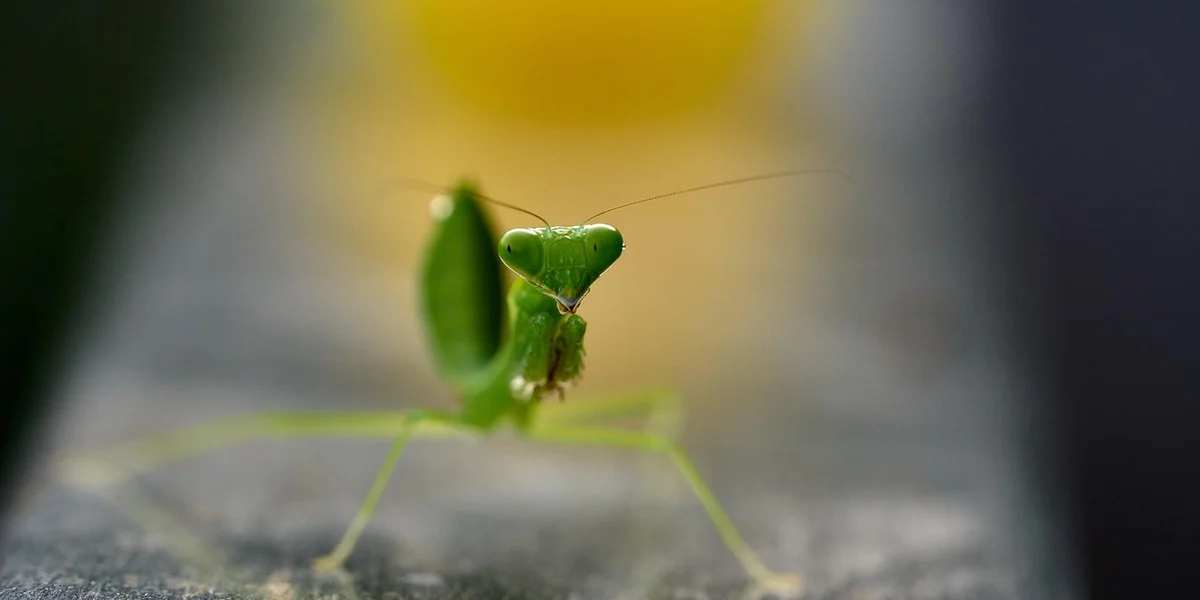
What are the key signs that my mantis is experiencing temperature stress?
Watch for panting or rapid mouth movements, which often indicate overheating, and lethargy or clinging weakly to surfaces, suggesting it may be too cold. Addressing these signs promptly by adjusting heat sources or enclosure placement can prevent health issues and keep your mantis active. Signs of stress can also point to broader habitat issues. If stress signs persist, adjusting humidity, shelter options, and enclosure layout can help fix the habitat and reduce stress.
How can I maintain proper humidity levels in a ventilated enclosure?
Use moisture-retaining substrates like coconut coir and add live plants to help sustain humidity without constant misting. Ensure ventilation is balanced by using mesh lids or vents to allow airflow while still trapping enough moisture for your mantis’s needs. Proper ventilation is essential for a mantis enclosure—aim for steady airflow without drying out. Regularly check that the mesh allows enough air exchange while retaining humidity.
Is it possible for mantis enclosures to have too much ventilation?
Excessive ventilation can lead to rapid humidity loss, making it hard to maintain the moist environment that species like orchids or nymphs require. To avoid this, use partial covers or adjust vent sizes to retain adequate moisture while still preventing stagnation.
Your Mantis’s Ideal Environment: A Quick Recap
To keep your mantis thriving, always tailor the temperature and humidity to their specific species needs. Use a digital thermometer and hygrometer to monitor conditions daily and make small adjustments as needed. These are essential habitat requirements for a healthy praying mantis. Maintaining stable conditions supports growth and well-being.
Responsible pet ownership means committing to your mantis’s well-being through careful observation and habitat management. We find that continuous learning about mantis care deepens the bond and ensures a happy, long-lived pet.
Further Reading & Sources
- Praying Mantid caresheet – Amateur Entomologists’ Society (AES)
- All About Praying Mantises, Climate, and Temperature – Insect Lore
- Mantis Care “For Dummies” – USMANTIS
- r/mantids on Reddit: Beginner mantis advice
Rowan Hale is a lifelong insect enthusiast who fell in love with mantises for their calm presence, alien elegance, and surprising personalities. After years of keeping and raising a variety of species, Rowan shares practical tips, creative insights, and real-world experience to help others enjoy the quiet magic of mantis care. From setting up the perfect enclosure to understanding their subtle behaviors, Rowan invites readers into a gentle, curious world where every tiny movement feels like a discovery.
Temperature and Humidity