
What to Do If Your Praying Mantis Escapes Its Enclosure
Published on: January 22, 2026 | Last Updated: January 22, 2026
Written By: Rowan Hale
Hello fellow mantis friend, that sudden stillness in the terrarium, the empty perch where your green companion should be-it’s a moment that can make any keeper’s heart skip. Stay calm, move slowly, and follow a gentle search plan to reunite with your mantis safely. We’ve all faced that quiet panic when a curious mantis finds a way out.
Recovering an escapee involves more than just looking around-mantises blend into their surroundings like living leaves, and rough handling can harm their delicate bodies. This guide walks you through proven steps, from scanning hiding spots to securing your pet without stress. Here’s a quick look at what we’ll cover together:
- How to search your room methodically without startling your mantis
- Safe ways to handle and return them to their home
- Simple tweaks to prevent future escapes
- What to do if your mantis stays missing for a while
Stay Calm and Secure the Immediate Area
Steps to Safely Isolate the Room
First, gently close all doors and windows to prevent your mantis from wandering further. Check for any small gaps under doors or around vents where it might slip through. Blocking these openings with towels or rolled-up cloths creates a safe, contained space for your search.
- Shut every exit point, including cupboards or balcony doors if applicable.
- Turn off ceiling fans and moving appliances to avoid startling your mantis.
- Clear the floor of clutter, like shoes or bags, so you can spot movement easily.
- Dim bright lights slightly, as mantises often feel more secure in softer lighting.
We’ve found that a quiet, still room mimics their natural habitat, making them less likely to bolt. Taking these steps quickly reduces the risk of your mantis hiding in hard-to-reach spots.
Why a Calm Response Matters
Mantises are highly perceptive to stress and sudden motions, which can make them freeze or flee. Noticing signs of stress can tell you when the enclosure needs tweaks. Fixing the habitat often reduces stress. A relaxed approach helps you think clearly and prevents accidents, like accidentally stepping on your pet.
When my Ghost Mantis, Luna, once slipped out, I noticed she stayed still when I moved slowly, almost blending into the curtain folds. Your calm energy encourages your mantis to remain visible and easier to recapture.
Rushing can cause them to drop in defence, risking injury from falls. Patience here not only protects your mantis but turns a stressful moment into a gentle learning experience.
Locate and Recapture Your Escaped Mantis Humanely
Effective Search Techniques
Start by scanning upward, as mantises naturally climb toward light or higher perches. Check curtains, shelves, and plant leaves, where they might cling like a tiny, living decoration.
- Use a soft flashlight to cast a gentle beam along walls and corners-this often reveals their silhouette.
- Listen for faint rustling sounds, similar to dried leaves shifting in a breeze.
- Place a small dish of water nearby; thirsty mantises may gravitate toward it.
- Look for molting skins or droppings, which can hint at recent activity.
My Giant Asian Mantis, Moss, once hid behind a bookshelf, and I spotted him by his emerald green body against the wood. Combining visual and auditory clues makes your search thorough yet non-intrusive.
Gentle Handling and Relocation
Once found, avoid grabbing your mantis directly-instead, coax it onto your hand or a flat object. Let it step onto you voluntarily to build trust and avoid damaging its delicate legs. This is especially important when handling and interacting with your praying mantis safely.
- Approach slowly from the front, so it sees you coming.
- Offer your open palm or a sturdy leaf for it to climb onto.
- If it resists, gently guide it into a small container, like a jar, without forcing it.
- Support its body fully when lifting to prevent falls.
With my Orchid Mantis, Sprig, I learned she responds better to a warm, steady hand than quick movements. Handling with care ensures your mantis feels secure during the transition back home.
After recapture, place it gently into its enclosure and offer a light misting to ease any stress. This humane method reinforces a positive bond between you and your pet.
Assess Your Mantis’s Health After the Escape
Checking for Common Injuries
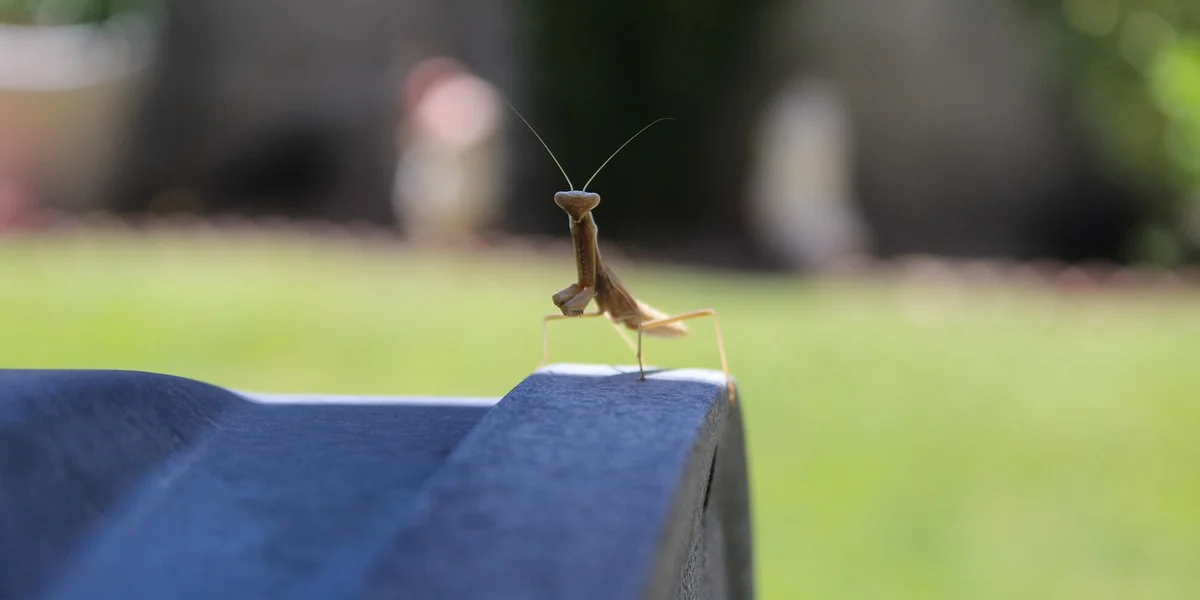
After you’ve safely retrieved your mantis, the first step is a gentle health check. Look for any signs of physical harm, like bent or missing limbs, which can happen from falls or rough landings. Carefully observe how your mantis moves; if it’s favouring one side or struggling to grip, that’s a clear indicator of injury. We once found our Ghost Mantis, Luna, with a slightly crumpled wing after she ventured too far-it healed with time and rest, but we kept a close eye on her.
Inspect the body for abrasions or discoloration, which might suggest bruising or stress. Use a soft, damp cloth to wipe away any dust or debris if needed, but avoid handling too much to prevent further stress. Common injuries include leg fractures or antennae damage, so check each part slowly and patiently. A healthy mantis should resume normal posture and movement quickly; if not, it might need a quieter recovery period.
- Examine limbs for breaks or swelling
- Check wings for tears or folding issues
- Look at the eyes and antennae for any damage
- Monitor feeding response to gauge overall well-being
Reducing Stress Post-Escape
Once injuries are ruled out, focus on calming your mantis to ease the shock of the escape. Place it back in its enclosure with familiar items, like its favourite branch or leaf, to recreate a sense of security. Keep the environment quiet and dimly lit for a few hours, as sudden noises or bright lights can heighten anxiety. If you need to transfer Moss to another enclosure, use a secure, breathable transport container and handle him as little as possible to minimize stress. We’ve noticed that our Giant Asian Mantis, Moss, relaxes faster when we mist the enclosure lightly—the humid scent seems to soothe him.
Avoid handling your mantis unnecessarily during this time; let it settle at its own pace. Offer a small, easy prey item like a fruit fly to see if it’s ready to eat, which can be a good stress reliever. Reducing stress helps prevent long-term health issues, so patience here pays off in your mantis’s recovery. Gentle routines, like consistent feeding times, can rebuild trust and comfort. For reference, a comparative feeding schedule guide can help tailor timing and prey size.
- Return the mantis to a clean, secure enclosure
- Minimize external disturbances and loud sounds
- Provide a light misting to boost humidity and calm
- Offer a small meal to test appetite and reduce tension
Understand Why Your Mantis Escaped to Prevent Repeats
Common Escape Triggers
To stop future escapes, it’s vital to pinpoint what prompted your mantis to leave its home. Hunger is a frequent trigger-if prey is scarce, mantises may wander in search of food. Enclosure issues, like gaps in lids or poor ventilation, often give curious mantises an easy way out. Our Orchid Mantis, Sprig, once slipped through a tiny crack when she was younger, reminding us to double-check all seals regularly.
Mating instincts can drive escapes, especially in adults seeking partners. Environmental factors, such as incorrect temperature or humidity, might make the enclosure uncomfortable. Boredom or lack of climbing opportunities can also lead to exploration, so enrich the habitat with varied perches. Addressing these triggers helps create a safer space where your mantis feels content to stay.
- Inadequate food supply or irregular feeding
- Structural flaws in the enclosure, like loose fittings
- Hormonal urges during mating seasons
- Unsuitable climate conditions inside the habitat
Behavioral Clues from Your Mantis
Your mantis’s actions can reveal why it attempted an escape, so watch for subtle signs over time. If it frequently paces near the enclosure’s top or repeatedly tests the lid, it might be feeling confined or stressed. Noticing these patterns early allows you to adjust the setup before another escape happens. Luna, for instance, tends to tilt her head and sway when she’s restless-a cue we now recognise as a need for more vertical space.
Changes in appetite or aggression can indicate underlying issues, like overcrowding or territorial disputes in multi-mantis setups. Behavioral shifts often stem from environmental discomfort, so tweaking things like lighting or decor can make a big difference. By learning your mantis’s unique habits, you build a deeper bond and a more secure home.
- Observe for repetitive climbing or lid-testing behaviors
- Note any changes in feeding or interaction levels
- Watch for signs of agitation, like rapid movements or hissing
- Adjust the habitat based on these observations to improve comfort
Create an Escape-Proof Habitat for Long-Term Safety
Enclosure Security Enhancements
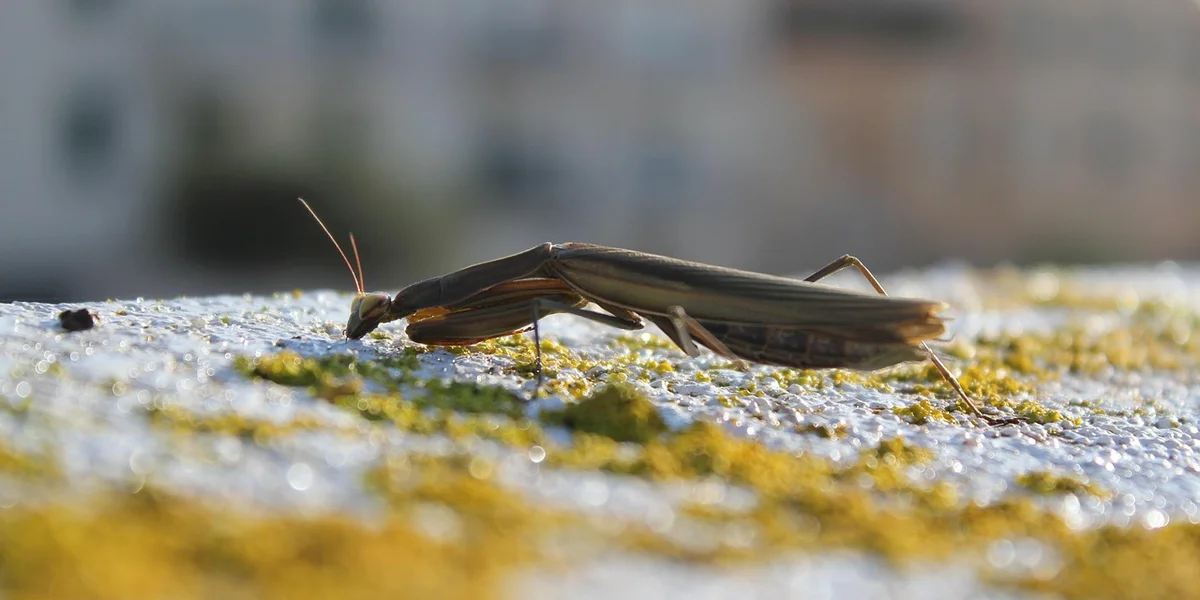
We once found Moss, our energetic Giant Asian Mantis, perched on a curtain rod after he nudged open a loosely fitted lid. A secure enclosure starts with checking every seam and closure point for tiny gaps where curious mantises might slip through. Use these steps to fortify your setup and prevent future escapes.
- Opt for enclosures with tight-fitting lids that have clips or locks, rather than simple push-on covers.
- Inspect ventilation mesh to ensure holes are fine enough that even a juvenile mantis cannot squeeze through-aim for gaps smaller than the width of its head.
- Seal any cracks or joints with non-toxic aquarium-safe silicone, paying extra attention around doors and feeding ports.
- Add a lightweight but secure barrier, like a piece of breathable fabric or fine netting, under the main lid for an extra layer of protection.
Regularly test the enclosure by gently pressing on sides and lids to feel for any give. As part of the care for a pet praying mantis, the complete handling behavior guide emphasizes following this safety-first practice closely. This simple habit can save you the heartache of a missing mantis and keep your pet safely contained.
Maintaining a Comfortable Environment
A mantis that feels content in its home is less likely to seek adventure elsewhere. Think of the enclosure as a miniature ecosystem where temperature, humidity, and layout work together to mimic their natural world. We’ve noticed Luna, our observant Ghost Mantis, stays put when her terrarium feels just right-humid like a morning dew and warm as a sunlit leaf.
- Keep temperatures steady between 22-28°C using a low-wattage heat mat or lamp, avoiding direct heat that could stress your mantis.
- Maintain humidity levels around 60-70% by misting with warm water daily; the air should carry a soft, earthy freshness without becoming damp.
- Include live or silk plants and twigs for climbing and hiding, creating a layered landscape that feels secure and engaging.
- Place the enclosure in a quiet spot away from drafts, loud noises, or direct sunlight to reduce stress triggers.
Observe your mantis’s behavior—if it frequently paces or clings to the top, it might signal discomfort. Recognizing stress-related behavioral signs helps you tell when your mantis is stressed. Adjusting these elements can turn a restless habitat into a peaceful retreat your mantis won’t want to leave.
Post-Recapture Care and Observation
Feeding and Hydration After an Escape
Once you’ve gently guided your mantis back home, focus on replenishing its energy and calming any stress. Start with hydration by offering a light mist of lukewarm water on the enclosure walls or a nearby leaf for your mantis to drink from. Sprig, our shy Orchid Mantis, often perks up after a gentle spray, her petals looking brighter within minutes.
- Wait about an hour after recapture before offering food to let your mantis settle and rehydrate.
- Provide small, easy-to-catch prey like fruit flies or pinhead crickets, as larger items might overwhelm a stressed mantis.
- Monitor feeding closely; if your mantis refuses food for a day, don’t worry-just ensure water is available and try again the next day.
- Keep handling to a minimum for the first 24 hours to reduce stress and allow natural behaviors to return.
Watch for signs of recovery, such as normal grooming or a relaxed posture. Patience here helps your mantis bounce back stronger and more confident after its unexpected journey.
When to Consider Outdoor Release
While it’s tempting to release a mantis into the wild after an escape, this isn’t always the kindest choice. Outdoor release should only be an option if your mantis is a native species and local conditions support its survival. For beginners, choosing the right mantis species is the essential first step—look for native, easy-to-care-for varieties. This makes care simpler and helps ensure a good fit with your climate and garden. We once considered this for Moss during a warm summer, but only after confirming he’d thrive in our garden’s ecosystem.
- Check that the mantis species is indigenous to your area to avoid disrupting local wildlife.
- Ensure the release spot has ample food sources, like aphids or small insects, and shelter from predators and harsh weather.
- Release during mild, dry weather in the early morning or late afternoon when temperatures are stable.
- If your mantis is non-native, ill, or accustomed to captive care, seek advice from a local exotic pet group instead.
Observe your mantis’s health and behavior-if it’s active and hunting well indoors, it’s often safer to keep it in its familiar home. Making this decision with care ensures your mantis has the best chance for a happy life, whether inside or out.
Common Mantis Queries
Why might a male praying mantis escape when housed near a female?
Male mantises often flee due to mating instincts or to avoid potential cannibalism by the female. Separating them into individual enclosures minimizes stress and prevents such escapes, especially when setting up the perfect breeding enclosure.
How can I tell if my praying mantis is scared after an escape?
Look for behaviors like rapid swaying, hissing, or freezing in place as signs of fear. Create a calm, dimly lit space and avoid sudden movements to help it feel secure again.
What should I do if my mantis seems too frightened to handle after recapture?
Allow it to rest undisturbed in its enclosure and provide a gentle misting for hydration. Wait until it resumes normal activities, like feeding or grooming, before attempting any handling.
Your Mantis’s Safe Return and Ongoing Care
When your mantis escapes, stay calm and search slowly in warm, quiet areas of your home. Use a gentle hand or soft brush to guide them back without causing stress or harm. Afterward, consider creating a naturalistic, safe habitat for your mantis. A well-planted enclosure with proper humidity and hiding spots helps prevent future escapes and keeps them calm.
Responsible ownership means regularly checking your enclosure for secure fittings and escape routes. We invite you to keep learning about mantis habits and needs to nurture a thriving, content pet.
Further Reading & Sources
- Praying Mantis Enclosure – Pop Up Cage for All Stages – PrayingMantisShop.com
- Amazon.com: Praying Mantis Habitat
- Mantis Enclosure – Cube Mesh for Babies and Adults – PrayingMantisShop.com
- Enclosures and Housing: The Basics | Mantid Forum – Mantis Pet & Breeding Forum
Rowan Hale is a lifelong insect enthusiast who fell in love with mantises for their calm presence, alien elegance, and surprising personalities. After years of keeping and raising a variety of species, Rowan shares practical tips, creative insights, and real-world experience to help others enjoy the quiet magic of mantis care. From setting up the perfect enclosure to understanding their subtle behaviors, Rowan invites readers into a gentle, curious world where every tiny movement feels like a discovery.
Accessories and Tools