
Do Praying Mantises Feel Pain? Understanding Their Sensory Experience
Published on: September 4, 2026 | Last Updated: September 4, 2026
Written By: Rowan Hale
Hello fellow mantis friend! Have you ever watched your praying mantis perch quietly, perhaps after a minor mishap, and wondered if it feels pain like we do?
Current evidence suggests praying mantises do not experience pain in the emotional or conscious way humans do, but they can detect and react to harmful stimuli through a system called nociception.
This question is wonderfully complex, weaving together insect neurology, behavior, and ethics, making it a topic that invites careful thought and observation.
In this article, we’ll explore:
- How mantis sensory systems differ from ours
- What nociception means for their daily experiences
- Practical tips for gentle, mindful care based on their unique biology
What Is Pain Perception in Insects?
Nociception is the automatic detection of harmful stimuli, such as extreme heat or sharp pressure, which triggers a swift reflex without any emotional awareness. This biological alarm system allows insects to react to danger instantly, but it lacks the conscious suffering we associate with pain in mammals.
Imagine a mantis brushing against a hot surface-it might jerk away like a leaf flinching in a sudden breeze, purely from instinct. In contrast, mammals experience pain with layers of emotion and memory, much like how we might recall a burn long after it heals.
Understanding this distinction helps us provide kinder care for pet mantises, as avoiding stressors or injuries supports their natural well-being. By recognizing that mantises respond to harm through reflexes rather than felt agony, we can focus on creating safe, calm environments that prevent unnecessary distress. This is especially important when handling them, so refer to our complete handling and behavior guide for detailed care techniques.
The Mantis Nervous System: A Simplified View
An insect’s nervous system is built around a central brain, or supraesophageal ganglion, connected to a chain of smaller ganglia that run along the body. This decentralized setup lets mantises process sensory inputs quickly, almost like a network of tiny decision-makers working in harmony. For mantis owners, that means your pet insect can respond quickly to touch and movements. Understanding this smart nervous system helps you care for a mantis more effectively.
Sensory neurons act as messengers, picking up cues from the environment-such as vibrations or temperature changes-and relaying them to the brain or ganglia. These signals travel in bursts, prompting immediate actions without the delay of conscious thought.
When my Giant Asian Mantis, Moss, dodges a falling branch, his nervous system orchestrates a reflex that bypasses any pondering. This rapid response is key to survival, guiding everything from grooming an injured limb to retreating from threats, all while keeping the mantis agile and alert.
Sensory Receptors in Praying Mantises
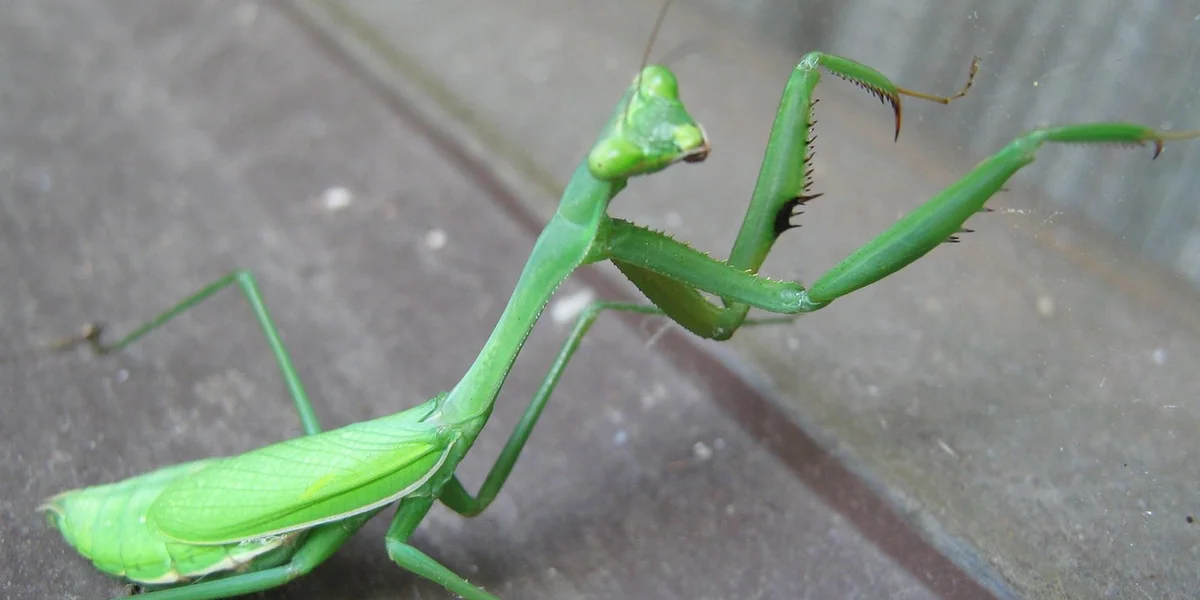
Praying mantises rely on a suite of sensory receptors to navigate their world, much like we use our senses to enjoy a walk in the garden. These tiny biological sensors help them detect everything from a gentle breeze to the scent of a potential meal. In hunting, depth cues help them gauge distance to prey and time their strike. They often wait motionless, then pounce with swift accuracy.
- Mechanoreceptors pick up physical contact and vibrations, letting mantises feel their surroundings with precision. When feeding, they sense the subtle movements of prey, like a fruit fly landing nearby. In mating, mechanoreceptors help males cautiously approach females to avoid becoming a snack. For predator avoidance, these receptors alert them to rustling leaves or an approaching hand, triggering a swift escape.
- Nociceptors respond to potentially harmful stimuli, though in mantises, this is more about reflexive protection than felt pain. If a mantis injures a leg, nociceptors might cause it to groom the area or retreat. During feeding, they help avoid toxic prey, and in predator encounters, they prompt immediate withdrawal without the complex emotions we associate with hurt.
- Chemoreceptors detect chemical signals, acting like a mantis’s nose and taste buds rolled into one. They guide feeding by sensing the odors of live insects, ensure mating through pheromone detection, and aid predator avoidance by recognizing alarming scents, like those from ants or birds.
- Thermoreceptors monitor temperature shifts, helping mantises stay in their comfort zone. They seek warmth for efficient digestion after a meal, choose optimal spots for mating activity, and avoid cold areas that could slow their reflexes against predators.
Behavioral Clues: Do Mantises Show Signs of Pain?
Observing your mantis’s behavior can give you hints about its well-being, but it’s key to distinguish between simple reflexes and signs of distress. We often look for changes in their usual calm demeanor to gauge if something is amiss. To tell if a praying mantis is stressed, watch for signs like unusual agitation or a sudden drop in appetite. Recognizing these cues early helps you adjust care.
Common behaviors that might signal stress or discomfort include excessive grooming of a specific body part, refusal to eat even favorite foods, or erratic, jerky movements. Often, these stress signals point to habitat issues that can be fixed by adjusting humidity, temperature, lighting, and available perches. When the enclosure is better aligned with the mantis’s needs, many of these behaviors can diminish. If your mantis starts hiding more than usual or appears lethargic, it could be reacting to an uncomfortable environment or minor injury. For instance, when my Ghost Mantis, Luna, molted, she became very still and avoided her perch-a normal process, but one that requires gentle monitoring.
Reflexes are automatic responses, like pulling a leg away from heat, while learned avoidance involves memory, such as steering clear of a surface that previously caused a slip. In injury responses, mantises typically show reflexes rather than learned pain; they might flick an injured limb but not necessarily remember to avoid the cause later. My Giant Asian Mantis, Moss, once nipped his leg on a sharp edge and immediately groomed it, but he didn’t avoid that spot afterward, suggesting it was a momentary reflex.
From personal keeping, I’ve noticed that mantises like Sprig, my Orchid Mantis, may freeze or sway when stressed, which is their way of blending in or assessing threat. By watching these subtle cues, we can adjust their care to keep them content and healthy.
Caring for Your Mantis: Minimizing Potential Discomfort
-
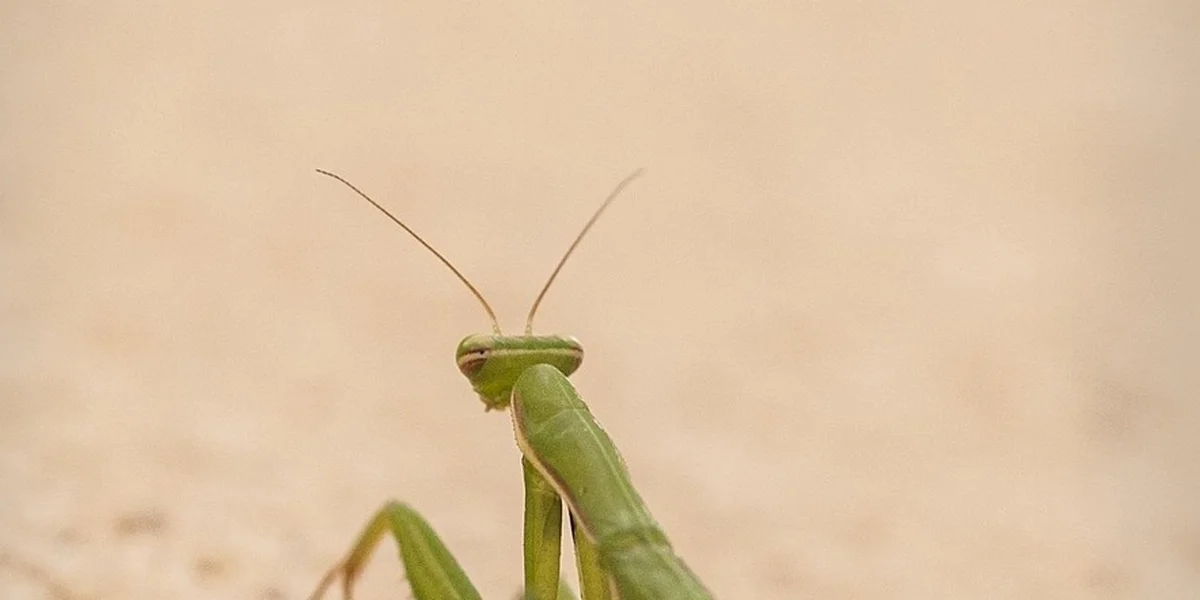
Handle your mantis with slow, deliberate movements to keep stress low. We always use a clean, dry hand or a soft paintbrush to gently coax them onto a finger, avoiding any sudden grabs. Moving patiently lets your mantis feel secure, much like Luna perches calmly when she trusts the situation. Limit handling to just a few minutes at a time, and always in a safe, enclosed space to prevent falls.
-
Choose prey that’s smaller than your mantis’s head to prevent injury during feeding. We offer pre-killed insects like fruit flies or pinhead crickets to our juveniles, reducing the risk of fights. Feeding appropriately sized meals ensures your mantis can strike and consume without strain, just as Moss eagerly takes his tiny crickets without fuss. This guidance is part of a complete diet feeding guide for praying mantises. For a balanced regimen, vary prey types and sizes according to life stage and species. Always remove uneaten prey after an hour to keep the enclosure clean and stress-free.
-
During molting, maintain high humidity by misting the enclosure lightly with warm water. Provide sturdy branches or mesh for your mantis to hang upside down, as they need a secure grip to shed properly. Keeping the environment still and undisturbed is vital—we’ve seen Sprig molt successfully when her terrarium is left alone for those delicate hours. Avoid handling or feeding until the new exoskeleton hardens, usually within a day or two. Proper care after molting is essential to ensure your mantis remains healthy and stress-free.
-
If euthanasia is necessary due to severe illness or injury, place the mantis in a small container and put it in the freezer. This method is widely accepted as humane, causing a gradual loss of consciousness. We only consider this step when a mantis shows clear signs of suffering, like inability to move or eat, and it’s done with care to prevent distress. Always seek advice from experienced keepers or vets if you’re unsure.
Common Questions About Mantis Pain and Stress
-
Yes, mantises can die from prolonged stress, such as frequent handling, loud noises, or poor enclosure conditions. High stress weakens their immune system, making them prone to illness-we’ve noticed that a calm setup keeps our mantises thriving for longer. They don’t experience loss in an emotional way, but changes in their environment can cause behavioral shifts, like reduced appetite.
-
One common myth is that mantises feel emotions like sadness or anger, but their reactions are based on instinct, not conscious feelings. Behaviors such as tilting their head or swaying are natural hunting tactics, not signs of thoughtfulness or pain. Another misconception is that they recognize their owners; instead, they habituate to gentle presence over time.
-
Rest assured, mantises lack the brain structures for complex pain perception, so they don’t suffer as mammals do. By focusing on gentle care and a stable habitat, you can provide a comfortable life without worrying about causing unseen distress. Our experience with various species shows that consistent, attentive routines lead to healthy, content mantises.
Common Mantis Queries
Do praying mantises remember painful experiences?
No, mantises lack the brain structures for forming emotional memories of pain. They may learn to avoid specific threats, but this is based on instinct rather than recalling suffering. As mantises molt and mature, their behavior, including how mantis behavior changes with maturation, can shift. Nymphs and adults can show different hunting styles and mating behaviors.
How does my mantis react to a physical injury?
An injured mantis will typically groom the affected area or attempt to escape, which are reflexive responses. These actions are driven by nociception, not a conscious feeling of pain.
What are the most common signs of stress I should look for?
Key indicators include refusing food, excessive and frantic grooming, or erratic jumping. These behaviors signal environmental discomfort that should be addressed for your mantis’s well-being. In pet mantises, these are among the most common health-related behavior issues to watch for. Being alert to these signals can help you catch problems early and seek appropriate care.
Your Mantis’s Sensory World: A Gentle Close
We’ve explored how mantises likely process sensations differently, so always handle them with soft, deliberate movements to avoid stress. Providing a calm, enriched habitat with proper humidity and hiding spots helps them thrive without unnecessary disturbances. To create a naturalistic, safe habitat for your praying mantis, mimic its wild environment with branches, leaves, and varied textures. This setup helps it feel secure and behave naturally.
As keepers, we must stay attentive to our mantis’s behaviors and needs, treating them with respect and empathy. Embrace the journey of learning more about these fascinating creatures to ensure your care remains thoughtful and informed.
Further Reading & Sources
- Behavioural Indicators of Pain and Suffering in Arthropods and Might Pain Bite Back? – PMC
- The question of whether praying mantises feel pain is part o | General | Mantis House
- Is the praying mantis injured in a Palo Alto yard suffering pain?
- Publication Alert: Is there genetic evidence for nociception in mantids? – Barrett Lab
Rowan Hale is a lifelong insect enthusiast who fell in love with mantises for their calm presence, alien elegance, and surprising personalities. After years of keeping and raising a variety of species, Rowan shares practical tips, creative insights, and real-world experience to help others enjoy the quiet magic of mantis care. From setting up the perfect enclosure to understanding their subtle behaviors, Rowan invites readers into a gentle, curious world where every tiny movement feels like a discovery.
Common Health Issues