
What Makes Praying Mantises So Special? Unique Characteristics
Hello, mantis friend! Have you ever paused to watch a praying mantis perched like a living sculpture, its slender body swaying gently in the breeze, and felt a spark of curiosity about this quiet hunter? Praying mantises stand out in the insect world due to their extraordinary predatory skills, intricate camouflage, and behaviors that blur the line between instinct and intelligence. We often find ourselves drawn to their almost meditative presence, whether it’s the soft rustle of molting skin or the way they tilt their heads as if pondering the world.
But that’s just the surface-unraveling what makes them so special involves diving into a web of biological marvels and subtle adaptations. Their uniqueness stems from a combination of physical traits, hunting strategies, and life cycles that have evolved over millions of years. From my own ghost mantis, Luna, whose misty brown frills mimic dried leaves, to Moss, a vibrant giant Asian mantis always exploring new perches, each one reveals layers of fascination.
In this article, we’ll guide you through the key aspects that set praying mantises apart, including:
- Their stealthy hunting techniques and lightning-fast strikes
- Incredible camouflage abilities that make them masters of disguise
- Unique reproductive behaviors and life stages
- How their anatomy supports their predatory lifestyle
Incredible Physical Adaptations for Survival
To truly appreciate a praying mantis, you must look closely at the masterful engineering of its body. Every part of its form has been refined by evolution for one purpose: to be a perfect, silent predator. We’ll explore the tools that make them such successful hunters in their miniature worlds.
Vision and Head Movement: Seeing the World Uniquely
A mantis perceives its surroundings in a way we can barely imagine. Their triangular heads house two large, prominent compound eyes. These complex eyes are made of thousands of tiny units, allowing them to detect the slightest movement with incredible precision. They can spot a fruit fly twitching several feet away, a vital skill for an ambush hunter.
Perhaps their most famous trait is the ability to rotate their heads nearly 180 degrees. This remarkable flexibility gives them a panoramic view without needing to move their bodies and give away their position. My Ghost Mantis, Luna, will often sit perfectly still, her head slowly swiveling to track my movements across the room with an almost thoughtful curiosity.
They also possess a secret third eye, called an ocellus, located in the middle of their forehead. This simple eye doesn’t form images but is exquisitely sensitive to light and dark, helping them orient themselves and maintain balance. It’s a built-in light meter for their world.
The Power of Raptorial Forelegs and Predatory Strikes
The “praying” pose is a deceptive calm before a lightning-fast attack. Their front legs, or raptorial forelegs, are biological marvels. These legs are highly modified, featuring a long coxa and femur, and a shorter tibia that folds back like a pocket knife blade. The inside of the femur and tibia are lined with sharp spines that interlock to form a perfect cage.
When they strike, the action is almost too fast for the human eye to follow. The entire movement from rest to capture can take less than one-tenth of a second-faster than you can blink. They snatch their prey from the air or off a leaf, the spiny traps closing instantly to ensure there is no escape.
My Giant Asian Mantis, Moss, demonstrates this power during feeding. He remains a statue of emerald green until the moment a cricket wanders too close; then, in a blur of motion, it’s already in his grasp. This efficient capture conserves their energy, which is crucial for a predator that may not eat every day.
Masterful Camouflage and Hunting Strategies
Ambush Predator Tactics in the Wild and at Home
Praying mantises blend into their surroundings with astonishing precision, using colours and shapes that mimic leaves, twigs, or even flowers. Their camouflage isn’t just for hiding-it’s a clever tool that lets them ambush prey without being noticed. In the wild, species like the Orchid Mantis perch on blossoms, looking so much like part of the plant that insects land right beside them.
At home, you can see this behaviour up close. My Ghost Mantis, Luna, often positions herself among dried leaves, her misty brown body fading into the background. Setting up their enclosure with natural elements like branches and faux foliage encourages this instinctual hiding and hunting. It makes feeding time a quiet spectacle, as they wait motionless for the perfect moment to strike.
Their hunting relies on patience and lightning-fast reflexes. Mantises stay utterly still, then snap their forelegs forward in a blink. This ambush style means they conserve energy while securing meals, which is vital for their survival in captivity. Offer live prey like fruit flies or small crickets to keep their skills sharp and provide mental stimulation. In the wild, many mantises overwinter as eggs and hatch in spring. For keepers, a winter survival guide suggests adjusting temperatures and feeding to mimic seasonal cycles.
- Use textured surfaces like bark or vines to mimic their natural perches.
- Avoid bright lights that might disrupt their stealthy approach.
- Observe feeding sessions to ensure they’re eating well without stress.
When a mantis hunts, you might notice a subtle head tilt or a slow adjustment of stance. These small movements are part of their calculated approach, helping them gauge distance and timing. With Moss, my Giant Asian Mantis, I’ve seen him track a cricket for minutes before pouncing with unerring accuracy.
Fascinating Life Cycle and Development Stages
Understanding Molting and Growth in Pet Mantises
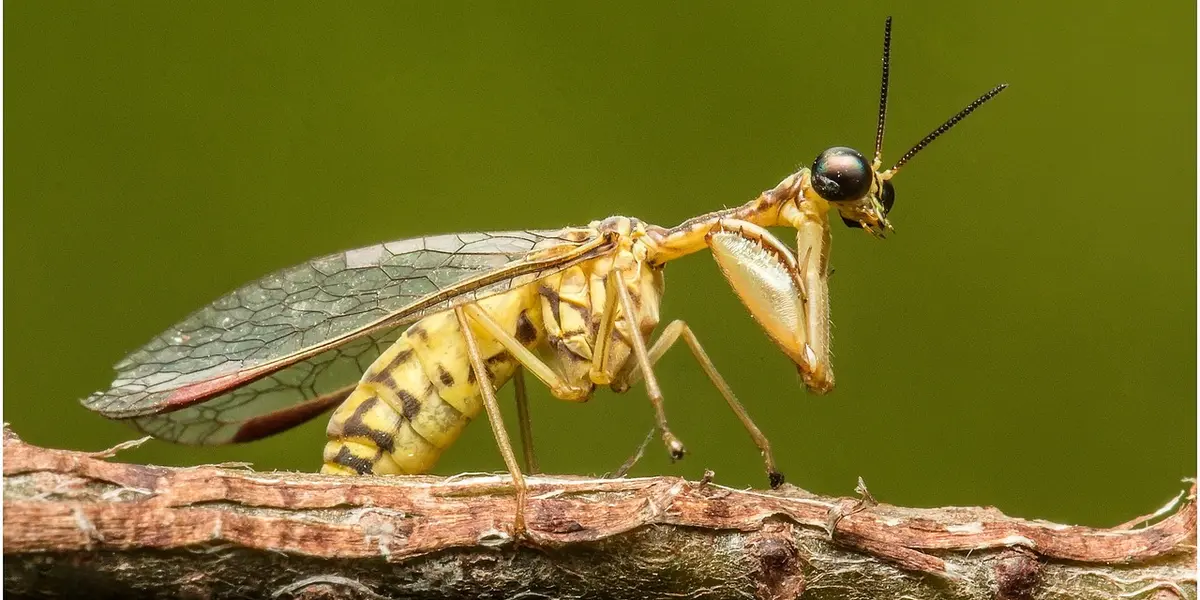
From egg to adult, praying mantises go through several stages called instars, each marked by a molt where they shed their exoskeleton. Molting is a vulnerable time that allows them to grow larger and develop new features like wings. It’s a process we’ve watched carefully with Sprig, our Orchid Mantis, as her juvenile pink hues deepened with each shed. Knowing the signs that a praying mantis is about to molt is crucial for providing the right care during this delicate period.
Before molting, mantises often become less active and might refuse food. Providing high humidity through gentle misting helps soften their old skin, making the molt smoother and safer. We use a spray bottle with warm water to create a fine mist, avoiding direct sprays that could startle them. Temperature and humidity balance matters for nymphs too. Keep the enclosure warm and moderately humid to support successful molts.
- Increase enclosure humidity a day before expected molting.
- Ensure plenty of vertical space for them to hang upside down.
- Do not disturb during or right after the molt-their new skin is soft and easily damaged.
After molting, mantises emerge with a fresh, pliable exoskeleton that hardens over hours. This regrowth phase is when they’re most at risk, so keep their environment calm and free of predators or sharp objects. A successful molt means they’ve gained size and are one step closer to adulthood.
Growth stages vary by species, but most mantises molt 5 to 10 times before reaching maturity. Tracking these stages helps you anticipate their needs, from diet adjustments to enclosure upgrades. For instance, nymphs eat smaller prey, while adults can handle larger insects.
Watching a mantis develop is like seeing a living sculpture unfold. Each molt reveals more intricate details, from wing buds to sharper spines, reminding us of nature’s patient artistry. With proper care, your mantis will thrive through every stage, offering a front-row seat to one of insect life’s most delicate transformations.
Behavioral Traits: Solitary Lives and Mating Rituals
Praying mantises lead mostly solitary lives, preferring quiet corners and minimal company. Their independent nature means they thrive best when housed alone, as crowding can trigger stress or aggression. Are mantises social or solitary? This solitary tendency is explained by their predatory lifestyle and the risks of mating. We often see them perched motionless for hours, waiting patiently for prey—a habit that reflects their calm, observant demeanor.
Mating rituals are dramatic, with females sometimes consuming males after or during copulation. This behavior, while startling, is a natural survival strategy that ensures the female has nutrients for egg-laying. When my Ghost Mantis, Luna, molted last week, her delicate movements reminded me how these rituals are tied to their life cycles.
- Solitary living reduces competition and stress.
- Mating requires careful timing to avoid cannibalism.
- Males often approach females cautiously, using slow, deliberate motions.
How Mantis Communication and Social Habits Affect Care
Mantises communicate through subtle body language, like head tilts or leg raises, rather than sounds. Understanding these cues helps you spot when your mantis feels threatened or curious. For instance, Moss, my Giant Asian Mantis, will sway gently if he senses vibrations-a sign he needs a quieter environment.
Their lack of social needs means you should never house multiple mantises together. This prevents injuries and ensures each one feels secure in its own space. We’ve found that providing visual barriers, like small leaves or sticks, can make them feel more at ease.
- Watch for rapid movements or refusal to eat as stress indicators.
- Use gentle handling to build trust over time.
- Keep enclosures in low-traffic areas to minimize disturbances.
Applying Unique Traits to Everyday Pet Mantis Care
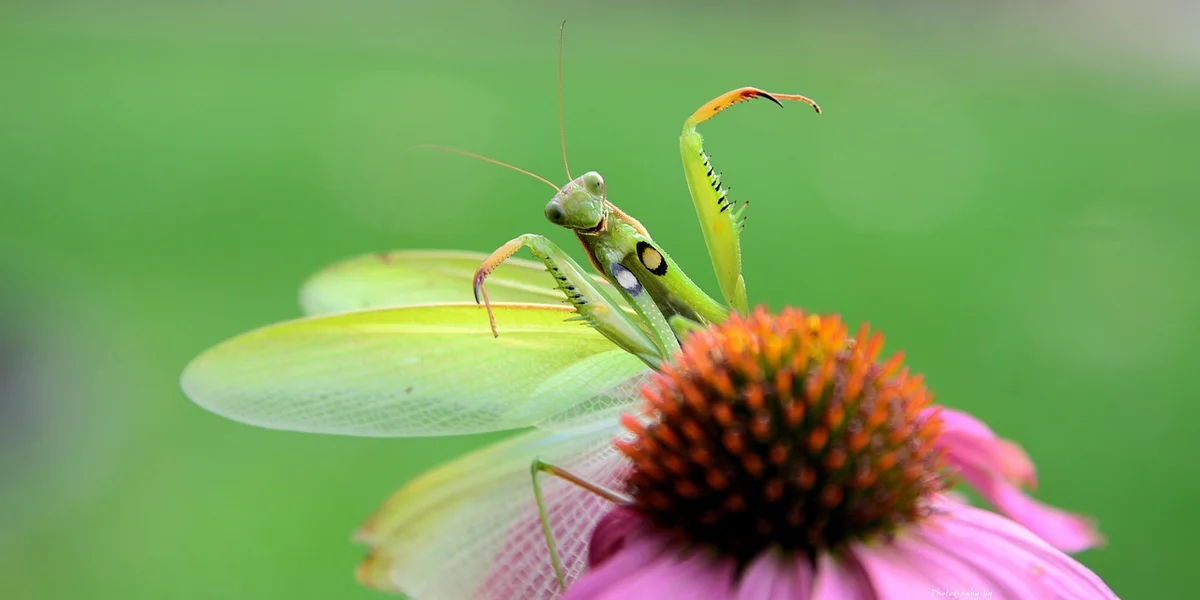
By aligning care with their instincts, you create a habitat that feels natural and safe. Mimicking their wild behaviors in captivity reduces anxiety and promotes healthy growth. Think of it as crafting a tiny, personalised world where they can hunt, climb, and rest just as they would outdoors.
We often use simple items from around the home, like twigs or recycled jars, to build enriching spaces. This approach not only saves money but also taps into their love for exploration and hiding. When Sprig, my Orchid Mantis, first encountered a new branch, her cautious steps showed how enrichment sparks their curiosity.
Feeding and Enrichment Based on Natural Instincts
Mantises are ambush predators, relying on stealth to catch live prey. Offering a variety of insects, like fruit flies or crickets, keeps their hunting skills sharp and meals interesting. We’ve noticed that varying prey size and type prevents boredom and encourages natural stalking behavior. For a practical reference, mantises do eat a wide range of insects. Here’s a comprehensive list of common prey to consider when planning their meals.
Enrichment is key to mental stimulation-add climbing structures and occasional “hunting challenges.” Placing prey in different spots within the enclosure encourages movement and problem-solving. Here’s a simple way to incorporate enrichment into daily care:
- Provide live prey that matches your mantis’s size.
- Rotate enclosure decor weekly to create new exploration paths.
- Use soft misting to simulate dew, which many mantises enjoy drinking.
Feeding should happen every few days, adjusting based on age and species. Always remove uneaten prey to maintain a clean, stress-free environment. Watching Luna patiently track a fly reminds us how these small steps honor their wild roots.
Choosing the Right Mantis Species for Your Home
Picking a mantis species feels a bit like choosing a new housemate-you want someone who fits your rhythm and space. We find that matching a mantis to your experience level and home environment prevents stress and builds a rewarding bond from the start.
Key Factors to Consider Before You Decide
Think about your daily routine and what you can offer a mantis in terms of time and attention. A species with simpler needs, like lower humidity or common prey, often suits busy households better.
- Size and space: Smaller mantises, such as Ghost Mantises, need compact enclosures, while larger ones like the Chinese Mantis require more room to climb and hunt.
- Temperature and humidity: Some species thrive at room temperature, while others, like tropical varieties, need consistent warmth and misting.
- Feeding habits: Beginners might prefer mantises that eat readily available insects like fruit flies, whereas advanced keepers can handle species needing larger prey.
- Lifespan: Consider how long you can care for your pet; some live just a few months, while others, like females of certain species, may survive over a year.
- Temperament: Docile mantises are easier to handle, while more skittish or aggressive types demand careful interaction.
Beginner-Friendly Species for a Smooth Start
If you are new to mantis care, start with species known for their hardiness and calm nature. We often recommend the Ghost Mantis for its gentle demeanor and low maintenance, making it a perfect first pet.
- Ghost Mantis (Phyllocrania paradoxa): Small, leaf-like appearance, and slow-moving; our Luna tilts her head thoughtfully before feeding, adding a touch of charm.
- Chinese Mantis (Tenodera sinensis): Larger and readily available, they adapt well to indoor habitats and are less fussy about humidity.
- European Mantis (Mantis religiosa): Common in gardens, they are resilient and teach you the basics of molting and feeding cycles.
Species for Experienced Keepers Seeking a Challenge
Once you have mastered the basics, you might crave a mantis with unique looks or specific care needs. Advanced species, like the Orchid Mantis, reward patience with breathtaking beauty but require precise conditions to flourish.
- Orchid Mantis (Hymenopus coronatus): With pink and white petals, they need high humidity and warm temperatures; our Sprig shimmers under light but can be shy initially.
- Devil’s Flower Mantis (Idolomantis diabolica): Striking and large, they demand expert handling and a diet of flying insects, making them a project for dedicated enthusiasts.
- Giant Asian Mantis (Hierodula membranacea): Energetic and vivid green, like our Moss, they are curious explorers but need spacious enclosures and regular feeding.
Steps to Match a Species to Your Home Setup
Follow this simple process to ensure your choice aligns with your space and skills. Taking these steps helps you avoid common pitfalls and creates a comfortable home for your mantis.
- Assess your experience: Be honest about your comfort level with insect care; if you are a novice, stick to hardy species.
- Evaluate your enclosure: Measure the space you have and check if it can maintain the right temperature and humidity for your chosen species.
- Research feeding needs: Ensure you can source the appropriate food, whether it is small fruit flies or larger crickets.
- Observe local availability: Choose species that are easy to find from reputable breeders to support healthy, captive-bred mantises.
- Consider handling preferences: If you enjoy interacting with your pet, select a calmer species that tolerates gentle handling.
Why Personal Experience Matters in Your Choice
We have kept various mantises over the years, and each one taught us something new about care and compatibility. Learning from hands-on experience, like noticing how Moss explores fresh branches, builds confidence and deepens your connection to these fascinating creatures.
FAQs on Mantis
How does a praying mantis’s brain size relate to its behavior?
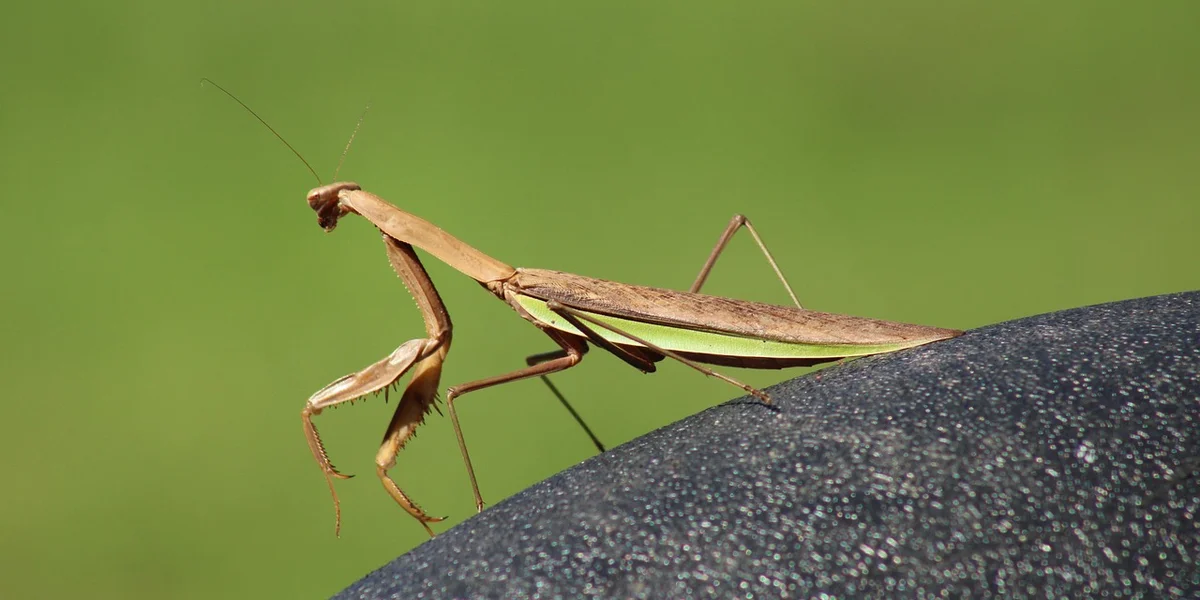
Praying mantises have relatively small brains, yet they display complex behaviors like learning and problem-solving. This allows them to adapt to new environments, making them intriguing pets to observe for subtle signs of intelligence. Researchers note that behavior can change as mantises molt and mature, with shifts in hunting tactics and aggression. These lifecycle changes mean behavior may vary from nymphs to adults.
What essentials are needed in a praying mantis raising kit?
A starter kit should include a well-ventilated enclosure, substrate for humidity, and branches for climbing. Adding a misting bottle and live prey like fruit flies supports their natural hunting instincts and overall health.
Is there any special meaning or care for praying mantises raised in Japan?
In Japan, praying mantises are sometimes kept as pets or for cultural symbolism, such as representing patience, but care requirements are similar to global practices. They are not poisonous or dangerous when handled properly, so always follow species-specific guidelines for a safe experience. When you interact with your mantis, do so calmly and gently—let it move to your hand. Avoid grabbing or squeezing to reduce stress and the risk of injury.
A Gentle Farewell to Your Mantis Journey
By appreciating their unique traits, from delicate molting rituals to patient hunting styles, we can tailor care that keeps them thriving. Observing these behaviors closely helps us create a home where our mantises feel secure and can express their natural instincts fully. To support this, create a naturalistic, safe habitat for your praying mantis that offers branches, foliage, and vertical space. A well-designed enclosure helps mantises roam, molt, and hunt with confidence while staying secure.
Responsible ownership means staying informed and adapting our methods as we learn more about their subtle needs. We encourage you to keep exploring mantis care with a curious heart, ensuring your pet enjoys a comfortable, enriching life under your watchful eye.
Further Reading & Sources
- Praying Mantids – Wisconsin Horticulture
- 10 Wondrous Praying Mantis Facts
- Praying Mantis | National Geographic Kids
- 10 Interesting Praying Mantis Facts
Rowan Hale is a lifelong insect enthusiast who fell in love with mantises for their calm presence, alien elegance, and surprising personalities. After years of keeping and raising a variety of species, Rowan shares practical tips, creative insights, and real-world experience to help others enjoy the quiet magic of mantis care. From setting up the perfect enclosure to understanding their subtle behaviors, Rowan invites readers into a gentle, curious world where every tiny movement feels like a discovery.
Common Species