
Orchid Mantis Care Guide: Keeping Hymenopus coronatus Healthy
Hello, fellow mantis friend. Imagine a creature so perfectly disguised it becomes a living flower, its petal-soft legs and dewdrop eyes blending into the very orchids it mimics. This is the orchid mantis, a living jewel of the insect world.
Caring for an orchid mantis involves creating a warm, humid, vertically-oriented habitat that mimics its native Southeast Asian rainforest home, paired with a diet of flying insects. While their breathtaking beauty is undeniable, these are not the hardiest mantises for a complete beginner.
We find their specific needs are well worth the effort for those prepared to offer attentive, gentle care. Here’s a quick look at what we’ll cover to get you started.
- Setting up the perfect enclosure with the right humidity and temperature.
- Choosing the safest and most nutritious feeder insects.
- Understanding their unique molting process and how to help.
- Recognising the differences in care for males and females.
Introduction to Orchid Mantis Care
Caring for an orchid mantis feels like tending a living flower-each day brings quiet moments of observation and gentle adjustments. We find that their well-being hinges on mimicking the humid, lush environments of Southeast Asian forests where they naturally blend in. Start by observing your mantis’s behavior; a happy one will perch calmly, its pink-and-white hues shimmering under soft light, much like our juvenile Sprig who loves to explore new branches after a misting.
Focus on three core areas: enclosure setup, feeding routines, and humidity control. Regular, gentle handling can build trust, but always let your mantis lead the interaction to avoid stress. Use a small spray bottle for misting—the fine droplets should cling to leaves without pooling, creating that dewy morning feel they adore. To set up the perfect humidity level in your mantis enclosure, monitor humidity with a hygrometer and adjust misting as needed. Keep the environment consistently moist but not waterlogged to prevent mold and stress.
Setting Up the Ideal Enclosure
Choosing the Right Enclosure Size and Type
Selecting an enclosure is like picking a cozy home that balances space and security. A tall, ventilated terrarium works best because orchid mantises love to climb and need vertical space for molting. For a single adult, aim for at least 30cm in height to allow room for shedding their skin without obstruction.
- Mesh cages: Excellent airflow, ideal for preventing mold, but may require more frequent misting to maintain humidity.
- Glass terrariums: Hold moisture well, offering a stable environment, but ensure cross-ventilation with screened lids.
- Plastic containers: Budget-friendly and lightweight, perfect for juveniles; just drill small holes for air exchange.
We’ve found that a mesh-top glass tank strikes a lovely balance-our mantis Moss thrives in one, his emerald body contrasting with the green leaves inside. Avoid overcrowding; too much space can make hunting difficult, while too little risks injury during molts. Check that all openings are secure to prevent escapes, as these delicate insects can slip through surprisingly small gaps.
Substrate, Plants, and Decor for Camouflage
Essential Enclosure Elements
Creating a naturalistic setup helps your mantis feel hidden and secure, reducing stress. Start with a moisture-retaining substrate like coconut fiber or sphagnum moss, which also adds an earthy scent when damp. This is part of creating a naturalistic safe habitat for your praying mantis. Layer it about 2-3cm deep to help maintain humidity and provide a soft landing spot for any falls.
- Live plants: Orchids, bromeliads, or fake silk flowers mimic their floral camouflage; live plants boost humidity and air quality.
- Twigs and branches: Offer varied perches at different heights; sanded driftwood or bamboo work well for climbing and resting.
- Leaf litter: Scatter dried leaves for added cover, encouraging natural hunting behaviors as mantises wait patiently for prey.
When we arranged Sprig’s enclosure with pink-tipped artificial orchids, she immediately blended in, her marbled colors melting into the decor. Include vertical elements like thin branches or vines to support their upright posture and make feeding easier. Avoid sharp-edged decor that could harm their fragile legs, and opt for non-toxic materials to keep the environment safe.
Mist the plants lightly each morning to replicate dew-this not only hydrates your mantis but also makes the enclosure feel like a fresh, misty grove. Regularly check for mold or pests in live plants, as a clean habitat prevents health issues and keeps your mantis vibrant.
Maintaining Temperature and Humidity
Temperature Requirements
Orchid mantises thrive in warm, stable environments that mimic their tropical origins. Aim for a consistent temperature range of 24-28°C (75-82°F) to keep your mantis active and healthy. We use a small heat mat placed on one side of the enclosure for Sprig, our juvenile orchid mantis, which creates a gentle warmth gradient she can move toward or away from as needed. Avoid direct heat sources like lamps that could dry out the air or cause overheating-think of it as providing a cozy nook rather than a blazing sun.
Monitor the temperature with a reliable digital thermometer, and make small adjustments if you notice your mantis staying too still or avoiding certain areas. Consistency is key, as sudden drops or spikes can stress your pet and disrupt feeding or molting cycles. In our experience, a steady 26°C feels like a balmy day in a flower-filled meadow, perfect for Sprig’s delicate pink-and-white form to perch and hunt.
Humidity and Ventilation Balance
Balancing humidity and airflow prevents mold while keeping your mantis hydrated. Maintain humidity levels between 60-80% by misting the enclosure lightly once or twice daily with warm, dechlorinated water. The air should feel moist and fresh, like the gentle mist in a morning garden, without becoming stagnant. We’ve found that a fine spray bottle works wonders, and Sprig often drinks droplets from leaves or her own legs after misting.
Ensure proper ventilation with small mesh panels or drilled holes to allow air exchange without drying out the habitat too quickly. Good ventilation reduces the risk of respiratory issues and keeps the environment smelling earthy and clean. If you see condensation building up, increase airflow slightly; it’s all about finding that sweet spot where humidity hugs the air but doesn’t cling.
Feeding and Nutrition
Prey Selection and Gut-Loading
Choosing the right prey ensures your orchid mantis gets essential nutrients for growth and vitality. Offer appropriately sized live insects like fruit flies for juveniles and small crickets or flies for adults, avoiding anything larger than the mantis’s head. We always gut-load our feeder insects by feeding them nutritious foods like carrots, leafy greens, or commercial gut-load diets for 24 hours before offering them to Sprig. This boosts the nutritional value, much like enriching soil for a blooming flower. Do praying mantises eat a complete diet? This complete diet feeding guide helps you ensure your orchid mantis receives balanced nutrition at every life stage.
Variety in prey helps prevent nutritional deficiencies, so rotate between different insects if possible. Gut-loading transforms ordinary feeders into vitamin-packed meals, supporting your mantis’s vibrant colors and overall health. Watching Sprig strike at a gut-loaded cricket, you can see her energy surge-it’s a small step that makes a big difference.
Feeding Schedule and Techniques
Stick to a regular feeding routine to match your mantis’s life stage and appetite. Keeping a complete feeding schedule helps you stay consistent and notice changes as your mantis grows. Feed juveniles every 1-2 days and adults every 2-3 days, offering 1-2 prey items per feeding to avoid overfeeding. Use soft-tipped tweezers or place insects directly in the enclosure to encourage natural hunting behavior. With Sprig, we’ve noticed she’s more active in the early evening, so we time feedings then to align with her instincts.
Remove uneaten prey after a few hours to prevent stress or injury to your mantis. Observing your mantis during feeding helps you gauge its health-a eager strike signals well-being, while refusal might indicate upcoming molting or other issues. Gentle techniques, like hand-feeding with care, can build trust and make mealtime a calm, rewarding experience for both of you.
Health, Molting, and Common Issues
The Molting Process
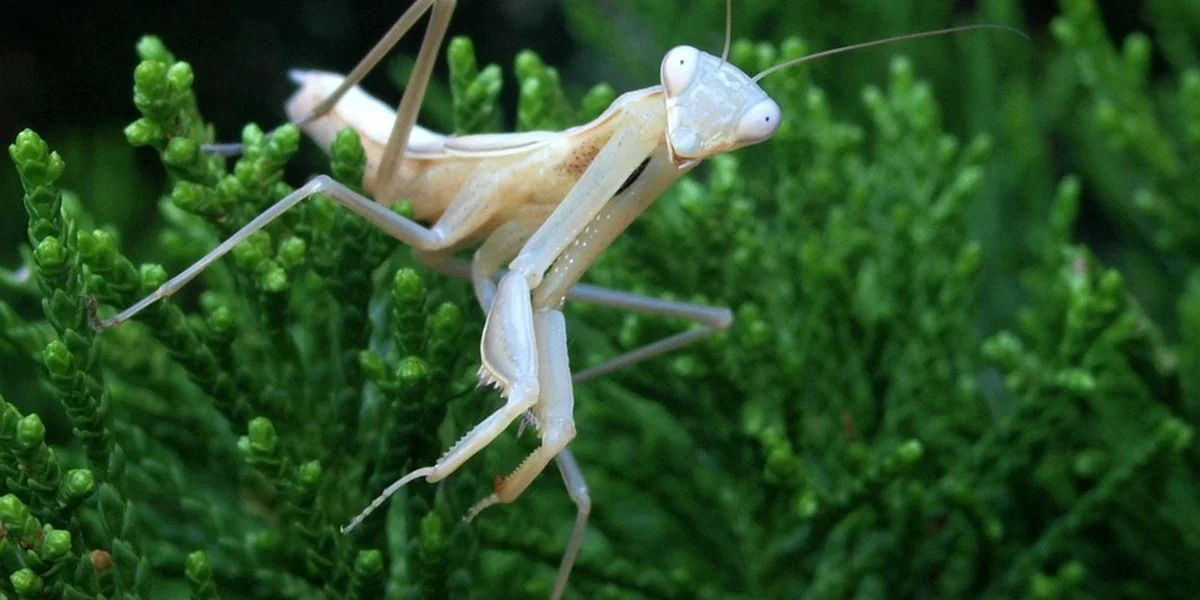
Molting is a critical phase where your mantis sheds its exoskeleton to grow, requiring extra care and attention. Signs of an impending molt include reduced appetite, lethargy, and a duller appearance as the old skin loosens. These are the key signs that your praying mantis is about to molt. If you notice them, prepare by minimizing handling and ensuring the enclosure stays stable. During this time, ensure high humidity (around 70-80%) and avoid disturbing your mantis—we never handle Sprig when she’s in pre-molt, as even gentle touches can cause mishaps.
The actual molting happens quickly, often at night, with the mantis hanging upside down to ease out of its old skin. Provide sturdy branches or mesh for your mantis to cling to, as a secure grip is essential for a successful molt. Afterward, your mantis will be soft and vulnerable; leave it alone for at least 24 hours to harden its new exoskeleton. Care after molting is essential: keep handling to a minimum and provide a calm, quiet enclosure so the new skin hardens properly. Maintain steady humidity and avoid bright lights during this recovery window. The soft rustle of shedding and the sight of Sprig emerging more vibrant always reminds us of nature’s quiet miracles.
Identifying and Preventing Health Problems
Stay vigilant for common health issues to keep your orchid mantis thriving. Watch for symptoms like lethargy, discoloration, or difficulty moving, which could signal dehydration, infection, or a stuck molt. Dehydration is often preventable by maintaining proper humidity and offering water droplets via misting-we check Sprig’s enclosure daily to ensure it’s not too dry.
Prevention focuses on consistent husbandry: clean the enclosure regularly, provide a balanced diet, and monitor temperature and humidity closely. Quick action, like adjusting environmental conditions or isolating a sick mantis, can prevent minor issues from escalating. By creating a stable, nurturing habitat, you’ll reduce risks and enjoy the quiet companionship of a healthy mantis, much like tending a delicate orchid in a well-kept terrarium.
Handling and Safety Considerations
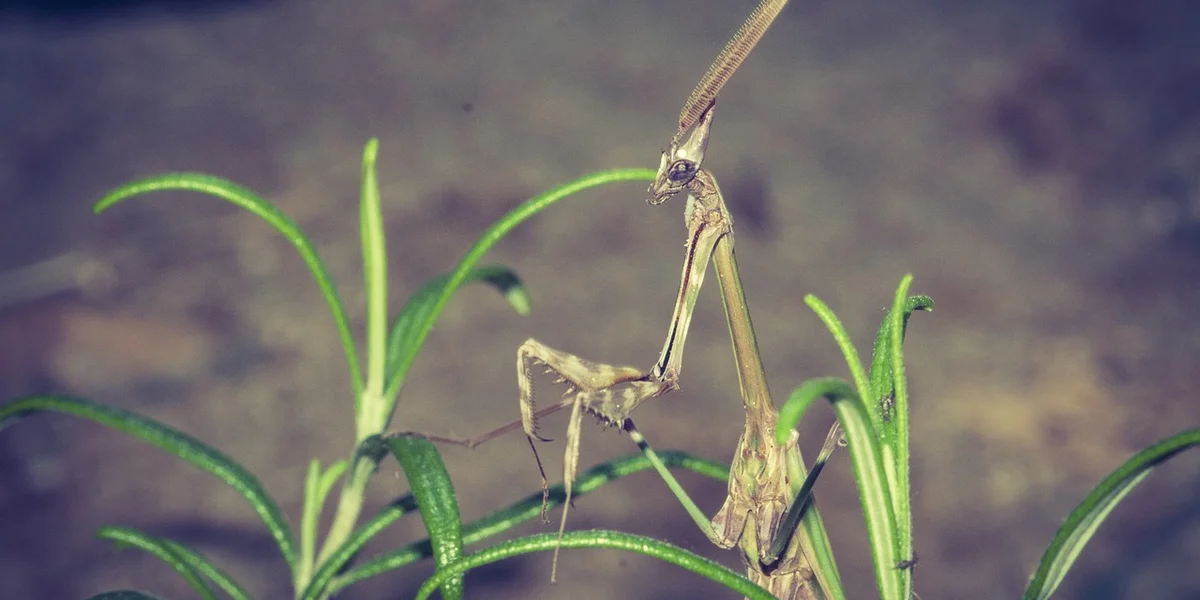
Handling your orchid mantis requires a gentle touch and mindful timing to keep both of you safe. We recommend limiting handling to essential moments, like during enclosure cleanings or health checks, to reduce stress and prevent accidental falls. Their delicate, petal-like limbs can easily tear if handled roughly, so always move slowly and let the mantis step onto your hand voluntarily.
Choose a quiet, enclosed space free from drafts or sudden movements when you do handle them. Keep sessions short-just a few minutes-and avoid handling during molting periods, when their new exoskeleton is soft and vulnerable. If your mantis seems agitated, with rapid head movements or raised forearms, it’s best to return them to their home right away.
Wash your hands with warm water before and after handling to remove any residues that could harm your mantis. While orchid mantises rarely bite and their nibbles are harmless to humans, their safety comes first, so support their body fully to avoid jumps or slips. With Sprig, my orchid mantis, I’ve found she stays calmest when I mimic the stillness of a leaf, letting her explore at her own pace.
Breeding and Nymph Care
Breeding Basics
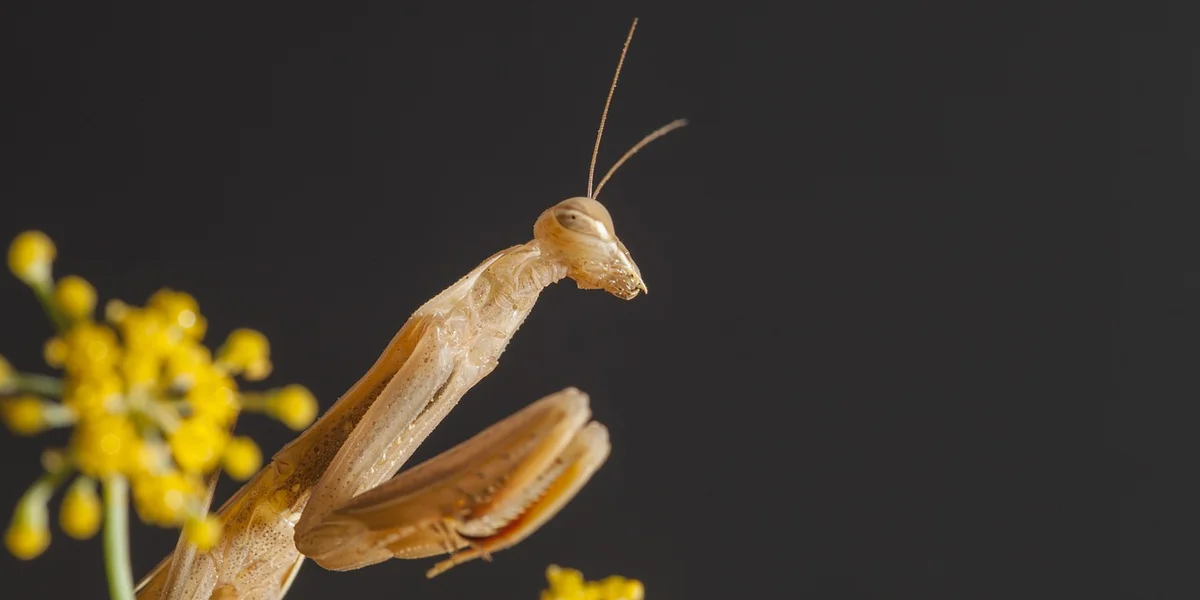
Breeding orchid mantises starts with healthy, well-fed adults—typically females around 4-6 weeks after their final molt and males a bit sooner. Introduce the male to the female’s enclosure in the early evening, when both are calm, and watch closely for aggression; if the female shows interest without attacking, mating may proceed. Males often perform a cautious dance, swaying gently before approaching, so patience is key.
After successful mating, the female will produce an ootheca (egg case) within a few weeks, usually attaching it to a sturdy branch or enclosure roof. Maintain high humidity around 70-80% and temperatures of 75-80°F to support ootheca development, misting lightly daily to keep it from drying out. Eggs typically hatch in 4-6 weeks, and you’ll notice tiny nymphs emerging-ready for their own specialized care.
Caring for Orchid Mantis Nymphs
Newly hatched nymphs are incredibly small and need a secure, simple setup to thrive. House them in small containers like deli cups with mesh lids for ventilation, and include soft twigs or fake plants for climbing and molting surfaces. Keep the environment humid by misting with warm water once or twice daily, but avoid pooling moisture that could lead to mold.
Feed nymphs appropriately sized live prey, such as fruit flies or pinhead crickets, every 2-3 days. Do baby mantis nymphs eat? Yes—nymphs are predatory and feed on small live prey from the start. Offer food in small quantities to prevent overcrowding, and remove uneaten prey to reduce stress on the nymphs. As they grow, you’ll see them molt several times—each molt is a critical growth stage where they shed their old skin and emerge larger.
Monitor nymphs closely during molting, ensuring they have enough height to hang freely and complete the process. Avoid disturbing them at this time, as any interruption can cause deformities or fatalities; instead, provide a calm, stable environment with consistent warmth and humidity. With attentive care, your nymphs will gradually develop their stunning orchid-like colors, ready to enchant as they mature.
FAQs on Mantis
Are orchid mantises dangerous to people?
Orchid mantises are not dangerous and pose no threat to humans. Their rare bites are harmless and do not break the skin.
Is orchid mantis care suitable for beginners?
Orchid mantis care can be challenging for beginners due to their specific humidity and temperature needs. Start with thorough research and a simple setup to build confidence.
How does orchid mantis care differ in the UK?
In the UK, focus on maintaining consistent warmth with heat mats and counteracting drier indoor air with frequent misting. Adapt enclosure conditions to handle cooler, less humid climates.
Your Orchid Mantis Care Journey
To help your orchid mantis flourish, prioritise a humid, well-ventilated enclosure and offer appropriately sized live prey. Consistent monitoring and gentle interactions will support their delicate health and natural behaviours.
Being a thoughtful mantis keeper involves committing to their comfort and staying curious about best practices. We encourage you to keep learning and sharing experiences to deepen your connection with these remarkable pets. For those handling mantises, our care pet praying mantis complete handling behavior guide offers practical steps for safe handling, daily care, and recognizing stress cues. Following it helps you interact calmly and keep your mantises healthy.
Further Reading & Sources
- Orchid mantis care / Invertebrates / Care | Ali’s Menagerie
- Orchid Mantis | Care Center | Galápagos Reptile Gear
- Orchid Mantis Care Sheet | Expert Guide for Healthy Invertebrates – Dubia.com
- r/mantids on Reddit: orchid mantis care for beginners!
Rowan Hale is a lifelong insect enthusiast who fell in love with mantises for their calm presence, alien elegance, and surprising personalities. After years of keeping and raising a variety of species, Rowan shares practical tips, creative insights, and real-world experience to help others enjoy the quiet magic of mantis care. From setting up the perfect enclosure to understanding their subtle behaviors, Rowan invites readers into a gentle, curious world where every tiny movement feels like a discovery.
Exotic Mantids