
Creating a Praying Mantis-Friendly Garden: Attracting Beneficial Insects
Hello, fellow mantis friend! Picture this: a gentle rustle in your garden, and there it is-a praying mantis, poised like a delicate green statue, blending seamlessly into the leaves as it watches for its next meal.
We’re here to guide you through transforming your outdoor space into a welcoming habitat that draws in praying mantises and other beneficial insects, helping your garden flourish naturally.
Designing such a garden isn’t just about tossing in a few plants; it involves creating a balanced ecosystem with the right food sources, shelter, and safety measures to support these fascinating creatures.
In this article, we’ll cover the essentials to get you started:
- Selecting native plants that attract insect prey and provide hiding spots.
- Adding simple water sources and avoiding chemicals that harm mantises.
- Observing mantis habits to make your garden even more inviting over time.
Why Your Pet Mantis Thrives with a Garden Habitat
Your praying mantis finds immense joy and health benefits from a garden setting, where it can engage in natural hunting and exploration. This outdoor space offers a steady supply of live prey like flies, moths, and small beetles, which keeps your mantis physically fit and mentally sharp. We’ve noticed how our own mantis, Moss-a vibrant Giant Asian male-perks up when placed among foliage, his emerald body blending seamlessly as he stalks insects with quiet intensity. To create a naturalistic safe habitat for your mantis at home, choose pesticide-free plants, sturdy enclosures, and gentle ventilation. By mimicking a garden micro-habitat with varied textures and safe prey, your mantis stays healthy and stress-free.
- Reduced feeding costs: A garden teeming with insects means you spend less on store-bought feeders.
- Mental stimulation: Hunting and climbing through plants prevent boredom, encouraging natural behaviors.
- Mimicking wild habitats: It recreates the varied environment mantises evolved in, promoting overall well-being.
- Safe observation space: With proper enclosure or supervised visits, you can watch your mantis thrive without risks.
- Enrichment through sensory experiences: The rustle of leaves and hum of insects provide calming background stimuli.
Watching Moss in our garden has taught us how these spaces boost confidence in shy mantises. He often perches on a sturdy stem, tilting his head before a swift strike, showing how gardens foster both skill and contentment. This setup lets you witness behaviors you might miss indoors, like molting in a hidden nook or basking in dappled sunlight.
Choosing Plants That Lure Beneficial Insects for Mantis Meals
Selecting the right plants is key to drawing in insects that serve as nutritious meals for your mantis. Focus on native species, perennials, and shrubs that bloom at different times, ensuring a year-round buffet of pollinators and pest insects. These plants not only support local ecosystems but also attract prey like aphids, caterpillars, and bees that mantises relish. Consider consulting a list of insects mantises eat to gauge what prey your plants are likely to lure. Diets vary by species and season, but many mantises hunt a mix of small insects such as aphids, caterpillars, flies, and bees.
- Lavender: Its purple spikes are rich in nectar, drawing bees and butterflies-ideal for larger mantises.
- Sunflowers: Bright petals and ample pollen attract beetles and flies, providing diverse hunting opportunities.
- Milkweed: A perennial favorite for monarch butterflies and other insects, offering soft landing spots for mantis ambushes.
- Yarrow: Clusters of tiny flowers lure hoverflies and parasitic wasps, which are safe, small prey for juveniles.
- Fennel: Feathery leaves and yellow umbels host caterpillars and aphids, perfect for stimulating natural foraging.
Color diversity in your garden-mixing whites, yellows, and purples-helps appeal to a wider range of insects. We always include plants with varying bloom times to maintain a consistent food source through the seasons. For instance, early-blooming crocuses bring spring insects, while autumn asters extend the hunting window.
- Assess your local climate: Choose drought-tolerant plants for dry areas or moisture-loving species for humid regions to ensure they thrive.
- Match plants to mantis prey preferences: Opt for flowers that attract soft-bodied insects if your mantis is small, or sturdy plants for larger prey like grasshoppers.
- Incorporate perennials and shrubs: These provide long-term structure and shelter, reducing the need for frequent replanting.
- Group plants in clusters: This creates microhabitats that concentrate insect activity, making hunting easier for your mantis.
- Avoid pesticides: Use organic methods to keep the insect population safe and healthy for your pet to consume.
Building Shelter and Habitat Diversity for Mantis Comfort
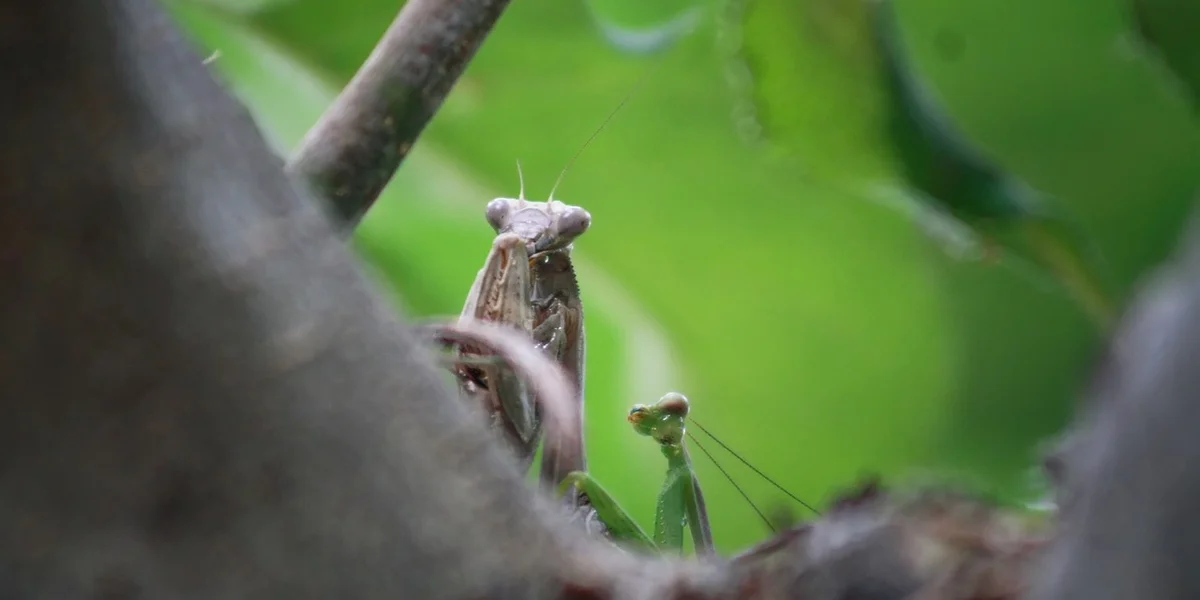
Layering your garden with natural materials creates a safe, inviting space for mantises to thrive. Mulch and leaf litter offer perfect hiding spots, mimicking the forest floor where mantises feel secure and hidden from birds or other threats. We often watch our Ghost Mantis, Luna, vanish into a pile of oak leaves, her delicate frills blending seamlessly with the textured surroundings.
Tall grasses and shrubs act as both perches and hunting grounds, giving mantises a elevated view of their territory. Our Giant Asian Mantis, Moss, adores weaving through clumps of feathery grass, using the stems as launching pads for quick strikes. These elements not only provide cover but also attract smaller insects, turning your garden into a bustling buffet.
Sheltering Plants and Structures for Your Mantis Garden
- Native grasses like fescue or pampas grass for sturdy, swaying perches.
- Dense shrubs such as boxwood or heather that create shaded retreats.
- Insect hotels crafted from hollow reeds or drilled wood blocks.
- Natural hideouts like stacked stones, bark piles, or fallen branches.
Simple Steps to Add Habitat Layers on a Budget
- Gather fallen leaves and grass clippings to spread as a free, organic mulch layer.
- Plant fast-growing annuals like sunflowers or cosmos for quick vertical coverage.
- Repurpose old jars or containers as miniature shelters by placing them on their sides.
- Arrange pruned twigs and stems in loose bundles to form climbing structures.
Step-by-Step Guide to Setting Up Your Mantis Garden
- Plan your garden layout with warm sunny spots and thoughtful plant placement. Position taller plants at the back and lower ones up front so you can easily spot your mantis whilst they explore.
- Select and plant a mix of flowers, grasses, and shrubs to encourage a rich insect population. We love combining lavender, yarrow, and ornamental grasses to draw in diverse prey like flies and moths.
- Add organic mulch and shallow water dishes with pebbles to support hydration and microhabitats. A small dish filled with stones and fresh water prevents drowning and offers a vital drink for visiting insects.
- Avoid pesticides and embrace organic methods to maintain a toxin-free environment. Companion planting with marigolds or using diluted vinegar sprays keeps pests at bay without harming your mantis.
Seasonal Care to Keep Your Garden Mantis-Ready Year-Round
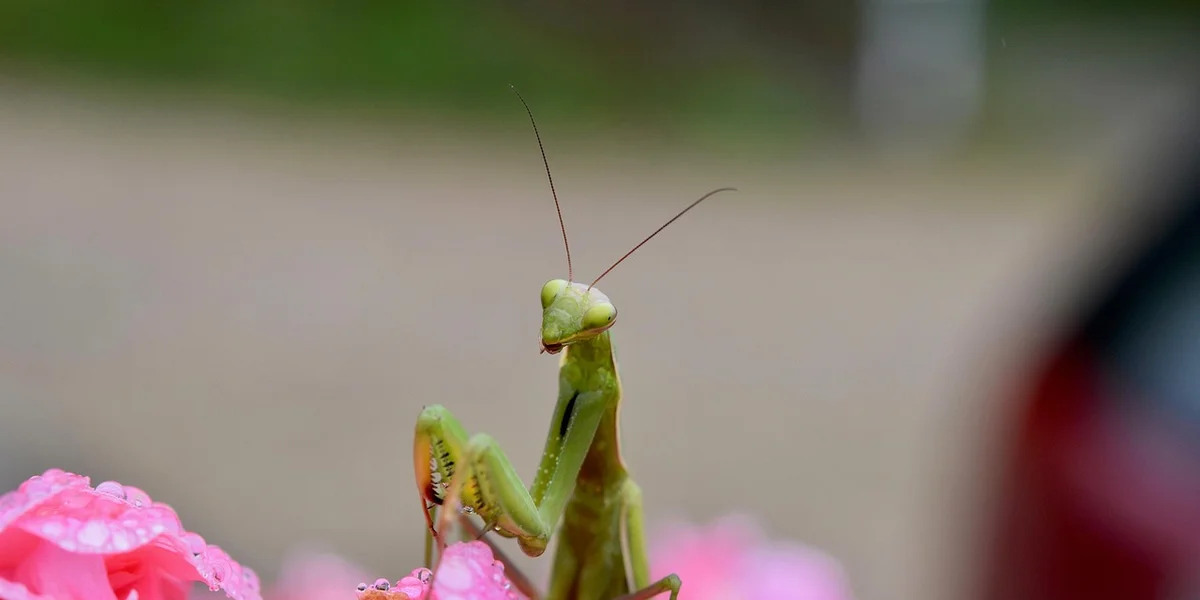
As the seasons shift, your garden transforms, and your praying mantis relies on these natural cycles for food and shelter. Praying mantises are typically most active on warm days, especially in late spring and summer, when they hunt in daylight. In temperate areas, activity slows as cooler fall and winter arrive. We find that a little foresight in each season makes the garden a reliable home, buzzing with life even during quieter months.
Spring Awakening
Spring breathes new life into the garden, with tender shoots and the first insects emerging. This is the perfect time to plant nectar-rich flowers like marigolds or lavender, which draw in early pollinators and pest prey.
Prey availability surges as aphids and small flies hatch, providing a feast for young mantises. You will notice more movement in the foliage, a soft hum that signals the start of the hunting season.
- March: Prune any dead branches to open up space for mantis perches.
- April: Sow quick-growing herbs like dill or fennel to attract caterpillars and other soft-bodied insects.
- May: Set up shallow water dishes for hydration, refilling them after rain showers.
Summer Vigilance
Summer brings warmth and abundance, with gardens teeming with grasshoppers, moths, and beetles. Regular misting in the early morning keeps plants hydrated and creates tiny droplets for mantises to drink from.
Prey is plentiful now, but intense heat can stress both plants and insects. We often see our mantis, Moss, seeking shade under broad leaves during the hottest part of the day.
- June: Check for overgrown areas and trim back vigorously spreading plants to maintain open hunting grounds.
- July: Add companion plants like yarrow or cosmos to support a diverse insect population.
- August: Monitor for signs of dehydration in mantises, such as sluggish movement or dull coloration.
Autumn Preparation
Autumn is a time of winding down, with cooler temperatures and fewer active insects. Leaving leaf litter and spent plant stems provides cozy hiding spots for overwintering prey and mantis egg cases.
Prey becomes scarcer as many insects die off or enter dormancy. This seasonal quiet reminds us to slow down and prepare for the colder months ahead.
- September: Gently rake fallen leaves around the base of shrubs to create insulated microhabitats.
- October: Reduce pruning to allow natural debris to accumulate, offering shelter from wind and rain.
- November: Consider relocating outdoor mantises indoors if temperatures drop sharply, especially for tropical species.
Introducing Mantises to the Garden Safely and Successfully
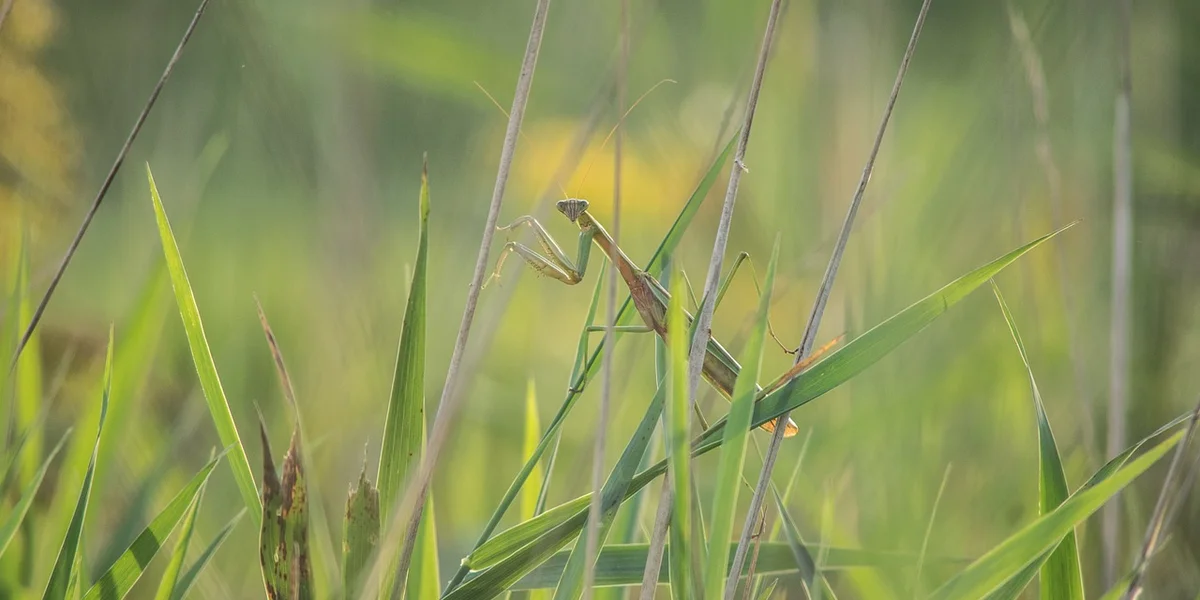
Bringing a mantis into your garden is a gentle process that starts with choosing the right species. We always match the mantis’s natural habits to your garden’s environment for a smooth transition.
Select species known for their adaptability and calm demeanor. Ghost Mantises blend into foliage with their leaf-like appearance, while Giant Asian Mantises are hardy explorers.
- Ghost Mantis: Delicate and slow-moving, ideal for sheltered gardens with plenty of hiding spots.
- Giant Asian Mantis: Energetic and curious, thrives in diverse plantings where it can hunt actively.
- European Mantis: Robust and widespread, suited for most temperate climates with minimal fuss.
Steps for a Stress-Free Release
Acclimating your mantis to the outdoors prevents shock and encourages natural behavior. Start by placing the enclosure in a shaded garden spot for a few hours each day, gradually increasing exposure. For a bioactive enclosure, add safe, pesticide-free plants and microfauna to mimic a natural habitat. This setup provides ongoing enrichment for your praying mantis and supports its health.
- Choose a calm, overcast day to avoid extreme sun or wind that might startle the mantis.
- Open the container near a sturdy plant stem, allowing the mantis to climb out at its own pace.
- Observe from a distance for the first hour, watching for signs of exploration like antennae twitching or slow climbing.
- Return daily to check on adaptation, offering a hand-fed insect if prey seems scarce initially.
Monitoring helps you ensure the mantis finds food and shelter without interference. Our Ghost Mantis, Luna, took to the garden within days, her muted colors blending seamlessly with the autumn leaves.
Observing and Enjoying Mantis Life in Your Garden
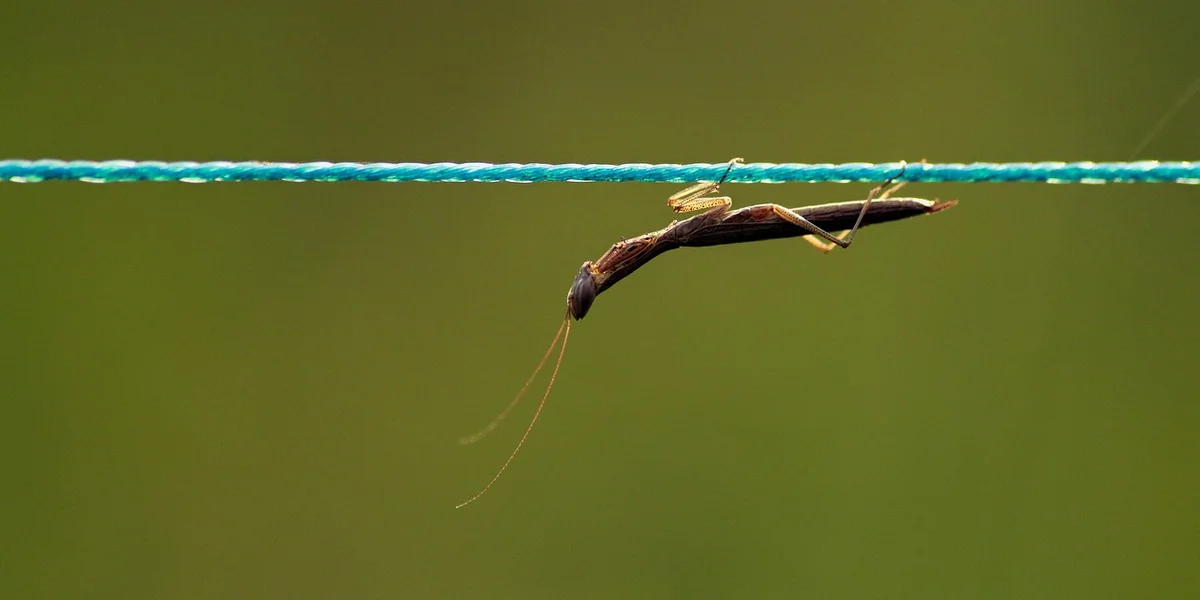
Watching mantises in your garden feels like uncovering a hidden world of quiet drama and grace. We find that sitting still for just ten minutes near their favourite plants often reveals their secret routines, from patient stalking to sudden, precise strikes. Bring a small notebook to jot down behaviours you spot, like how they clean their forelegs after a meal or sway gently in the breeze to mimic leaves.
Look for signs that your garden is thriving with mantis activity. Spotting an egg case, or ootheca, tucked under a leaf or on a sturdy stem is a sure sign that mantises feel at home and are breeding successfully. You might also notice fewer pest insects around, as mantises work silently to keep the balance.
- Egg cases: These are tan, foamy masses attached to twigs or fences, indicating future generations.
- Hunting success: Watch for mantises clutching prey like aphids or flies, showing they’re well-fed and active.
- Molting skins: Finding delicate, shed exoskeletons means your mantises are growing healthily.
- Perching spots: Mantises often choose sunny, elevated positions to survey their territory.
Observing these details in the wild can deepen your pet care skills. Noticing how wild mantises choose perches or handle prey helps us recreate more natural, enriching environments in our home enclosures. For instance, seeing Luna, my Ghost Mantis, tilt her head before striking taught me to provide varied climbing surfaces for better hunting practice.
Try these interactive tips to make garden watching more engaging. Set up a comfortable seating area with a clear view of mantis hotspots, and use a magnifying glass or camera to study their intricate movements up close. You can even mimic their environment by gently misting plants to see how they react to humidity changes, just like in their natural habitat.
Incorporate garden decor that serves as natural mantis perches. Using materials like untreated wooden branches, rough stones, or tall grasses not only beautifies your space but gives mantises perfect lookout points for hunting and resting. We often weave in lavender stems or rosemary bushes, which Sprig, my Orchid Mantis, adores for their scent and texture. Are these the best enrichment items for a praying mantis habitat? They can be, since natural perches and live plants provide climbing variety, camouflage, and hunting opportunities.
Questions from Fellow Mantis Friends
Is a praying mantis garden dangerous for my pet or other wildlife?
Praying mantis gardens pose minimal risk when managed properly, but always supervise your pet to avoid potential predator attacks. Avoid using chemical pesticides that could harm your mantis or contaminate their food sources. Are pesticides bug sprays harmful to praying mantises? Many chemical sprays can harm mantises directly or through their prey, so avoid them.
Are praying mantises friends or foes in the garden ecosystem?
Praying mantises are valuable allies that help control pest populations like aphids and caterpillars. They generally coexist peacefully with other beneficial insects, making them a friend to your garden’s health. Learn more about their beneficial role.
What size should my praying mantis garden be to support a healthy habitat?
Even a compact space, such as a container garden or small raised bed, can effectively attract and sustain mantises. Focus on vertical layering and plant density rather than sheer area to provide ample hunting and hiding spots. Plants themselves form a safe, beneficial enclosure for a praying mantis, offering shelter and hunting habitat. Choose non-toxic, sturdy plants to keep the enclosure resilient and mantises thriving.
A Final Word on Your Mantis Haven
By choosing native plants for shelter and food, and avoiding all pesticides, you build a sanctuary that naturally draws in your mantis and its prey. This living landscape becomes a self-sustaining source of enrichment, turning your garden into a daily source of fascination.
Observing your mantis interact with this mini-ecosystem is one of the most rewarding parts of their care, offering endless learning opportunities about their wild instincts. We encourage you to keep a gentle watch, learn from their behaviour, and always strive to provide the most thoughtful environment for your remarkable pet. For beginners and seasoned keepers alike, our praying mantis handling guide offers practical, humane handling steps and safety tips. Consult it to understand when handling is appropriate and how to minimize stress for your mantis.
Further Reading & Sources
- Praying Mantis; Garden Ally or Deadly Assassin? – gardenstead
- Garden Dilemmas, Delights & Discoveries, Ask Mary Stone Praying Mantises Beneficial or Bad – Garden Dilemmas, Delights & Discoveries, Ask Mary Stone
- General | Praying mantis for controlling pest in the vegetable garden
- The Praying Mantises in My Flower Garden – The Martha Stewart Blog
Rowan Hale is a lifelong insect enthusiast who fell in love with mantises for their calm presence, alien elegance, and surprising personalities. After years of keeping and raising a variety of species, Rowan shares practical tips, creative insights, and real-world experience to help others enjoy the quiet magic of mantis care. From setting up the perfect enclosure to understanding their subtle behaviors, Rowan invites readers into a gentle, curious world where every tiny movement feels like a discovery.
Habitat Products