
Your First Pet Mantis: A Gentle Week-by-Week Care Guide
Published on: December 6, 2025 | Last Updated: December 6, 2025
Written By: Rowan Hale
Hello mantis friend. Have you ever sat quietly and watched something truly still? There’s a calm, patient magic in the way a mantis holds the world at the tip of its spiny forearms. Welcoming one into your home is an invitation to that quiet wonder.
This guide walks you through your first month with a pet mantis, step by gentle step, from setup to settling in. We’ll move slowly, because these creatures teach us the value of pace. I’ll share what I’ve learned from my own mantises-like Luna, my ghost mantis, who watches the world with a quiet, tilting curiosity-so you can start with confidence.
Caring for a mantis is simple, but the details matter. Their needs shift subtly each week as they adjust and grow. Here’s what we’ll cover together in your first few weeks:
- The essential items to have ready before your mantis arrives.
- How to help your new friend feel safe and secure in its first days.
- A reliable feeding and misting schedule that builds trust.
- Recognizing the signs of a happy, healthy mantis.
Choosing Your First Mantis: A Calm Start
Selecting a Beginner-Friendly Species
Your journey begins with a quiet choice, picking a mantis known for a gentle nature and straightforward needs. We recommend starting with a species that forgives minor mistakes and shows a calm demeanor, making your first weeks together smooth and observant. Here are four wonderful options, each with its own charm. For beginners, choosing the right mantis species is the first step to an easy, rewarding start. We’ll help you pick the best match for your setup.
- Ghost Mantis (Phyllocrania paradoxa): Small, reaching about 2 inches, with leaf-like frills and a misty brown or green color. They are slow-moving, rarely aggressive, and thrive at room humidity. My Ghost Mantis, Luna, spends her days perched like a delicate dried leaf, watching the world with a thoughtful tilt of her head.
- Giant Asian Mantis (Hierodula membranacea): A larger, robust species, with females growing to 3-4 inches of vibrant green. They are hardy, enthusiastic feeders, and adapt well to various setups. Moss, my adult male, is a vivid emerald explorer, always first to investigate a new twig or droplet of water.
- European Mantis (Mantis religiosa): A classic, slender mantis around 2-3 inches, often in shades of green or brown. They are widespread, easy to care for, and display fascinating hunting behaviors. Their calm presence makes them a reliable first friend.
- Chinese Mantis (Tenodera sinensis): Another large, hardy choice, growing up to 4 inches with long, graceful limbs. They are patient hunters and tolerate a range of conditions, perfect for learning the rhythms of mantis care.
Each species offers a window into a different aspect of mantis life, from the Ghost’s cryptic stillness to the Giant Asian’s curious energy.
Finding a Healthy Mantis and Safe Quarantine
Once you’ve chosen a species, finding a healthy individual is your next peaceful step. Sourcing your mantis from a dedicated breeder, rather than the wild, gives you a clearer history and a healthier start for your new pet. Look for online forums or specialized invertebrate breeders with positive reviews. When you receive your mantis nymph, a quick health check sets your mind at ease. A healthy nymph is alert, with a plump abdomen, clear eyes, and all six legs moving freely. Avoid any that appear lethargic, have a shriveled body, or show visible damage.
Before introducing them to a permanent home, a brief quarantine in a spare container prevents any unseen issues from spreading. This simple process is a quiet act of care, ensuring your mantis settles without stress. This is the first step in a careful, step-by-step quarantine protocol for new mantises. By following the protocol, you help ensure a calm, healthy transition. Follow these steps for a smooth transition.
- Prepare a temporary home, like a clean large mason jar with a mesh lid for air.
- Add a paper towel on the bottom and a single small twig for climbing.
- Keep the jar in a warm, calm spot away from direct sun for two to three days.
- Observe your mantis closely during this time, offering a small food item like a fruit fly to gauge appetite.
- After this period, if all seems well, gently move your mantis to its prepared terrarium.
This short pause lets you both adjust, building confidence for the weeks ahead.
Week 1: Crafting a Peaceful Habitat
The Core Enclosure: Terrarium Basics
Think of the enclosure as a miniature greenhouse, a secure world where your mantis can grow and molt in peace. The right container balances safety, air flow, and enough room for natural behaviors like climbing and shedding skin. For most beginner species, a tall terrarium is best, as mantises love to climb and hang from the top. Here are the key features to focus on when choosing an enclosure for a specific praying mantis species.
- Size: A container at least three times the mantis’s length in height and twice in width works well. For a young nymph, a 32-ounce deli cup is a fine start; adults often thrive in a 12x12x18 inch terrarium.
- Ventilation: Cross-ventilation is crucial. Use a lid and sides made of fine mesh, like fiberglass, to allow fresh air to circulate without letting tiny food escapes.
- Security: The lid must seal firmly. Mantises are clever escape artists, and a secure closure prevents anxious searches around your home.
Setting this up first creates a stable foundation, a calm space where your mantis can immediately feel at home.
Balancing Climate: Warmth, Moisture, and Light
Inside the terrarium, you’ll craft a gentle microclimate that mimics a mantis’s natural environment. Getting the balance right means watching for the soft sheen of humidity on the glass and the comfortable warmth your mantis seeks for digestion and activity. Most species enjoy temperatures between 72°F and 82°F (22°C to 28°C). A small heat mat placed on one side of the enclosure creates a gradient, letting your mantis choose its perfect spot. For humidity, which aids in molting, aim for 50% to 70%. A light misting with warm water once a day, usually in the evening, often suffices. Use a simple spray bottle and aim for fine droplets on the decor, not directly on the mantis. Indirect natural light from a nearby window provides a gentle day-night cycle, but avoid placing the terrarium in direct sunlight, which can quickly overheat the space. Tools like a small digital thermometer and hygrometer help you monitor these conditions without guesswork, turning care into a quiet ritual.
Adding Comfort: Safe Decor and Climbing Spaces
Now, transform the empty terrarium into a inviting landscape with textures and paths for exploration. Decor isn’t just for looks; it provides essential climbing frames for molting and perches for hunting, turning the enclosure into a functional home. Always choose materials that are pesticide-free and easy to clean. Here are some gentle additions we find work beautifully.
- Bendy Vines or Twigs: These create a network of pathways. My mantis, Sprig, loves to navigate the delicate pink artificial vines in her setup, using them as highways to her favorite lookout points.
- Cork Bark Flats or Tubes: Natural cork offers rough texture for gripping and secluded spots for resting, adding an earthy scent to the habitat.
- Artificial Leaves or Silks: Soft, fabric leaves provide extra cover and landing pads, reducing the risk of falls, especially for younger nymphs.
- Secure Mesh or Lace: Attached to the ceiling or sides, this gives a perfect hanging surface for the critical molting process.
Arrange these elements to maximize vertical space, ensuring your mantis can climb safely from floor to ceiling. The goal is a calm, enriched environment where your mantis can behave naturally, feeling secure enough to reveal its unique personality.
Week 2: The Gentle Introduction
Acclimating Your New Mantis
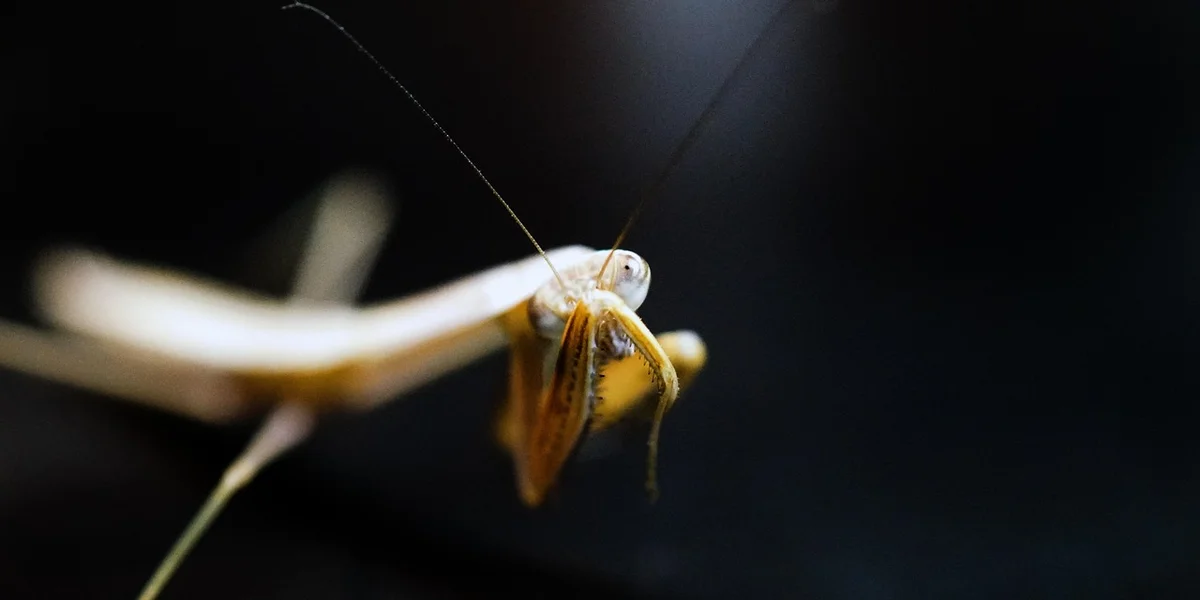
The first few days in a new space can feel overwhelming for your tiny green guest. Think of this week as a quiet housewarming, where your main job is to provide a calm, secure transition from travel container to forever home. I remember gently coaxing my Ghost Mantis, Luna, from her shipping vial; she perched on my finger, her misty brown frills trembling slightly before she stepped onto a fresh oak leaf. That moment of trust set the tone for her entire stay.
Follow this simple three-step process to move your mantis with care and confidence.
-
First, prepare the enclosure in advance so everything is ready for immediate occupancy. Mist the sides lightly for humidity, arrange any branches or fake plants for climbing, and ensure the lid fits securely. A settled environment means less fuss during the move.
-
Next, encourage your mantis to walk onto a soft tool or your hand rather than grabbing or pouring it out. Open the travel container near the enclosure entrance and use a gentle paintbrush or your fingertip to let the mantis step across voluntarily. This reduces startle reactions and keeps those delicate legs safe.
-
Once inside, immediately secure the habitat and resist the urge to hover or adjust decorations. Close the lid firmly, dim any bright lights in the room, and simply let the mantis explore its new territory without interruption for at least twenty-four hours. Use this moment to begin creating a naturalistic, safe habitat for your praying mantis. Keep the décor simple and plant-like to mirror its native environment.
After the transfer, honour a full day of quiet adjustment. This stillness allows your mantis to map out perches, find hiding spots, and begin feeling at home in its own time. Skip feeding on moving day to avoid added stress, and simply observe from a respectful distance whilst it settles in.
First Meals and Observation
After that peaceful adjustment period, your mantis will likely be ready for its inaugural hunt. Offering the right first meal builds confidence for both keeper and insect, turning a nervous moment into a fascinating natural display. Start with small, manageable prey like pinhead crickets or flightless fruit flies, which are easy for young mantises to catch and digest. In a praying mantis feeding schedule, you’ll see how different species vary in prey size and feeding frequency. Use that guidance to tailor feeding to each species and life stage.
Presenting food carefully makes all the difference. Use clean tweezers to dangle a live insect near your mantis’s front legs, or gently release a couple of prey items into the enclosure if your mantis seems alert and curious. For portion size, one or two appropriately sized feeders every two to three days is perfect for most nymphs-overfeeding can cause more harm than hunger.
Watch closely for those first hunting behaviours. Normal behaviour includes a slow, almost thoughtful tilt of the head, a subtle swaying as it gauges distance, and a lightning-fast grab with its raptorial forearms. My Giant Asian Mantis, Moss, would often pause like a green statue before striking, his emerald body poised with focused energy. If your mantis ignores the prey, simply remove the leftovers after an hour to keep the space clean and try again tomorrow.
Establishing a Daily Check Routine
Consistency is your best tool for spotting happiness or hiccups early. A quick, gentle daily check takes less than a minute but builds a deep familiarity with your mantis’s normal rhythms and needs. Think of it as a quiet morning hello rather than a full inspection.
Each day, glance for these four key signs:
-
Mantis Posture: A healthy mantis typically sits upright or alertly clings to a branch; a slumped or consistently low posture can signal dehydration or stress.
-
Enclosure Condensation: Look for fine water droplets on the glass or mesh after misting-this tells you humidity is right, but pooling water means you should reduce spraying.
-
Leftover Prey: Remove any uneaten live insects to prevent them from bothering your mantis, and clear out dead prey to keep the habitat hygienic.
-
General Activity Level: Note if your mantis is calmly observing, grooming its antennae, or shifting positions; drastic changes in movement often whisper the first clues about health or moulting cycles.
These small observations become second nature quickly. Keeping a simple mental log helps you celebrate normal behaviours and spot subtle shifts that might need a gentle intervention, like adjusting humidity or offering a drink.
Week 3: Settling into a Rhythm
Fine-Tuning the Feeding Schedule
Your Personalised Feeding Chart
Now that your mantis is more settled, we can move from guessing to a structured routine. A reliable feeding schedule mirrors the natural hunt-and-rest cycles your mantis expects, promoting better health and reducing keeper anxiety.
Forget calendar age for a moment-focus on size, as growth rates vary wildly between species. Here’s a straightforward guide to match prey to your mantis’s current stage.
| Mantis Size | Best Prey Options | How Often to Feed |
|---|---|---|
| Tiny nymphs (L1-L3) | Flightless fruit flies (Drosophila) | Offer 2-3 flies every other day |
| Medium nymphs (L4-L6) | Small crickets, houseflies, or baby dubia roaches | 1-2 prey items every 3 days |
| Subadults & Adults | Blue bottle flies, medium crickets, or adult dubia roaches | One satisfying meal every 4 to 5 days |
Prey variety prevents boredom and nutritional gaps. My orchid mantis, Sprig, thrives on a mix of flies and the occasional moth, her pink petals quivering with excitement at new textures.
Signs of a good appetite are unmistakable. Watch for sharp, focused movements, antennae twitching toward the prey, and a swift, accurate strike. A well-fed mantis will clean its forearms meticulously after eating. To tell if your mantis is hungry, look for increased stalking and pursuit of prey. After a meal, a well-fed mantis will often rest and be less eager to hunt right away.
Mastering Humidity with Misting
The Gentle Art of the Spray Bottle
Humidity is the silent partner in your mantis’s wellbeing, crucial for smooth molts and daily hydration. Think of misting not as a chore, but as crafting a miniature dawn inside the enclosure.
Aim to mimic natural dew cycles. For most common pet species, a light mist once daily in the early evening works perfectly. This lets droplets form for drinking through the night.
- Frequency: Tropical types like Orchid Mantises need daily misting; drier-climate Ghost Mantises prefer every other day.
- Technique: Use a fine-mist bottle. Spray the enclosure walls and décor, never directly onto your mantis.
- Volume: Two or three short bursts are enough. You want fine beads on leaves, not puddles on the floor.
My ghost mantis, Luna, often shuffles to a beaded leaf for a drink, a quiet ritual that highlights the importance of fresh water. Always use room-temperature, dechlorinated water to avoid chilling your mantis or introducing chemicals.
Trust your senses here. The air should feel moist and smell like a forest floor after rain. If things feel damp for hours, cut back. Over-misting invites mould, whilst under-misting risks a difficult molt.
Week 4: Supporting Growth and Change
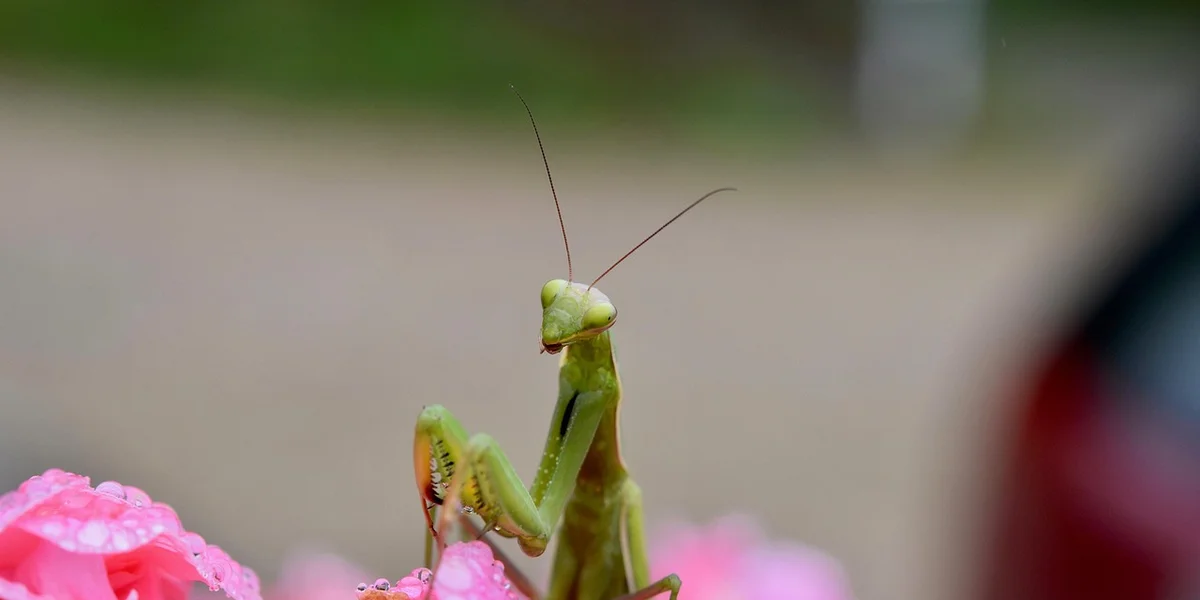
By week four, you’ve settled into a lovely routine with your mantis. Then, you might notice something strange. Your once-active hunter is now sitting utterly still, refusing food, and seems almost… puffy. Don’t worry. This isn’t illness. It’s the profound and delicate process of molting, where your mantis literally steps out of its old skin to grow. Recognizing this phase is one of the most important skills a new keeper can learn, as it requires a shift from active care to quiet guardianship.
Recognizing and Supporting the Molt
The signs of an impending molt, or ecdysis, are subtle but clear once you know them. Your mantis may become lethargic, clinging to the top of the enclosure for days. Its abdomen can appear swollen and taut, and it will stop hunting entirely—a fast from food that ensures its old skin splits cleanly. My ghost mantis, Luna, adopts a statuesque pose, her leaf-like frills seeming fuller, as she gathers the energy for her transformation. These are classic signs that your mantis is about to molt, and recognizing them helps you prepare. During this time, avoid disturbance and maintain steady humidity to support a successful molt.
- Increase Humidity Gently: In the 24-48 hours before the molt, lightly mist the enclosure once or twice daily. This raises the humidity, making the old exoskeleton more pliable and easier to split. Think of it as creating a soft, humid pocket of air for them to emerge into.
- Ensure a Quiet, Secure Space: Do not move or handle your mantis. Disturbance can cause a fall during this vulnerable time, leading to fatal deformities. Make sure they have a secure, textured grip point high up, like a piece of mesh or a sturdy twig, from which to hang upside-down.
- Withhold Food Absolutely: Do not offer any live prey. A cricket or fly buzzing around can startle a molting mantis with catastrophic results. The mantis’s body is preparing, and it has no interest in eating until the process is completely finished.
When the moment arrives, it is a quiet miracle. The old skin splits along the back, and your mantis slowly, painstakingly, extracts itself-legs, antennae, and all-leaving behind a perfect, ghostly replica. Your role is simply to watch, ensure peace, and trust in a process millions of years old.
Post-Molt Care and Recovery
The new skin your mantis reveals is soft, pale, and incredibly vulnerable. This is the teneral stage, a period of quiet recovery that demands patience. The vivid colours will return in a few hours, but the exoskeleton takes much longer to harden into protective armour.
Wait at least 24 to 48 hours before offering food. Their new jaws are soft and cannot effectively bite or hold struggling prey. Attempting to eat too soon can injure them. When you do offer the first meal, make it small and gentle-a fruit fly or a freshly shed, soft-bodied mealworm is perfect.
Always check for a successful molt. Look for the discarded exoskeleton, called the exuvia, usually clinging below their perch. A clean shed means all the old skin came off, especially from the delicate tips of the raptorial arms and the antennae. Gently remove the old skin after a day to keep the enclosure tidy.
Most crucially, ensure your mantis can dry and harden properly. Maintain good ventilation to prevent stagnant, overly wet air from causing fungal issues. Resist the urge to handle them for at least three to four days. My Giant Asian mantis, Moss, after his final molt to adulthood, spent two full days as a brilliant but fragile emerald statue, slowly gaining strength and his characteristic curious energy. This quiet week of observation and restraint builds the foundation for a strong, healthy adult mantis ready for its next chapter.
Ongoing Care: Beyond the First Month
With the first few weeks under your belt, you and your mantis have settled into a lovely rhythm. This is where care becomes less about frantic learning and more about the gentle, consistent stewardship that defines a happy, long-lived mantis. Think of it as tending a quiet, miniature garden; regular, small attentions keep everything flourishing.
Habitat Maintenance and Cleaning
A clean home is a healthy home, but we don’t need to disrupt our mantis’s world with constant deep cleans. A simple, staggered approach prevents stress for your pet and makes upkeep manageable for you. The goal is to remove hazards like mold or bacteria without dismantling the familiar landscape your mantis relies on.
Your Simple, Staggered Cleaning Schedule
We follow a two-tier system: daily spot checks and a monthly refresh.
- Daily/Every Other Day (The Spot Check): With a pair of long tweezers, gently remove any uneaten prey items or obvious frass (droppings). This quick task takes seconds and prevents decay that can attract pests or foster fungus. My Ghost Mantis, Luna, would watch this process with calm interest, her head tilting as I tidied around her.
- Monthly (The Deep Clean): Once a month, prepare a temporary holding container-a clean, ventilated jar with a soft cloth or paper towel at the bottom is perfect. Gently encourage your mantis onto a stick and transfer them there.
Empty the entire enclosure. Wash decor like sticks and fake plants with warm water. For the tank itself, a 50/50 solution of white vinegar and water is our go-to; it’s a natural, pet-safe disinfectant that cuts through residue without harsh chemicals. Rinse everything thoroughly with fresh water until no scent remains, then let it all air-dry completely. The humid, earthy scent of a freshly misted, clean enclosure is one of the small joys of keeping mantises.
Reassemble the habitat, remist, and welcome your mantis back to their sparkling domain. They’ll often spend the next hour meticulously exploring every fresh surface.
Long-Term Health and Lifespan
Understanding your mantis’s natural timeline helps you appreciate each stage and provide the right care as they mature. Lifespan varies wonderfully by species, from fleeting marvels to patient companions that stay with you for nearly a year.
- Ghost Mantis: Often live 8 to 12 months total, with adults enjoying several months of stately presence.
- Giant Asian Mantis: A robust species, they can live 10 to 14 months, with females typically outlasting males.
- Orchid Mantis: These living flowers are somewhat fleeting, with a total lifespan commonly around 6 to 8 months.
As your mantis reaches adulthood after its final molt, care shifts subtly. The focus moves from supporting rapid growth to maintaining superb, stable conditions for their mature life. Feeding frequency can often decrease slightly for adults, who are less metabolically frantic than growing nymphs. Continue offering appropriate-sized prey, but watch their abdomen; a slightly rounded shape is healthy, but a ballooned, overstuffed look means you can skip the next meal.
The most vital tool for long-term health remains your own quiet observation. Spend a few minutes each day simply watching your mantis’s posture, appetite, and movement-it’s the best way to catch early signs that something is amiss. A mantis hanging listlessly low in the enclosure, refusing food for prolonged periods, or having difficulty gripping are signs to gently troubleshoot humidity, temperature, or potential old age.
With consistent care, you’ll be rewarded with the unique privilege of witnessing their entire natural life cycle, from nimble nymph to majestic adult. It is a quiet, profound partnership built on small, daily attentions.
Navigating Common Hurdles

Every new mantis keeper will face a small challenge or two—it’s a normal part of the journey. The key is to observe calmly, adjust gently, and trust that most issues have simple, effective solutions. Being mindful of common setup mistakes—like overcrowding, improper humidity, or poor enclosure placement—can help you avoid them when you set up your first mantis habitat. This practical approach makes the early days smoother and your mantis happier.
Troubleshooting Feeding Issues
Watching your mantis ignore a wiggling feeder can stir up worry. Before you fret, take a breath and run through this gentle checklist.
A refusal to eat is rarely an emergency; it’s usually your mantis communicating a specific need. The most common reasons are straightforward and temporary.
Why Isn’t My Mantis Eating?
Here is a simple checklist to diagnose and address feeding reluctance.
- Pre-Molt Preparation: This is the number one cause. A mantis will stop eating 1-5 days before shedding its skin. Signs include lethargy, hanging upside down more, and a plump, dull-looking abdomen. Do not offer food during this time.
- Prey Size or Type: The feeder might be too large, intimidating your mantis, or too small, not triggering its hunting instinct. Try a different size or species, like switching from crickets to flightless fruit flies.
- Recent Feeding: A mantis with a nicely rounded abdomen is simply full. They can go several days between meals easily. Overfeeding is more dangerous than underfeeding.
- Environmental Stress: Check if the enclosure is too cold, too dry, or in a high-traffic area. A stressed mantis will not feel safe enough to hunt.
- Natural Lifecycle: An elderly adult male, having fulfilled his purpose, may naturally lose interest in food. This is a peaceful part of his cycle.
My ghost mantis, Luna, will often fast for days before a molt, perched utterly still like a tiny, brown leaf. Patience and observation are your greatest tools during these quiet periods.
Stabilizing Your Enclosure Environment
Think of the enclosure as a tiny, self-contained biome. Our job is to keep its climate steady, mimicking the gentle consistency of a forest floor or a sun-dappled meadow.
A stable environment prevents more problems than any medicine ever could. Let’s look at two frequent fluctuations and how to softly correct them.
Addressing Low Humidity
Signs include difficulty molting, wrinkled wing buds in nymphs, or a mantis drinking excessively from droplets. Here’s how to boost moisture gently.
- Increase Misting Frequency: Add one or two extra, light misting sessions per day, always using lukewarm, dechlorinated water. Target the sides and foliage, not the mantis directly.
- Create a Humidity Hide: Drape a slightly damp piece of sphagnum moss or a moist paper towel over one corner of the enclosure. This creates a localized, humid microclimate your mantis can choose to use.
- Adjust Ventilation: If your lid is mostly mesh, temporarily cover a small section with cling film or acrylic to reduce airflow and retain moisture. Always ensure some cross-ventilation remains.
- Add Live Plants: Pothos or sphagnum moss in the substrate naturally release moisture through transpiration, acting as a living humidifier.
Correcting Temperature Drops
Mantises become sluggish and may refuse food if too cold. A sudden chill can be dangerous. Use these safe methods to warm the space.
- Relocate the Enclosure: Move it away from drafty windows, doors, or air conditioning vents. An interior wall of a living room is often the most stable spot.
- Use a Heat Mat: Always attach the mat to the side of the enclosure, never underneath. Under-tank heating can dehydrate and fatally overheat a mantis. Use a thermostat to control the mat and prevent overheating.
- Elevate Ambient Room Temperature: If the whole room is cool, a small space heater set on low at a safe distance can gently raise the background temperature.
- Provide a Warm Water Bottle: In a pinch, a bottle filled with warm water placed *near* (not touching) the outside of the enclosure can provide temporary, gentle warmth.
Remember Moss, my energetic Giant Asian? He thrives when his home feels like a warm, humid summer morning. Consistency is the invisible keeper that ensures your mantis feels secure and healthy in its own little world.
Questions from Fellow Mantis Friends
What common mantis care mistakes do experienced keepers highlight on forums like Reddit?
Experienced keepers frequently note that using wild-caught insects as feeders can expose your mantis to harmful pesticides or parasites. They also caution against overhandling, especially near molt times, to avoid stressing or injuring your delicate pet. Pesticides and bug sprays are harmful to praying mantises, so it’s important to ensure your feeders are safe.
How do I care for a baby mantis nymph during the colder winter months?
Maintain stable temperatures with a side-mounted heat mat regulated by a thermostat to prevent chilling. Slightly reduce misting frequency to avoid creating a cold, soggy environment that could compromise your nymph’s health.
What is the most critical element often missed in a beginner’s praying mantis enclosure setup?
Many setups lack a designated hydration method, such as a water gel cup or a lightly damp sponge, ensuring your mantis can drink safely. Always verify that all decor and substrates are pesticide-free to prevent accidental toxin ingestion.
Your Quiet Adventure Together
Your first month with a mantis revolves around consistent, gentle routines-a properly sized enclosure with stable humidity and temperature, paired with appropriate, live food offered every few days. Success lies in quiet observation, learning to spot the pre-molt stillness or the precise way your mantis accepts a cricket, which tells you more than any guide ever could.
We become better keepers by respecting their nature, ensuring their world is safe and enriching from that first week onward. Let your curiosity grow with your mantis, seeking out new insights and connecting with fellow enthusiasts, because the most rewarding care is always a shared learning experience.
Further Reading & Sources
- How to Care for a Praying Mantis : 4 Steps – Instructables
- General Mantis Care – Praying mantis care sheet and feeding
- r/mantids on Reddit: Advice on caring for mantises
- Mantis Care Sheet | Mantid Forum – Mantis Pet & Breeding Forum
Rowan Hale is a lifelong insect enthusiast who fell in love with mantises for their calm presence, alien elegance, and surprising personalities. After years of keeping and raising a variety of species, Rowan shares practical tips, creative insights, and real-world experience to help others enjoy the quiet magic of mantis care. From setting up the perfect enclosure to understanding their subtle behaviors, Rowan invites readers into a gentle, curious world where every tiny movement feels like a discovery.
First-Time Mantis Owners