
Orchid Mantis Lifespan and Care Duration
Published on: March 14, 2026 | Last Updated: March 14, 2026
Written By: Rowan Hale
Hello fellow mantis friend, have you ever seen a creature that looks less like an insect and more like a living flower? The orchid mantis is exactly that-a delicate, petal-like predator that seems to have bloomed straight from a daydream.
The typical orchid mantis lifespan ranges from 6 to 12 months, with females generally living longer than males. This relatively short but vibrant life means your care for them is a focused, deeply rewarding commitment.
That simple number, however, tells only part of the story. An orchid mantis’s life is a journey through distinct stages, each with its own unique needs and timelines. To help you prepare, here are the key takeaways:
- Females often live 10-12 months, while males typically live 6-8 months.
- Their life is divided into a rapid nymph stage and a longer adult stage.
- The total duration of your care commitment directly mirrors their full lifespan.
Understanding the Orchid Mantis Life Cycle
- Egg stage (ootheca) duration and incubation conditions.
- Nymph stage duration, molting frequency, and growth milestones.
- Juvenile to adult transition, including signs of maturity.
Egg Stage: The Beginning of Life
The egg stage starts when a female lays an ootheca, a foam-like case that protects her eggs. This ootheca incubates for about 4 to 6 weeks in warm, humid conditions, ideally at 25-30°C with 60-80% humidity. We gently mist the area around it every few days to keep the moisture consistent without making it soggy.
During incubation, the eggs develop safely inside their sturdy shell. We learned from hatching Sprig’s ootheca that a stable environment prevents mould and ensures healthy nymphs emerge. Place the ootheca in a ventilated container away from direct sunlight for the best results.
Nymph Stage: Growth and Development
Once hatched, tiny nymphs begin their journey, molting several times to grow. Nymphs typically undergo 6 to 8 molts over 2 to 4 months, shedding their skin every 2 to 4 weeks as they get larger. Each molt, called an instar, brings visible changes in size and colour.
After each molt, nymphs are soft and vulnerable until their new exoskeleton hardens. We offer small, live prey like fruit flies right after molting to support their energy needs without stress. As they grow, we phase out fruit flies and transition nymphs to larger prey to match their evolving needs. This gradual transition supports stronger hunting skills. Our nymph Sprig showed brighter pink hues with every successful shed, a clear sign of healthy development.
- First instar: Nymphs are tiny and pale, feeding on minute insects.
- Middle instars: Colours intensify, and they handle larger prey like houseflies.
- Final instars: Wings start to form, and they near adulthood.
Adult Stage: Maturity and Longevity
Adulthood begins after the final molt, when wings are fully developed and colours are vibrant. Female Orchid Mantises often live 4 to 6 months as adults, while males may only reach 2 to 4 months due to their smaller size and higher activity levels. You’ll notice mature females have broader abdomens and are less mobile than males.
Adults display distinct behaviours like perching calmly or swaying to mimic flowers. We observed that providing a spacious enclosure with vertical branches allows adults to display their natural hunting poses comfortably. At this stage, they’re ready to mate if you choose to breed them.
Orchid Mantis Lifespan in the Wild vs. Captivity
- Wild lifespan factors: predators, climate, food scarcity.
- Captivity benefits: controlled diet, safe enclosure, consistent conditions.
In the wild, Orchid Mantises contend with harsh realities that cut their lives short. Birds, spiders, and other predators pose constant threats, while seasonal changes and limited food supplies can reduce their lifespan to just a few months. They must adapt to survive in dense rainforests where resources are unpredictable.
Captivity offers a sheltered haven that mirrors their natural needs without the dangers. We provide a steady supply of nutritious insects, a secure terrarium free from predators, and stable warmth and humidity that mimic their tropical home. This care allows them to focus on growth rather than survival.
How Captivity Extends Orchid Mantis Life Expectancy
By keeping Orchid Mantises in captivity, we create an environment where they can thrive beyond wild limits. Regular feeding with gut-loaded insects ensures they receive essential nutrients without the risk of starvation or poor diet. Our mantis Moss lived a full life in his enclosure, enjoying daily mistings and a variety of prey.
Safe enclosures prevent injuries and stress from external threats. We use fine mesh lids and soft substrates to reduce escape risks and provide climbing surfaces that support their delicate legs. Consistent temperatures and humidity levels help avoid illnesses linked to sudden climate shifts.
Routine care and observation let us address issues early, like dehydration or mismolts. We check our mantises daily for signs of health, adjusting their environment as needed to promote longevity and well-being. This attentive approach often doubles their lifespan compared to wild counterparts.
Factors That Influence Orchid Mantis Lifespan
- Enclosure setup: size, ventilation, and decor duration.
- Diet and feeding frequency throughout life stages.
- Temperature and humidity requirements over time.
- Molting success and health monitoring.
Your orchid mantis’s home plays a big role in how long they live. A spacious enclosure with good airflow and safe decor helps prevent stress and supports their natural behaviors. We like using tall containers with mesh lids to let air move freely while keeping humidity in check.
What you feed your mantis and how often changes as they grow. Young nymphs need tiny, frequent meals to fuel their rapid development and molting cycles. Offering a variety of prey ensures they get all the nutrients for a strong, healthy life. For a complete diet feeding guide on what mantises eat, see our detailed recommendations. It explains prey types, portion sizes, and how to adjust meals as your mantis matures.
Temperature and humidity needs shift from nymph to adult stages. Maintaining steady warmth and moisture levels mimics their tropical habitat and reduces health risks. A small drop in temperature at night can mimic natural cycles and promote rest.
Watching molting closely tells you a lot about their health. Successful molts depend on proper humidity and a stress-free environment, so we check for smooth skin sheds regularly. With Sprig, our orchid mantis, we saw how a calm space helped her emerge from each molt with brighter colors.
Diet and Hydration Impact on Longevity
Feeding the right foods at each stage boosts their chances for a longer life. Nymphs thrive on small insects like fruit flies, while adults handle larger prey such as crickets or moths. Variety in their diet prevents deficiencies and keeps them active.
Hydration is just as vital as food for their well-being. Daily misting with warm water provides drinking droplets and supports humidity for molting. We always use a fine spray to avoid startling them, much like a gentle rain in their native forests.
Environmental Conditions for a Healthy Lifespan
Keeping the enclosure at ideal conditions prevents common issues. Orchid mantises do best with temperatures around 75-85°F and humidity levels of 60-80%. A small hygrometer helps us monitor these levels without guesswork.
Good ventilation stops mold and keeps the air fresh. Combining mesh panels with live plants creates a balanced microclimate that feels like a humid, leafy canopy. This setup reduced respiratory risks for Moss, our giant Asian mantis, and can do the same for your orchid friend.
Care Duration and Routines by Life Stage
- Nymph care: daily misting, small prey, and molting support.
- Juvenile care: increased enclosure size, varied diet, and observation.
- Adult care: mating considerations, reduced activity, and end-of-life signs.
Each life stage demands unique attention to help your mantis thrive. Starting with nymphs, consistent routines build a foundation for health and longevity. We adjust care gradually as they mature, watching for subtle changes in behavior that can be crucial to understand how their behavior changes throughout their lifecycle.
Nymph Care: Foundation for a Long Life
Nymphs are delicate and need daily care to grow strong. Mist their enclosure each morning to provide water and maintain humidity for upcoming molts. Use a soft spray bottle to create fine droplets they can drink from easily.
Feed them small, live insects every couple of days. Tiny fruit flies or pinhead crickets are perfect for their small size and high energy needs. Remove uneaten prey to keep the enclosure clean and stress-free.
Support them during molting by ensuring a quiet environment. Avoid handling nymphs when they are preparing to shed, as disturbances can lead to failed molts. With Luna, our ghost mantis, we learned that a peaceful corner made her molts smooth and successful.
Adult Care: Sustaining Health in Later Life
Adult orchid mantises slow down and require less frequent feeding. Offer food every 4-7 days, focusing on nutritious options like flies or small roaches to maintain their weight. Watch for signs they are full, such as ignoring prey.
If you plan to breed, introduce mates carefully to avoid aggression. Always supervise mating sessions and separate the pair immediately after to prevent injury. We’ve found that females may become less active post-mating, so provide extra rest.
Monitor for end-of-life cues like reduced movement or appetite. Older mantises often perch quietly for longer periods, a natural part of their lifecycle. Recognizing these signs helps us manage end-of-life care for elderly mantises. Keeping their habitat comfortable helps them age with dignity, much like we did for Sprig in her final weeks.
Male vs. Female Orchid Mantis Lifespan Differences
Female orchid mantises generally enjoy a longer life, often spanning eight to twelve months, while males typically live for about four to six months. This disparity stems from the female’s role in reproduction, which demands more energy and resources over time.
- Female lifespan: typically longer, with reproductive considerations.
- Male lifespan: shorter, often related to mating behavior.
In females, the extended duration allows for multiple egg-laying cycles, which can be physically taxing but rewarding to observe. We’ve seen our own mantis, Sprig, transition from a shy juvenile to a confident adult, her pink-and-white hues deepening with each molt.
Males, by contrast, face a briefer existence due to the risks of mating and higher activity levels. Their shorter lives mean every moment of care counts, from proper feeding to a stress-free environment.
Caring for Female Orchid Mantises Through Their Life
Start by providing a spacious enclosure with plenty of vertical space for climbing and molting. Regular misting maintains the humidity they crave, mimicking the damp, floral-rich habitats they naturally inhabit.
As females grow, their appetite increases—offer live prey like fruit flies for nymphs and larger insects for adults. Watch for signs of readiness to lay oothecae (egg cases), and provide a sturdy branch or mesh for attachment. For nymphs, fruit flies are typically the best starter feeders due to their small size, while houseflies can support larger instars. Choosing between them depends on the nymph’s size and feeding needs.
- Juvenile stage: Feed daily with small, soft-bodied insects; maintain 70-80% humidity.
- Subadult to adult: Increase prey size; reduce handling to avoid stress during molts.
- Post-egg-laying: Offer extra hydration and nutrition to support recovery.
We’ve nurtured females like Sprig by keeping their enclosures clean and temperatures steady around 25-30°C. Gentle observation helps you spot changes in behavior, like reduced movement before a molt, signaling it’s time for extra care.
Supporting Male Orchid Mantises for Optimal Duration
Focus on a calm setting with minimal disturbances to reduce stress that shortens their lives. Males are more active and may benefit from smaller, escape-proof enclosures to prevent injury during their frequent explorations.
Feed them appropriately sized insects every two to three days, avoiding overhandling to conserve energy. If introducing a male for mating, do so cautiously and monitor for aggression to ensure a safe encounter.
- Set up a well-ventilated habitat with soft foliage for perching.
- Maintain consistent warmth and light cycles to mimic natural rhythms.
- Provide shallow water dishes or mist lightly for drinking without drowning risks.
In our care, males like Moss have thrived with routine and patience, their vibrant colors staying bright when stressors are low. By prioritizing their comfort, you can help them reach their full lifespan potential with fewer health issues.
Special Variants and Their Lifespan Considerations
Color variants in orchid mantises, such as white and red forms, share core care needs but may have subtle differences in longevity. Understanding these nuances ensures each variant receives tailored support for a healthy life.
- White orchid mantis: care similarities and unique needs.
- Red orchid mantis: duration factors and aesthetic care.
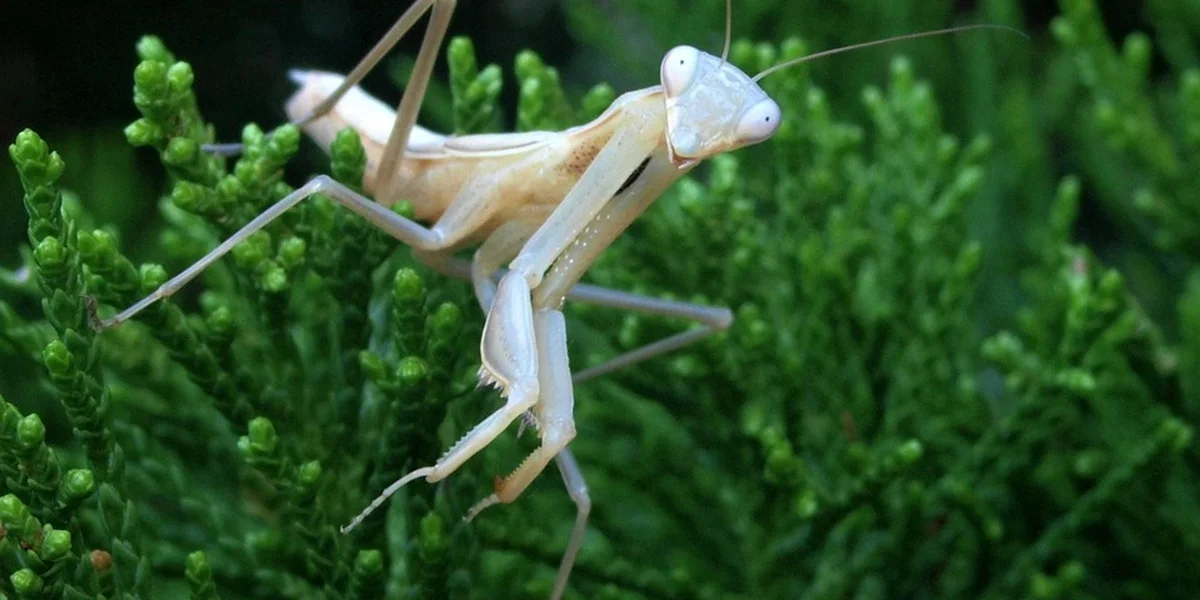
White orchid mantises, with their pale, petal-like appearance, often have lifespans similar to standard pink forms but may be more sensitive to bright light. We’ve found that indirect lighting helps preserve their delicate coloration and reduces stress, potentially extending their active months.
Red orchid mantises tend to be hardier, yet their striking hues require careful humidity control to prevent fading. Regular, gentle misting and a diet rich in carotenoids from prey like crickets can enhance their vibrant tones over time.
Baby Orchid Mantis Lifespan and Early Care
Baby orchid mantises, or nymphs, have a fragile start with a lifespan that sets the stage for adulthood. Proper early care is crucial, as mishaps in the first few weeks can impact their entire development. In an orchid mantis care guide, you’ll find practical tips on enclosure setup, humidity, and feeding for the nymph stages. This resource helps ensure these delicate insects thrive from hatchling to adult.
House them in small, secure containers with fine mesh for ventilation and easy feeding. Offer pinhead crickets or fruit flies daily, and mist lightly to maintain high humidity without waterlogging their tiny bodies. To create a naturalistic habitat for your praying mantis, use a tall enclosure with branches and live plants. Ensure it’s escape-proof and pesticide-free to mimic their native environment.
- Hatchling stage: Keep in groups initially; separate if cannibalism occurs.
- First molts: Ensure stable temperatures; avoid disturbances to prevent failed sheds.
- Growth monitoring: Note size increases weekly; adjust enclosure as they outgrow space.
We’ve raised nymphs by simulating a gentle, forest-floor environment with live plants and hiding spots. With attentive feeding and humidity checks, you’ll see them blossom into healthy juveniles, ready for the next life phase.
FAQs on Mantis
How long do white orchid mantises typically live?
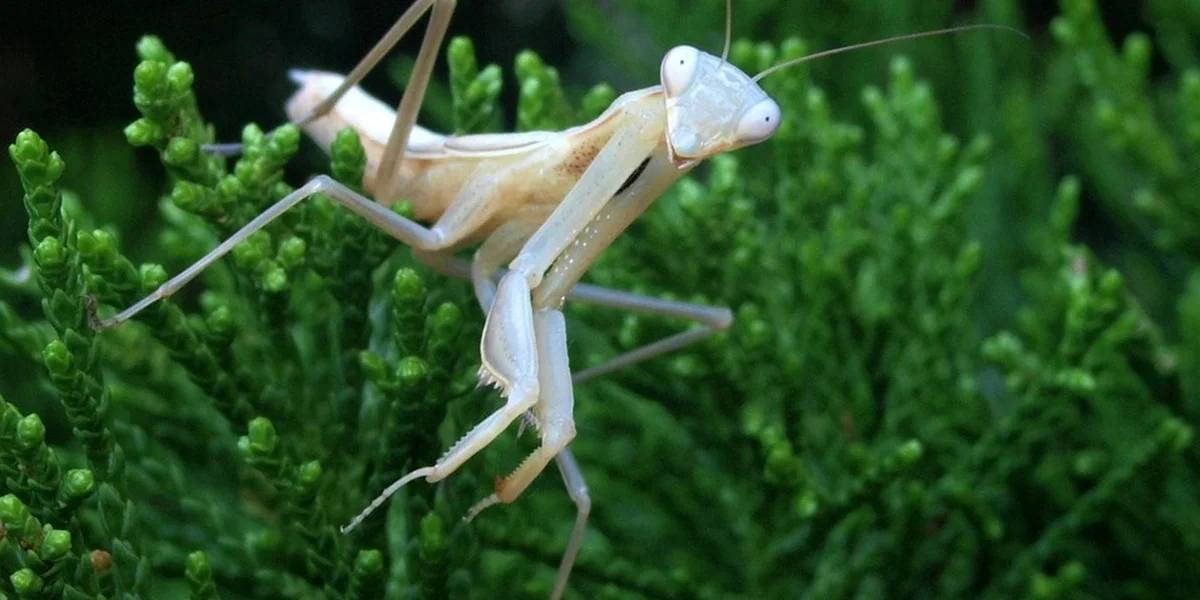
White orchid mantises usually live for 6 to 12 months, similar to other color variants. Their lifespan can be supported with indirect lighting and consistent humidity to reduce stress.
What is the average lifespan of a red orchid mantis?
Red orchid mantises often live 6 to 12 months and may be slightly hardier than other variants. A diet rich in nutrients and careful humidity control helps maintain their vibrant coloration and health.
How long do baby orchid mantises live before becoming adults?
Baby orchid mantises, or nymphs, typically live 2 to 4 months before reaching adulthood. During this time, they require frequent feeding and high humidity to support their growth and molting cycles.
Final Reflections on Orchid Mantis Care
From our time with Sprig, our own orchid mantis, we learned that a warm, humid habitat and gentle handling during molts are the cornerstones of their well-being. Providing a steady supply of small, live prey and monitoring their growth stages helps them thrive through each delicate phase of life.
We encourage every keeper to approach pet mantis care with patience and a willingness to learn from each tiny, fascinating individual. Staying curious and connected with fellow enthusiasts ensures your care remains attentive and informed as your mantis companion grows. This content is part of a complete care and handling guide for pet praying mantises. It covers safe handling, behavior cues, and best practices for daily care.
Further Reading & Sources
- Orchid Mantis Care Sheet | Expert Guide for Healthy Invertebrates – Dubia.com
- r/mantids on Reddit: Orchid Mantis Lifespan
- Orchid Mantis lifespan | Mantid Forum – Mantis Pet & Breeding Forum
- Orchid Mantis | Care Center | Galápagos Reptile Gear
Rowan Hale is a lifelong insect enthusiast who fell in love with mantises for their calm presence, alien elegance, and surprising personalities. After years of keeping and raising a variety of species, Rowan shares practical tips, creative insights, and real-world experience to help others enjoy the quiet magic of mantis care. From setting up the perfect enclosure to understanding their subtle behaviors, Rowan invites readers into a gentle, curious world where every tiny movement feels like a discovery.
First-Time Mantis Owners