
Recognizing End-of-Life Signs in Elderly Mantises
Published on: February 6, 2026 | Last Updated: February 6, 2026
Written By: Rowan Hale
Hello fellow mantis friend,
Watching your mantis companion grow from a tiny nymph into a graceful hunter is a quiet joy, but their lives, while vivid, are fleeting.
Recognizing and managing end-of-life decline in an elderly mantis involves observing subtle changes in behaviour, appetite, and mobility, and shifting your care to focus on comfort, hydration, and a peaceful environment.
This stage can be complex because the signs are often gentle and easy to miss, blending into natural ageing rather than sudden illness.
Here are the key things we will explore together:
- The subtle behavioural shifts that signal a mantis is slowing down.
- How to adjust their habitat and feeding for maximum comfort.
- Providing supportive care to ensure their final days are calm and dignified.
My Ghost Mantis, Luna, taught me much about this gentle transition with her quiet, deliberate slowing-a natural process we can meet with kindness and attentive care.
Understanding Mantis Aging and Lifespan
Most pet mantises live between six months to a year, with species like the Ghost Mantis often reaching up to twelve months and the Orchid Mantis typically spanning six to eight months. For the Orchid Mantis, lifespan care duration matters—their short window means daily care can influence health and longevity. Keeping steady temperatures, humidity, and regular feeding can help maximize that six-to-eight-month window. Their entire lifecycle unfolds in a fraction of the time we experience, making each week feel like a significant chapter in their brief, vivid lives.
Compared to other insects, mantises age more like a swiftly turning page in a storybook-whereas butterflies may flutter through life in mere weeks, mantises hold on a bit longer, yet still far quicker than the steady pace of beetles or ants. Think of it as a mantis living a whole lifetime in the span a human might spend on a single season, full of rapid growth and quiet transitions.
Factors shaping longevity include species traits, with females like our gentle Ghost Mantis Luna often outliving males; care history plays a role too, as consistent humidity and a varied diet can gently extend their days. We have found that attentive care, from proper enclosure warmth to offering live prey, can add precious weeks to their journey, much like tending a delicate plant with extra sunlight and water.
Recognizing Key Signs of End-of-Life Decline
Common symptoms to watch for include lethargy, where your mantis rests more and moves less; reduced appetite, with prey ignored for days; weight loss, visible as a thinner abdomen; decreased activity, such as staying perched for long periods; and altered feeding habits, like missing strikes they once nailed effortlessly. Spotting these shifts early helps you provide comfort, much like noticing a favourite plant drooping and adjusting its care straight away.
Observe physical changes by checking for exoskeleton dullness, which loses its glossy sheen; wing wear in adults, with edges looking frayed or torn; and molt anomalies, where incomplete sheds leave bits of old skin clinging. In our Moss, a Giant Asian Mantis, we saw his emerald green fade to a muted tone and his wings develop tiny frays, telling a quiet story of time passing.
Subtle cues like slower respiration rates-count breaths by watching abdominal movements-or dehydration signs such as sunken eyes or wrinkled skin between segments can signal decline. Keeping a gentle eye on these details lets you respond with extra misting or warmth, offering small comforts in their final days.
Differentiating Normal Aging from Illness
-
Compare Aging Signs with Illness Indicators
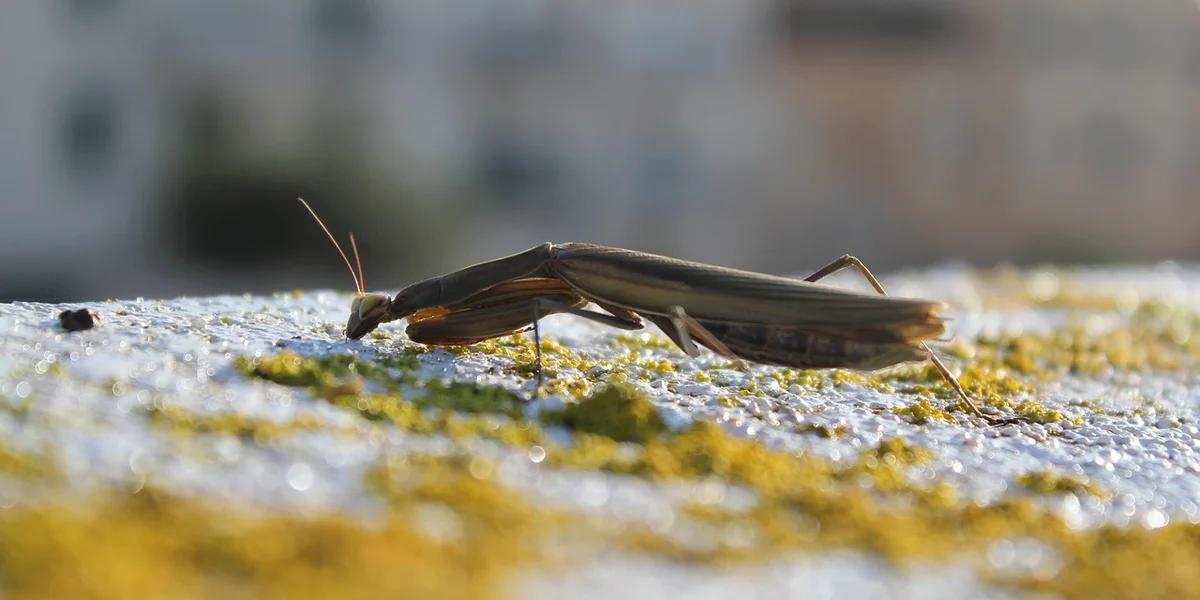
Normal aging in mantises appears as a gentle, gradual slowing over weeks. Your elderly mantis might move less frequently and rest more between activities, much like my Ghost Mantis Luna did in her final month. Her strikes became slower, her grooming less vigorous, but she still showed interest in her surroundings.
Illness, by contrast, often strikes suddenly. Look for abrupt weakness where your mantis struggles to grip branches or hangs upside down. Discoloration-unusual darkening, spotting, or dulling of their exoskeleton-can signal internal issues rather than simple aging. A healthy aging mantis retains its appetite, while a sick one may refuse food entirely.
-
Rule Out Environmental Stress Factors
Before assuming illness, check your enclosure’s temperature and humidity. Older mantises become more sensitive to fluctuations they once tolerated. Use a digital hygrometer to verify humidity stays within their species’ ideal range, as dehydration stresses aging bodies faster. To set up a perfect humidity level in your praying mantis enclosure, establish the species’ ideal range and keep it stable with routine misting.
Test temperature gradients with a thermometer. To support aging mantises, create a vertical temperature gradient in the enclosure—warmer zones up high and cooler areas lower down. This setup helps them access preferred temperatures without constant relocation. Elderly mantises may avoid overly warm areas, seeking cooler spots to conserve energy. Ensure heat sources aren’t too intense, and watch for mantises staying low in the enclosure—often a sign they’re too warm. Even slight drafts can chill them, so keep enclosures away from open windows or vents.
-
Monitor Patterns Over Days
Keep a simple daily log of your mantis’s behavior. Note feeding responses, mobility changes, and resting postures. Consistent decline-like eating less each day or perching lower over time-points to natural aging. Temporary issues, such as a single missed meal, usually resolve quickly.
Watch for recurring symptoms. If weakness appears only at certain times, it might relate to enclosure conditions rather than health. Patterns lasting three days or more typically indicate true decline, while brief changes often stem from minor environmental shifts.
Adjusting the Enclosure for Elderly Mantis Comfort
-
Enclosure Hygiene Practices
Maintain cleanliness with gentle, non-disruptive methods. Spot-clean daily using soft tweezers to remove frass and leftover prey, avoiding full enclosure breakdowns that stress older mantises. Replace soiled substrate in sections rather than all at once.
Provide stable, textured perches at varying heights. Natural branches with slight bark texture help aging mantises maintain grip without expending extra energy. Avoid slippery surfaces like smooth plastic, which can lead to dangerous falls for weakened individuals.
-
Temperature and Humidity Balance
Adjust heating to provide milder, more consistent warmth. Lower basking temperatures by 2-3 degrees Fahrenheit for elderly mantises, as their metabolism slows and they overhear more easily. Use thermostat-controlled heat mats rather than overhead lamps for gentle, even warmth.
Maintain humidity through light, frequent misting. Mist enclosure walls and leaves early morning, allowing droplets to form where your mantis can drink comfortably without being directly sprayed. Avoid creating wet substrate, which can promote mold near less-mobile mantises.
-
Creating a Calm, Low-Stimulus Environment
Position the enclosure in a quiet area away from household traffic. Reduce visual stressors by placing enclosures against solid backgrounds rather than transparent ones, giving elderly mantises a greater sense of security. Dim lighting helps create a peaceful atmosphere.
Ensure easy access to food and water sources. Place prey items directly on perches or within easy reach, as older mantises may not chase moving insects. Include multiple drinking surfaces—leaf edges, enclosure walls—so hydration is always conveniently available. These are essential habitat requirements for a healthy praying mantis. Meeting them supports the mantis’s health and well-being.
Providing Palliative and Humane Care
-
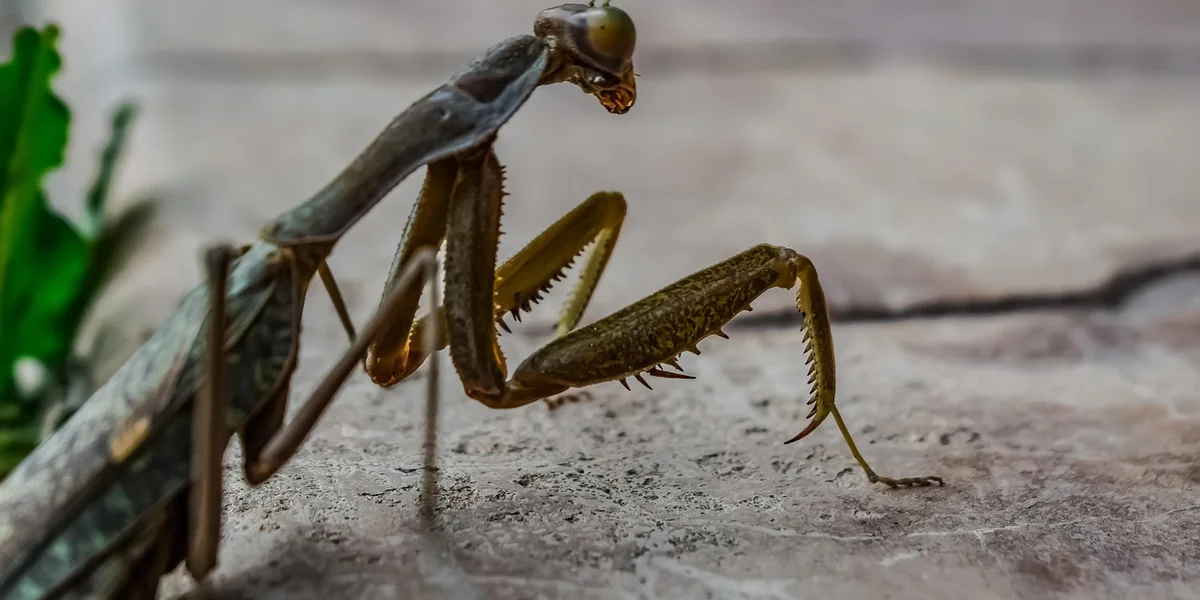
When an elderly mantis shows less interest in eating, we switch to soft-bodied insects like fruit flies or small, gut-loaded crickets. These prey items are easier for your mantis to grasp and digest, reducing the physical strain during feeding times. For mantises with very weak jaws, you can gently crush the prey’s head to make it immobile but still nutritious-this worked well for my Ghost Mantis Luna, who would slowly nibble without tiring herself out.
-
Handling an aging mantis requires extra gentleness to prevent stress or injury. We recommend limiting contact to essential moments, using a soft paintbrush or your hand to support their body from below. Move slowly and avoid sudden noises or vibrations; I found that my Giant Asian Mantis Moss remained calmer when I approached him from the front, letting him see my movements clearly.
-
Keeping your mantis hydrated is vital for comfort, especially if they struggle to drink. Light misting with lukewarm water once or twice a day provides moisture they can lick from their limbs or enclosure surfaces. You can also place a shallow bottle cap with a few drops of water in the habitat—just ensure it’s not deep enough to pose a drowning risk, as this simple method helped my Orchid Mantis Sprig stay hydrated during her later days. However, avoid over-misting, as excessive humidity can promote mold and respiratory problems, disrupting the mantis’s hydration balance. For best results, aim for a stable humidity level appropriate for your mantis species and enclosure.
Monitoring for Mortality Cues and Final Days
-
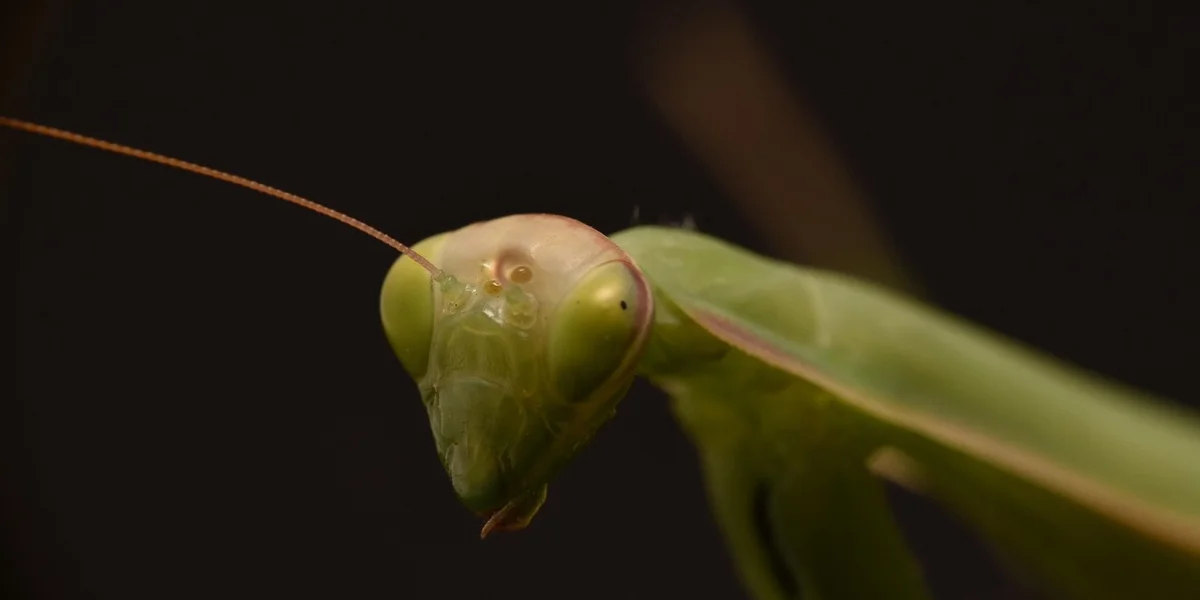
Watch for prolonged immobility, where your mantis stays in one spot for over a day without normal grooming or slight shifts. Refusal of food, even their favourite soft prey, often signals that their body is shutting down naturally. Laboured breathing may appear as rapid abdominal movements or a noticeable struggle to hold themselves upright-these are clear signs the end is approaching.
-
Documenting daily changes in a small journal helps you anticipate needs and adjust care. Note shifts in activity, appetite, and posture to recognise patterns that indicate the final stages, typically within a week of severe decline. This record-keeping allowed me to provide timely comfort for Luna, ensuring she had peace when she needed it most.
-
A mantis passing away is a natural part of their life cycle, and providing a calm, familiar environment eases their final moments. We keep the enclosure quiet, with gentle lighting and minimal disturbances, so your mantis can rest peacefully. Sitting nearby and speaking softly, as I did with Moss, can offer a sense of companionship without intrusion-honouring their journey with dignity.
When to Seek Veterinary Assistance
-
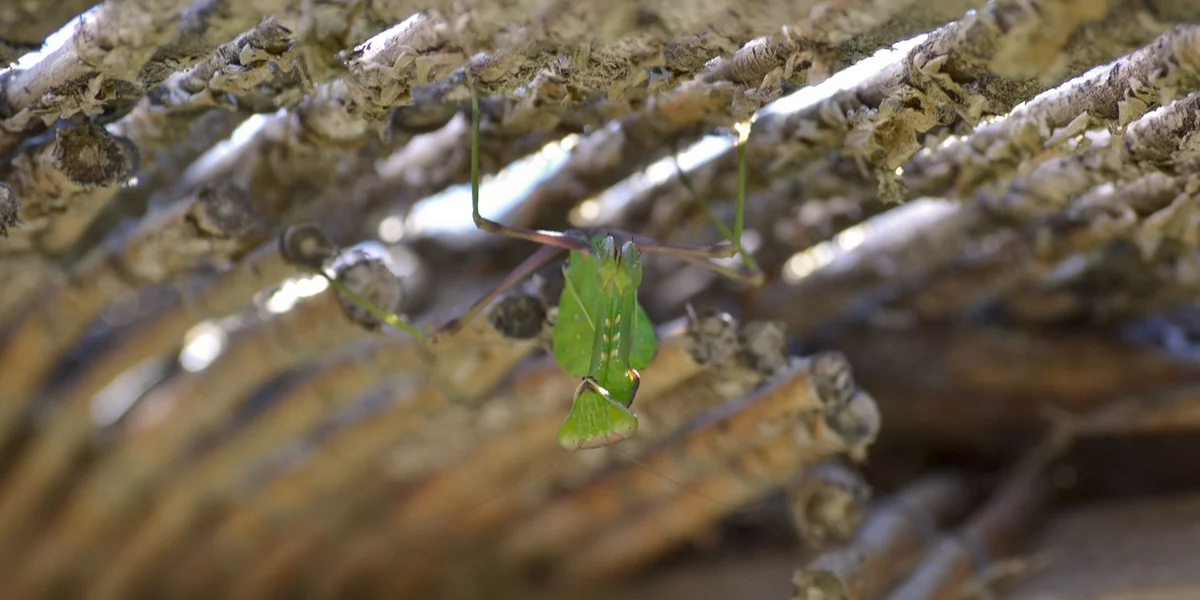
Identify scenarios warranting a vet visit, such as sudden severe decline or uncertainty about symptoms. Watch for rapid changes like your mantis losing grip on branches or refusing food for more than a few days, as these can signal hidden health issues. If you are puzzled by behaviors-such as unusual twitching or prolonged lethargy-that do not fit typical aging, a vet’s insight can bring clarity. For example, when Moss, our Giant Asian Mantis, once halted his energetic explorations abruptly, a consultation revealed a minor infection we could address early.
-
Provide guidance on finding an exotic pet vet and what information to share about your mantis. Begin by searching online for veterinarians who specialise in insects or exotic pets, and consider reaching out to local reptile or invertebrate groups for trusted recommendations. When you make contact, have these details ready to share:
- Your mantis’s species, approximate age, and any previous health notes
- A timeline of symptoms, including when they started and how they have changed
- Daily care habits, such as feeding schedule, enclosure temperature, and humidity levels
This preparation helps the vet assess the situation accurately and offer practical steps. We found that describing Luna’s misting routine and diet helped pinpoint a hydration issue during one visit.
-
Include notes on ethical considerations and when palliative care at home is appropriate. There are moments when pursuing treatment may not align with your mantis’s comfort, especially if they are very elderly and showing signs of irreversible decline. In these cases, shifting focus to palliative care—maintaining a quiet, humid environment, offering pre-killed or soft-bodied prey, and minimizing handling—can provide a peaceful end. We have chosen this path for mantises like Sprig, ensuring their final days are filled with gentle care and dignity, much like tending to a fragile leaf in a tranquil garden. These considerations are part of a senior mantis care guide for your pet’s final months. Framing care this way helps ensure their last chapter is as peaceful and dignified as possible.
Common Mantis Queries
How can I tell if my mantis is in pain during its final days?
Mantises do not express pain in obvious ways, but watch for unusual behaviors like constant trembling or an inability to settle. Providing a quiet, stable habitat can help minimize any potential discomfort as they age. If you spot signs of stress, reassess the enclosure. Adjusting space, humidity, lighting, and hiding spots can help fix the habitat and reduce stress.
Is euthanasia ever recommended for a suffering mantis?
Euthanasia may be considered if a mantis shows severe, unrelenting distress with no improvement, but this should only be done under veterinary guidance. In most natural decline cases, palliative care at home ensures a dignified end without intervention.
What should I do with my mantis’s enclosure after it passes away?
Thoroughly clean and disinfect the enclosure before reusing it for another mantis to prevent any health risks. If you prefer not to reuse it, you can repurpose the materials or dispose of them responsibly to honor your pet’s memory. When transferring a stressed mantis between enclosures, handle it gently and use a breathable container to minimize stress. Ensure the new enclosure is prepared with hiding spots and appropriate conditions before relocation.
A Gentle Farewell
When your mantis shows signs of slowing down, focus on providing comfort through gentle handling, easy food access, and a peaceful habitat. Your calm presence and attentive care become their greatest comfort during this natural transition. Behavior can change as mantises grow—from nymphs to adults—so recognizing lifecycle changes helps you tailor care.
Responsible mantis keeping means honoring their entire lifecycle, from that first curious nymph to this quiet final chapter. We grow as keepers by observing these moments, deepening our respect for the delicate lives in our care.
Further Reading & Sources
- Old Age & Death – mantis monarch
- How to Tell if a Praying Mantis is Dying? | petusiast
- How to tell if a praying mantis is dying? – MantisTopia.com
- How To Tell If A Praying Mantis Is Dying? What Makes Praying Mantis Dead? 7 Clear Facts
Rowan Hale is a lifelong insect enthusiast who fell in love with mantises for their calm presence, alien elegance, and surprising personalities. After years of keeping and raising a variety of species, Rowan shares practical tips, creative insights, and real-world experience to help others enjoy the quiet magic of mantis care. From setting up the perfect enclosure to understanding their subtle behaviors, Rowan invites readers into a gentle, curious world where every tiny movement feels like a discovery.
Common Health Issues