
Signs Your Praying Mantis Is Healthy vs. When to Worry
Published on: August 11, 2026 | Last Updated: August 11, 2026
Written By: Rowan Hale
Hello, mantis friend. Watching your little predator perch in its enclosure, you might find yourself quietly wondering-is everything truly alright in there? They can’t tell us with words, after all.
A healthy praying mantis shows vibrant colour, an active hunting posture, and a successful molt, while worrying signs include lethargy, discolouration, or a failed shed.
It’s a subtle art, learning to read their silent language. A slight tilt of the head or a change in appetite can mean so much. To guide you, we’ll focus on three key areas.
- Appearance: From skin sheen to body shape.
- Behaviour: How they move, hunt, and react.
- The Molt: The ultimate test of their well-being.
By the end, you’ll feel more confident spotting the clear signs of a content mantis and the specific changes that warrant a closer look. Let’s begin with what to look for in a thriving insect.
The Hallmarks of a Healthy Mantis
- Vibrant coloration and brightness show your mantis is well-hydrated and nourished, with colors that pop under light.
- Clear, alert eyes mean your mantis is responsive and aware, often tracking movement with precision.
- A plump but not bloated abdomen indicates good feeding habits and proper digestion.
- Steady activity levels include deliberate movements, secure perching, and curiosity about their surroundings.
- Strong grip and upright posture help your mantis cling firmly to branches without wobbling.
- Healthy molting cycles involve shedding skin completely in one piece, leaving your mantis refreshed.
Physical Vital Signs
- Bright, consistent skin tones reflect excellent hydration-think of the rich green on Moss, my Giant Asian Mantis, after a misting.
- Clear, undamaged eyes are a window to well-being, free from cloudiness or debris.
- A balanced abdomen shape avoids extreme swelling or shriveling, signaling regular meals.
Coloration and Skin Integrity
- Healthy hues range from deep greens to earthy browns, staying vivid without blotches or dullness.
- Supple, smooth skin resists wrinkles and maintains a slight sheen when hydrated properly.
Eye Clarity and Alertness
- Eyes that gleam and follow motion show your mantis is engaged, much like Luna’s observant gaze.
- No redness or swelling around the eyes keeps vision sharp for hunting and exploring.
Behavioral Cues
- Eager feeding responses mean your mantis strikes quickly at prey and consumes it fully.
- Normal daily routines include periods of activity and rest, without constant hiding.
- Secure gripping and climbing demonstrate confidence and physical strength on various surfaces.
Appetite and Feeding Habits
- Typical feeding every 2-4 days for adults, with juveniles eating more frequently.
- Enthusiastic attacks on live prey show a robust appetite and hunting instinct.
Mobility and Grip Strength
- Smooth, coordinated movements allow your mantis to navigate its enclosure without stumbling.
- Firm holds on perches prevent falls and indicate muscle health, as Sprig demonstrates when exploring new leaves.
Red Flags: Common Health Issues and When to Worry
- Lethargy or reduced movement can signal stress, illness, or environmental issues.
- Discoloration or dull skin often points to dehydration or poor nutrition.
- Asymmetry in limbs or body may result from injury or stuck molts.
- Visible parasites like mites appear as tiny dots moving on the mantis or enclosure.
- Abnormal breathing patterns include rapid or labored movements of the abdomen.
- Stuck shed skin after molting can lead to limb loss or infection if not addressed.
Signs of Stress and Discomfort
- Hiding frequently or refusing food suggests your mantis feels threatened or unwell.
- Abnormal postures like curling tightly might indicate pain or difficulty molting.
- Excessive shaking or trembling can be a response to handling or poor conditions.
Frequent Ailments
- Dehydration symptoms include wrinkled skin, sunken eyes, and lethargy.
- Stuck molt issues leave old skin attached, restricting movement and growth.
- Parasite infestations cause itching, weight loss, and visible pests on the body.
Parasite Infestations
- Tiny mites or bugs crawling on the mantis are clear signs of an infestation.
- Excessive grooming or rubbing against surfaces attempts to relieve irritation.
Infections and Diseases
- Lesions, sores, or unusual discharge often indicate bacterial or fungal problems.
- Swelling or black spots on the body require prompt attention to prevent spread.
Proactive Care: Preventing Health Problems
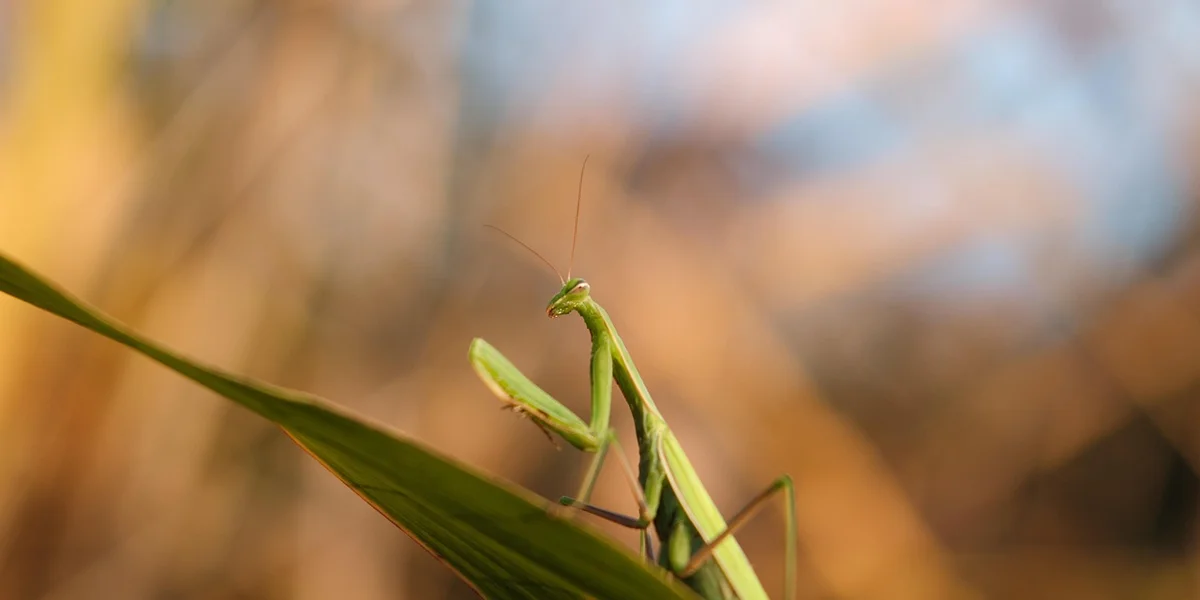
Building a healthy life for your mantis begins with daily habits that feel like tending a quiet garden. Consistent, gentle care routines help your mantis thrive and reduce the chance of health worries down the line.
- Offer a varied diet to meet all nutritional needs and support strong growth.
- Set up the enclosure with proper ventilation, climbing spaces, and secure lids to prevent escapes.
- Maintain cleanliness by removing uneaten food and waste promptly to avoid mold or mites.
- Handle your mantis with calm, slow movements and only when it seems curious and relaxed.
- Quarantine new mantises for about two weeks in a separate container to watch for signs of illness.
- Clean the entire enclosure every few weeks with warm water, avoiding harsh chemicals.
- Notice how good care can extend your mantis’s lifespan and keep its colors bright and behavior lively.
Optimal Diet and Feeding
Feeding your mantis is like preparing a tiny, balanced meal that fuels its energy and health. A mix of live insects ensures your mantis gets the proteins and nutrients it needs to stay vigorous. This is part of a complete diet feeding guide that explains what mantises eat at different life stages and how to balance meals for optimal health. Learn how to adjust portions and switch foods as your mantis grows.
- Provide variety: fruit flies for young mantises, crickets or moths for adults, and occasional treats like waxworms.
- Stick to a schedule: feed every 2-3 days for juveniles, and every 4-5 days for adults, adjusting based on appetite.
- Dust prey with calcium powder once a week to support strong exoskeletons and muscle function.
- Remove uneaten prey after a few hours to prevent stress or injury to your mantis.
From our time with Sprig, the Orchid Mantis, we saw how a steady diet kept her petals perky and strikes precise. Watching your mantis hunt and eat eagerly is a sure sign of good health and happiness.
Ideal Habitat Conditions
Creating the right home for your mantis means mimicking its natural environment with warmth, moisture, and space to explore. A well-set enclosure acts like a protective bubble where your mantis can molt, hunt, and rest safely. To create a naturalistic, safe habitat for your praying mantis, include branches, leaves, and varied textures. Maintain appropriate humidity and ventilation to support healthy molts and activity.
- Choose an enclosure that is at least three times the mantis’s length in height for easy molting.
- Include branches, fake plants, or mesh sides for climbing and perching.
- Ensure good airflow to prevent stagnant air, which can lead to respiratory issues.
- Use a substrate like coconut fiber or paper towel to help maintain humidity and make cleaning simple.
Temperature and Humidity Ranges
Getting temperature and humidity just right helps your mantis feel at home, much like the gentle warmth of a spring morning. These ranges vary by species, so tailor them to your mantis’s needs for optimal comfort. Different species have distinct temperature and humidity targets. Knowing your mantis’s species helps you set the right levels.
- For Ghost Mantises like Luna: keep temperature between 22-28°C and humidity around 60-70%.
- For Giant Asian Mantises like Moss: aim for 24-30°C and 50-60% humidity.
- For Orchid Mantises like Sprig: maintain 25-30°C and 70-80% humidity to mimic tropical conditions.
- Use a digital hygrometer and thermometer to monitor levels daily, adjusting with misting or heat mats as needed.
Enclosure Maintenance
Regular cleaning keeps your mantis’s home fresh and free from hidden dangers. A clean habitat reduces stress and prevents illnesses that can sneak up over time.
- Spot clean daily: remove old prey, molted skin, and any debris with tweezers or a soft brush.
- Deep clean every 2-4 weeks: transfer your mantis to a temporary container, wash the enclosure with warm water, and dry it thoroughly before adding new substrate.
- Check for mold or mites: if you see any, increase ventilation and consider a mild vinegar solution for wiping surfaces.
- Replace climbing decor if it shows wear to avoid accidental injuries.
Handling and Stress Reduction
Handling your mantis should feel like a quiet conversation, not a sudden interruption. Gentle interactions build trust and keep your mantis calm, which supports overall well-being. For safe handling, approach slowly and support its body. Never squeeze or grab its wings.
- Approach slowly: let your mantis step onto your hand voluntarily, and avoid grabbing from above.
- Keep sessions short: 5-10 minutes max, and only when your mantis is active and not preparing to molt.
- Watch for stress signs: if it sways, flees, or displays a threat pose, return it to the enclosure immediately.
- Provide hiding spots in the habitat, like leaves or small shelters, to help it feel secure when alone.
We learned with Moss that a patient approach made him more curious and less skittish over time. Reducing stress through mindful handling can prevent behaviors like refusal to eat or failed molts.
Addressing Specific Health Concerns
Even with the best care, mantises can face health challenges, but many are manageable with quick, calm action. Knowing what to do in these moments can make all the difference for your mantis’s recovery.
- Assist with improper molting by increasing humidity and providing support for stuck skin.
- Diagnose dehydration through signs like lethargy or wrinkled abdomen, and treat with gentle misting.
- Handle minor injuries with clean tools and isolation to prevent infection.
- Offer basic home care like quiet rest and easy access to food and water during recovery.
Dealing with Improper Molting
Molting is a vulnerable time for mantises, and sometimes they need a little help to shed their old skin completely. Boosting humidity right before and during a molt can prevent most sticking issues.
- Increase enclosure humidity to 70-80% by misting lightly with warm water.
- Ensure your mantis has a sturdy perch to hang from, as molting requires an upside-down position.
- If skin is stuck, use a damp cotton swab to gently moisten the area, but avoid pulling on the mantis.
- Monitor for up to 24 hours; if the mantis cannot free itself, consider consulting a vet for delicate assistance.
When Luna had a tricky molt, a steamy room and patience helped her emerge safely. Acting quickly with humidity tweaks often resolves molting problems without further stress.
Managing Dehydration
Dehydration can creep up quietly, especially in dry environments, but it’s usually easy to fix. Regular misting and watching for subtle cues keep your mantis hydrated and lively. It’s important to recognize the signs of dehydration early, so you can take proper measures to fix it.
- Spot dehydration early: look for a sunken abdomen, reduced activity, or difficulty moving.
- Mist the enclosure daily with dechlorinated water, focusing on leaves and sides for drinking droplets.
- Offer water directly by placing a small, shallow dish with wet cotton or a sponge for your mantis to sip from.
- Adjust habitat conditions: if humidity is low, add a live plant or cover part of the ventilation to retain moisture.
Care for Injuries or Illness
Minor injuries or sicknesses can happen, but with careful attention, your mantis can often bounce back. Isolating the mantis and providing a calm, clean space supports healing and prevents issues from spreading.
- Move the injured mantis to a separate, simple enclosure with paper towel substrate and minimal decor.
- Clean wounds with a diluted saline solution using a cotton swab, and avoid touching the area directly.
- Offer easy-to-catch prey like flightless fruit flies to reduce hunting stress during recovery.
- Watch for improvement over a few days; if there’s no change or symptoms worsen, seek expert advice.
We once nursed Sprig through a leg injury with quiet isolation and soft foods, and she was back to climbing in no time. Basic first aid and a peaceful environment give your mantis the best chance for a full recovery.
When to Seek Professional Help
- If your mantis displays severe lethargy, persistent refusal to eat, or any symptom that doesn’t improve within a day or two, it’s time to contact a vet. These signs often point to underlying issues that need expert attention.
- We’ll walk you through finding a specialist and what a typical vet visit entails, so you feel calm and prepared. Knowing what to expect can ease your worries and help your mantis get the best care.
Emergency Signs
- Labored breathing shows as rapid, strained movements in the abdomen-like a gentle, frantic flutter instead of the usual slow rhythm. This can signal respiratory distress, which needs immediate evaluation.
- Significant weight loss makes the abdomen look thin and wrinkled, almost like a dried leaf. If your mantis isn’t eating and its body shrinks quickly, it may have a serious health problem.
- Unresponsiveness means your mantis stays completely still, not reacting to gentle touches or movement nearby. For instance, when my mantis Moss ignored a cricket waving right in front of him, I knew it was more than just molting fatigue.
- Severe lethargy involves prolonged stillness without the alert, curious posture a healthy mantis usually holds. Think of it as your mantis losing its usual green-statue poise and becoming limp or listless.
- Persistent issues like recurring falls, inability to grip surfaces, or continuous trembling are red flags. These aren’t normal behaviors and often indicate neurological or physical ailments.
Finding a Vet for Your Mantis
- Search online for exotic pet veterinarians who specialize in invertebrates or insects. Use terms like “insect vet” or “exotic animal clinic” and check reviews from other pet owners.
- Reach out to local reptile societies or online mantis care forums for trusted recommendations. These communities often share experiences with vets who’ve successfully treated mantises.
- Call clinics beforehand to ask about their experience with praying mantises. A good vet will happily discuss their background and may even offer phone advice for minor concerns.
- Prepare for the visit by noting your mantis’s symptoms, diet, and enclosure conditions. Bring photos or a short video if possible-it helps the vet understand the situation without stressing your pet.
- During the exam, expect the vet to use magnification tools and ask detailed questions about habitat and behavior. They might check for parasites, injuries, or signs of infection in a quiet, gentle manner.
FAQs on Mantis
What is the normal lifespan of a praying mantis?
The normal lifespan varies by species but typically ranges from 6 to 12 months in captivity. Providing optimal care, such as a proper diet and habitat, can help your mantis live out its full lifespan.
How to tell if a praying mantis is stressed?
Signs of stress include frequent hiding, refusal to eat, and abnormal postures like curling tightly or excessive trembling. Reducing disturbances and ensuring a stable environment can help your mantis feel more secure and relaxed. Identifying the signs of stress and improving its habitat can significantly enhance your praying mantis’s well-being.
Should you quarantine new mantises to prevent disease?
Yes, it is advisable to quarantine new mantises in a separate enclosure for about two weeks to observe for any signs of illness. This practice helps prevent the spread of parasites or infections to your other mantises.
Your Mantis’s Health: A Gentle Recap
Healthy mantises display active movement and regular feeding habits, much like our own Sprig who perks up at mealtime. Watch for sudden changes, such as prolonged stillness or loss of appetite, as these can signal it’s time to check their environment or seek advice. To tell if your mantis is hungry or full, observe its feeding cues. A hungry mantis will actively stalk and strike at prey, while a full mantis may ignore food after a meal.
Caring for a mantis means staying attentive to their daily needs and making small adjustments to keep them comfortable. We invite you to continue exploring pet mantis care with curiosity, as each new insight helps your tiny companion thrive. Our complete handling behavior guide covers safe handling, recognizing stress signals, and daily care tips to help you interact confidently with your mantis.
Further Reading & Sources
- Praying Mantis Spiritual Meaning and Symbolism – Parade
- Illness, Infection, & Injury In Praying Mantis | Bug Pets LTD
- Are Praying Mantises Poisonous? A Guide to All Things Mantis
- Health Issues – mantis monarch
Rowan Hale is a lifelong insect enthusiast who fell in love with mantises for their calm presence, alien elegance, and surprising personalities. After years of keeping and raising a variety of species, Rowan shares practical tips, creative insights, and real-world experience to help others enjoy the quiet magic of mantis care. From setting up the perfect enclosure to understanding their subtle behaviors, Rowan invites readers into a gentle, curious world where every tiny movement feels like a discovery.
Common Health Issues