
Ventilating Your Praying Mantis Enclosure: A Simple Guide
Published on: March 3, 2026 | Last Updated: March 3, 2026
Written By: Rowan Hale
Hello, mantis friend! Picture your praying mantis resting on a leaf, its delicate frame still in the humid air-but if that air grows too stagnant, your pet’s health could be at risk.
Proper ventilation in a praying mantis enclosure means creating a gentle airflow that removes excess moisture, prevents mold, and lets your mantis breathe easily, all while keeping the humidity just right for its species.
Getting ventilation right isn’t just about poking holes in a container; it’s a careful dance between air movement and humidity control that varies with each mantis type.
In this guide, we’ll walk you through the essentials, including:
- Why airflow matters for mantis health and mold prevention
- Easy ways to add ventilation without stressing your pet
- How to balance humidity and airflow for different species
Why Proper Ventilation is Vital for Your Mantis
Praying mantises rely on a delicate tracheal system-tiny tubes that deliver oxygen directly to their tissues through openings called spiracles along their abdomen. Stagnant air can clog these spiracles, making it hard for your mantis to breathe and leading to serious health issues over time. We’ve noticed that even a still, stuffy room can leave our own mantis, Luna, moving slower than usual, as if she’s conserving every bit of energy. Understanding these signs can help you fix your mantis’s habitat to ensure they stay healthy.
- Mold growth: Poor airflow encourages dampness, letting mold spores settle on plants or decor, which can irritate your mantis’s delicate body or even poison its food sources.
- Respiratory stress: Without fresh air, mantises may show labored breathing or reduced activity; Moss, our energetic male, once grew listless in a poorly vented tank until we improved the circulation.
- Humidity imbalances: Enclosures that trap moisture can swing from too dry to oppressively humid, stressing your mantis and disrupting its molting process.
A mantis’s oxygen needs shift with its activity and the room’s temperature-warmer days or after a hearty meal, they breathe more deeply. By matching ventilation to these subtle changes, you create a stable environment that supports their natural rhythms and keeps them thriving.
Step-by-Step Guide to Setting Up Ventilation
- Choose the right enclosure type based on material and size: Opt for lightweight mesh or acrylic with built-in vents for smaller mantises like Sprig, or go for a glass terrarium with ample side openings if you need to maintain higher humidity without sacrificing airflow.
- Select and install ventilation features like mesh lids or drilled holes: We often use fine metal mesh tops to allow upward air escape, and for DIY setups, carefully drill small holes near the top and bottom to encourage a gentle cross-breeze that mimics outdoor conditions.
- Balance airflow with humidity by positioning vents and using tools like spray bottles: Place vents on opposite sides to avoid drafts, and lightly mist the enclosure with warm water in the morning to boost moisture without creating stagnant pockets-just enough to see tiny droplets evaporate within an hour.
- Test the setup for proper air exchange before introducing your mantis: Hold a lit incense stick near the vents; if the smoke drifts steadily through the enclosure and dissipates, you’ve achieved a healthy flow that won’t overwhelm your new resident.
Ventilation Solutions for Different Enclosure Types
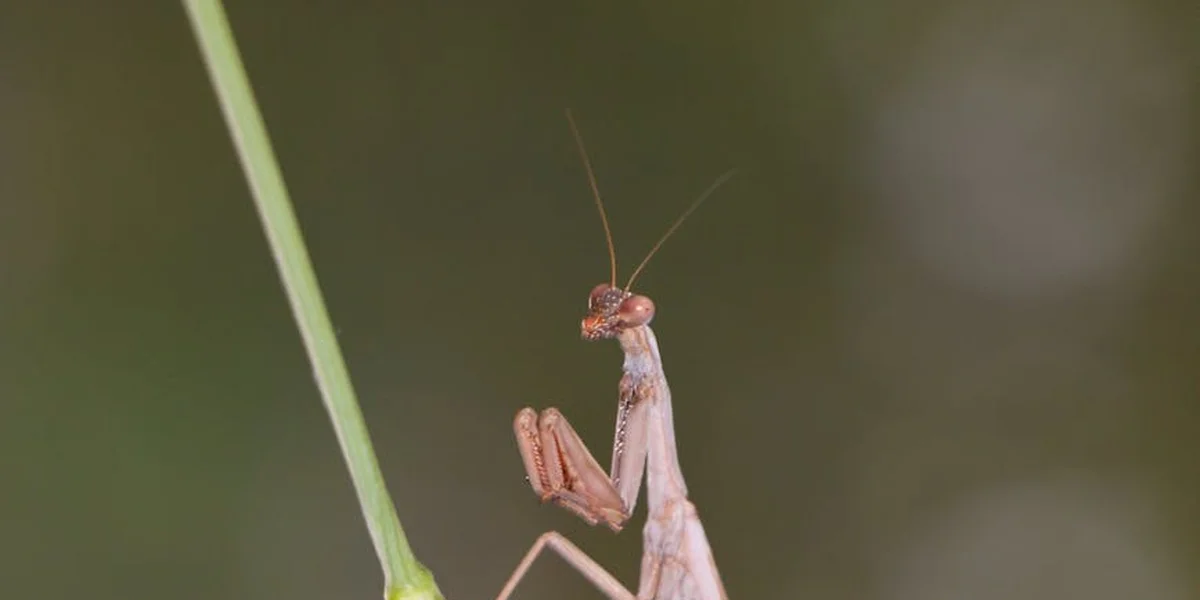
Choosing the right enclosure for your praying mantis affects how air moves inside, and each material has its own quirks. We often start with glass tanks for their clarity, but they can trap stale air if not modified properly. For mantis keepers, the glass versus mesh enclosures question is a common consideration. We’ll weigh the pros and cons of each to help you decide.
Glass terrariums offer a crystal-clear view of your mantis, like watching Luna, my Ghost Mantis, perch delicately on a leaf. Their solid sides mean less natural airflow, so humidity builds up quickly in warm corners.
- Pros: Excellent visibility, sturdy for display.
- Cons: Poor ventilation, risk of condensation and mold.
- Enhancement tips: Fit a mesh or screen lid to let moist air escape, or drill small side vents near the top for cross-ventilation.
Plastic containers are lightweight and easy to find, making them a budget-friendly choice for many keepers. Plastic tends to hold moisture close, which can lead to a stuffy environment if not addressed.
- Pros: Affordable, customizable with tools.
- Cons: Limited air exchange, potential for fogging.
- Enhancement tips: Use a drill to add rows of tiny holes on opposite sides, or replace part of the lid with fine mesh for better circulation.
Mesh or screen terrariums provide the most airflow, letting breezes whisper through like a gentle forest draft. They are ideal for species that thrive in drier conditions, but they can make humidity control a challenge.
- Pros: Superior ventilation, reduces risk of overheating.
- Cons: Low humidity retention, may require frequent misting.
- Enhancement tips: Cover one side with a plastic panel to trap some moisture, or place a damp sponge inside to boost humidity locally.
| Enclosure Type | Airflow Pros | Airflow Cons | Enhancement Tips |
|---|---|---|---|
| Glass | Stable, good for viewing | Poor natural ventilation | Add mesh lid or side vents |
| Plastic | Lightweight, easy to modify | Traps moisture easily | Drill holes or attach mesh panels |
| Mesh | Excellent air circulation | Hard to maintain humidity | Partially cover sides or use humidity aids |
With a few adjustments, you can turn any enclosure into a comfortable home that breathes well. Regular checks for condensation or dry spots help you fine-tune the airflow over time.
Tailoring Ventilation to Your Mantis Species and Life Stage
Different mantis species have evolved in unique habitats, so their ventilation needs vary widely. For instance, Ghost Mantises like Luna prefer shaded, humid areas with gentle air movement to mimic their natural rainforest homes. Temperature and humidity ranges differ by species, so customizing enclosure conditions is essential for their health. Understanding these differences helps keep each species thriving.
Orchid Mantises, such as Sprig, demand high humidity to keep their petal-like appendages supple. Too much stagnant air can encourage mold, whilst strong drafts might dry them out quickly.
- Ghost Mantis: Aim for moderate ventilation with some humidity retention; use a mesh top with partial cover.
- Orchid Mantis: Provide good airflow but maintain high humidity; combine side vents with regular misting.
- Giant Asian Mantis: Tolerates a range of conditions; standard mesh enclosures work well for adults like Moss.
Life stage plays a big role in how you set up ventilation, especially for tiny nymphs. Young mantises are delicate and can easily slip through gaps that seem harmless to us. To support growing nymphs, use a graduated enclosure system that starts with tight, escape-proof chambers and expands as they molt. This approach keeps ventilation appropriate at each stage and helps prevent escapes as they grow.
Nymphs need smaller, finer vents to prevent escapes and protect them from drying out. We use fine mesh or carefully spaced holes to keep them safe whilst allowing enough air exchange.
- Nymphs: Use enclosures with very small vents or fine mesh; avoid large openings that could lead to dehydration or loss.
- Adults: Can handle more open ventilation; standard screen lids or multiple vents are generally safe.
Adjusting as your mantis grows ensures they stay healthy through each molt. Watch for signs like lethargy or difficulty shedding, which might mean the air isn’t quite right. Knowing how to care for a praying mantis after molting can help you address these issues promptly.
Here is a quick list of common species and their ventilation tweaks:
- Ghost Mantis: Moderate airflow with humidity control; ideal for beginners.
- Orchid Mantis: Balanced ventilation to prevent mold; best with occasional misting.
- Giant Asian Mantis: High ventilation tolerance; suits mesh enclosures well.
- Chinese Mantis: Adaptable to various setups; ensure good cross-ventilation.
By matching the enclosure to your mantis’s origins and growth, you create a nurturing space. Observing their behavior, like how they position themselves in the airflow, gives clues to their comfort. Creating a naturalistic and safe habitat is essential for their well-being.
Monitoring and Fine-Tuning Your Ventilation Setup
Keeping your mantis’s home in tip-top condition means watching it like a quiet guardian. Daily checks for condensation, airflow, and substrate dampness will tell you everything you need to know about your ventilation’s performance.
Your Daily Ventilation Check-Up
Make these simple observations part of your morning routine.
- Condensation: Look for water droplets on the enclosure walls. A few tiny beads are fine, but large, persistent patches signal too much humidity and not enough air movement.
- Airflow Rate: Gently waft your hand near the mesh top or side vents. You should feel a faint, fresh movement of air, not a stagnant, heavy stillness.
- Substrate Moisture: Press a finger lightly into the substrate. It should feel slightly cool and barely damp to the touch, never soggy or waterlogged.
Troubleshooting Common Ventilation Problems
If your checks reveal an issue, here’s how to gently correct the balance.
Excess Humidity
Seeing too much condensation or feeling a muggy atmosphere inside the enclosure calls for action.
- Increase ventilation by opening more ports or sliding a lid open a fraction further.
- Reduce misting frequency or volume slightly, ensuring you still provide drinking water.
- Check the enclosure’s location, moving it away from bathrooms or kitchens if necessary.
Correcting high humidity quickly prevents mould and keeps your mantis’s respiratory system healthy. Be mindful that over-misting can harm your mantis by throwing off the humidity and hydration balance. Use measured misting to maintain steady humidity levels.
Poor Aeration
A stale, stuffy enclosure lacks the fresh air your mantis needs to thrive.
- Verify that none of the mesh vents are blocked by decorations or foliage.
- Create cross-ventilation by ensuring you have openings on at least two sides of the enclosure.
- Consider a small, low-speed computer fan placed a foot away to gently circulate room air.
Good aeration mimics the gentle rustle of a natural breeze, keeping the environment fresh and invigorating.
Helpful Tools for Ongoing Care
A couple of simple gadgets take the guesswork out of maintaining perfect conditions.
- Digital Hygrometer: This small device gives you a precise reading of humidity levels. Place it in the middle of the enclosure for the most accurate measurement.
- Small Fan: A tiny USB or computer fan can be positioned nearby to boost air circulation on particularly still days, just ensure it doesn’t create a strong draft.
- Spray Bottle: Your trusty misting tool allows for controlled hydration. Use one with a fine mist setting for a gentle, rain-like shower.
Using these tools helps you create a stable, comfortable microclimate where your mantis can flourish.
Questions from Fellow Mantis Friends
Do praying mantises have lungs or a tracheal system?
Praying mantises do not have lungs. They rely on a tracheal system, which is a network of tiny tubes that transport oxygen directly to their tissues. In terms of anatomy, you might wonder how many legs a praying mantis has. Like other insects, it has six legs, with the first pair modified into grasping raptorial limbs.
Where are the spiracles located on praying mantises?
The spiracles are small openings found along the sides of a mantis’s abdomen. These openings are the entry points for air into the tracheal system.
How does activity level affect ventilation in praying mantises?
Higher activity levels, such as after feeding or during hunting, increase the mantis’s demand for oxygen. This causes them to ventilate more actively by contracting their abdomen to move air through their tracheal system faster.
Fresh Air for a Thriving Mantis
Ensuring good ventilation in your mantis enclosure prevents mold growth and keeps the air fresh for your pet. To set up the perfect humidity level for your praying mantis enclosure, use a hygrometer to monitor humidity and adjust misting. Keep humidity steady and avoid over-saturation or dry air. Always balance airflow with humidity levels to create a comfortable, natural environment.
Responsible mantis ownership means staying curious and committed to their wellbeing. We find that continuous learning and observation help us provide the best care for these fascinating insects. A mantis-friendly garden that attracts beneficial insects can support their wellbeing by providing diverse prey and shelter. By planting native flowers and herbs, you create a welcoming habitat for both mantises and other beneficial insects.
Further Reading & Sources
- 3 Ways to Make a Praying Mantis Habitat – wikiHow
- How to Care for your Praying Mantis Pets | PanTerra Pets
- Terrarium Instructions and Mantis Care
- Housing A Praying Mantis & Mantis Enclosures | Bug Pets LTD
Rowan Hale is a lifelong insect enthusiast who fell in love with mantises for their calm presence, alien elegance, and surprising personalities. After years of keeping and raising a variety of species, Rowan shares practical tips, creative insights, and real-world experience to help others enjoy the quiet magic of mantis care. From setting up the perfect enclosure to understanding their subtle behaviors, Rowan invites readers into a gentle, curious world where every tiny movement feels like a discovery.
Temperature and Humidity