
Are Praying Mantises Cannibals?
Hello there, mantis friend!
We’ve all seen it-that dramatic moment in nature documentaries where one mantis turns on another. It sparks a fascinating question about these elegant predators.
Yes, praying mantises are cannibals, but this behavior is far more complex than simple aggression. Their carnivorous nature is woven into survival strategies, mating rituals, and even captive care.
It’s not a simple case of them being ‘mean’. Their world is one of intricate balances.
- Why cannibalism occurs most often in specific situations.
- The surprising truth about the famous female-male dynamic.
- How you can prevent it in your own mantis enclosure.
Understanding this behavior helps us provide better, safer homes for our own mantises, like our gentle ghost mantis, Luna. Let’s untangle the reality behind the myth.
Understanding Praying Mantis Cannibalism
Cannibalism in praying mantises means one mantis eats another of the same species, and it aligns perfectly with their carnivorous nature as hunters of insects and other arthropods. This behavior stems from their instinct to consume prey, whether it’s another mantis or typical insect predation. Cannibalism is especially noted during mating.
It’s a natural part of their life, not always driven by aggression, and can happen in both wild and captive settings. For instance, in the wild, mantises might turn to cannibalism when food is scarce, while in captivity, it can occur if enclosures mimic stressful conditions. Male mantises can face being eaten by a female during mating. To reduce that risk, some males approach cautiously and mate quickly.
We’ve seen this in our own care routines-like with Moss, our Giant Asian Mantis, who once nudged a smaller mantis away without harm, showing that not every encounter leads to violence. Understanding this helps us see cannibalism as a survival strategy rather than mere brutality.
Why Do Praying Mantises Eat Each Other?
Sexual Cannibalism During Mating
Female mantises may eat males during mating, often to gain extra nutrition for egg production and boost their own survival. This act, known as sexual cannibalism, provides females with a protein-rich meal that supports their life cycle. In many cases, the mating process can still result in fertilization despite the risk to the male. The success of mating and offspring production can vary by species and circumstance.
Here’s a step-by-step look at how this typically unfolds in mating behavior:
- The male approaches the female cautiously, often using slow movements to avoid triggering her predatory instincts.
- If the female is receptive, mating begins, but she might attack at any point-before, during, or after the process.
- Cannibalism is most likely if the female is hungry or stressed, and it can happen in seconds, leaving the male as a nutrient source.
In our experience, observing mantises like Sprig, our Orchid Mantis, reminds us that this isn’t always violent; sometimes, it’s a quiet, efficient part of nature. By recognizing the triggers, we can better manage mating pairs in captivity to reduce risks.
Other Triggers for Cannibalistic Behavior
Beyond mating, several factors can lead mantises to eat each other, often rooted in their basic needs and environment. Hunger is a top cause, as a starved mantis will see any moving object, including another mantis, as food.
Common triggers include:
- Overcrowding in enclosures, which raises stress and aggression.
- Inadequate nutrition from their dietary habits, pushing them to seek alternative sources.
- Stress from sudden changes, like temperature shifts or handling.
This intraspecific aggression differs from their usual insect predation because it involves competition within the same species. Nymph-cannibalism is especially common in young mantises, who are more vulnerable and quick to defend their space.
We’ve noticed that providing ample space and regular feeding, as we do for Luna, our Ghost Mantis, can prevent most of these issues. Keeping a close eye on their behavior helps us spot early signs and intervene gently.
Myth vs. Reality: The Truth About Mantis Cannibalism
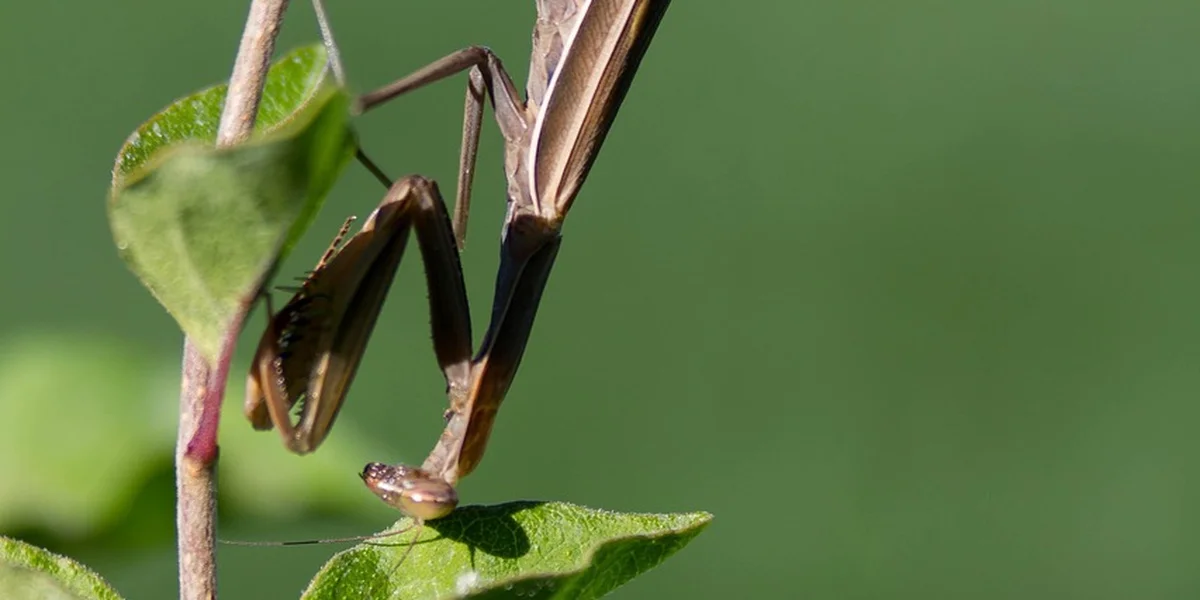
Many people believe that praying mantises are relentless cannibals, but this is a common cannibalism myth that overlooks their complex behavior. In reality, cannibalism is not a constant trait but a situational response often triggered by stress or scarcity in their environment. Wild mantises might resort to it during mating or when prey is scarce, playing an ecological role in population control, but pet mantises rarely show this if cared for properly. Some people wonder why praying mantises sometimes eat themselves. In reality, self-cannibalism is not a typical behavior; what is observed is cannibalism directed at others—often during mating or under stress—rather than self-destruction.
Online videos and stories often exaggerate mantis cannibalism for dramatic effect, showing sudden attacks that make it seem like a daily occurrence. What these clips miss is the calm, observant nature of most mantis species, who spend hours camouflaged and still rather than hunting each other. With a gentle chuckle, we’ve seen how Moss, our Giant Asian Mantis, will ignore a tank mate entirely unless hunger strikes-so don’t let those viral moments fool you into thinking your pet is a tiny predator always on the prowl.
Different mantis species vary in their tendencies; for instance, larger species might be more territorial, while others like Ghost Mantises are generally peaceful. Understanding this helps you see that predation among mantises is a natural, not inevitable, part of their lives. By providing a stable home, you can minimize risks and enjoy their fascinating behaviors without fear.
Preventing Cannibalism in Your Pet Mantis Home
Housing Tips to Reduce Aggression
Proper housing is your first defense against aggression in mantises, as cramped spaces can turn them into stressed insect predators. Start by selecting an enclosure that’s at least three times your mantis’s length in height and width to give them room to move and hunt comfortably. This prevents territorial disputes and allows each mantis to establish its own space without feeling threatened. Create a naturalistic and safe habitat for your praying mantis to further reduce stress and promote healthy behaviors.
Add plenty of hiding spots like live plants, twigs, or silk leaves to enhance camouflage and reduce direct confrontations. We’ve found that Luna, our Ghost Mantis, feels safest when she can blend into her surroundings, which cuts down on sudden clashes. Avoid overcrowding by housing mantises separately unless you’re experienced with breeding, as too many in one space can lead to hunger-driven conflicts.
- Choose a spacious enclosure with good ventilation to mimic their natural habitat.
- Incorporate vertical elements for climbing, as mantises love to perch high up.
- Monitor population density-one mantis per enclosure is ideal for beginners.
- Use soft, natural materials that won’t harm their delicate bodies during movement.
Regularly check for signs of stress, like frequent pacing or aggressive postures, and adjust the setup if needed. By creating a peaceful environment, you’ll see your mantis thrive without the urge to turn on its tank mates.
Feeding Practices to Keep Mantises Satisfied
A well-planned diet is key to preventing hunger-driven cannibalism, as a satisfied mantis is less likely to see others as prey. Offer prey that’s no larger than your mantis’s head, such as fruit flies for juveniles or crickets for adults, to ensure easy prey capture with their raptorial forelegs. This reduces frustration and keeps feeding behavior calm and controlled.
Feed your mantis every 2-3 days, adjusting based on species and age, and include variety like moths or small roaches to mimic their wild diet. We’ve noticed that Sprig, our Orchid Mantis, stays content with a mix of foods, which stops her from getting bored and aggressive. Always remove uneaten prey after a few hours to avoid stress or accidental injuries.
- Observe your mantis during feeding to ensure it’s actively hunting and not struggling.
- Check for leftover prey items that might indicate overfeeding or disinterest.
- Adjust feeding frequency if your mantis appears lethargic or overly eager-this signals diet needs.
- Use a small dish or tweezers to offer food, reducing the chance of territorial disputes over prey.
Monitoring feeding behavior helps you spot early signs of hunger or aggression, allowing quick adjustments. Keeping your mantis well-fed with a balanced diet ensures those raptorial forelegs are used for hunting insects, not each other.
Mating and Cannibalism: Care Tips for Breeders
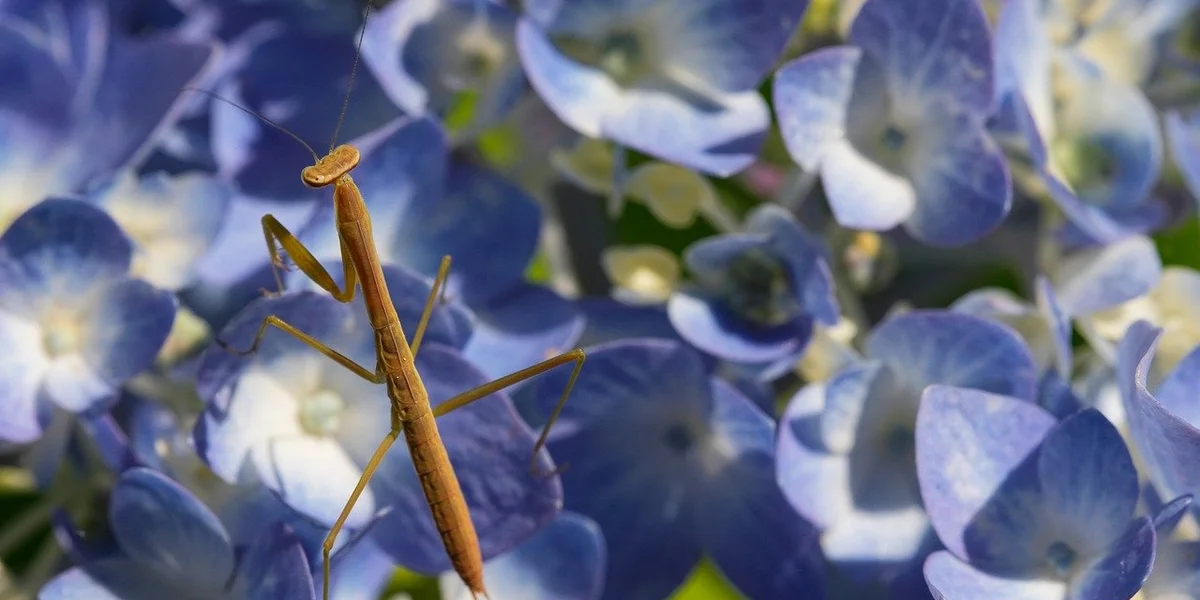
Mating cannibalism is a natural part of the female mantis life cycle, but with careful timing, you can reduce risks during breeding. We always introduce pairs in the late afternoon when mantises are less active, which seems to calm their instincts. Feed the female generously a day or two before introducing the male—a full abdomen makes her less likely to view him as prey.
Watch for subtle body language cues that signal readiness or danger. A receptive female often holds her forelegs loosely, while an aggressive one might sway or lunge suddenly. If you notice the male hesitating or the female adopting a strike pose, gently separate them using a soft paintbrush to guide the male away.
After successful mating, the female will soon produce an ootheca-a foamy egg case that she attaches to branches or enclosure walls. Providing a sturdy, vertical surface helps her secure the ootheca safely, ensuring the next stage of the life cycle begins smoothly. In our care, Luna, our Ghost Mantis, laid her first ootheca on a twisted vine, and we kept the humidity slightly higher to support its development.
When Cannibalism Might Occur and How to Respond
Cannibalistic behavior can flare up during molting, when a mantis’s soft new skin makes them an easy target for others. Be alert for early signs of molting trouble—unusual stillness, reduced appetite, or a delayed shed. These cues can signal stress before aggression escalates. Always house mantises individually when they’re nearing a molt, as their vulnerability spikes in these quiet hours. Dense groups in small enclosures heighten aggression, since these ambush predators rely on space to avoid confrontation.
If you spot signs of aggression-like rapid antennae flicking or one mantis stalking another-act calmly to prevent injury. Use a clear container or your hand to gently block the aggressor’s line of sight, then relocate the threatened mantis to a separate habitat. A sudden movement can startle them, so move slowly and avoid touching their delicate limbs.
Remember, mantises belong to the class insecta, and their predatory nature is wired for survival. Offering plenty of hiding spots, like fake leaves or bark, gives shy individuals a refuge from potential ambushes. With Moss, our Giant Asian Mantis, we’ve seen how a cluttered enclosure mimics the wild, reducing stress and curbing cannibalistic urges.
Common Mantis Queries
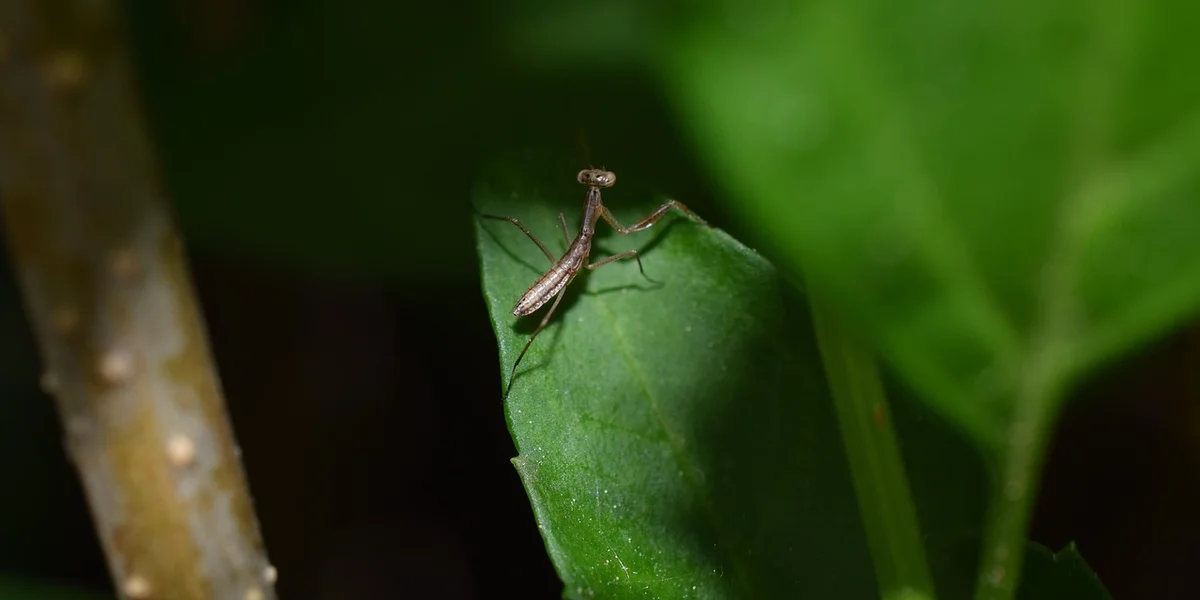
How often does cannibalism occur in wild praying mantises?
Cannibalism in the wild is relatively rare and typically happens during mating or when prey is scarce. It serves as a survival tactic rather than a frequent behavior in their daily lives.
Can cannibalism be prevented entirely in pet mantises?
While it’s challenging to eliminate entirely, providing adequate space and consistent feeding greatly reduces the risk. Regular monitoring for stress or hunger signs allows for timely adjustments to avoid incidents.
Why are there so many myths about mantis cannibalism?
Myths often arise from exaggerated videos and stories that focus on dramatic, isolated events. In reality, mantises are mostly peaceful and only resort to cannibalism under specific environmental pressures. This is part of our guide to 11 common praying mantis myths busted—the truth about mantis care. Understanding these myths helps you care for your mantis more accurately and avoid sensational claims.
Final Reflections on Mantis Cannibalism
Praying mantises may turn to cannibalism when food is scarce or space is tight, so we recommend feeding them regularly and housing each one alone. A complete diet feeding guide can help you plan balanced meals and avoid gaps that trigger aggression. Our guide explains which prey to offer, how much to feed, and how often. By mimicking their natural habitat with proper enclosures and steady prey, you can greatly reduce the risk of aggressive encounters.
Responsible mantis ownership means staying curious and adapting care as your pet grows and changes. We encourage you to keep exploring mantis behavior and connect with fellow enthusiasts to share tips and stories.
Further Reading & Sources
- Mantids and Cannibalism: a Surprisingly Complicated Affair. | Ask an Entomologist
- Yes, It Happens: Sexual Cannibalism in Praying Mantids | UC Agriculture and Natural Resources
- Having your partner for dinner? Mantis cannibalism boosts fertility – study | Reproduction | The Guardian
- Courtship, mating behaviour and sexual cannibalism in the praying mantis, Sphodromantis lineola – ScienceDirect
Rowan Hale is a lifelong insect enthusiast who fell in love with mantises for their calm presence, alien elegance, and surprising personalities. After years of keeping and raising a variety of species, Rowan shares practical tips, creative insights, and real-world experience to help others enjoy the quiet magic of mantis care. From setting up the perfect enclosure to understanding their subtle behaviors, Rowan invites readers into a gentle, curious world where every tiny movement feels like a discovery.
Feeding