
Can Over-Misting Harm Your Praying Mantis? Humidity & Hydration Balance
Published on: February 22, 2026 | Last Updated: February 22, 2026
Written By: Rowan Hale
Hello mantis friend. We often focus so much on keeping our mantises hydrated that we might overlook a quiet, creeping danger: the very water we provide.
Yes, over-misting can absolutely harm your praying mantis, turning a well-intentioned act of care into a serious health risk.
The relationship between humidity and hydration is surprisingly complex. It’s a delicate balance where a little too much moisture can create a cascade of problems in an enclosure.
- Fungal outbreaks that thrive in stagnant, wet conditions.
- Dangerous molting complications from excessive moisture on the exoskeleton.
- Respiratory distress when the air becomes thick and difficult to breathe.
Why Misting Matters in Mantis Care
We mist our mantis enclosures for three simple, life-sustaining reasons. Providing hydration is the most immediate need, as many mantises will not drink from a standing water dish. They rely on sipping tiny droplets from leaves, decor, and the enclosure walls.
Proper humidity is vital for a successful molt. The air must be soft and humid enough for your mantis to wriggle free of its old exoskeleton without getting stuck. A dry environment can lead to a tragic, failed molt.
Misting also creates a microclimate. This gentle cycle of evaporation and humidity mimics the natural dew cycles of their native habitats, keeping them content and healthy. My Ghost Mantis, Luna, often perks up and begins a slow, deliberate drink moments after a light spray.
The Hidden Risks of Over-Misting
Too much of a good thing can quickly become a problem. Consistently soggy conditions are a direct invitation for mold and fungal growth, which can spoil food and harm your mantis. A musty smell is often the first warning sign.
Poor ventilation paired with high humidity creates a stifling environment. Stagnant, wet air can lead to respiratory distress, a serious condition that is often difficult to reverse. Your mantis may become lethargic and lose its appetite. Temperature and humidity are crucial for mantis nymphs. Keep them within a stable range for healthy molts.
Excess moisture can also weaken your mantis’s grip. Slippery surfaces from constant dampness make it hard for them to climb and hang securely, especially during their vulnerable molting periods. I learned this the hard way with my curious male, Moss, who took a small tumble before I adjusted my routine.
Striking the Right Balance
Getting the humidity right is not about a strict schedule. You must observe your mantis and its home, adjusting your misting based on the season, your room’s temperature, and your specific mantis species. An Orchid Mantis like my juvenile, Sprig, needs more humidity than a desert species.
Follow these steps to mist safely and effectively:
- Use a fine mist spray bottle filled with purified or distilled water.
- Lightly spray the enclosure walls and leaves in the morning.
- Aim for tiny beads of water, not running streams or puddles.
- Allow the enclosure to dry out almost completely between mistings.
Good airflow is your best friend in preventing over-misting issues. Ensure your enclosure has adequate ventilation, typically from a mesh top or side panels, to allow fresh air to circulate and excess moisture to escape. This simple step makes all the difference.
Spotting Signs of Over-Misting in Your Mantis
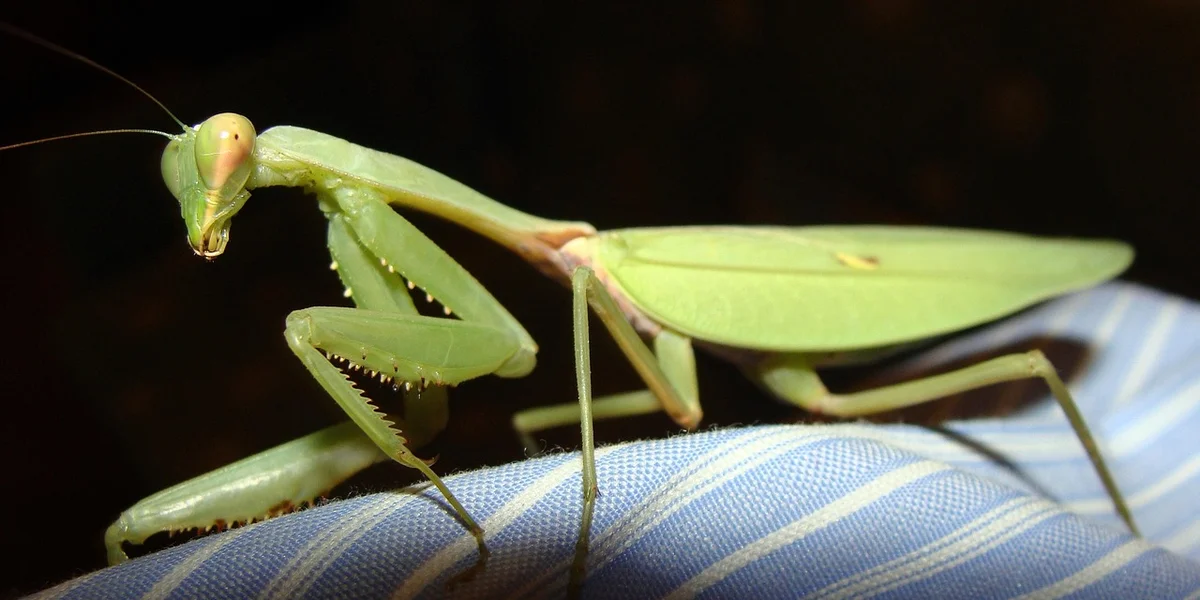
Physical and Behavioral Clues
Your mantis might show a glossy or sticky exoskeleton if it’s too damp. A wet-looking body can make molting difficult and lead to health problems.
Watch for sluggish movements or a lack of interest in food. Behavior changes like these often signal discomfort from excess moisture.
- Physical signs: Damp wings, difficulty climbing, or small fungal spots on the body.
- Behavioral signs: Staying still for hours, ignoring prey, or hiding more than usual.
From my experience with Luna, my Ghost Mantis, I saw her tilt her head less and move slowly when her space was too humid. Noticing these subtle shifts early helps you adjust care quickly.
Environmental Red Flags
Check for constant condensation on enclosure walls that doesn’t fade. Persistent droplets can create a breeding ground for mold and bacteria.
Feel the substrate-if it’s soggy or has a musty smell, it’s too wet. Water pooling at the bottom is a clear warning to reduce misting.
- Inspect for mold growth on leaves or decor.
- Listen for a lack of rustling sounds, as damp conditions quiet your mantis’s movements.
- Note if the air feels heavy and humid long after misting.
With Moss, my Giant Asian Mantis, I learned that a well-ventilated home prevents these issues. Good airflow keeps the environment fresh and safe for your mantis.
Ideal Humidity Levels by Mantis Species
Different species thrive at specific humidity ranges. Matching these levels supports healthy molting and overall well-being.
| Species | Ideal Humidity Range |
|---|---|
| Ghost Mantis | 60-80% |
| Giant Asian Mantis | 50-70% |
| Orchid Mantis | 70-90% |
For Sprig, my Orchid Mantis, I aim for the higher end to mimic her natural habitat. Tailoring humidity to your mantis’s needs prevents stress and promotes vitality.
Adjusting for Dry vs Humid Homes
In dry homes, mist lightly twice a day and add a water dish. Increasing humidity gradually avoids shocking your mantis.
For humid spaces, reduce misting to once daily and ensure proper ventilation. Using a small fan nearby can help balance moisture levels.
- In dry conditions: Use a hygrometer to monitor and add live plants for natural humidity.
- In humid conditions: Open vents or use a dehumidifier if needed, and check for condensation regularly.
We find that observing your mantis’s behavior guides adjustments best. Recognizing signs of stress—such as rapid pacing, lethargy, or a reduced appetite—tells you when the habitat may need fixing. Adjusting humidity, temperature, and shelter can address these issues and help restore balance. Simple tweaks based on your home’s climate keep your pet comfortable and thriving.
Safe Misting Techniques and Schedules
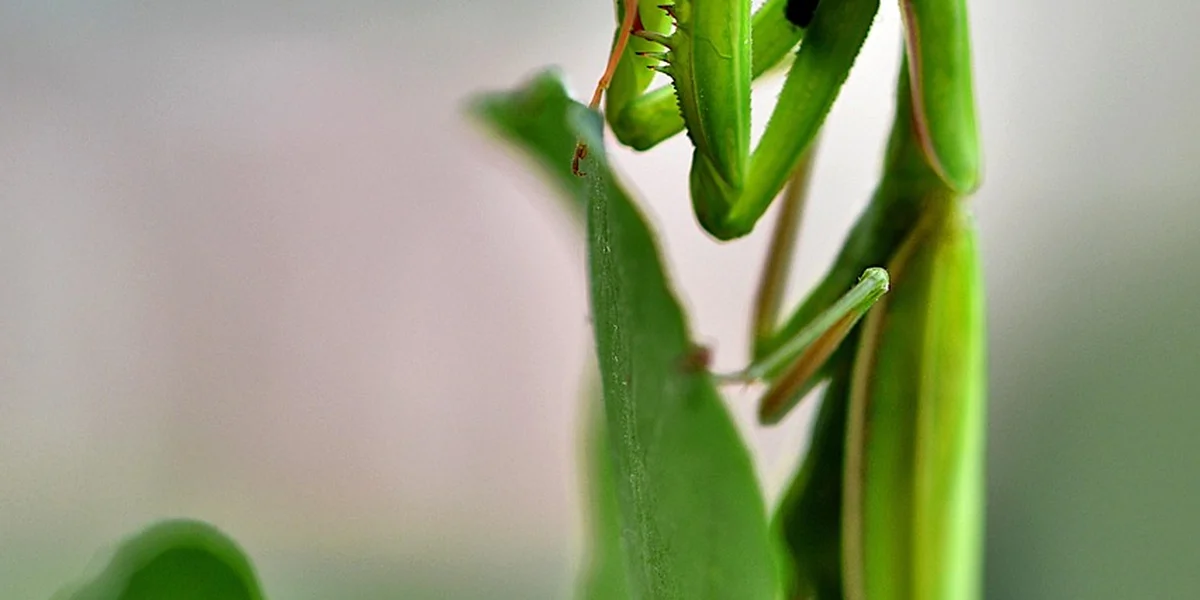
Creating a Hydration Balance
We keep our mantises thriving by misting with a gentle hand, much like tending to delicate houseplants. Aim for a fine mist that lightly coats surfaces without forming puddles, which mimics natural dew and prevents stress.
Start with a simple schedule based on your mantis species and enclosure size. For most common types like our Moss, a quick spray in the morning and evening maintains ideal humidity without saturation. The temperature and humidity ranges vary by species, so tailor the enclosure to your mantis. Keep an eye on the microclimate and adjust as needed.
- Use a small spray bottle set to a fine mist setting for even coverage.
- Focus on leaves and sides of the enclosure, avoiding direct sprays on your mantis.
- Check moisture levels by touch; surfaces should feel damp but not wet.
- Adjust frequency in dry climates or during molting, when extra humidity helps.
Observe your mantis for signs of comfort, such as relaxed posture or drinking droplets. This balance ensures they stay hydrated while reducing mold and respiratory risks from excess moisture.
Fixing Over-Misting Issues Step by Step
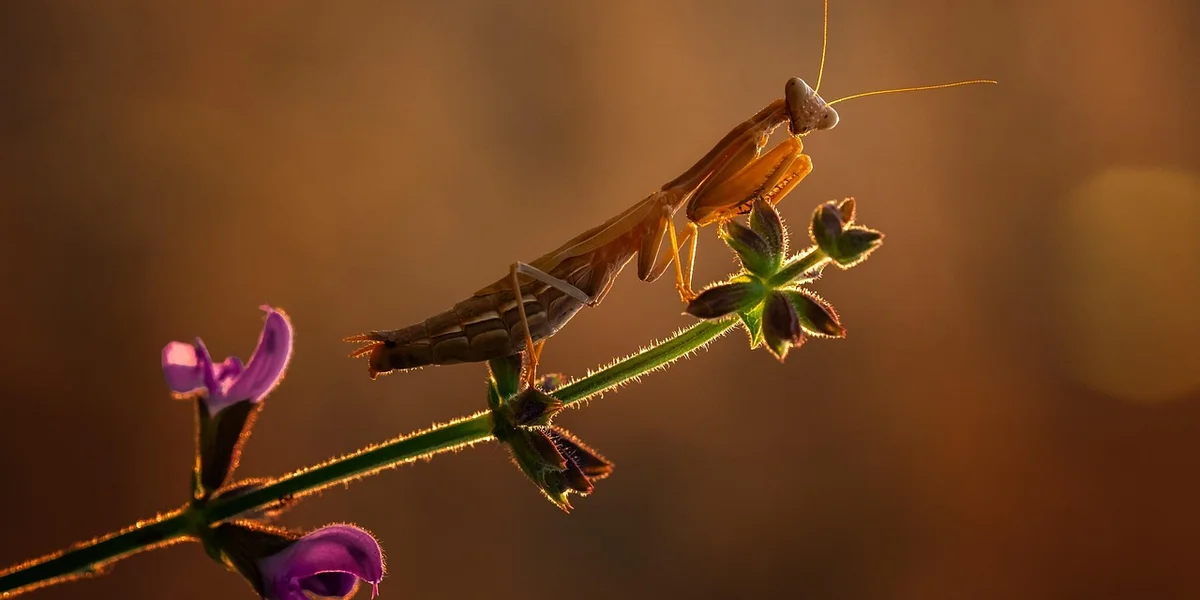
Quick Adjustments for Relief
If you notice water pooling or your mantis avoiding damp areas, act swiftly to restore comfort. Immediately reduce misting to once daily and increase air flow by slightly opening the enclosure lid.
- Gently blot excess water with a soft cloth or paper towel to dry surfaces.
- Move your mantis to a drier spot temporarily, using a spare branch or container.
- Monitor for improved behavior, like more active movement or resumed feeding.
We saw this with Luna, who perked up after we cleared condensation from her tank. Quick fixes like these can prevent health issues and help your mantis feel secure again.
Sustainable Habitat Changes
For long-term health, tweak your setup to naturally regulate humidity. Add ventilation holes or a small fan to promote air circulation, which dries excess moisture without constant intervention.
Choose substrates like coconut fiber or sphagnum moss that absorb water well and release it slowly. These materials create a stable environment, much like a forest floor, and reduce the need for frequent misting.
- Incorporate live plants, such as pothos or ferns, to help manage humidity through transpiration.
- Use a hygrometer to track levels accurately, aiming for 50-70% humidity for most species.
- Place the enclosure away from direct heat or drafts to maintain consistent conditions.
With Sprig, we added a small terrarium plant that kept her space humid yet breathable. Plants are safe and beneficial plants for mantis enclosures, helping regulate humidity and providing enrichment. They mimic a natural habitat while staying low-maintenance. Sustainable changes like these build a resilient habitat where your mantis can flourish with minimal fuss.
Maintaining Perfect Hydration Balance
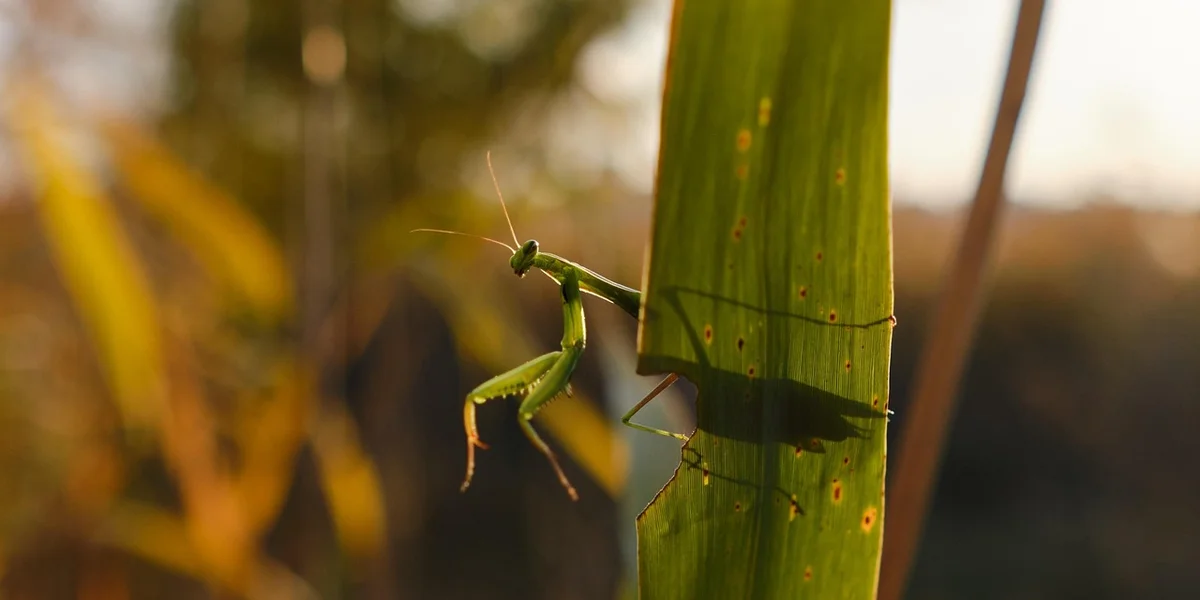
Getting the humidity and hydration just right feels like tuning a delicate instrument—too little, and your mantis may struggle; too much, and you risk their well-being. We find that observing your mantis’s behaviour and the enclosure’s environment daily gives you the best clues to strike that balance. To set up the perfect humidity level in your praying mantis enclosure, start with a baseline humidity and monitor it with a reliable gauge. Then adjust with careful misting and airflow to keep conditions steady.
Why Hydration Balance Matters So Much
Praying mantises absorb moisture through tiny droplets on their bodies and from the air around them, much like how morning dew quenches garden leaves. Proper hydration supports smooth molting, clear vision, and overall vitality, while imbalance can lead to stress or health issues. In a complete hydration guide, we address how often mantises need water and the best ways to keep them hydrated. We’ll also cover signs of dehydration to watch for and safe hydration practices.
Simple Ways to Check Your Mantis’s Hydration
You can gauge hydration levels with a few gentle observations-no special tools needed at first. Look for plump, flexible abdominal segments and active, curious movements as signs your mantis is well-hydrated.
- Watch for drinking behaviour: mantises often sip water droplets from leaves or enclosure walls after misting.
- Check skin elasticity: a hydrated mantis has a slightly rounded abdomen that isn’t shrivelled or sunken.
- Note activity levels: a thirsty mantis might move sluggishly or stay unusually still.
Best Practices for Gentle Misting
Misting should mimic a soft, natural rainfall-brief and refreshing, not a drenching downpour. Use a clean spray bottle with fine mist settings and aim for the sides and décor, not directly at your mantis, to avoid startling them.
- Mist once or twice daily, depending on your room’s humidity-less often in damp climates.
- Spray lightly until droplets form on plants or surfaces, but never leave standing water.
- Time misting for early morning or evening, when mantises are most active and likely to drink.
Personal Tip from Our Mantis Family
With Moss, our Giant Asian Mantis, we noticed he’d tilt his head and slowly approach misted areas, almost like he was savouring the moisture. We learned to mist just enough to create a dewy sheen, which kept his enclosure humid without making it soggy.
Recognising and Avoiding Over-Misting
Over-misting can create a muggy, stagnant environment that encourages mold growth or breathing difficulties. If you see condensation building up heavily on the glass or your mantis avoiding misted spots, it’s a hint to ease up.
- Watch for mold on substrate or food remains-a sure sign humidity is too high.
- Notice if your mantis seems lethargic or hides constantly, which might signal discomfort from excess moisture.
- Use a hygrometer for precise readings; ideal humidity ranges from 50% to 70% for most species.
Adjusting for Different Mantis Types
Species like Orchid Mantises need slightly higher humidity, while others, such as Ghost Mantises, prefer it moderate. Tailor your misting routine to your mantis’s natural habitat-research their origins to guide your approach.
For Sprig, our juvenile Orchid Mantis, we add an extra light misting session to maintain the humid, floral air she thrives in. This careful adjustment helps her delicate petals stay vibrant and her molts go smoothly.
Common Mantis Queries
What are the common causes of antenna loss in praying mantises?
Antenna loss often occurs during a difficult molt or from physical injury while exploring the enclosure. Ensuring proper humidity levels and removing sharp objects can help prevent such accidents.
Can a praying mantis survive with a missing arm?
Yes, praying mantises are resilient and can live a full life with a missing arm by adapting their hunting techniques. Offer pre-killed or disabled prey to make feeding easier during their recovery, especially since mantises cannot regenerate lost limbs.
How does improper misting contribute to body part loss in mantises?
Over-misting can lead to slippery surfaces, causing falls that may result in injuries like lost limbs or antennae. Conversely, under-misting risks stuck molts where body parts can tear away during the process.
Wrapping Up Your Mantis’s Humidity Needs
Keep your praying mantis safe by misting its enclosure lightly and only when the air feels dry, allowing surfaces to breathe between sprays. This balanced approach prevents mold growth and supports your mantis’s natural hydration without overwhelming its delicate system. It’s also important to regular clean and maintain your praying mantis habitat to ensure a healthy environment.
Owning a praying mantis invites you into a world of quiet observation and gentle care. We find that staying curious and learning from each misting session deepens your connection and ensures your tiny friend thrives in its home. To interact safely, handle your mantis with slow, deliberate motions and let it move onto your hand at its own pace. Always observe its comfort and avoid grabbing or pinching.
Further Reading & Sources
- Praying Mantid caresheet – Amateur Entomologists’ Society (AES)
- Mantis Care “For Dummies” – USMANTIS
- Praying Mantis Care Guide – The Critter Depot
- How to Care for your Praying Mantis Pets | PanTerra Pets
Rowan Hale is a lifelong insect enthusiast who fell in love with mantises for their calm presence, alien elegance, and surprising personalities. After years of keeping and raising a variety of species, Rowan shares practical tips, creative insights, and real-world experience to help others enjoy the quiet magic of mantis care. From setting up the perfect enclosure to understanding their subtle behaviors, Rowan invites readers into a gentle, curious world where every tiny movement feels like a discovery.
Temperature and Humidity