
The Role of Barometric Pressure in Mantis Molting and Hatching
Published on: February 16, 2026 | Last Updated: February 16, 2026
Written By: Rowan Hale
Hello fellow mantis friend. Have you ever watched your mantis cling motionless for hours, then suddenly begin its delicate moult, and wondered what subtle signal told it the time was right?
Barometric pressure-the weight of the atmosphere-acts as a crucial, invisible cue that guides both the delicate process of molting and the thrilling emergence of ootheca hatchlings.
This relationship is wonderfully complex, weaving together physics, biology, and instinct. But understanding it is simpler than you might think.
Here are the key ideas we’ll explore together:
- Why a drop in air pressure often signals the perfect moment for a mantis to shed its old skin.
- How pressure changes help synchronize an entire ootheca to hatch at once.
- The vital interplay between falling pressure, rising humidity, and your mantis’s safety.
- Simple ways to monitor these changes and support your pet through its most vulnerable moments.
Think of it as learning to read nature’s silent clock, a skill that deepens your connection to these fascinating creatures.
Understanding Barometric Pressure and Its Role in Mantis Life
Barometric pressure is the weight of the air around us, a constant atmospheric presence we rarely notice. For your mantis, these subtle shifts are vital environmental cues, deeply woven into their survival instincts. Think of it as nature’s own weather forecast, one your mantis interprets with incredible accuracy.
Many invertebrates, including mantises, possess specialized sensory organs called sensilla. These tiny, hair-like structures can detect the most delicate fluctuations in air pressure, humidity, and temperature. A falling barometer often signals an approaching storm-a period of increased humidity that is perfect for the delicate process of shedding an old exoskeleton.
We’ve observed this firsthand with our own mantises. Our Ghost Mantis, Luna, consistently becomes still and refuses food about a day before a major low-pressure system arrives, perfectly timing her molt for the incoming humid conditions. This isn’t a coincidence; it’s an evolved response that maximizes her chances of a successful, clean shed.
How Pressure Changes Signal the Start of a Mantis Molt
When barometric pressure begins its steady decline, it acts as a starting pistol for your mantis’s internal molting clock. The creature’s body enters a pre-molt state, a period of profound physical preparation. You’ll notice distinct behavioral changes that signal this critical phase.
Your mantis will likely display several key signs in the 24 to 48 hours leading up to the molt, so keep a keen eye out for warning signs:
The actual drop in pressure seems to trigger the hormonal cascade that loosens the old exoskeleton from the new one forming beneath it. This is why a sudden spell of rainy, overcast weather so often coincides with a mantis finally beginning its vulnerable shedding process. The humid air prevents the new, soft skin from drying out too quickly.
We remember our Giant Asian Mantis, Moss, as a nymph. He would reliably molt within hours of the first raindrops hitting the window, having hung motionless from the top of his enclosure since the pressure started falling the previous evening. It’s a delicate, perfectly timed dance between the creature and the elements.
To support your mantis during this time, focus on two things:
- Ensure the humidity in the enclosure is slightly elevated, mimicking the natural conditions a pressure drop brings.
- Absolutely avoid any disturbances, handling, or offering food, as this can disrupt the process and lead to a mismolt.
To align with proper enclosure care, ensure the enclosure has gentle, ongoing mantis enclosure ventilation to prevent stagnant air and mold growth while maintaining the humidity level. Use a breathable lid or mesh sides to provide airflow without exposing the mantis to drafts.
By recognizing how your mantis responds to the invisible push and pull of the atmosphere, you can become a more attentive and supportive keeper. You learn to read the silent language of their behavior, anticipating their needs before they become critical.
The Influence of Atmospheric Pressure on Mantis Egg Hatching
Barometric pressure shifts act as a natural signal for mantis eggs, telling them when conditions are right to emerge. Many mantis species time their hatching to coincide with drops in atmospheric pressure, which often precede rain and higher humidity. This clever adaptation helps the tiny nymphs find the moist environment they need right after birth.
We have observed this firsthand with our Ghost Mantis, Luna. Her ootheca hatched during a gentle low-pressure spell, filling the air with the soft rustle of dozens of nymphs breaking free. Pressure changes seem to soften the egg case, making it easier for the young mantises to push their way out. It is a delicate dance between nature’s cues and the eggs’ internal clocks.
- Watch for pressure drops of 5-10 millibars, as these can trigger hatching in many common species.
- Higher humidity often follows low pressure, providing ideal conditions for nymphs to thrive.
- If pressure stays high for weeks, hatching might delay until a storm system moves in.
You might notice the ootheca darkening or feeling slightly softer just before hatching begins. Keeping a simple log of local weather patterns can help you predict when your mantis eggs will hatch. We use a basic barometer next to our enclosures to track these subtle shifts, much like watching for the first signs of spring. How long it takes can vary by species and temperature, but most mantis eggs hatch within a few weeks after laying. Warmer temperatures tend to speed up hatching, while cooler temps slow it down.
Monitoring Barometric Pressure in Your Home Mantis Habitat
Tracking barometric pressure at home is easier than you might think, and it gives you a window into your mantis’s world. Start by placing a small analog barometer near your mantis enclosure, away from direct heat or drafts. This lets you see daily pressure trends without any fancy equipment.
Our Giant Asian Mantis, Moss, seems most active when pressure begins to fall. We often check the barometer each morning, noting any steady declines that might affect his behavior. Digital barometer apps on your smartphone can also provide real-time updates and alerts for pressure changes. Many are free and easy to set up, making them perfect for beginners.
- Choose a reliable barometer or app and calibrate it to your local altitude if needed.
- Record pressure readings at the same time each day to spot patterns over time.
- Adjust misting schedules slightly if pressure drops, as this can boost humidity naturally.
- Keep an eye on forecasted storms, as rapid pressure falls often signal hatching or molting events.
If you notice a significant pressure drop, consider lightly misting the enclosure to mimic the increased humidity that follows. Small adjustments like this can make your mantis feel more secure during sensitive times like hatching or molting. Temperature and humidity are especially important for mantis nymphs, helping them molt and develop smoothly. Keeping these factors steady supports a healthy, active nymph stage. We have found that a consistent monitoring routine helps us anticipate our mantises’ needs, much like tending to a delicate garden.
Do not worry if your readings vary a bit day to day. Focus on the overall trend rather than exact numbers, as mantises are sensitive to gradual shifts. With a little practice, you will start to see how pressure weaves into the rhythm of your pet’s life, from egg to adult. It especially helps when combined with knowledge of their daily and seasonal activity patterns.
Using Pressure Insights to Support Healthy Molts and Hatches
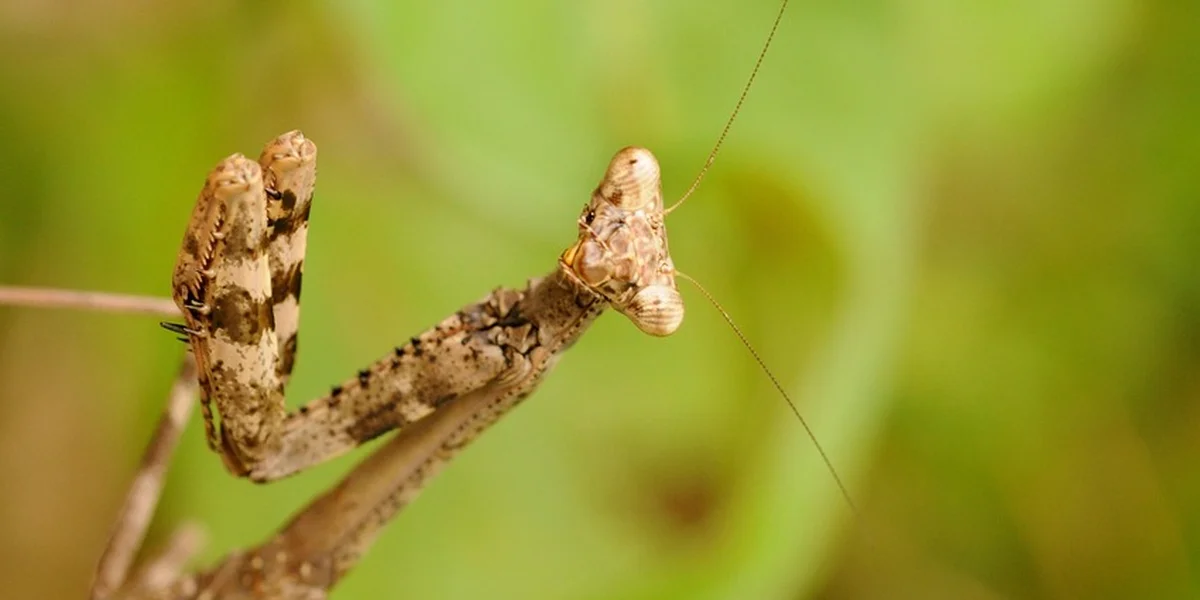
We can use our knowledge of barometric shifts to create safer molting conditions for our mantises. Observing local weather forecasts for approaching low-pressure systems gives you a valuable heads-up that a sensitive molt might be imminent.
Creating a Stable Microclimate
When a pressure drop is forecast, your focus should shift to reinforcing your mantis’s immediate environment. Think of it as preparing a quiet, secure nursery.
- Gently increase enclosure humidity a day before the expected pressure change through more frequent, light misting.
- Ensure your mantis has several sturdy, textured hanging points at different heights to choose from.
- Minimize all disturbances-avoid moving the enclosure, limit loud noises, and pause any handling.
My Ghost Mantis, Luna, always seeks the highest corner of her mesh lid about 12 hours before a storm arrives. This pre-molt behavior is a clear signal she needs peace and stability.
Supporting Ootheca Hatching
For mantis egg cases, or oothecae, replicating the natural pressure cues of spring can encourage synchronous hatching. If you’re aiming to hatch praying mantis eggs successfully, follow a simple step-by-step plan to guide the process. By paying attention to humidity and gradual exposure, you can support a smooth, synchronized hatch.
- Keep the ootheca in its normal, stable conditions for the bulk of its incubation.
- About a week before the expected hatch date, begin simulating spring-like conditions.
- Use a small refrigerator or wine cooler for a gentle, controlled overnight temperature drop.
- In the morning, return the ootheca to its warm spot and give it a thorough, warm misting.
This daily cycle of slight cooling and warming mimics the natural pressure and temperature fluctuations that trigger nymphs to emerge together. The first time we tried this, our Giant Asian mantis ootheca hatched nearly 50 tiny, wriggling nymphs within a single afternoon.
Addressing Common Molting and Hatching Challenges Linked to Pressure
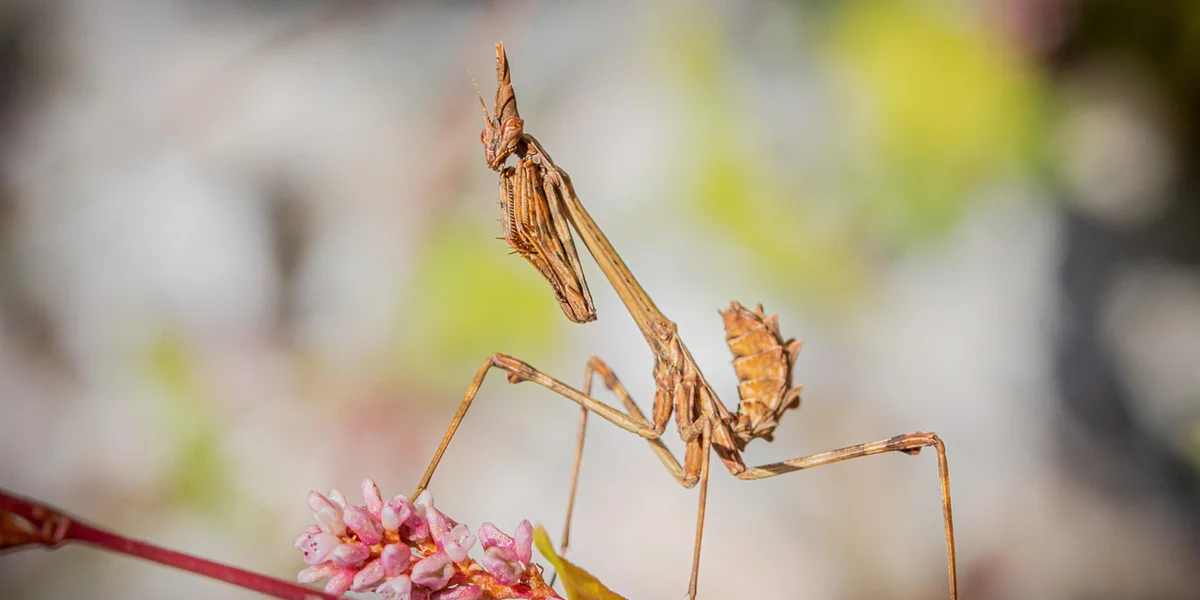
Sometimes, despite our best efforts, molts don’t go as planned. Recognizing the role of pressure can help us troubleshoot.
Failed Molts and Deformities
A sudden, drastic pressure drop can cause a mantis to initiate its molt before it is fully ready. This premature ecdysis often results in the new exoskeleton not hardening properly, leading to limb deformities or a fatal inability to shed the old skin completely.
- Symptom: Mantis gets stuck partway out of its old skin.
- Pressure Link: Often follows an abrupt, severe low-pressure front.
- Action: Carefully increase humidity to 80-90% to soften the old exoskeleton. Do not attempt to pull the mantis free.
We learned this the hard way with Moss, who once molted just as a thunderstorm broke overhead; he was left with a slightly crooked foreleg, a permanent reminder of nature’s powerful influence.
Delayed or Asynchronous Hatching
An ootheca that hatches over many days or weeks, or not at all, often points to insufficient environmental triggers. Recognizing the common mistakes can help improve outcomes. This article outlines 9 ootheca care mistakes that prevent successful hatching and how to avoid them.
- Symptom: Only a few nymphs emerge over a long period.
- Pressure Link: The ootheca was kept in conditions that were too stable, lacking the pressure and temperature swings of spring.
- Action: Try the controlled cooling and warming cycle described above. Ensure humidity is adequate, as dry air can also delay hatching.
Patience is your greatest tool, as some species naturally have more staggered hatches than others. Giving the ootheca more time and introducing gentle environmental cycles can often resolve the issue. For breeders, using a quick ootheca not hatching troubleshooting checklist can help. It guides you to check timing, temperature, and humidity before taking further steps.
Refusal to Molt
If a mantis seems to delay molting indefinitely, even when it looks plump and ready, consider the atmospheric conditions.
- Symptom: Mantis is visibly full-sized but avoids initiating a molt for a prolonged time.
- Pressure Link: It may be waiting for the instinctual “green light” of a favorable pressure drop that never comes in our climate-controlled homes.
- Action: Focus on providing perfect husbandry-optimal humidity, abundant hydration, and zero stress. The mantis will eventually molt when its internal clock decides it can wait no longer.
Creating a consistently safe and resource-rich environment is the most reliable way to override uncertain external pressure cues. Your careful attention can compensate for what the weather outside cannot provide.
Essential Tools and Tips for Pressure-Aware Mantis Care
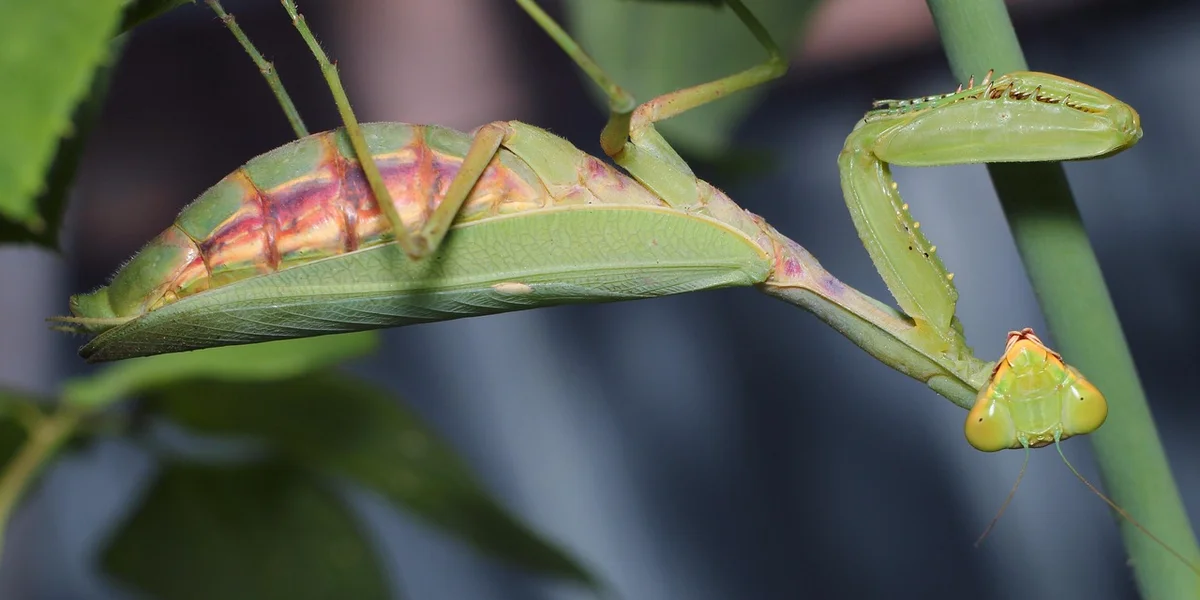
Monitoring barometric pressure helps you support your mantis through delicate stages like molting and hatching. We find that a few simple tools and mindful habits can transform how your mantis responds to weather shifts, reducing stress and encouraging natural behaviors. Think of it as tuning into the subtle whispers of the atmosphere to keep your tiny companion comfortable.
Must-Have Tools for Tracking Pressure Changes
Start with reliable devices that give you clear insights into daily pressure fluctuations. A digital barometer placed near the enclosure provides instant readings, letting you spot trends before they affect your mantis. Many models sync with smartphone apps for alerts, so you never miss a drop or rise.
- Digital Barometer: Offers precise measurements and often includes humidity and temperature sensors for a full environmental picture.
- Weather Station with Barometer: Compact units that display real-time data, ideal for keeping in the same room as your mantis habitat.
- Smartphone Weather Apps: Free options like AccuWeather or local meteorological apps give hourly pressure forecasts with minimal effort.
For a hands-on approach, an analog barometer adds a touch of vintage charm to your space. I keep one on the shelf near Moss’s tank, and its gentle needle movements remind me to check conditions throughout the day. This habit has helped me notice when pressure dips coincide with his restlessness before a molt.
Daily Practices for Pressure-Responsive Care
Incorporate pressure awareness into your routine with easy, consistent steps. Begin by observing how your mantis acts during pressure shifts-some cling tighter to branches, while others become more exploratory. Luna, for example, often retreats to her favorite leaf when pressure falls, as if seeking shelter from an unseen breeze.
- Check Pressure Readings Morning and Evening: Note any sharp changes that could signal upcoming storms or clear spells.
- Adjust Misting Schedules: Increase light mistings when pressure drops to maintain humidity, mimicking the moist air mantises enjoy before rain.
- Stabilize Enclosure Temperature: Avoid placing habitats near windows or vents where drafts can exaggerate pressure effects on your mantis’s comfort.
- Watch for Behavioral Cues: Look for reduced movement or altered feeding patterns, which might indicate sensitivity to pressure swings.
Small, steady adjustments make a big difference over time. By maintaining a calm environment, you help your mantis feel secure even as the weather outside shifts dramatically. We’ve watched Sprig settle into molting more peacefully since we started tuning our care to barometric rhythms.
Creating a Pressure-Stable Habitat
Design your mantis’s space to buffer against sudden pressure changes. Use well-ventilated but enclosed containers to minimize air current disruptions that can stress molting mantises. A terrarium with a secure lid helps maintain consistent internal conditions, much like a cozy greenhouse sheltering tender plants.
- Choose Enclosures with Adjustable Ventilation: Mesh tops allow airflow while reducing drafts, perfect for species like Ghost Mantises that prefer stillness.
- Add Live Plants: Pothos or ferns not only beautify the space but also help regulate humidity, softening the impact of pressure drops.
- Position Away from External Influences: Keep habitats in interior rooms less affected by door openings or weather extremes.
Personalize the setup based on your mantis’s habits and your home’s microclimate. I often place a small, damp sponge in Moss’s enclosure during low-pressure days to gently boost moisture without over-misting. This simple trick has prevented many a mismolt, keeping his emerald coat vibrant and intact. You can learn more about maintaining proper moisture levels in how to set up the perfect humidity level for your praying mantis enclosure.
Common Mantis Queries
How does barometric pressure affect mantis feeding habits?
Barometric pressure drops can temporarily reduce a mantis’s appetite as they focus energy on molting preparation. Stable pressure usually supports regular feeding, so monitor changes to adjust care accordingly.
Are all mantis species equally sensitive to barometric pressure changes?
Sensitivity varies by species, with some relying more on pressure cues for molting and hatching than others. Observing your mantis’s unique reactions will help you tailor your approach to its needs.
What if my home’s barometric pressure remains constant?
In stable indoor environments, mantises may rely more on humidity and temperature cues instead of pressure shifts. Maintaining optimal enclosure conditions can help trigger natural behaviors without external pressure changes.
Gentle Guidance for Your Mantis’s Milestones
Keep a close eye on local weather shifts, as subtle drops in barometric pressure often signal your mantis is ready to molt or hatch, and maintain a humid, undisturbed enclosure to support these delicate transitions. By mimicking nature’s gentle cues, you provide a safe space for your mantis to shed its skin or emerge with confidence. To further support these moments, create a naturalistic, safe habitat with realistic foliage and sturdy branches. This setup helps your praying mantis feel secure and encourages healthy molts.
Responsible mantis care means observing each individual’s unique rhythms and adapting your approach as they grow, ensuring their well-being through every life stage. We encourage you to stay curious and keep learning, deepening your connection with these fascinating creatures through ongoing research and shared experiences.
Further Reading & Sources
- Praying mantis molting care. Mismolt The Mantis Top Killer. – USMANTIS
- Molting Praying mantis molting care sheet. Mismolt – USMANTIS
- Mantis Care “For Dummies” – USMANTIS
- Molting – mantis monarch
Rowan Hale is a lifelong insect enthusiast who fell in love with mantises for their calm presence, alien elegance, and surprising personalities. After years of keeping and raising a variety of species, Rowan shares practical tips, creative insights, and real-world experience to help others enjoy the quiet magic of mantis care. From setting up the perfect enclosure to understanding their subtle behaviors, Rowan invites readers into a gentle, curious world where every tiny movement feels like a discovery.
Temperature and Humidity