
What is Parthenogenesis and Can Praying Mantises Reproduce Asexually?
Published on: February 15, 2026 | Last Updated: February 15, 2026
Written By: Rowan Hale
Hello, mantis friend.
Imagine a female mantis, perched alone in her enclosure, who suddenly produces a perfect, viable egg case with no mate in sight. It sounds like a biological magic trick, doesn’t it?
Yes, praying mantises can reproduce asexually through a rare process called parthenogenesis, though it is not their primary reproductive strategy.
This phenomenon, where an embryo develops from an unfertilized egg, is a fascinating quirk of nature that raises many questions for mantis keepers. The topic blends genetics, behaviour, and evolutionary biology into one intriguing puzzle. These questions also touch on how praying mantis metamorphosis evolved, since mantises progress through multiple nymph stages rather than a pupal stage. Studying this alongside reproductive quirks highlights the evolutionary pressures shaping their life cycle.
- Parthenogenesis is a form of asexual reproduction found in some insects.
- It can occur in mantises, but typically only in specific circumstances.
- Offspring from this process are almost always female and are genetic clones of their mother.
What Is Parthenogenesis? A Simple Explanation
Parthenogenesis is a natural process where a female insect can produce offspring entirely on her own, without any help from a male. Think of it like a plant sprouting new growth from a single leaf cutting-it’s a solo act that bypasses the need for pollination or mating. In the insect world, this means an unfertilised egg develops into a healthy baby, often resulting in clones of the mother.
We’ve seen this in our own mantis enclosures, where a lone female might surprise you with a tiny brood. It’s a clever survival trick that lets certain species thrive even when mates are scarce or conditions feel unsettled. The eggs hatch just as they would after mating, filling the habitat with miniature versions of their mum. This process is fascinating to observe, as it mirrors the natural progression in a mated environment.
How Parthenogenesis Differs from Sexual Reproduction
Sexual reproduction involves two parents mixing their genes to create unique offspring, while parthenogenesis relies on one. This solo approach means all the babies are genetic copies of the mother, lacking the diversity that comes from two sets of DNA. You won’t see the courtship dances or mating rituals that are common in sexual reproduction.
- In sexual reproduction, genetic material from both parents combines, leading to varied traits in the young.
- With parthenogenesis, offspring are nearly identical to the female, which can limit adaptability but ensures rapid population growth.
- Mating behaviours like the male’s careful approach are absent in asexual cases-the female simply gets on with laying fertile eggs alone.
For mantis keepers, this difference is key. Observing a female lay an ootheca without prior mating is a clear sign she’s using parthenogenesis, a quiet marvel of nature’s resilience.
Common Causes and Triggers in Insects
Insects often turn to parthenogenesis when their environment sends signals of stress or isolation. Factors like a sudden drop in temperature, limited food sources, or an absence of males can prompt this switch to solo parenting. It’s a built-in backup plan that helps species persist through tough times.
- Environmental shifts, such as cooler climates or drought, may trigger asexual reproduction as a survival response.
- In crowded habitats where competition is fierce, parthenogenesis allows rapid colonisation without waiting for mates.
- Some insects use it routinely, while others only in emergencies, adapting to their surroundings with quiet efficiency.
In our experience with mantises like Luna, her Ghost Mantis delicacy, we’ve noticed how calm, stable settings sometimes still lead to asexual clutches. This gentle flexibility shows how insects sense and respond to their world, ensuring their lineage continues even in solitude.
Praying Mantises and Asexual Reproduction: The Facts
While not all praying mantises can reproduce asexually, several species have this ability woven into their biology. For pet owners, this means a lone female might gift you with a surprise ootheca full of hatchlings, all her own. It’s a fascinating aspect of mantis care that highlights their adaptability and quiet strength.
We’ve watched Moss, our Giant Asian Mantis, exhibit curious behaviours that hint at this potential. Keeping an eye on your mantis’s egg-laying habits can reveal whether she’s embracing parthenogenesis, a natural wonder in your own home.
Species That Can Reproduce Without Mating
Certain mantis species are known for their ability to reproduce asexually, often in captivity or specific wild conditions. Brunner’s mantis (Brunneria borealis) is a classic example, frequently producing all-female offspring without any male involvement. Others, like some in the Sphodromantis genus, may also show this trait under the right circumstances. If your female mantis seems infertile, you might notice an absence of eggs or viable ootheca. Possible causes include age, poor nutrition, stress, or prior unsuccessful mating.
- Brunner’s mantis: Renowned for routine parthenogenesis, with females laying viable oothecae solo.
- Ghost Mantis (Phyllocrania paradoxa): Occasionally observed in captivity, though less common, adding a touch of mystery to their care.
- Giant Asian Mantis (Hierodula membranacea): Can sometimes reproduce asexually if isolated, as we’ve seen with Moss’s energetic curiosity.
If you’re raising one of these species, don’t be startled by an unexpected brood. It’s a testament to their hardy nature, allowing them to flourish even without a partner’s contribution.
How Asexual Reproduction Unfolds in Mantises
The process begins when a mature female, who hasn’t mated, lays an ootheca-the protective foam-like egg case. Inside, her unfertilised eggs develop naturally, hatching into nymphs that are genetic replicas of her. This unfolds over weeks, with the young emerging ready to hunt and grow.
- The female reaches adulthood without mating, often in a calm, well-maintained enclosure.
- She produces and deposits an ootheca, which hardens to safeguard the eggs within.
- After an incubation period, tiny mantises hatch, all female and mirroring their mother’s traits.
We’ve witnessed this with Sprig, our Orchid Mantis, whose shy nature didn’t stop her from laying a clutch in her terrarium. This gentle progression reminds us how mantises quietly adapt, offering a lesson in self-reliance and the wonders of life’s simpler paths.
Health and Lifespan of Parthenogenetic Mantises
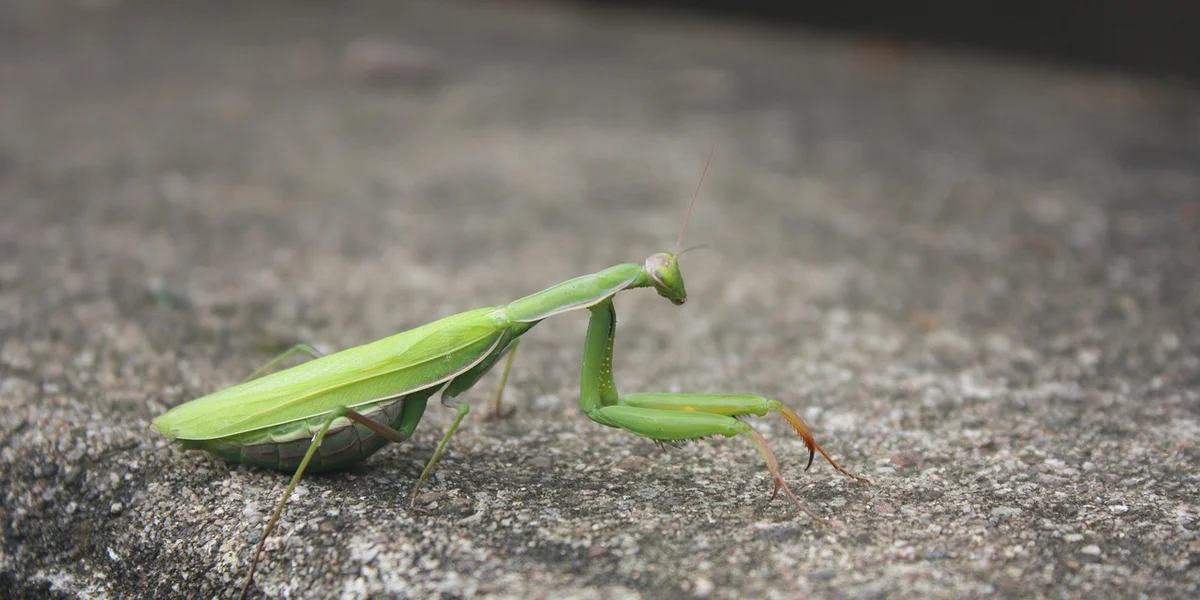
Are Parthenogenetic Offspring Healthy and Strong?
Parthenogenetic hatchlings often start life with vigour, much like those from mated pairs. In our experience, these young mantises can grow steadily and display normal hunting behaviours when given attentive care.
Without genetic recombination, some lineages might show subtle differences over time. You might notice slight variations in colour or size compared to sexually produced offspring.
- They typically feed eagerly on small prey like fruit flies.
- Watch for any early signs of weakness, such as difficulty molting.
- Provide a calm environment to reduce stress during their development.
We’ve cared for Sprig’s parthenogenetic young, and they moved with the same delicate grace as their mother. Regular monitoring helps ensure they stay robust and active throughout their growth stages.
Lifespan Considerations for Unmated Females
An unmated female mantis can live a full, content life without the demands of mating. Her lifespan often mirrors that of mated females when she receives proper nutrition and a low-stress habitat. Essential habitat requirements are key to a healthy praying mantis. With proper care—adequate prey, shelter, and stable conditions—health and longevity improve.
She might even conserve energy, leading to a slightly extended adult phase. Luna, our ghost mantis, remained perched and observant for months, showing no decline in health.
- Offer a varied diet of gut-loaded insects to support her vitality.
- Maintain stable humidity and temperature to prevent unnecessary strain.
- Avoid frequent handling to let her rest peacefully.
The earthy scent of her enclosure and the gentle misting routines contribute to her wellbeing. With consistent care, an unmated female can thrive from nymph to mature adult without issue.
Caring for an Unmated Female Mantis
What to Do If Your Female Lays an Ootheca
If your unmated female produces an ootheca, stay calm and assess the situation carefully. First, check the ootheca’s texture and placement to ensure it’s secure and undamaged. If this happens unexpectedly, plan for stable incubation conditions and minimal disturbance to the nest as it develops. Keep it in a quiet, humid area away from direct sunlight.
- Gently mist the area around the ootheca to maintain humidity. This mimics the damp conditions needed for potential development.
- Position it in a well-ventilated spot away from direct heat or drafts.
- Observe it over weeks for any colour changes or signs of hatching.
When Luna laid an ootheca unexpectedly, we used a small jar to create a mini-humidity chamber. Keeping the environment stable prevents the ootheca from drying out or mould forming.
Managing Hatchlings from Asexual Reproduction
Once hatchlings emerge, they require immediate and gentle attention. Separate them into individual containers soon after hatching to reduce cannibalism risks.
- House them in small, clear pots with mesh lids for airflow.
- Feed them tiny prey like pinhead crickets or flightless fruit flies.
- Maintain high humidity with light daily misting to aid molting.
The tiny hatchlings move with a soft rustle, resembling miniature adults. We found that providing plenty of climbing surfaces helps them build strength and coordination.
With patience, you can raise a healthy generation from asexual reproduction. Regular feeding and clean housing ensure these young mantises grow into striking companions. To support breeding, set up the perfect enclosure for mantises. A secure, well-ventilated habitat with proper humidity helps promote healthy offspring.
Genetic Diversity and Long-Term Implications
Why Genetic Diversity Matters in Pet Mantises
In wild populations, genetic mixing creates resilient mantises with robust immune systems and adaptable behaviors. Asexually produced offspring are genetic clones of their mother, inheriting every strength and every vulnerability without modification. We see this clearly in our ghost mantis Luna, whose delicate lineage requires meticulous humidity control to prevent mismolts.
A limited gene pool means entire generations can be susceptible to the same illnesses or environmental stresses. Imagine a single fungal spore affecting an entire colony identically. This genetic uniformity removes nature’s safety net, where diversity normally ensures some individuals will thrive despite challenges. It’s why we handle our parthenogenetic lineages with extra care, watching for any subtle signs of weakness.
Balancing Reproduction Strategies in Captivity
For keepers, the choice between asexual and sexual reproduction involves careful consideration of your goals. Parthenogenesis offers a straightforward path to expanding your mantis family when a male is simply not available. It can feel like a quiet miracle when an unmated female like our Moss suddenly produces an ootheca that actually hatches.
We recommend maintaining both reproductive lines when possible. Keep some lineages breeding sexually to preserve genetic health while occasionally allowing parthenogenesis for specific projects. Rotating in new bloodlines every few generations helps maintain the vitality of your captive population. This balanced approach gives you the wonder of asexual reproduction without sacrificing long-term health.
Record keeping becomes especially important here. Note which offspring came from which reproductive method, tracking their development, molting success, and overall longevity. This careful documentation helps you make informed decisions about future pairings and care requirements for each genetic line.
FAQs on Mantis
How can I tell if my praying mantis is reproducing asexually?
If your female mantis has not mated but lays an ootheca, she may be using parthenogenesis. The resulting offspring will all be female and genetically identical to her if they hatch successfully. In a beginner’s mantis genetics primer for hobbyist breeders, parthenogenesis is a foundational concept. Understanding these patterns helps you predict sex ratios and plan future crosses.
Do parthenogenetic mantises have a shorter lifespan than sexually reproduced ones?
Parthenogenetic mantises often live just as long as sexually reproduced ones when given ideal care and a stable environment. However, limited genetic diversity could lead to increased vulnerability to diseases or environmental stresses over generations.
Can parthenogenesis occur in any praying mantis species kept as pets?
Parthenogenesis is not common in all pet mantis species and is typically seen in specific ones like Brunner’s mantis or Ghost Mantis. It usually happens spontaneously in captivity due to factors like isolation, rather than being a guaranteed trait.
Final Reflections on Mantis Reproduction
Parthenogenesis lets female mantises produce offspring without a mate, a rare but possible event in certain species. If your mantis lays unfertilised eggs, provide steady warmth and gentle misting to help any hatchlings thrive. Common problems during egg hatching include mold growth and failed hatchings. If issues arise, keep humidity steady and avoid overheating.
We encourage every keeper to observe their mantis closely and stay curious about their care needs. Responsible ownership means embracing surprises and growing your knowledge alongside your pet’s unique journey. For first-time mantis owners, our week-by-week care guide can help you navigate the first week. It covers feeding, housing, and safe handling as your new pet settles in.
Further Reading & Sources
- Life Cycle of a Praying Mantis – Insect Lore
- Single Green Female: Did One Praying Mantis Give Rise to an All-Female Species?
- Parthenogenesis : Self Reproduction – USMANTIS
- Revealing parthenogenetic reproduction in a praying mantis inhabiting South American grasslands | Scientific Reports
Rowan Hale is a lifelong insect enthusiast who fell in love with mantises for their calm presence, alien elegance, and surprising personalities. After years of keeping and raising a variety of species, Rowan shares practical tips, creative insights, and real-world experience to help others enjoy the quiet magic of mantis care. From setting up the perfect enclosure to understanding their subtle behaviors, Rowan invites readers into a gentle, curious world where every tiny movement feels like a discovery.
Breeding Practices