
How to Create a Vertical Temperature Gradient in Your Mantis Enclosure
Published on: January 19, 2026 | Last Updated: January 19, 2026
Written By: Rowan Hale
Hello, mantis friend. Have you ever watched your mantis slowly climb to the very top of its enclosure and settle there for hours, perfectly still? That isn’t just a quirk-it’s a sophisticated piece of behavioural thermoregulation.
The most effective way to create a vertical temperature gradient is by placing a single, regulated heat source on one side of the enclosure, allowing the warmth to rise naturally and create a cooler zone on the opposite side.
Getting this temperature layering right might seem complex, but it’s simply about mimicking the natural thermal choices a mantis would make in the wild. We’ll guide you through a straightforward setup.
Your key takeaways for a perfect gradient are:
- Strategic placement of a single, safe heat source.
- Accurate temperature monitoring at multiple heights.
- Ensuring a distinct cool zone for your mantis to retreat to.
Understanding Vertical Temperature Gradients and Their Role in Mantis Health
A vertical temperature gradient means the warmth varies from the top to the bottom of your mantis enclosure, much like how sunlight filters through a forest canopy. This setup lets your mantis move freely to find its perfect comfort zone, whether it needs a toasty spot for digestion or a cooler area to rest.
In the wild, mantises instinctively seek out different microclimates to regulate their body heat. By mimicking this in captivity, you support their natural behaviours and reduce stress during critical times like molting or after feeding. Understanding these natural behaviors is crucial to ensure their health.
Our own Ghost Mantis, Luna, often perches higher when she’s active but retreats to the enclosure’s base when her skin feels tender before a molt. Observing these subtle shifts helps us fine-tune the environment for her wellbeing.
- Better digestion: Warmth aids in breaking down prey.
- Enhanced activity: Encourages natural hunting and exploration.
- Safer molting: Prevents stuck skin by allowing temperature choice.
Without a gradient, your mantis might become lethargic or struggle with health issues. Providing this choice is a simple way to boost their overall vitality and happiness.
Selecting the Right Heat Sources for Your Mantis Terrarium
Choosing the best heat source is key to building a safe and effective vertical gradient in your mantis home. We always opt for equipment that offers gentle, consistent warmth without risking burns or sudden spikes.
Think about the size of your enclosure and your mantis species-some, like Moss, our Giant Asian Mantis, thrive with a bit more heat, while others prefer milder conditions. Starting with the right tools makes all the difference in creating a stable habitat. Choose an enclosure that matches your mantis species’ specific needs, since different species thrive in different layouts. Research each species’ enclosure requirements before setting up to ensure a proper fit.
Heat Mats and Their Ideal Placement
Heat mats are thin, adhesive pads that provide steady, low-level warmth from the sides or back of the terrarium. Placing them on the enclosure’s exterior avoids direct contact and prevents overheating the substrate where your mantis might rest.
For smaller setups, like a mason jar temporary home, a mini heat mat on one side can create a lovely warm nook. Always pair them with a thermostat to keep temperatures in check and avoid any accidental scorching.
- Position on the back or side wall for an even heat spread.
- Ensure there’s a gap for air circulation to prevent moisture buildup.
- Check regularly for any signs of wear or damage.
In our experience, this method works wonders for juvenile mantises like Sprig, who enjoy a gentle warmth without intense light. It’s a budget-friendly option that’s easy to install and monitor.
Heat Lamps and Infrared Options
Heat lamps, including infrared bulbs, emit radiant warmth from above, simulating the sun’s natural rays. They’re excellent for taller enclosures where you want a distinct warm zone at the top and cooler areas below.
Infrared options are particularly gentle, as they don’t produce bright light that could disturb your mantis’s day-night cycle. The soft, penetrating heat encourages basking and can help with digestion after meals.
We’ve noticed Moss becomes more lively under a low-wattage infrared lamp, often stretching out to absorb the cozy glow. Just be mindful of placement to avoid drying out the enclosure-aim for a fixture that hangs safely above the mesh lid.
- Choose a bulb with appropriate wattage for your terrarium size.
- Position it off-centre to create a gradient rather than uniform heat.
- Use a timer to maintain consistent day and night cycles.
This approach adds a sensory richness, with the lamp’s warmth evoking a sunny clearing in a quiet wood. It’s a reliable way to support your mantis’s natural instincts without overwhelming their space.
Using Thermostats for Reliable Temperature Control
Thermostats are essential gadgets that automatically adjust your heat source to maintain a set temperature range. They prevent dangerous fluctuations that could stress or harm your mantis, especially during sensitive periods like molting.
Setting one up is straightforward-connect it to your heat mat or lamp, place the probe in the warmest part of the enclosure, and dial in your desired settings. This hands-off approach gives you peace of mind and ensures a stable environment day and night.
We rely on thermostats for all our mantis homes, and it’s made a noticeable difference in Luna’s calm demeanour. Regular checks with a separate thermometer help verify everything is running smoothly.
- Select a thermostat with a probe for accurate readings.
- Calibrate it weekly to ensure precision.
- Keep spare batteries on hand for uninterrupted operation.
By integrating a thermostat, you create a self-regulating system that mimics nature’s dependable rhythms. Your mantis will thank you with healthy growth and vibrant behaviour.
Step-by-Step Setup for a Perfect Vertical Temperature Gradient
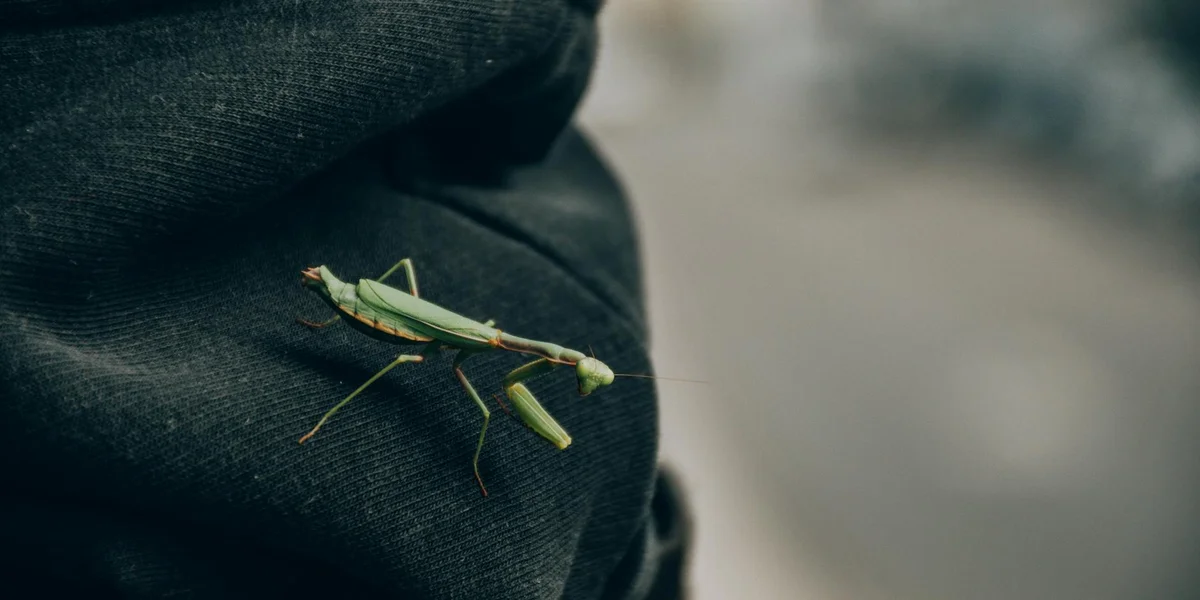
Creating a vertical temperature gradient starts with selecting the right heat source for your mantis enclosure. We prefer using a low-wattage heat mat or a small ceramic heat emitter placed on one side of the enclosure to mimic natural warmth from above or below. This setup allows your mantis to move freely between warmer and cooler zones, just like they would in the wild. Make sure to safely heat the enclosure without overheating to keep your mantis comfortable and healthy.
Position the heat source carefully to avoid direct contact with delicate mantis limbs. For Moss, my energetic Giant Asian Mantis, I attach the heat mat to the outside of the glass on the upper third of the enclosure, which encourages him to climb and explore different temperature levels. This method prevents overheating and gives him control over his comfort.
- Choose a heat source suited to your enclosure size-a 5-10 watt mat works well for most small terrariums.
- Place the heat source on one side, either top or bottom, to create a distinct warm area and a cooler opposite side.
- Test the initial setup with a thermometer before introducing your mantis, aiming for a 5-8°C difference between zones.
- Add climbing structures like twigs or mesh to help your mantis access all levels easily.
- Adjust the heat source height or wattage based on your mantis’s behavior-if they avoid the warm spot, it might be too hot.
Observing your mantis’s movements will tell you if the gradient is working. Luna, my Ghost Mantis, often perches midway up the enclosure, tilting her head as if deciding between the cozy warmth and the crisp, cool air below. This natural behavior shows she feels secure in her environment.
Monitoring Temperature and Humidity in Your Mantis Enclosure
Keeping a close eye on temperature and humidity ensures your mantis thrives in a stable microclimate. Regular checks with reliable tools help you spot changes before they affect your pet’s health, much like tending to a delicate plant in a greenhouse. We find that a consistent routine prevents stress and supports molting.
Thermometer Placement for Accurate Readings
Place thermometers at different heights to capture the full range of temperatures in the gradient. Position one near the top close to the heat source, another at mid-level where your mantis might rest, and a third at the bottom for the coolest reading. This trio of readings gives you a complete picture of the enclosure’s climate.
Digital thermometers with probes offer the most precise data. For Sprig, my shy Orchid Mantis, I use a small digital unit with a probe placed just above her favorite perch, so I can monitor the warmth without disturbing her delicate petals. Avoid analog stick-on types, as they can be less accurate and might not reflect the true conditions your mantis experiences.
- Top zone: Aim for 25-30°C for basking, depending on species.
- Mid-zone: A comfortable 22-25°C encourages activity.
- Bottom zone: Keep it around 18-22°C for cooling off.
Check temperatures at least twice daily, especially during seasonal changes. Subtle shifts in your mantis’s behavior, like Moss spending more time in cooler areas, can signal it’s time to tweak the heat settings. This attentive approach helps maintain a harmonious environment.
Balancing Humidity with Heat for a Healthy Microclimate
Heat can dry out the air quickly, so balancing humidity is key to preventing dehydration and aiding molting. We mist the enclosure lightly with warm water in the mornings and evenings, creating a gentle humidity boost that evaporates slowly throughout the day. This mimics the dew-kissed leaves of a natural habitat.
Use a hygrometer to track humidity levels, aiming for 50-70% depending on your mantis species. To set up the perfect humidity level for your praying mantis enclosure, place the hygrometer where it reads true air conditions. Then adjust misting and ventilation to keep that target range steady. In Luna’s setup, I place the hygrometer away from direct misting spots to avoid false readings, ensuring she has the moist air she needs for her delicate frills to stay supple. Too much humidity combined with heat can lead to mold, so good ventilation is essential.
- Mist with distilled or filtered water to avoid mineral buildup.
- Increase ventilation with small mesh panels if humidity stays too high.
- Adjust misting frequency based on temperature-warmer days may need more frequent light sprays.
Watch for signs of imbalance, like difficulty molting or lethargy. Sprig’s enclosure benefits from a pebble tray filled with water beneath the heat source, which adds steady humidity without making things soggy. This simple trick keeps her microclimate lush and safe.
Troubleshooting Common Temperature Gradient Issues
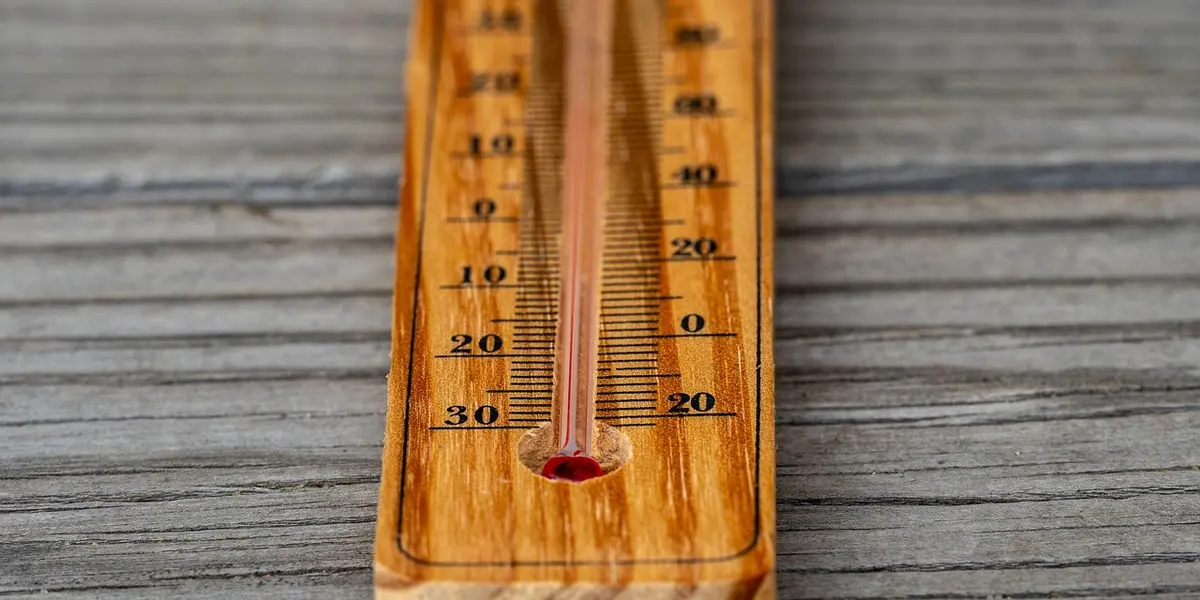
Even with careful setup, your mantis enclosure might develop uneven temperatures that need a quick fix. We find that regular checks with a digital thermometer at various heights can catch problems before they stress your mantis. Temperature and humidity both matter for nymphs. Mantis nymphs need steady warmth and moderate humidity to molt and grow properly.
Fixing Cold Spots and Hotspots
Cold spots often form near the enclosure’s bottom, while hotspots lurk too close to the heat source. To balance things out, try moving the heat lamp slightly off-centre or adding a small, low-wattage heat mat on one side for gentle warmth.
Here’s a simple step-by-step approach to tackle uneven temperatures:
- Check temperatures at the top, middle, and bottom using a reliable thermometer.
- If a spot is too cold, raise the heat source or add a reflective backdrop to direct warmth.
- For hotspots, lower the heat intensity or increase ventilation with a small mesh panel.
- Test adjustments over a few hours to ensure stability.
With my mantis Moss, I noticed he avoided one corner-turns out it was a chilly patch I fixed by propping a thin cork bark slice to redirect heat. Small tweaks like this can make your mantis feel secure and comfortable in their space.
Seasonal Adjustments for Consistent Mantis Care
As seasons shift, so does the air in your home, affecting your mantis’s environment. In winter, we often add a bit more heat or mist lightly to counter dry indoor air, while summer might call for shading the enclosure from direct sun. Be mindful of common lighting, heating, and humidity mistakes that can stress mantises. Keep a steady day-night cycle, avoid overheating, and maintain appropriate humidity for your species.
Consider these seasonal tips to keep temperatures steady:
- Winter: Use a thermostat-controlled heat source to prevent drops during cold nights.
- Spring and autumn: Monitor room temperatures closely, as fluctuations are common.
- Summer: Place the enclosure in a cooler part of the room and reduce misting frequency if humidity rises too high.
I recall how Luna, my Ghost Mantis, perked up after I adjusted her heat lamp in early spring-her slow, deliberate movements returned to normal. Keeping a seasonal log helps you anticipate changes and respond with confidence.
Species-Specific Temperature Ranges for Pet Mantises
Different mantis species thrive in unique temperature zones, much like plants in a varied garden. Temperature can shape their growth rate and timing of molts. Warmer conditions often speed development, while cooler temperatures slow it down. Knowing your mantis’s preferred range ensures they stay active and healthy, from molting to hunting.
Here’s a handy table to guide you based on common pet species:
| Mantis Species | Preferred Temperature Range (°C) | Notes |
|---|---|---|
| Ghost Mantis (e.g., Luna) | 22-28°C | Prefers moderate warmth; too hot can cause stress. |
| Giant Asian Mantis (e.g., Moss) | 24-30°C | Handles slightly higher temperatures; active and curious. |
| Orchid Mantis (e.g., Sprig) | 25-30°C | Needs consistent warmth for proper development and colour. |
| European Mantis | 20-26°C | Tolerates cooler temps; ideal for beginners. |
For instance, Sprig’s orchid-like petals seem to glow under steady warmth, but a sudden chill could slow her growth. Always observe your mantis’s behaviour-if they’re clinging to the warmer area, it might be a sign to adjust the gradient.
We recommend setting up the gradient with the species range in mind, using a heat lamp at the top and cooler areas below. This mimics their natural habitat and lets them choose the spot that feels just right.
Common Mantis Queries
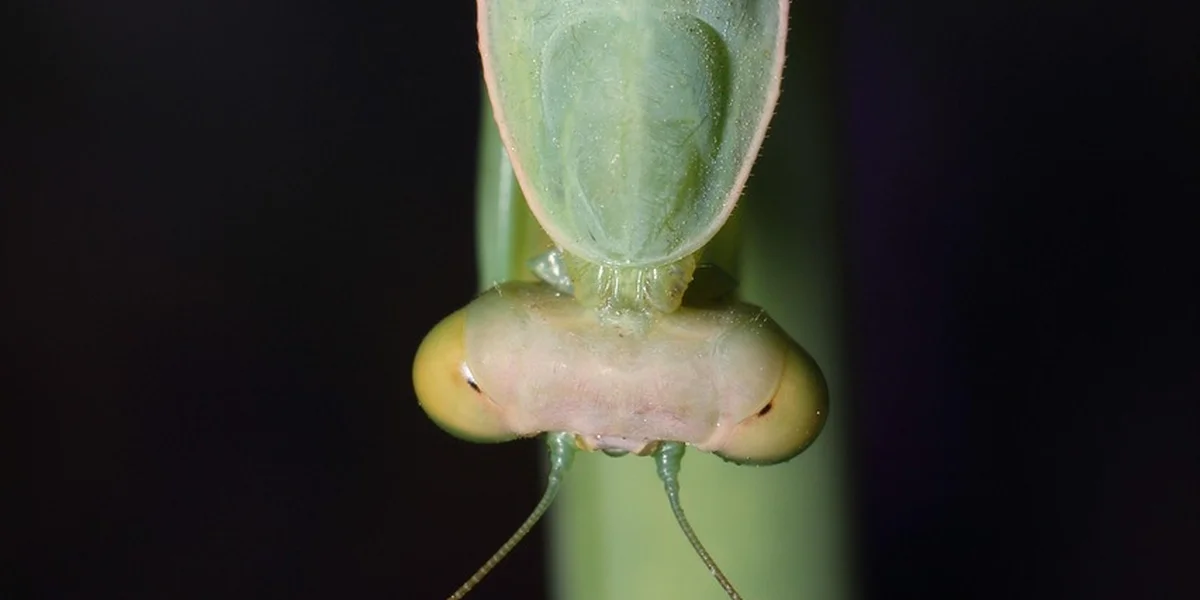
How does a vertical temperature gradient assist during the molting process?
A proper gradient lets your mantis choose a warmer spot to help loosen its old exoskeleton for easier shedding. This reduces stress and prevents issues like stuck skin, leading to a healthier molt.
Can I create a temperature gradient in a very small enclosure, like a deli cup?
Yes, use a mini heat mat on one side of the cup to generate gentle warmth while leaving the opposite side cooler. Always monitor temperatures with a small thermometer to avoid overheating in such a confined space.
What is the ideal temperature difference between the top and bottom of the mantis enclosure?
Aim for a difference of 5-8°C to provide effective thermoregulation options for your mantis. This range mimics natural conditions and allows them to move freely to maintain their body temperature. Keep in mind that different mantis species have specific temperature and humidity needs. Research your species to set the right humidity levels within that gradient.
Your Mantis’s Cosy Corner: Wrapping Up
Creating a vertical temperature gradient involves placing a gentle heat source at the enclosure’s top and using a thermometer to track warm and cool zones. This setup allows your mantis to self-regulate its temperature, which supports healthy digestion and reduces stress during molting or feeding.
As responsible keepers, we must always prioritise our mantis’s comfort by staying curious and adapting our care routines. Keep learning through reliable guides and observing your pet’s behaviour to build a trusting, long-lasting bond. To dive deeper, consult the praying mantis handling behavior guide. It covers safe handling practices and signs of stress to watch for.
Further Reading & Sources
- r/mantids on Reddit: Temperature help
- Ghost Mantis Care Sheet | Dubia.com
- Mantis Care “For Dummies” – USMANTIS
- orchid mantis care guide – Marshall Arachnids
Rowan Hale is a lifelong insect enthusiast who fell in love with mantises for their calm presence, alien elegance, and surprising personalities. After years of keeping and raising a variety of species, Rowan shares practical tips, creative insights, and real-world experience to help others enjoy the quiet magic of mantis care. From setting up the perfect enclosure to understanding their subtle behaviors, Rowan invites readers into a gentle, curious world where every tiny movement feels like a discovery.
Temperature and Humidity