
Natural Foraging vs. Hand-Feeding: How It Shapes Your Mantis’s Behavior
Hello, mantis friend! Have you ever paused to watch your mantis, perched like a tiny green statue, suddenly spring to life when a cricket wanders into view? That moment of raw instinct is at the heart of how we choose to feed our delicate companions.
The feeding method you choose-natural foraging or hand-feeding-directly molds your mantis’s hunting instincts, activity patterns, and even its trust in you, creating a ripple effect on its overall well-being.
This choice isn’t a simple one; it weaves into your mantis’s daily rhythm and long-term health in subtle ways. We’ll gently walk through the key impacts so you can make a caring, informed decision.
Here’s a quick look at what we’ll cover:
- How natural foraging keeps your mantis mentally sharp and physically active
- The way hand-feeding can nurture a calm, trusting bond between you
- Practical steps to blend both methods for a balanced, happy mantis
Understanding the Two Feeding Strategies
Natural foraging means your mantis hunts live prey within its enclosure, mimicking wild behavior where it stalks and captures insects on its own. Hand-feeding involves you offering food directly, often with soft-tipped tweezers or your fingers, so the mantis receives meals without effort. This choice shapes how your mantis interacts with its world, influencing everything from daily activity to long-term health.
- In natural foraging, your mantis actively hunts, using its instincts to track and strike prey.
- With hand-feeding, the mantis passively receives food, relying on you to provide meals.
| Method | Pros | Cons |
|---|---|---|
| Natural Foraging | Encourages natural behavior; builds hunting skills; provides mental stimulation | Risk of stress if prey escapes; requires live insect maintenance |
| Hand-Feeding | Reduces hunting stress; ensures food intake; good for weak or molting mantises | May dull instincts; can lead to dependency; less physical activity |
Natural foraging aligns perfectly with a mantis’s innate predatory instincts, like those my Giant Asian Mantis, Moss, displays when he eagerly pursues crickets. Hand-feeding, while gentle, might soften those wild impulses over time. Each method connects to their deep-seated drives, so your choice affects how “wild” or “tame” your mantis feels.
Behavioral Impacts of Natural Foraging
Foraging supports your mantis’s instinctive predator behavior, encouraging stalking, striking, and the quiet patience of a hunter. My Ghost Mantis, Luna, tilts her head and moves with leaf-like stealth before pouncing—a dance of pure instinct. Praying mantises judge depth with precise eye movements to time their strike, a skill that shows how they assess distance. This careful observation is a key part of their hunting behavior. This active hunting keeps their minds and bodies engaged, much like a puzzle that rewards with a meal.
- Improved learning and cognition come from solving the “hunt,” helping mantises recognize prey patterns and adjust tactics.
- Foraging efficiency grows with practice; your mantis becomes quicker and more precise in captures.
Potential risks include stress from failed hunts, where a swift prey escape can leave your mantis frustrated or hesitant. Low food availability might trigger hunger-induced anxiety, so always monitor prey levels. We’ve seen our Orchid Mantis, Sprig, retreat after a missed strike, reminding us to keep prey size and speed in check.
Seasonal variation plays a role too; appetite and activity often dip in cooler months or during molting periods. Adjust feeding frequency based on your mantis’s energy levels, as their natural rhythms ebb and flow with the year. For a practical, complete feeding schedule, consider age- and stage-appropriate guidelines. In general, many keepers feed small prey every 2–3 days when the mantis is active, with pauses during molting.
Behavioral Impacts of Hand-Feeding
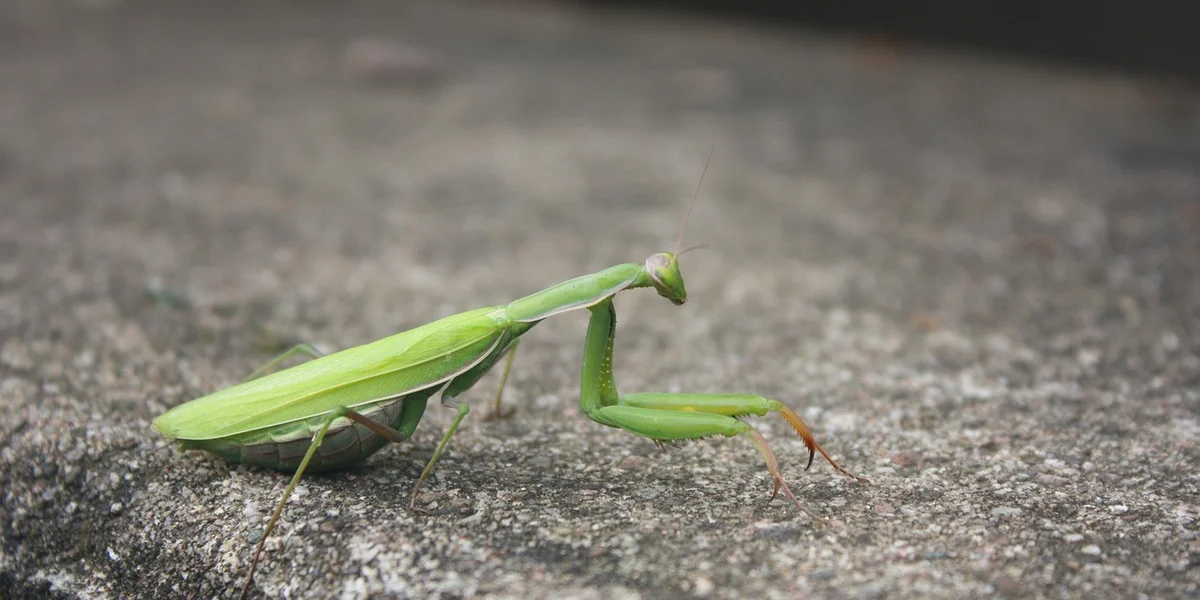
When we hand-feed our mantises too often, they can start to change in ways that aren’t natural for them. Regular hand-feeding habituates your mantis, making it expect food from you rather than seeking it out itself.
-
Habituation leads to dependency, where your mantis may stop hunting altogether and wait passively for meals. I noticed this with Moss, my Giant Asian Mantis-he’d perch by the enclosure door around feeding times, his usual curiosity fading into patient expectation.
-
Reduced aggression can weaken their predatory skills, making them less effective hunters if they ever need to fend for themselves. Altered social dynamics might surface in group settings, where hand-fed individuals could become more submissive or disinterested in territorial behaviors.
-
Imprinting and conditioning mean your mantis starts associating your presence with food, which shifts its natural wariness of larger creatures. This conditioning blurs the line between keeper and prey, potentially causing stress when human interaction isn’t followed by feeding.
-
Close contact raises the risk of minor injuries from their raptorial legs or mandibles, and it can inadvertently spread diseases between mantis and handler. A gentle pinch from Luna, my Ghost Mantis, reminded me how even calm interactions carry a small chance of harm.
How to Set Up Natural Foraging in Captivity
Creating a setup that encourages natural foraging helps your mantis stay active and engaged. A well-designed habitat lets your mantis express its innate behaviors, from stalking to ambushing prey. By focusing on a naturalistic, safe habitat for your praying mantis, you support its well-being. Keep the enclosure clean and pesticide-free, with safe plants and hiding spots.
-
Choose live prey that matches your mantis’s size and species, such as fruit flies for small juveniles or crickets for larger adults. For Sprig, my Orchid Mantis, I use wingless fruit flies that she can easily spot and capture without feeling overwhelmed.
-
Build an enriched environment with plenty of hiding spots, perches, and climbing surfaces to mimic the complexity of their wild habitats. Add twisted vines, leaf litter, and vertical branches—this gives your mantis cover to stalk from and makes each hunt a stimulating challenge. The best enrichment items are those that mirror a mantis’s natural habitat. Prioritize hiding spots, perches, and vertical structures to support their hunting and climbing behaviors.
-
Monitor how efficiently your mantis catches prey by observing feeding sessions and adjusting the number or type of live insects offered. If your mantis misses too often, try increasing prey density or switching to slower-moving options like small caterpillars.
-
Watch for stress indicators like weight loss, lethargy, or refusal to eat, which signal that the foraging setup might need tweaking. A healthy mantis remains alert and active, with a plump abdomen showing it’s getting enough nutrition from its hunts. If you notice these signs, it’s important to check the habitat and make sure it’s optimal for your pet.
Safe Hand-Feeding Techniques Step-by-Step
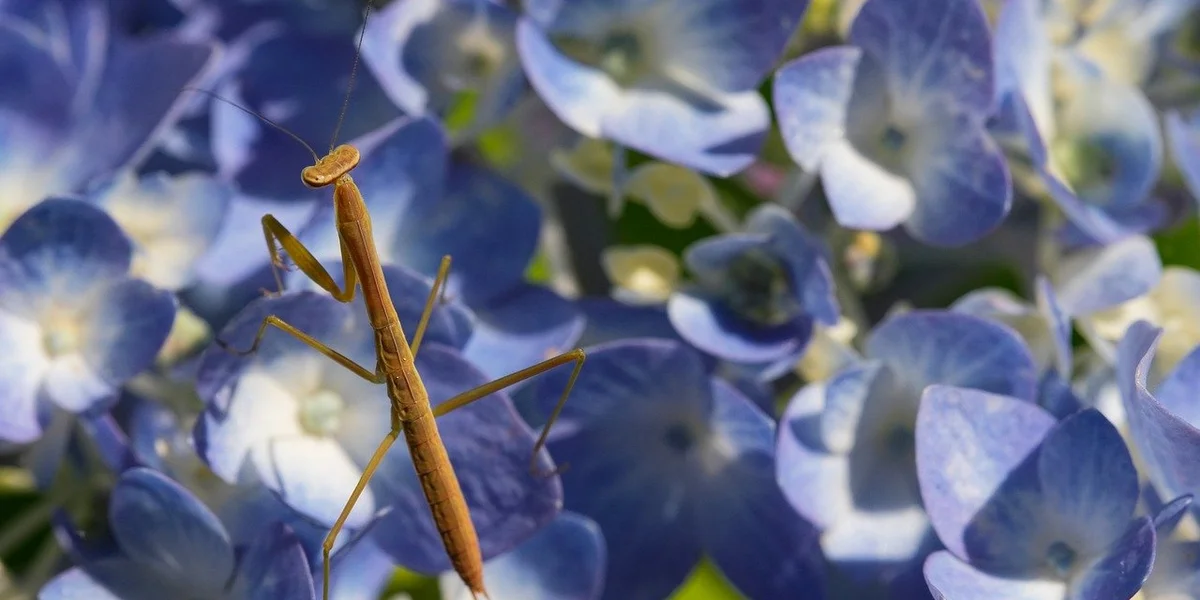
Hand-feeding your mantis can build trust and ensure they get their meals, but it requires a gentle touch to avoid stress. We find that using soft, deliberate movements helps mimic the calm of a forest floor, making the experience pleasant for both you and your mantis.
- Select safe, non-venomous feeder insects like fruit flies or small crickets, as venomous ones could harm your pet. Stick to insects that are easy to digest and readily available from pet shops to keep things simple and secure.
- Use tweezers to offer food without startling the mantis, holding them steady like a swaying leaf to encourage a natural grab. This method prevents sudden movements that might spook even bold mantises like Moss, my energetic Giant Asian.
- Watch for stress responses like backing away or flailing limbs, and if you see these, pause and try another day. Noticing these subtle cues early can prevent long-term anxiety and keep your mantis feeling safe in its home.
- Limit frequency to prevent over-dependency, aiming for once or twice a week to balance care with instinct. Overdoing it might make your mantis lazy, so we mix in natural foraging to keep their skills sharp.
After feeding, observe how your mantis reacts-Luna, my Ghost Mantis, often tilts her head thoughtfully before accepting food. Patience here pays off, as it helps you learn their unique preferences and build a stronger bond over time.
Choosing the Best Feeding Method for Your Mantis
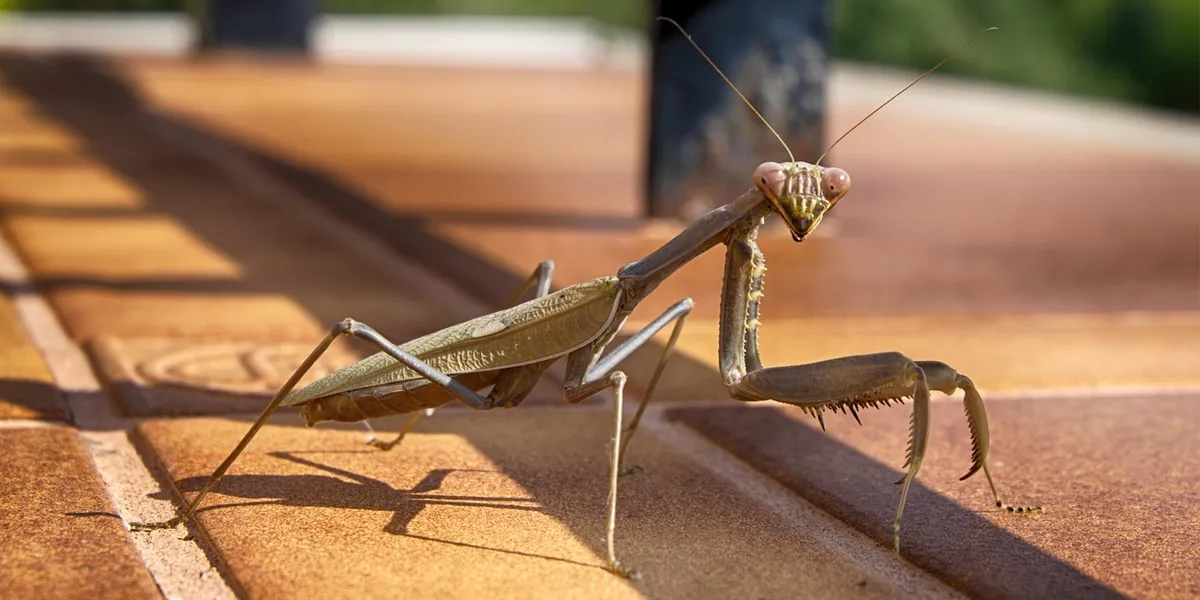
Deciding between hand-feeding and natural foraging depends on your mantis’s personality and environment. Weighing these factors carefully ensures your pet stays healthy and engaged, much like tending a delicate garden where every plant has its needs. Additionally, this ties into a complete diet feeding guide for mantises. It explains what to feed, how often, and how to balance nutrients.
- Factor in species traits: some are bold hunters, others shy, so adjust your approach accordingly. For instance, Orchid Mantises like Sprig may prefer hand-feeding due to their cautious nature, while others thrive on the thrill of the hunt.
- Consider age and temperament: juveniles may need more guidance as they learn to catch prey. Young mantises often benefit from occasional hand-offs until they gain confidence and coordination.
- Evaluate resource distribution and enclosure size to support natural behaviors in a spacious setup. A larger habitat with hiding spots encourages foraging, reducing stress and promoting physical activity.
- Weigh welfare implications for long-term health, balancing convenience with mental stimulation. Natural foraging can prevent obesity and boredom, leading to a happier, more active mantis life.
Observing your mantis over weeks will reveal what works best-Moss, for example, loves chasing crickets in his terrarium. Trust your instincts and adjust based on their responses, as each mantis has a unique rhythm that deserves respect.
Common Behavioral Signs and What They Mean
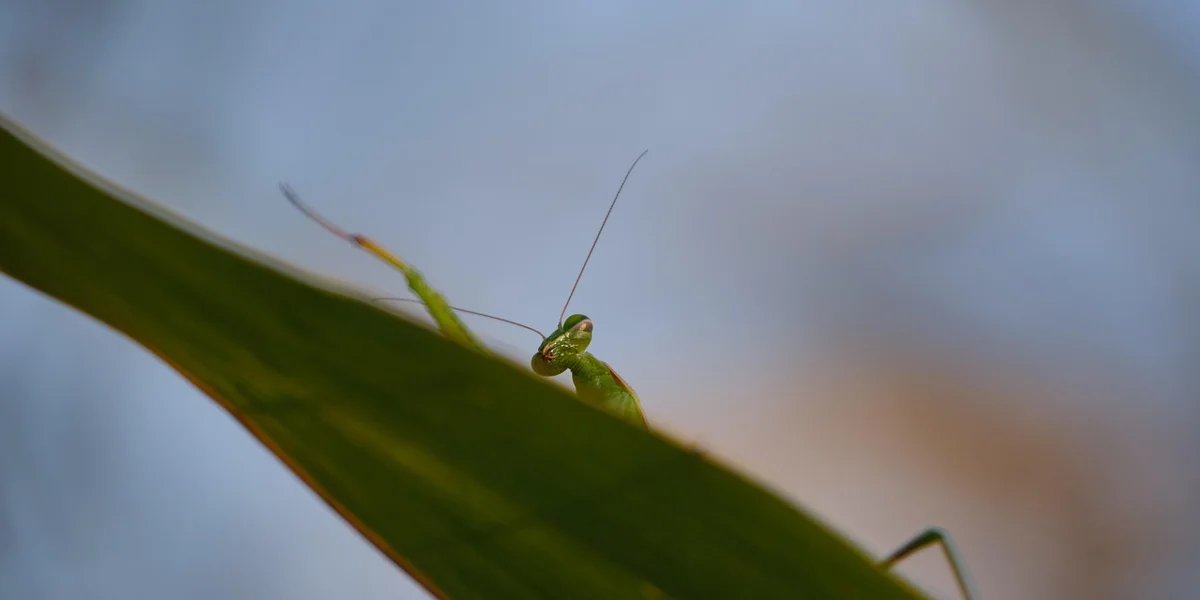
Watching your mantis closely reveals volumes about their wellbeing and how well your feeding strategy is working. We learn to read their subtle body language, a skill that grows with every shared moment.
Signs of a Healthy, Happy Hunter
A mantis engaged with its world is a beautiful sight. Look for these encouraging behaviors that show your care is on the right track.
- Active Stalking: You might see a slow, deliberate sway as your mantis tracks a live cricket across its enclosure. This focused movement shows keen instincts and healthy coordination.
- Keen Interest in Prey: A quick head turn or a slight shift in posture when a feeder insect moves indicates an alert and curious mind.
- Confident Strikes: A healthy mantis grabs its prey with precision and holds on firmly. My Ghost Mantis, Luna, strikes with a quiet, fluid motion that rarely misses.
- Regular Grooming: After a meal, you’ll often see them meticulously cleaning their forearms and antennae, a sign of contentment and good health.
Behavioral Red Flags to Watch For
Sometimes, our mantises tell us something is wrong. Recognizing these signals early gives you the best chance to help.
- Lethargy and Inactivity: While mantises can be still for long periods, a complete lack of movement for an entire day, especially in a normally active specimen, is cause for concern.
- Refusal to Eat: Turning down a favorite food item for more than a few days can signal stress, impending molt, or illness.
- Excessive or Misdirected Aggression: A mantis that frequently strikes at the air, its own perch, or the side of the enclosure may be overstimulated or frustrated.
- Weak or Clumsy Grasp: If your mantis struggles to hold onto prey or its perch, it could point to dehydration or a lack of strength.
Linking Behavior to Your Feeding Approach
These behaviors often trace directly back to whether you use natural foraging or hand-feeding.
A mantis that forages naturally tends to display more patience and calculated movement. This method nurtures their innate hunting instincts, leading to more robust problem-solving skills. My Giant Asian Mantis, Moss, became far more exploratory and confident after a week of hunting his own crickets.
Conversely, a hand-fed mantis might become expectant and less active. While convenient, relying solely on hand-feeding can sometimes dull their natural drive to hunt. They may wait for food to come to them rather than seeking it out, which can lead to boredom-related lethargy.
Your Weekly Mantis Check-In
Setting aside just five minutes each week for a focused observation helps you track trends and catch small issues before they grow.
- Observe Posture: Is your mantis holding itself upright and alert, or is it hanging low and limp?
- Test Responsiveness: Gently introduce a feeder insect or wiggle a stick near them. A healthy mantis will usually track the movement with its head.
- Check Appetite: Offer a small, appropriate prey item. Note if they accept it immediately, ignore it, or show weak interest.
- Monitor Hydration: Look for plumpness in the abdomen and clear, active behavior. A slightly wrinkled abdomen can be a first sign of needing more moisture.
Keeping a simple journal of these weekly notes creates a powerful record of your mantis’s unique habits and health. Maintaining a detailed mantis journal can help you spot any changes early and ensure the best care possible.
Common Mantis Queries
What should I do if my mantis doesn’t catch its prey during foraging?
You can remove the uneaten prey after a few hours to prevent it from stressing your mantis. Consider offering slower-moving or smaller prey next time to increase the chances of a successful hunt.
Can I switch my mantis from hand-feeding back to natural foraging?
Yes, you can gradually transition by introducing live prey into the enclosure for short, supervised sessions. This encourages your mantis to reawaken its hunting instincts without causing undue stress.
Are some types of live prey better for foraging than others?
Yes, flightless fruit flies or small, slow-moving crickets are excellent choices as they are easy for your mantis to track and capture. Always avoid prey that is too large, fast, or could potentially harm your mantis.
Your Mantis’s Feeding Path Forward
We recommend blending natural foraging with occasional hand-feeding to support your mantis’s instincts and reduce stress. This balanced approach helps maintain their natural behaviors while building trust through gentle interaction, especially when you know the right hand-feeding techniques.
Always watch how your mantis responds to different feeding methods and adjust based on their comfort. Staying curious and learning more about their care will help you provide a nurturing home for your tiny companion.
Further Reading & Sources
- Aversive Learning in the Praying Mantis (Tenodera aridifolia), a Sit and Wait Predator – PMC
- Mantis – Wikipedia
- Feeding Behaviour of the Praying Mantis: A Learned Modification | Nature
- praying mantis behavior: Topics by Science.gov
Rowan Hale is a lifelong insect enthusiast who fell in love with mantises for their calm presence, alien elegance, and surprising personalities. After years of keeping and raising a variety of species, Rowan shares practical tips, creative insights, and real-world experience to help others enjoy the quiet magic of mantis care. From setting up the perfect enclosure to understanding their subtle behaviors, Rowan invites readers into a gentle, curious world where every tiny movement feels like a discovery.
Feeding