
Should You Hand-Feed Your Praying Mantis? Pros, Cons, and Techniques
Hello there, mantis friend. Have you ever watched your praying mantis perched so still and felt a sudden urge to offer a cricket from your own fingers?
Yes, you can hand-feed your praying mantis, and many keepers find it a deeply rewarding way to interact with their insect. It’s not a required part of care, but it can transform your relationship from simple observation to gentle partnership.
This simple act is more nuanced than it first appears, sitting at the crossroads of practical husbandry and personal ethics. We’ll walk through the full picture together.
Here’s a quick preview of what we’ll cover:
- The surprising benefits of hand-feeding for both you and your mantis.
- The potential risks and why some situations call for caution.
- Safe, step-by-step techniques to try with your own mantis.
- How to read your mantis’s body language during feeding.
What Is Hand-Feeding in Mantis Care?
Hand-feeding means offering food directly to your praying mantis instead of dropping live prey into their enclosure. This approach lets you interact closely during mealtimes, turning feeding into a shared activity rather than a solitary hunt. For a complete diet, follow a feeding guide to ensure balanced nutrition. A complete diet feeding guide explains what to feed, how often to feed, and how to vary prey to meet your mantis’s needs.
You might use soft-tipped tweezers or your clean fingers to present insects like fruit flies, crickets, or mealworms. Many mantises learn to associate your presence with positive experiences, making them calmer and more curious over time.
When I hand-feed Luna, my Ghost Mantis, she tilts her head slightly before extending her delicate forelegs to grasp the prey. That quiet moment of connection, with her misty brown body poised like a leaf in the breeze, feels deeply rewarding.
- Using tweezers: Gently hold the insect and bring it within reach of your mantis’s mouth.
- Offering from an open hand: For confident mantises, place the prey on your palm and let them step forward.
- Presenting pre-killed prey: This avoids injury from lively insects and works well for juveniles or stressed mantises.
Each method suits different situations, and you’ll quickly learn your mantis’s preferences. Starting with tweezers is a safe way to build trust without startling your pet.
The Bright Side: Pros of Hand-Feeding Your Mantis
Hand-feeding brings several advantages that can make mantis care more enjoyable and effective. It transforms routine feeding into an opportunity for bonding and observation.
- Deeper Bonding: Regular hand-feeding helps your mantis recognize you as a friendly presence. My Giant Asian Mantis Moss now eagerly approaches when he sees the feeding tweezers, his emerald body vibrant with anticipation.
- Health Monitoring: You can check their appetite, mobility, and overall condition up close. Spotting changes early, like reduced interest in food, allows you to address issues before they escalate.
- Reduced Stress: Eliminates the need for your mantis to chase elusive prey. This is especially beneficial for species that are naturally timid or during delicate molting phases.
- Controlled Nutrition: You manage portion sizes and ensure a varied diet. Preventing overfeeding helps maintain your mantis’s energy levels and longevity.
- Behavioral Insights: Observe how they capture and consume prey. These glimpses into their instincts, like the precise strike of Orchid Mantis Sprig, enrich your understanding of their needs.
We find that these benefits create a more attentive and fulfilling care routine. Hand-feeding encourages a gentle rhythm of interaction that respects your mantis’s natural behaviors.
The Cautious Side: Cons and Risks of Hand-Feeding
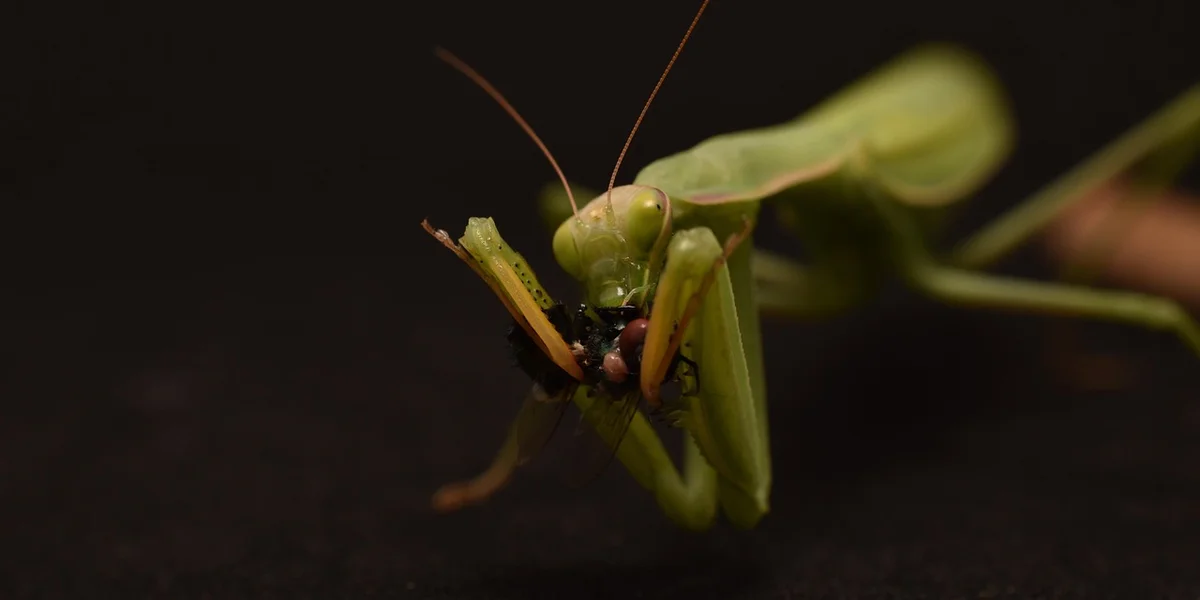
Hand-feeding can feel wonderfully intimate, but it carries real risks that every keeper should weigh carefully. Your mantis might interpret your movements as a threat, leading to stress that disrupts their natural feeding rhythms and overall well-being. We have seen our Ghost Mantis, Luna, freeze and retreat when approached too quickly-a clear sign of discomfort that reminds us to proceed with care.
Bites or accidental injuries are another concern, especially with larger or more skittish species. Even a gentle mantis can mistake your finger for prey, and their sharp raptorial legs can deliver a surprising pinch if they feel cornered or startled. This is not aggression; it is a natural defense mechanism that underscores the need for slow, predictable motions during feeding sessions.
Over-reliance on hand-feeding might discourage your mantis from hunting on their own, which can impact their instincts and health. Regular handouts can make them lazy hunters, reducing the mental and physical exercise they get from stalking live prey in their enclosure. We noticed this with Moss, our Giant Asian Mantis, who became less active in exploring his habitat after several weeks of easy meals from our tweezers.
Hygiene issues also arise, as human hands can introduce bacteria or residues into the delicate ecosystem of the enclosure. Always wash your hands thoroughly before handling prey or tools to prevent transferring oils, lotions, or germs that could harm your mantis. A simple rinse is not enough; use warm water and mild soap to ensure your mantis stays safe from contaminants.
How to Hand-Feed Your Mantis: A Gentle Step-by-Step Guide
Step 1: Gather Your Supplies and Choose Prey
Start by collecting soft-tipped tweezers, a small container for prey, and a calm mindset. Select prey that is no larger than the space between your mantis’s eyes to prevent choking or digestion issues—fruit flies for juveniles, or crickets and moths for adults work well. We keep a variety on hand, from flightless fruit flies for Sprig, our Orchid Mantis, to gut-loaded crickets for Moss, ensuring each meal is nutritious and appropriately sized.
- Soft-tipped tweezers to avoid injuring your mantis
- Live prey like fruit flies, small crickets, or waxworms
- A quiet, well-lit space free from sudden movements
Step 2: Set the Scene for a Calm Feeding
Choose a time when your mantis is alert, often in the morning or early evening, and ensure their enclosure is misted lightly to mimic natural humidity. A peaceful environment reduces stress, helping your mantis focus on the meal rather than potential threats around them. We often place Luna’s terrarium on a stable surface away from drafts or loud noises, creating a serene setting that encourages her to eat without hesitation.
Step 3: Approach and Offer the Prey Slowly
Hold the prey with tweezers and bring it toward your mantis from the front, moving at a snail’s pace to avoid startling them. Angle the offering slightly below their head, mimicking how prey would appear in the wild, and wait for them to notice and strike. Patience is key here; we have spent minutes waiting for Sprig to tilt her head and extend her arms, a beautiful dance of predator and prey that unfolds in its own time.
Step 4: Observe and Respond to Your Mantis’s Cues
Watch for subtle signs like head tilting, arm raising, or backing away-each tells you whether your mantis is interested or overwhelmed. If they ignore the prey or show stress by swaying or fleeing, withdraw gently and try again later to build trust without pressure. We have learned to read Moss’s energetic curiosity versus Luna’s cautious reserve, adjusting our approach based on their unique personalities for a harmonious feeding experience.
Reading Your Mantis’s Body Language During Hand-Feeding
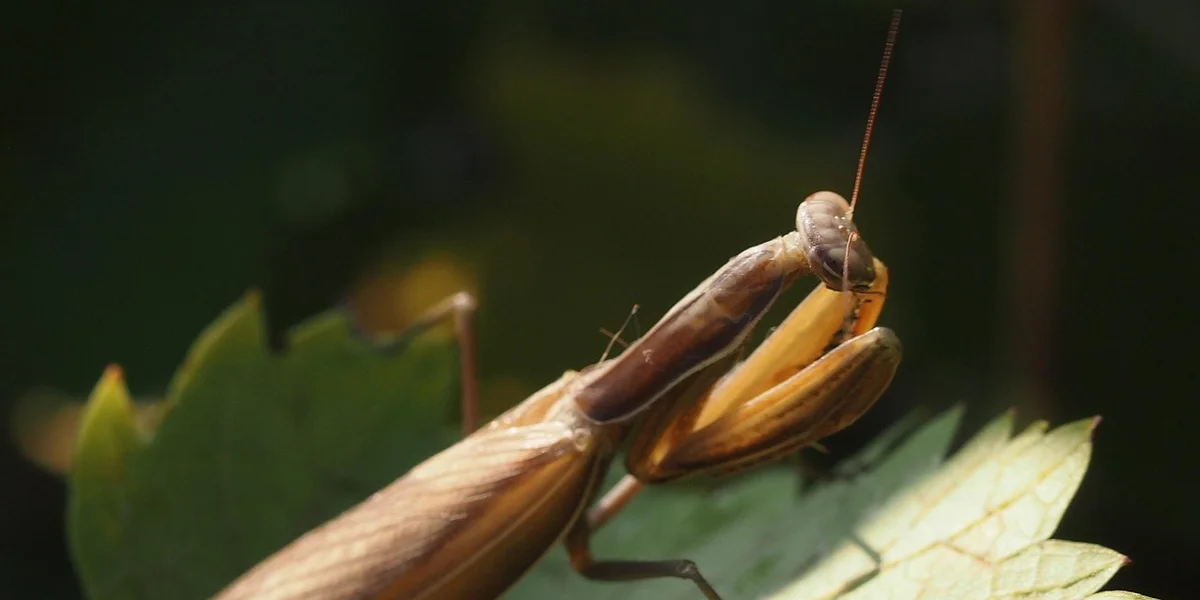
Observing your mantis closely during feeding sessions helps you understand their comfort levels and preferences. Pay attention to subtle shifts in posture and movement-these tiny cues tell you whether your mantis feels curious, relaxed, or uneasy. A mantis that leans forward with its antennae gently twitching often shows interest, while one that sways slowly might be assessing the prey.
Look for the “hunting stance,” where the mantis raises its forelegs slightly and holds its body still. This poised position means your mantis is ready to strike and likely welcomes the interaction. In contrast, if it turns its head away or retreats to a higher perch, it might need a moment alone-respect that space.
- Relaxed and receptive: Head tilted, antennae forward, body lowered gently.
- Alert and hunting: Forelegs raised, body motionless, eyes fixed on the prey.
- Stressed or defensive: Rapid side-to-side swaying, raised wings (in adults), or quick backing away.
My Ghost Mantis, Luna, often cocks her head as if pondering the meal before her-a sign she’s engaged but not rushed. Noticing these small behaviours builds trust and makes hand-feeding a calm, shared routine. If your mantis remains still for long periods without reacting, they might simply not be hungry yet; try again later with a smaller offering.
Troubleshooting Common Hand-Feeding Challenges
Hand-feeding doesn’t always go smoothly, but most issues have simple fixes. If your mantis ignores the food, check the prey size and temperature-many mantises prefer live, warm insects that mimic natural movement. Sometimes, offering prey that’s too large can intimidate them, so start with smaller items like fruit flies or pinhead crickets. Choosing the right live food is essential to ensure they are interested and well-fed.
Mantises might occasionally mistake your fingers for food, leading to a gentle nip. Use soft-tipped tweezers or hold the prey by its rear to keep your hands at a safe distance. If this happens, stay calm and slowly withdraw; your mantis will learn to distinguish between your skin and its meal over time.
- For dropped prey: Gently retrieve it with tweezers and re-offer, or place it on a leaf nearby for the mantis to find.
- For refusal to eat: Ensure the enclosure isn’t too cold or brightly lit, and mist lightly to raise humidity.
- For aggressive strikes: Feed after dusk when mantises are naturally more active, and avoid sudden movements.
My Giant Asian Mantis, Moss, once dropped every cricket I gave him until I warmed them under a lamp for a few seconds. Small adjustments like this can turn a frustrating session into a successful one. Remember, each mantis has its own personality-what works for one might not for another, so patience is your best tool.
Tailoring Hand-Feeding to Your Mantis’s Age and Temperament
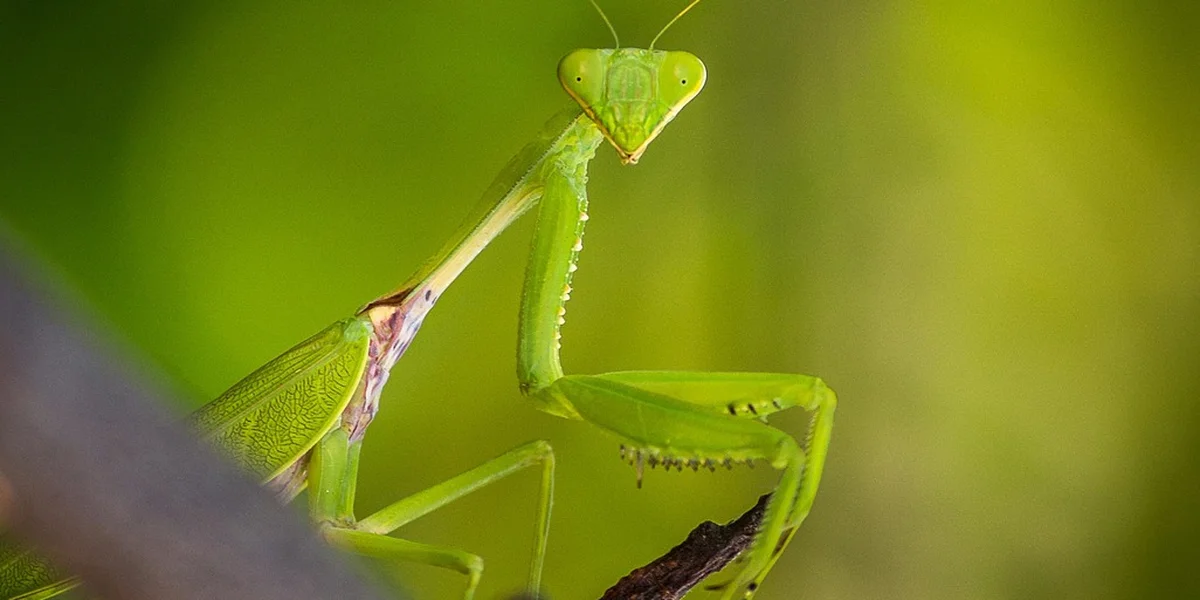
Every mantis grows through distinct life stages, and their feeding needs shift dramatically as they mature. Observing your mantis’s development helps you match your hand-feeding approach to their current capabilities and confidence level. A tiny nymph and a stately adult require completely different handling techniques. In the nymph stage, baby mantises eat very small live prey, so you’ll tailor the prey size to their age. This answers the question: do baby praying mantises (nymphs) eat?
Nymphs: Tiny Hunters with Big Appetites
Young mantis nymphs are voracious but vulnerable. Their vision is still developing, and they might struggle to track fast-moving prey. Hand-feeding nymphs can be incredibly helpful, ensuring they get enough nutrition during this critical growth phase. We often use soft-tipped tweezers to offer flightless fruit flies or pinhead crickets.
- Use very small, manageable prey items.
- Hold the insect steady just in front of the nymph to help them focus.
- Keep sessions brief to avoid stressing their tiny bodies.
My ghost mantis, Luna, was a hesitant nymph. She needed her food held perfectly still before she’d make her delicate, leaflike strike. This patience paid off as she grew into a confident hunter.
Adults: Confident and Capable
By the time a mantis reaches adulthood, its hunting skills are fully honed. Adult mantises are perfectly capable of catching their own food, making hand-feeding more of a bonding activity than a necessity. You can offer larger prey like blue bottle flies or small crickets directly from your fingers or tongs.
- Respect their powerful raptorial arms; they can deliver a surprising pinch.
- Watch for signs of disinterest, like turning their head away.
- Adults may eat less frequently than growing nymphs.
Reading Your Mantis’s Unique Personality
Just like people, mantises have individual temperaments. Some are bold and curious, while others are shy and easily startled. Learning to read your mantis’s body language is the true secret to successful hand-feeding. It turns a simple task into a quiet conversation.
A mantis that sways gently, tracks your movements, and reaches out is likely curious and receptive. One that rears back, flares its wings, or strikes defensively is clearly saying “not now.” My giant Asian mantis, Moss, was always an eager participant, while my orchid mantis, Sprig, preferred to dine in private. We must always work with their nature, never against it.
Exploring Alternative Feeding Methods for Mantis Care
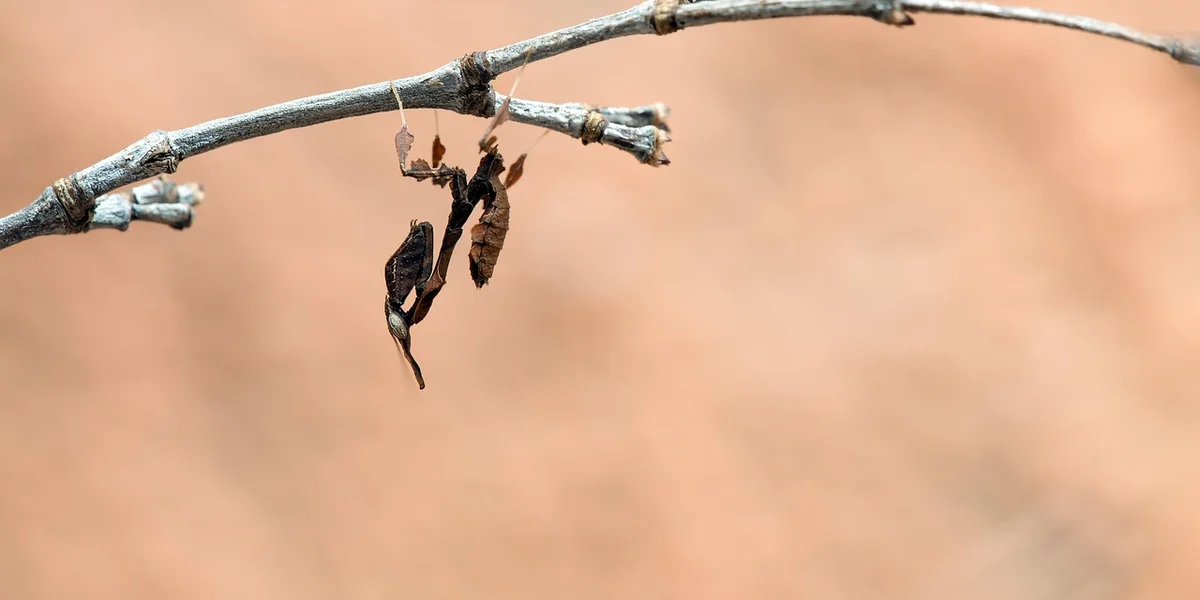
Hand-feeding is a wonderful tool, but it’s just one option in a complete care toolkit. Providing a variety of feeding methods ensures your mantis stays engaged, exercised, and mentally stimulated. It also gives you flexibility based on your own schedule and your pet’s preferences.
Tong Feeding: The Best of Both Worlds
Using soft-tipped feeding tongs is an excellent middle ground. Tongs give you control and safety while still allowing your mantis to perform its natural hunting sequence. You can dangle a cricket to trigger a strike or hold a wriggling worm for a precise bite.
- Prevents accidental bites to your fingers.
- Allows you to feed more skittish mantises from a comfortable distance.
- Ideal for offering treats like chunks of fruit or honey.
Cup and Container Feeding
For particularly small or flighty prey like fruit flies, a small deli cup becomes your best friend. This method contains the food source, making it easy for a small nymph to find a meal without a lengthy chase. Simply place the mantis inside the cup with the flies for a few minutes, then return them to their enclosure.
- Minimizes the escape of feeder insects into your home.
- Reduces stress for mantises that are nervous hunters.
- Provides a controlled environment for monitoring food intake.
Free-Range Hunting in the Enclosure
The most natural method is to release live prey directly into the mantis’s habitat. Free-range hunting encourages natural behaviours, providing both physical exercise and mental enrichment. Watching a mantis stalk its prey is one of the most fascinating parts of keeping them. Observing how they gauge distance and depth before striking reveals much about their hunting behavior.
Ensure the feeder insect is an appropriate size and cannot harm your mantis. Remove any uneaten prey after a few hours to prevent it from bothering your pet, especially during the vulnerable molting period. A successful hunt in their own territory builds a mantis’s confidence and fulfills its innate instincts. To tailor feeding, consult a praying mantis feeding schedule species comparative guide. It helps you compare optimal frequencies across species.
Questions from Fellow Mantis Friends
How do I provide water for my praying mantis?
Mantises typically drink water droplets from misting on leaves and enclosure walls. You can also offer a drop of water on a leaf or from a syringe tip if they appear thirsty. Praying mantises still need regular access to water, though they often obtain much of it from prey. This complete hydration guide explains how to monitor moisture, offer safe water, and recognize dehydration.
How often should I feed my praying mantis?
Feeding frequency depends on the mantis’s age, species, and abdomen size, ranging from daily for nymphs to every few days for adults. Always allow their abdomen to slim down slightly between meals to prevent overfeeding. A complete feeding schedule by life stage can help you determine how often to feed. Use a reputable care guide to adjust for your mantis’s unique needs.
Why does my praying mantis sway when it sees food?
This swaying motion is a natural hunting behavior to gauge distance and blend in with moving foliage before striking. It is a positive sign of engagement, not stress, when directed at prey.
Your Mantis Feeding Journey
Hand-feeding your praying mantis can build a special connection, but always approach it gently to keep your pet stress-free and safe. Pay close attention to their body language, like a soft head tilt or calm posture, to ensure each interaction feels comfortable and positive. Learn how to handle and interact with your praying mantis safely.
As mantis keepers, we have a duty to observe and adapt our care routines based on our pet’s unique personality and needs. Stay engaged with learning resources and fellow enthusiasts to grow your skills and offer the best life for your mantis companion. For those seeking a complete care, handling, and behavior guide, this topic outlines safe handling basics. You’ll learn to read your mantis’ cues for stress and safety.
Further Reading & Sources
- Could one raise a mantis purely through hand feeding? | Mantid Forum – Mantis Pet & Breeding Forum
- How to Take Care of a Praying Mantis (with Pictures) – wikiHow
- What can I hand feed baby praying mantis? | Arachnoboards
- Feeding A Praying Mantis | Bug Pets LTD
Rowan Hale is a lifelong insect enthusiast who fell in love with mantises for their calm presence, alien elegance, and surprising personalities. After years of keeping and raising a variety of species, Rowan shares practical tips, creative insights, and real-world experience to help others enjoy the quiet magic of mantis care. From setting up the perfect enclosure to understanding their subtle behaviors, Rowan invites readers into a gentle, curious world where every tiny movement feels like a discovery.
Feeding