
Creating the Perfect Home: Praying Mantis Habitat Essentials
Published on: December 4, 2025 | Last Updated: December 4, 2025
Written By: Rowan Hale
Hello there, fellow mantis friend. Have you ever watched a praying mantis, utterly still, perched on a stem as if it grew there? That perfect stillness isn’t just patience; it’s a sign of a creature completely in tune with its environment. To see our mantises truly thrive, we must become architects of that environment.
The essential habitat requirements for a healthy praying mantis are a secure enclosure of the correct size, proper ventilation, appropriate temperature and humidity gradients, suitable climbing surfaces, and safe, natural furnishings that mimic their wild surroundings. Getting this miniature world right is the single most important thing we do as keepers, far more than any fancy feeder insect.
While it sounds simple, a mantis habitat is a delicate balance of interconnected elements. Think of it less as a cage and more as a living diorama where air flow, moisture, heat, and texture all work together. When these elements harmonise, your mantis will display natural behaviours, eat well, and molt successfully, transforming from a curious captive into a vibrant resident.
Here are the key pillars we’ll explore to build that harmony:
- The right enclosure acts as a secure frame, providing both safety and the space needed for critical life events like molting.
- Precise temperature and humidity levels are non-negotiable, creating the gentle climate zones that support digestion and healthy skin shedding.
- Thoughtful decor isn’t just for looks; it offers essential climbing frames, hunting perches, and a sense of security.
- Clean, fresh air circulation prevents stagnant, damp conditions that can lead to respiratory trouble.
- Gentle, appropriate lighting sets a natural rhythm for their day without causing stress or overheating.
1. Selecting the Right Enclosure: A Safe and Spacious Home
Choosing the Correct Size and Type
Think of your mantis’s enclosure as its private studio flat—it needs enough room to stretch, moult, and hunt without feeling cramped. A good rule is to choose a home at least three times the mantis’s length in height and twice in width, giving them space to climb and drop safely during moults. For my ghost mantis Luna, a subadult female, I use a tall mesh cage that lets her cling comfortably upside-down from the ceiling. Different mantis types have different enclosure needs—arboreal species benefit from tall, ventilated mesh setups, while terrestrial kinds do better in wider terrariums. Picking the right enclosure for the species makes for happier, healthier mantises.
You’ll often see mesh, plastic, and glass terrariums in pet shops. Mesh cages offer superb ventilation, perfect for species that thrive in drier air, whilst glass tanks hold humidity well for tropical types like orchid mantises. Plastic containers, especially clear ones with ventilated lids, make budget-friendly starter homes that are easy to clean and modify. Just ensure any mesh is fine enough to prevent tiny feeder insects from escaping.
- Mesh enclosures: Ideal for ventilation; suit most common species like the Giant Asian Mantis.
- Glass terrariums: Best for humidity-loving mantises; add a mesh top for air flow.
- Plastic bins: Affordable DIY option; drill small holes for cross-ventilation.
Exploring Habitat Kits and DIY Solutions
If you’re starting out, pre-made habitat kits can save time—they often include basics like a small terrarium, substrate, and a faux plant. These kits are a gentle introduction, but always check that the size is appropriate for your mantis’s adult form; many are sized for juveniles. Beyond basics, enrichment items that mimic a mantis’s natural habitat—safe plants, branches, and textured surfaces—can encourage climbing and hunting. The best enrichment fits the enclosure, stays secure, and is easy to clean. For my energetic male Moss, a Giant Asian, I upgraded from a kit to a larger custom setup as he grew.
Creating your own enclosure is a rewarding, eco-friendly choice. A simple large mason jar or a plastic food container can become a cosy temporary home with a bit of crafting. Line the lid with fine mesh secured with glue, and add a moist paper towel at the bottom to boost humidity for moulting periods. It’s a quiet afternoon project that lets you tailor everything to your pet’s needs.
- Clean a plastic container or glass jar thoroughly with warm water.
- Poke or drill small air holes in the sides and lid-cover with mesh if needed.
- Add a substrate layer and a few twigs for climbing before introducing your mantis.
2. Crafting the Interior: Substrate, Climbing, and Hiding Places
Picking a Suitable Substrate
The floor of your mantis’s home, or substrate, isn’t just decoration-it helps manage moisture and provides a soft landing. Coconut fibre or peat moss are excellent choices because they hold humidity gently, releasing it slowly to mimic a forest floor’s damp scent. I use a thin layer of coconut fibre for Sprig, my juvenile orchid mantis, to keep her pink petals from drying out.
For simpler cleanup, plain paper towels work beautifully; they’re cheap, sterile, and you can spot changes in droppings or uneaten prey. Avoid gravel or sandy substrates, as they can irritate delicate feet and make it harder for your mantis to move during vulnerable moults. Whichever you pick, keep it lightly misted but never soggy, to prevent mould.
- Coconut fibre: Natural, holds moisture well, and is safe for burrowing insects.
- Paper towels: Easy to replace weekly; ideal for beginners monitoring health.
- Sphagnum moss: Adds extra humidity; place patches around the enclosure.
Adding Branches, Plants, and Hiding Spots
Mantises are ambush predators by nature, so they need plenty of perches and hideaways to feel secure. Thin, textured branches-like those from untreated apple or oak trees-give them perfect gripping surfaces for climbing and hanging upside-down to moult. Rinse branches in warm water before adding them, to remove any tiny hitchhikers.
Silk or plastic plants add colour and hiding spots without the worry of real foliage wilting or harbouring pests. Arrange them loosely to create little nooks where your mantis can retreat, like how Luna tucks herself behind a leaf frill to watch the world go by. That stillness, broken only by the soft rustle of her moving, is what makes a habitat feel alive.
- Collect sturdy, pesticide-free twigs; bake them at a low heat to sterilise.
- Anchor branches securely into the substrate or against the enclosure walls.
- Weave in artificial plants at varying heights to create layers for exploration.
3. Controlling the Climate: Temperature and Humidity Ranges
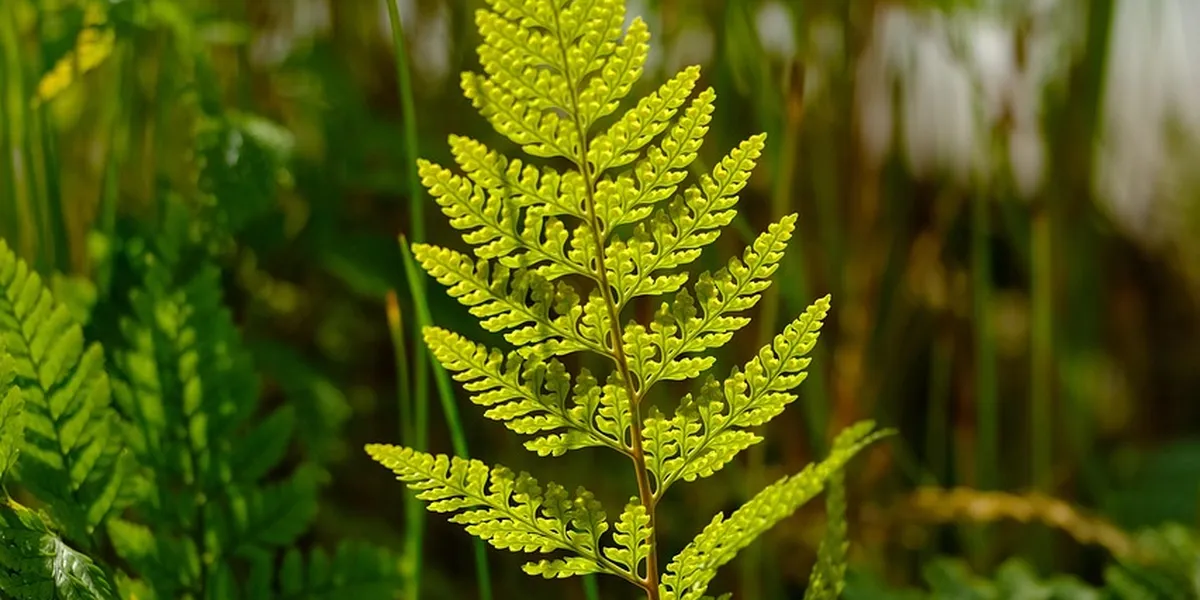
Think of your mantis enclosure as a tiny, personalised biome. Getting the climate right is less about strict rules and more about recreating the gentle, consistent conditions of a perfect spring day. A stable, appropriate climate supports everything from smooth molts to energetic hunting and a long, healthy life.
Maintaining the Ideal Temperature Range
Most common pet mantis species, like the Giant Asian or Ghost mantis, thrive in a comforting warmth. We aim for a daytime range between 22°C and 28°C (72°F-82°F). This is the sweet spot for digestion and activity. My Moss, a Giant Asian male, is always at his most curious and lively when his home feels like a sun-warmed leaf.
A slight, natural drop at night is not just acceptable, it’s beneficial. A dip to around 18°C (65°F) mimics their natural environment and gives their metabolism a gentle rest. Sudden drafts or cold spots are the real enemies, as they can lead to fatal molting issues or a lethargic, fasting mantis.
You often don’t need fancy equipment. Simple solutions work beautifully:
- Place the enclosure in a consistently warm room, away from drafty windows or air vents.
- Use a low-wattage heat mat, but always attach it to the side of the tank, never the bottom. A baking mantis is a tragic accident.
- A small, thermostatically controlled heat lamp placed above one end of the enclosure creates a gentle gradient, letting your mantis choose its comfort.
Always use a small, reliable thermometer. We check ours daily, a quick ritual that ensures everything is just right.
Managing Humidity Levels with Misting
Humidity is the silent partner to temperature, and its management is a daily act of care. The goal is brief, refreshing humidity spikes that fade, not a perpetually wet or swampy enclosure. Misting by hand with lukewarm water is the best and most observant method, allowing you to connect with your mantis and its home every day.
We mist once, sometimes twice, daily for about 5-10 seconds, targeting the sides and leaves. You’ll learn to love the quiet hiss of the spray and the clean, earthy scent that rises. This provides droplets for drinking and raises humidity for a short period to aid respiration.
Different species have different thirsts. My Ghost mantis, Luna, prefers a slightly more humid environment than Moss. Research your specific mantis, but a good rule is to let the enclosure dry out almost completely between mistings.
Avoid soaking the substrate or leaving large puddles, as stagnant moisture breeds harmful mould and bacteria. If you see your mantis drinking hungrily from the droplets, you’ll know you’re doing it right. For species like Orchid mantises, which need higher humidity, we might add a slightly larger water dish or mist a little more frequently, always watching Sprig’s delicate petals for signs she’s content.
4. Ensuring Fresh Air and Gentle Light: Ventilation and Photoperiod
Providing Adequate Ventilation and Airflow
Think of your mantis’s home as a tiny, living ecosystem that needs to breathe just like we do. Proper ventilation prevents the buildup of stale air and moisture, which can quickly lead to mould and respiratory troubles for your insect companion.
We aim for a gentle cross-breeze, not a gusty wind that might topple a delicate mantis mid-molt. For enclosures, mesh panels or fine screen lids work beautifully, allowing air to exchange while keeping your mantis securely inside.
My Ghost Mantis, Luna, lives in a terrarium with mesh on two opposing sides. This setup creates a soft airflow that carries away excess humidity after misting, keeping her frilly appendages dry and healthy.
Here are practical ways to check and improve airflow in your setup:
- Listen and feel: Hold your hand near the ventilation holes; you should sense a slight movement of air, and the enclosure shouldn’t smell musty.
- Choose the right home: Many keepers use acrylic or glass cages with drilled holes, or repurpose large mesh insect cages for excellent circulation.
- Position with care: Keep the habitat in a room with natural air movement, but avoid direct drafts from windows, air conditioners, or heaters.
For my active male Giant Asian, Moss, good ventilation supports his energetic explorations. I’ve noticed that a well-ventilated space seems to make his final molts smoother, as the air isn’t overly thick or damp around him.
If you’re using a temporary container like a mason jar, ventilation is still key. Poke small holes in the lid with a warm nail, and always smooth any rough plastic edges with sandpaper to protect those fragile raptorial legs.
Setting Up a Natural Light Cycle
Light tells your mantis when the world is awake and when it’s time to rest, guiding its daily rhythms without a sound. A consistent photoperiod-the cycle of light and dark-reduces stress and encourages natural behaviours like feeding and molting.
We mimic the gentle rise and set of the sun, not a harsh, constant glare. About 12 to 14 hours of light followed by 10 to 12 hours of darkness is a comfortable rhythm for most common mantis species.
Your mantis doesn’t need special UV bulbs; ambient room light or indirect sunlight often suffices. Place the enclosure where it receives diffused daylight, but never in direct sunbeams that can rapidly cook the delicate interior.
Setting up a reliable light cycle is simpler than you might think. Follow these steps for peace of mind:
- Observe the room’s natural light: A spot near a north-facing window often provides soft, consistent illumination without dangerous heat spikes.
- If the room is dark or your schedule is irregular, use a small, low-wattage desk lamp or LED bulb on an inexpensive plug-in timer.
- Set the timer to switch the light on in the morning and off in the evening, creating a predictable routine for your pet.
My juvenile Orchid Mantis, Sprig, is a perfect example. Her pink and white colours seem to soften under a dim, timed lamp, and she becomes more willing to explore and feed during her “daylight” hours.
During the dark period, ensure the room is genuinely dim or dark. Avoid placing the enclosure where streetlights or monitor glare might confuse your mantis’s internal clock, as this can disrupt its feeding schedule.
Remember, the goal is gentle consistency. A simple, automated light cycle not only benefits your mantis but also gives you one less daily task, letting you focus on the joy of observation instead.
5. Delivering Water and Food: Hydration and Prey Diversity
Offering a Clean Water Source
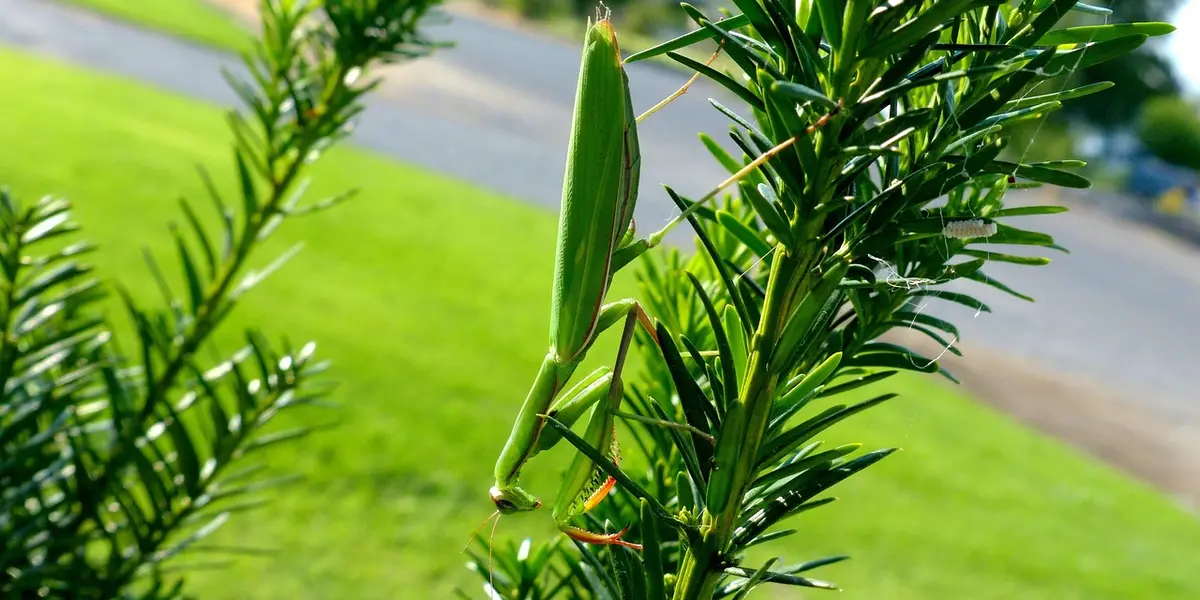
Praying mantises rarely drink from a dish or bowl; they sip moisture from droplets clinging to leaves and enclosure walls. Your mantis gets most of its water through gentle, daily misting that mimics a light rainforest shower. Use a small spray bottle filled with lukewarm, dechlorinated water—tap water left out for 24 hours works perfectly. In a complete hydration guide, you’ll learn that mantises mostly rely on ambient humidity and tiny droplets rather than a standing water dish. Regular light misting is a simple way to meet their hydration needs.
Aim the mist upwards so it falls like a soft rain, coating the foliage and sides of the habitat. Watch as your mantis may tilt its head to drink, much like my Ghost Mantis, Luna, who delicately catches beads of water with her front legs. This ritual not only hydrates but also boosts humidity, which is vital for healthy molting.
Keep the environment fresh by avoiding over-wetting the substrate, which can lead to mold. A quick, light mist each morning is often enough, but observe your mantis; if it actively drinks, you are on the right track. For larger enclosures, focus on one section at a time to let the moisture spread naturally.
- Mist with lukewarm water to prevent temperature shock.
- Spray early in the day so surfaces dry slightly by nighttime.
- Clean your spray bottle weekly with vinegar to prevent bacterial growth.
Notice the quiet sound of the spray and the fresh, earthy scent it brings-these small details create a calming routine for both you and your pet.
Ensuring Food Availability with Varied Prey
A monotonous diet can lead to nutritional gaps and a less active mantis. Offering a range of live prey keeps your mantis engaged and ensures it receives a full spectrum of vitamins and minerals. Think of it as providing a colourful buffet rather than the same meal every day.
Match the prey size to your mantis; the insect should be roughly half the length of its body or smaller. Start with small fruit flies for nymphs and graduate to houseflies, blue bottle flies, or small crickets for adults like my energetic Moss. Avoid wild-caught insects, which might carry pesticides or parasites.
We recommend feeding every two to three days for adults, while growing nymphs may need food daily. Always observe feeding sessions to ensure your mantis captures its prey safely and without stress. If an insect is ignored after 15 minutes, remove it to prevent harassment.
- Suitable prey options by life stage:
- Nymphs: flightless fruit flies, pinhead crickets, springtails.
- Subadults: houseflies, small crickets, green bottle flies.
- Adults: blue bottle flies, medium crickets, moths, occasional waxworms as treats.
Gut-load the prey by feeding them nutritious greens or commercial bug food 24 hours before offering. This approach is a staple in the ultimate guide to gut-loading feeder insects for mantises. It helps ensure your mantis gets optimum nutrition with every feeding. This simple step passes extra nutrients to your mantis, supporting its vibrant colour and strong exoskeleton. For my Orchid Mantis, Sprig, a gut-loaded fly makes her pink petals seem to shimmer even brighter after a meal.
Variety is the spice of life-rotate between two or three prey types each week to mimic the diverse menu a mantis would find in the wild. A well-fed mantis is a content mantis, perched calmly like a green statue, ready for its next adventure.
6. Upholding Cleanliness and Safety: Routine Maintenance
A pristine habitat isn’t just about looks-it’s your first line of defence against mould, mites, and stress. We build a healthy environment not just through setup, but through consistent, gentle upkeep that respects the mantis’s delicate world, so you can clean and maintain your habitat effectively.
Performing Regular Cleaning and Substrate Care
Think of maintenance in two tiers: daily spot-cleaning and a full refresh every few weeks. My ghost mantis, Luna, taught me that a quiet approach is best to avoid startling your inhabitant.
A quick daily check lets you remove leftover prey parts and frass (droppings) with long tweezers, preventing bacterial growth and odour. It’s a moment of connection, too, noticing your mantis’s rhythms.
For a deeper clean, follow these steps:
- Gently relocate your mantis to a secure temporary container with a ventilated lid.
- Completely remove all old substrate and decor.
- Wash the enclosure with warm water and a dedicated, non-toxic terrarium spray or a diluted vinegar solution. Rinse thoroughly.
- Bake new branches or cork bark at a low heat to sterilise, and let everything cool completely.
- Add fresh substrate, reassemble the habitat, and gently return your mantis home.
This routine keeps the enclosure smelling of clean earth and damp moss, not stagnation. Changing the substrate regularly is vital, as it absorbs waste and helps manage humidity levels effectively.
Conducting Safety Checks for a Hazard-Free Habitat
Before your mantis moves back in, run your fingertips along every interior surface. The goal is to find what their delicate feet and abdomen might encounter.
Examine all glued joints, mesh lids, and décor edges for any roughness, loose threads from fabric mesh, or sharp points that could cause injury during a fall or molt. Sand any questionable spots smooth.
Create a simple safety checklist to perform weekly:
- Closure Security: Are all latches, lids, or doors firmly sealed? An adventurous mantis like my Giant Asian, Moss, will test every gap.
- Water Source Safety: Is the water dish shallow enough to prevent drowning? A bottle cap or small pebbles inside a dish work perfectly.
- Decor Stability: Are all branches and vines securely anchored? A wobbly perch can lead to a dangerous fall, especially for a molting mantis.
- Chemical-Free Zone: Have any cleaning products, air fresheners, or pesticides been used near the enclosure? Mantis respiratory systems are extremely sensitive.
Finally, always use lukewarm, dechlorinated water for misting-never cold. A sudden chill can shock their system, while chlorine can irritate them, so letting tap water sit out for 24 hours is a simple, keeper-tested trick. This mindful routine transforms maintenance from a chore into a quiet act of care.
Common Mantis Queries
What makes a praying mantis habitat suitable for children?
A kid-friendly mantis habitat prioritizes safety and simplicity, using sturdy, escape-proof enclosures with easy-to-clean surfaces. Involving children in supervised care routines, like gentle misting, fosters learning while ensuring the mantis’s well-being. Families often compare DIY enclosures to commercial kits to weigh cost against safety and reliability. A quick cost-benefit breakdown can help decide which route fits the budget and learning goals.
How does a praying mantis’s natural habitat map inform its captive setup?
Studying a species’ native range on a habitat map guides temperature and humidity settings to mimic its wild environment. This knowledge helps tailor decor, like adding dense foliage for rainforest species or sparse branches for arid-zone mantises.
Where can I find a praying mantis habitat for sale, and what should I look for?
Pre-made mantis habitats are sold online through insect specialty retailers or pet stores, often as all-in-one kits for beginners. Key features to select include adequate vertical space for molting, proper ventilation, and secure latches to prevent escapes. For more advanced setups, you can create a naturalistic and safe habitat for your praying mantis.
Crafting a Forever Home for Your Mantis
In our years of keeping mantises like Luna and Moss, we’ve seen that a thriving habitat hinges on a secure enclosure with balanced humidity, steady warmth, and ample vertical space for climbing. By gently replicating nature’s subtle cues-think of the soft morning mist or the sturdy hold of a branch-you lay the groundwork for your mantis’s well-being and daily contentment, especially when setting up a bioactive enclosure.
Responsible ownership calls for attentive observation and small, thoughtful tweaks to their care as they grow and molt. We invite you to embrace the learning curve, share stories with fellow keepers, and let your curiosity blossom alongside your remarkable pet.
Further Reading & Sources
- How to Care for a Praying Mantis : 4 Steps – Instructables
- Praying Mantids – Wisconsin Horticulture
- Praying Mantis | National Geographic Kids
- Praying Mantis Habitat, Predators, Prey & Facts
Rowan Hale is a lifelong insect enthusiast who fell in love with mantises for their calm presence, alien elegance, and surprising personalities. After years of keeping and raising a variety of species, Rowan shares practical tips, creative insights, and real-world experience to help others enjoy the quiet magic of mantis care. From setting up the perfect enclosure to understanding their subtle behaviors, Rowan invites readers into a gentle, curious world where every tiny movement feels like a discovery.
Temperature and Humidity