
How to Catch and Acclimate a Wild Praying Mantis as a Pet
Published on: July 6, 2026 | Last Updated: July 6, 2026
Written By: Rowan Hale
Hello, fellow mantis friend! Have you ever watched a wild praying mantis perched like a tiny green statue in your garden, its delicate movements hinting at a world of quiet wonder? That moment of connection can spark a desire to bring a bit of nature’s magic into your home.
Catching and acclimating a wild praying mantis involves gentle capture methods, a thoughtfully prepared habitat, and patient steps to help it settle into captivity. We find it’s a rewarding journey that blends observation with care.
It’s more complex than simply picking one up; wild mantises need time to adjust to avoid stress. With a calm approach, you can turn a chance encounter into a thriving pet relationship.
Here’s a quick look at what we’ll explore together:
- Safely catching a mantis using soft tools and steady hands
- Creating a cozy, temporary home with proper humidity and perches
- Gradually introducing food and monitoring its behavior for a smooth transition
Understanding the Ethics and Legality of Catching a Wild Mantis
Before you set out to bring a wild mantis home, it’s wise to pause and consider the bigger picture. Many regions have specific wildlife regulations that govern insect collection, so a quick check with local authorities can prevent unintended legal issues. Ethically, wild capture offers a chance to connect with nature and observe a mantis in its raw form, but it also carries risks like introducing parasites or stressing fragile populations. We’ve found that captive-bred mantises often adjust more smoothly to indoor life, reducing the ethical weight of taking from the wild. Sometimes, the kindest choice is to release a mantis back if it shows signs of distress or belongs to a protected species-letting it continue its role in the ecosystem.
Legal Considerations for Wild Mantis Capture
- Research your area’s specific laws on insect collection through government wildlife agencies or online databases.
- Note any protected species to avoid accidentally harming them; for instance, some native mantises are safeguarded to maintain biodiversity.
- Emphasize responsible practices to prevent ecosystem disruption, such as taking only one mantis and avoiding habitats with low populations.
Wild vs. Captive-Bred Mantises: A Quick Comparison
- Advantages of wild mantises include zero cost and easy availability during warmer months in gardens and fields.
- Benefits of captive-bred pets involve known health histories and calmer temperaments, making them ideal for beginners.
| Aspect | Wild Mantis | Captive-Bred Mantis |
|---|---|---|
| Lifespan | Often shorter due to prior stresses | Typically longer with consistent care |
| Disease Risk | Higher chance of parasites or infections | Lower risk with controlled breeding |
| Adaptability | May take time to adjust to captivity | Usually acclimates quickly to handling |
Choosing a captive-bred mantis like our Moss, a Giant Asian male, often means fewer surprises and a smoother start to your keeping journey.
How to Safely Find and Catch a Wild Praying Mantis
Wild mantises thrive in sunny, plant-rich spots where they can hunt and hide. Look for them in gardens buzzing with pollinators, meadows dotted with wildflowers, or shrubbery that offers plenty of perches. The best seasons are late summer to early autumn, when adults are most active, and ideal times are early morning or late afternoon when temperatures are mild. Use gentle techniques to avoid injury-move slowly and let the mantis feel secure, much like how we carefully guided Sprig, our Orchid mantis, from a leaf without a fuss.
Essential Gear for a Successful Mantis Hunt
- Bring a small container or jar with air holes for temporary holding; a clean mason jar works wonderfully for short trips.
- Use soft brushes or your hands to guide the mantis without squeezing; a paintbrush can help nudge them gently onto a surface.
- Wear light-colored clothing to blend in and avoid startling your quarry; earth tones help you move unnoticed through their habitat.
Step-by-Step Guide to Catching a Mantis
- Approach slowly and avoid sudden movements to reduce stress; imagine you’re easing into a quiet conversation with a shy friend.
- Gently coax the mantis onto a stick or your hand for easy transfer; offer a steady surface and let it step on at its own pace.
- Secure it in a ventilated container with a few leaves for comfort; this mimics its natural setting and keeps it calm during the journey home.
Patience is your greatest ally here, as rushing can lead to a frightened mantis and a missed opportunity.
Acclimating Your Wild Mantis to a New Home
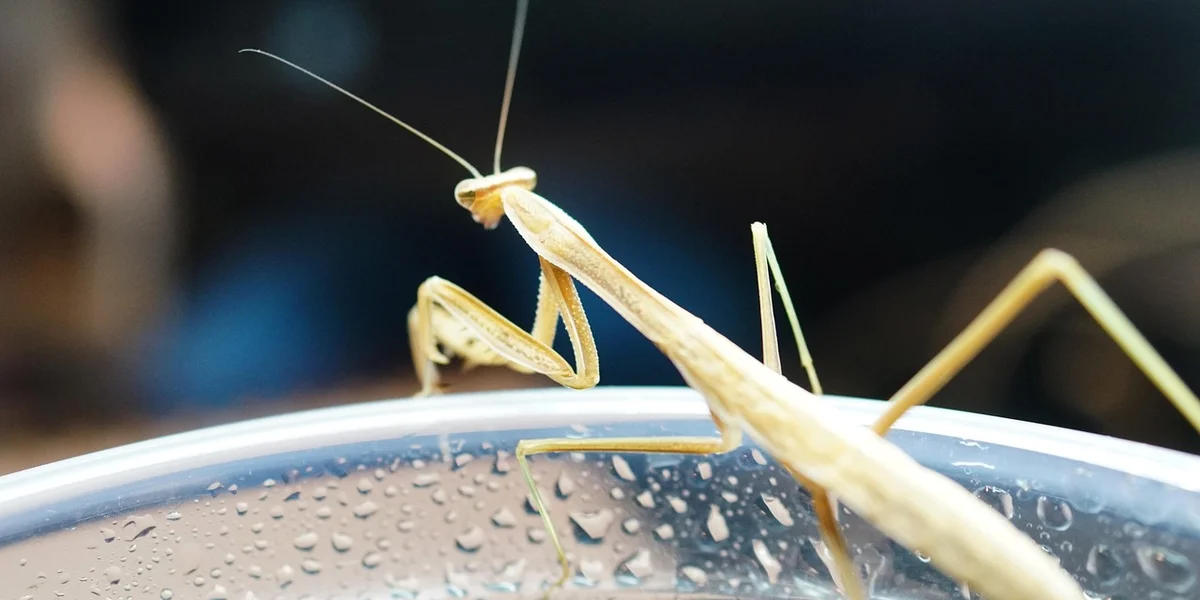
Bringing a wild mantis indoors is a delicate process requiring patience and careful observation. We always begin with a simple, low-stress enclosure that mimics their natural environment as closely as possible. This initial setup helps your new companion feel secure while you learn its unique personality and needs. Moving forward, you’ll compare mantis habitats using a DIY enclosure versus a commercial kit to weigh cost and flexibility. This cost-benefit breakdown helps you decide what fits your budget and care routine.
Creating a Temporary Habitat Setup
- Choose a small, clear container like a large mason jar or plastic critter keeper with a securely fastened lid. Proper ventilation is non-negotiable, so ensure the lid has fine mesh or small air holes.
- Add a few slender, clean sticks arranged at different angles for climbing and perching. Include some silk or plastic leaves for cover and a small piece of damp paper towel on the bottom to maintain humidity.
- Place the finished enclosure in a quiet part of your home. A consistent, warm temperature away from drafts and direct sun helps your mantis settle in without added stress.
Monitoring Early Signs of Stress or Illness
- Watch for lethargy, refusal to eat, or unusual posture changes like a constant, low-hanging abdomen. These can be the first whispers that something in their new world feels wrong.
- Keep a simple daily log of their feeding response and general activity levels. This record becomes an invaluable tool for spotting subtle shifts in their wellbeing.
- Be prepared to gently adjust conditions or seek advice from experienced keepers if problems arise. Sometimes a slight tweak in temperature or a different feeder insect makes all the difference.
Identifying Species and Assessing Mantis Health
Knowing exactly who you’ve invited home is the first step toward providing excellent, tailored care. Correct species identification directly informs everything from enclosure size to ideal temperature ranges. A healthy mantis will have bright, alert eyes and move with a quiet confidence.
Common Wild Praying Mantis Species
- The Carolina Mantis is a native North American species, typically pale green or tan and growing to about 2-3 inches. They are wonderfully adaptable to captive life and have a calm, almost thoughtful disposition.
- Chinese Mantises are larger, often reaching 4-5 inches, with a distinctive green or tan body and a bold vertical stripe between their eyes. These hardy giants are common in gardens and fields, readily accepting life in a spacious terrarium.
- European Mantises are similar in size to the Chinese but are usually a solid, bright green. They thrive in warm, dry setups and are known for their patient hunting style.
Performing a Quick Health Check
- Gently inspect the body for tiny mites, visible injuries, or unusual discoloration. A clean, smooth exoskeleton free of debris is a great sign of a robust mantis.
- Check that all limbs are intact and that the mantis can grip surfaces firmly with its raptorial forearms and walking legs. Normal movement should be deliberate and steady.
- Offer a small, appropriate prey item like a flightless fruit fly. Observing a strong, immediate feeding response is one of the best confirmations of good health.
Long-Term Care for Your Wild Mantis Pet
-
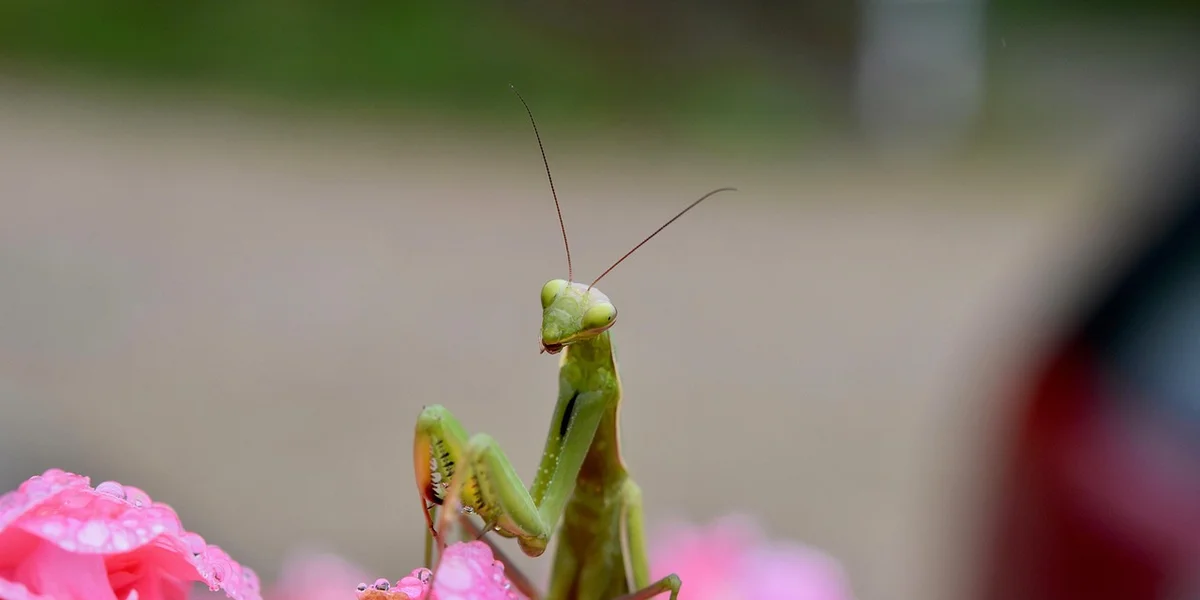
Focus on enclosure setup with excellent ventilation to prevent stale air and mould. Mesh sides or tops allow fresh airflow, which keeps your mantis healthy and active. Maintain humidity by misting with warm water daily, and include plenty of vertical climbing space like branches or twigs.
-
Offer a diet of live insects such as crickets, roaches, or fruit flies. Feed juveniles every day or two, while adults may only need meals every three to four days. Adjust based on your mantis’s appetite and species-specific needs. For a complete diet feeding guide, this plan serves as a starting point to tailor nourishment to your mantis. A full guide also covers prey size, rotation, and occasional supplementation to ensure balanced nutrition across life stages.
-
Add enrichment by rearranging decorations or introducing new hiding spots. This mimics natural foraging and reduces boredom, encouraging your mantis to explore its surroundings. Simple changes can make a big difference in their daily routine.
Setting Up a Permanent Terrarium
-
Choose an enclosure that is at least three times your mantis’s height, with mesh for airflow. Keep in mind that enclosure needs vary by species, so tailor the setup to the mantis species you keep. Knowing your species’ natural habitat helps determine the right dimensions and features. A well-ventilated space helps prevent respiratory issues and supports easy molting. For our mantis Luna, we use a tall glass terrarium with a mesh lid to balance humidity and air circulation.
-
Include branches, live plants like pothos, and small hiding areas for security. These elements recreate a natural environment, making your mantis feel safe and less stressed. Live plants also help maintain humidity and add a touch of greenery.
-
Keep temperatures steady around 20-25°C and mist the enclosure regularly. Consistent warmth and moisture aid in hydration and smooth shedding during molts. A daily light spray mimics morning dew and keeps the air pleasantly humid.
Feeding and Handling Practices
-
Suitable prey includes crickets, roaches, or flightless fruit flies, sourced from pet stores or online suppliers. Always select insects that are gut-loaded for maximum nutrition and safety. We find that local pet shops often have healthy options for our mantis Moss.
-
Feed based on age and species; young mantises eat daily, adults every few days. Watch for signs of hunger, like active hunting, to tailor the schedule. Overfeeding can lead to obesity, so offer prey that is smaller than your mantis’s head. How often should you feed a praying mantis? A complete schedule can help you plan meals effectively.
-
Handle gently by allowing your mantis to step onto your hand, and keep sessions short. Building trust through calm interactions reduces stress and minimises escape risks. Avoid sudden movements, as mantises can be skittish in new situations.
Exploring Alternatives to Wild Capture
-
Captive-bred mantises are a reliable choice for beginners, with fewer health concerns. They adapt quickly to home environments and come with known care histories. This option is often less stressful for both you and the mantis, especially when paired with the right species for beginners.
-
Find ethical suppliers through pet expos, online stores, or keeper communities. These sources provide support and advice to help you succeed from the start. Joining forums can connect you with experienced enthusiasts.
-
Support conservation by choosing sustainable pets over wild-caught ones. This helps protect natural populations and promotes responsible pet ownership. Every captive-bred mantis contributes to preserving wild habitats.
Benefits of Choosing Captive-Bred Mantises
-
They have fewer parasites and settle into enclosures more easily. This means a smoother transition and healthier life for your new pet. Our experience with Sprig showed how quickly she adapted compared to wild counterparts.
-
You can select from various species with clear care guidelines. This allows you to match a mantis to your skill level and interests. Options range from hardy giants to delicate orchids, each with unique needs.
-
It prevents over-collection from wild environments. Choosing captive-bred supports ecosystem balance and ethical pet keeping. Wild populations thrive when we source pets responsibly.
Where to Find Healthy Captive Mantises
-
Look for reputable breeders, pet expos, or specialised online shops. Always verify seller reviews and ask about health guarantees before purchasing. We’ve had great luck with breeders who share photos and care tips.
-
Join online forums or social media groups for recommendations. Community insights can lead you to trusted sources and helpful advice. Many keepers are happy to share their favourite suppliers.
-
Quarantine new arrivals in a separate setup for one to two weeks. This step prevents the spread of illnesses and ensures your mantis is thriving. A simple jar with ventilation works well for short-term isolation. This is part of a step-by-step quarantine protocol for new mantises. It helps you monitor health and prevent cross-contamination before introducing to the main enclosure.
Common Mantis Queries
What is the typical lifespan of a pet praying mantis?
The lifespan varies significantly by species, but most live for about 6 to 12 months in captivity. Proper care, including correct temperature and diet, is essential for helping them reach their full lifespan potential.
What do I feed my pet praying mantis?
Your mantis requires a diet of live insects, such as fruit flies for nymphs and crickets or roaches for adults. Always provide prey that is smaller than your mantis’s head and ensure the feeder insects are gut-loaded for optimal nutrition.
How much does it cost to keep a pet praying mantis?
The initial setup for an enclosure and supplies is the primary cost, while ongoing expenses for food are relatively low. Compared to many other pets, mantises are an inexpensive hobby, especially if you source feeders in bulk. For context, here’s a complete price breakdown of a pet praying mantis—from setup to ongoing upkeep—to help you budget. Planning ahead with the full price breakdown can show whether mantis keeping fits your budget.
Your Mantis Care Journey
Always approach wild mantises with gentle hands and a calm demeanor to build trust from the start. Create a secure, well-misted enclosure that mirrors their natural surroundings for a smooth transition into captivity.
Commit to observing your mantis daily, noting any changes in behavior or appetite to catch issues early. That naturally raises the question: what are the most common health and behavior issues in pet mantises? Knowing these common problems helps you monitor for warning signs and respond promptly. We find that continuous learning through reliable sources and fellow keepers enriches both your experience and your pet’s quality of life.
Further Reading & Sources
- How to Care for a Praying Mantis : 4 Steps – Instructables
- Praying Mantid caresheet – Amateur Entomologists’ Society (AES)
- How to Take Care of a Praying Mantis (with Pictures) – wikiHow
- What is a good starter kit for a praying mantis? My two year old daughter found one today and named it ‘boo’ and is super attached to it so I want to get him a little tank so hopefully he lives out his life healthy but am unsure of what all I need. – Quora
Rowan Hale is a lifelong insect enthusiast who fell in love with mantises for their calm presence, alien elegance, and surprising personalities. After years of keeping and raising a variety of species, Rowan shares practical tips, creative insights, and real-world experience to help others enjoy the quiet magic of mantis care. From setting up the perfect enclosure to understanding their subtle behaviors, Rowan invites readers into a gentle, curious world where every tiny movement feels like a discovery.
First-Time Mantis Owners