
How to Safely Remove and Relocate a Praying Mantis
Published on: June 4, 2026 | Last Updated: June 4, 2026
Written By: Rowan Hale
Hello there, fellow mantis friend. Have you ever spotted one of these quiet hunters, poised like a miniature green statue on a leaf, and wondered what to do next? They are fascinating guests, but sometimes they wander into places where they aren’t safe.
Safely moving a praying mantis involves gentle handling, a calm approach, and a suitable container to transport it to a safer, insect-rich habitat.
While the process seems simple, a startled mantis can be fragile, and an improper move can harm its delicate limbs. We will walk you through each step with the same gentle care we use with our own mantises, like our observant Ghost Mantis, Luna.
- Why gentle handling is non-negotiable for their safety.
- The simple tools you need, likely already in your home.
- How to coax a mantis onto your hand or into a container without stress.
- Choosing the perfect new location for a successful release.
When Should You Consider Relocating Your Mantis?
We often face moments where moving our mantis becomes the kindest choice, especially when their current home no longer supports their well-being. Common scenarios include shifting to a new house, upgrading their enclosure for better space, or addressing safety threats like curious pets or harsh weather. During a move, prioritize a safe transfer of a stressed mantis between enclosures. Use a secure container, minimize handling, and ensure the new enclosure has proper temperature, humidity, and airflow. Think of it as giving them a fresh start in a spot where they can thrive without constant worry.
Watch for clear signs that your mantis needs a change of scenery. If you notice prolonged exposure to extreme heat or cold, a noticeable drop in available prey, or repeated stress behaviors like frantic climbing, it’s time to plan a gentle move. These indicators help you act before small issues turn into health risks. If signs of stress persist, consider whether fixing the habitat could help. Often a careful tweak to temperature, humidity, hiding spots, and prey availability resolves the problem.
I recall finding Moss, my energetic Giant Asian Mantis, perched listlessly in a sun-scorched corner of his tank-his usual vivid green dulled by the dry air. That quiet struggle was my cue to create a cooler, shaded area for him, reminding me how attuned we must be to their subtle needs.
- Moving to a new residence where their habitat can’t easily travel
- Habitat changes like a cracked terrarium or overcrowded plants
- Safety concerns from predators, household chemicals, or poor ventilation
- Signs of distress: mantis refusing food, hiding constantly, or showing discoloration
- Environmental shifts: sudden temperature spikes or persistent low humidity
Gathering Your Relocation Toolkit
Assembling a simple, effective toolkit ensures the relocation process is smooth and stress-free for both you and your mantis. Start with soft gloves to protect their delicate limbs, a breathable container for temporary holding, a gentle net for safe capture, and a misting bottle to maintain comforting humidity levels. With a skittish mantis, patient, gentle handling helps you hand-tame it over time. Slow movements and giving it space builds trust. Having these items ready turns a potentially chaotic moment into a calm, controlled transition.
Many everyday household objects can serve as excellent substitutes if you’re in a pinch. A clean mason jar with small air holes poked in the lid works wonderfully as a mini-habitat, while a shallow bowl lined with a damp paper towel can provide a hydrating rest stop. We’ve used repurposed items like these for quick moves with Luna, our Ghost Mantis, and she settled in without a fuss.
Always opt for eco-friendly choices that prioritize your mantis’s comfort and safety. Select containers made from natural materials like cardboard or glass, avoid synthetic nets that could snag their legs, and use filtered water in your mister to prevent chemical exposure. This mindful approach mirrors the gentle care they deserve.
- Soft, flexible gloves to handle your mantis without pressure
- Breathable container with ventilation, such as a plastic critter keeper
- Fine-mesh net for guiding them without force
- Misting bottle filled with room-temperature water
- Household alternatives: lidded jar with holes, small Tupperware, or a cloth bag
Step-by-Step Guide to Safe Removal and Relocation
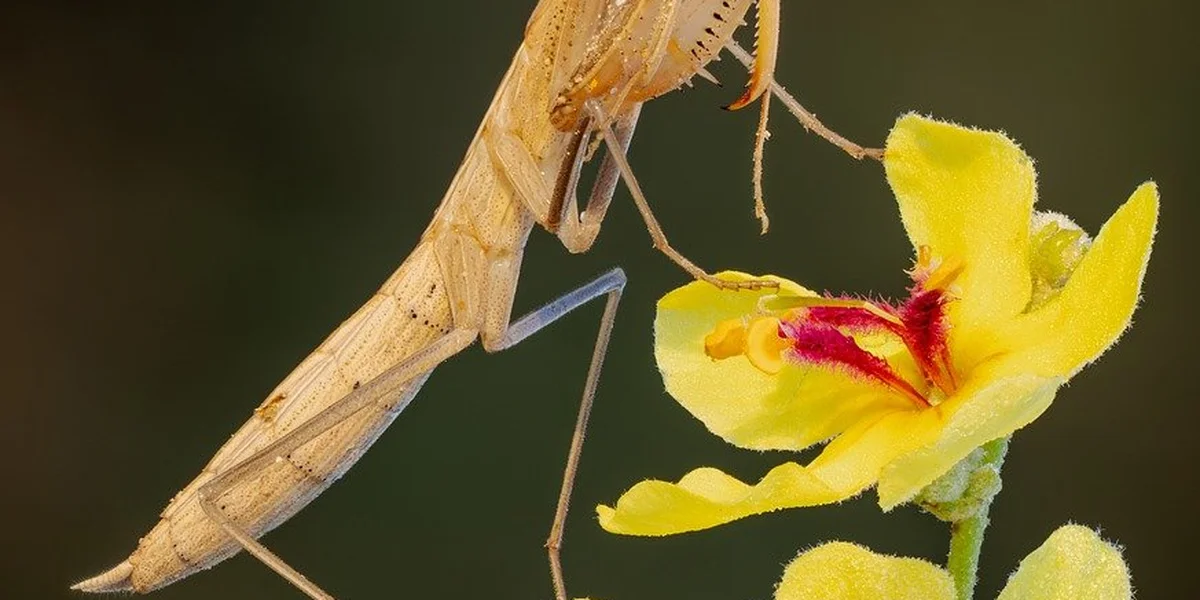
Step 1: Identify and Approach Calmly
- Observe the mantis from about a foot away to notice its behaviour and posture. This quiet observation helps you understand if it’s resting or alert, preventing any sudden fright.
- Gently identify the species by noting colours and shapes; for instance, a Ghost Mantis has misty brown frills, while an Orchid Mantis shows soft pink marbling. Recognising the species guides your approach, as some, like my Ghost Mantis Luna, are naturally calmer and easier to handle.
Step 2: Encourage Movement into a Container
- Use a soft net or a thin stick to slowly guide the mantis into a secure container like a mason jar. Patient, deliberate movements allow the mantis to feel in control, reducing stress for both of you.
- If using a stick, place it near the mantis and wait for it to climb on willingly. This method works wonders with curious types like Moss, my Giant Asian Mantis, who often explores new surfaces with ease.
Step 3: Secure for Transport
- Close the container with a lid that has small air holes to ensure proper ventilation. Good airflow keeps the mantis comfortable and prevents overheating during the journey.
- Aim for short travel times, ideally under 30 minutes, and keep the container steady to avoid jostling. Brief, smooth trips minimise agitation and help the mantis stay calm throughout.
Step 4: Release in a Suitable Habitat
- Select a release spot rich in plants, shelter, and insect prey, such as a garden with bushes and flowers. A habitat with plenty of cover and food sources gives the mantis the best chance to settle in happily.
- Gently place the mantis on a leaf or stem and step back to let it acclimate at its own pace. Allowing it to explore independently ensures a natural and stress-free transition to its new environment.
Handling Techniques for a Stress-Free Experience
- Do wear thin gloves to protect your skin and the mantis from oils or bacteria. Gloves create a safe barrier that prevents accidental harm during close contact.
- Don’t squeeze or grip the mantis tightly; instead, let it walk onto your hand when it feels ready. A light touch avoids injury and helps build trust between you and the mantis.
- Use a container if you’re uncertain about handling, as it offers a secure way to move the mantis without direct contact. Containers are ideal for beginners or when the mantis appears nervous, ensuring everyone stays safe.
- From my experience, Moss, my Giant Asian Mantis, responds well to a steady hand and often climbs up without hesitation. This gentle approach fosters a calm connection and makes the process enjoyable for both keeper and mantis.
- To minimise harm, keep the mantis in a quiet, dimly lit area during handling and transport. Reducing noise and bright light lowers stress levels and helps the mantis remain tranquil.
Selecting the Ideal Release Location
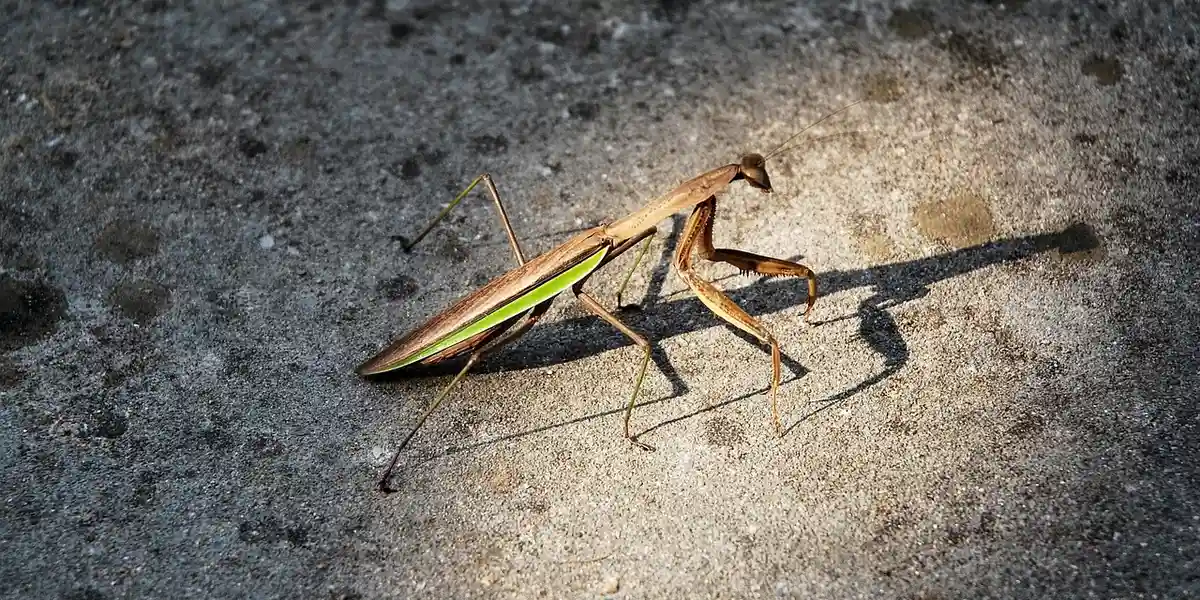
Factors for a Healthy Habitat
When picking a new home for your mantis, focus on spots rich in small insects like flies or aphids, which serve as natural prey. Abundant foliage provides hiding spots from birds and other predators, making your mantis feel secure right away. These are essential habitat requirements for a healthy praying mantis. Ensuring prey availability and shelter in the enclosure supports growth and well-being.
- Seek out areas with diverse plant life, such as bushes or tall grasses, where your mantis can perch and hunt comfortably.
- Ensure there’s shelter from wind and direct sun-think shaded nooks under leaves or within garden structures.
- In regions like California, a well-tended garden with flowering plants often supports plenty of insect life, while wooded areas in Ontario offer dense cover and seasonal bug populations.
We always check for a mix of sun and shade, as our mantis Moss thrived in a spot with morning light and afternoon cover. This balance helps mantises regulate their temperature and stay active without overheating.
Weather and Timing Tips
Plan your release for a calm, dry day with mild temperatures, ideally in the late morning or early afternoon. Soft breezes and gentle warmth help your mantis adjust without the stress of harsh elements.
- Avoid rainy or overly hot days, as wet conditions can hinder movement and extreme heat may cause dehydration.
- Consider seasonal shifts-in cooler climates, aim for spring or summer releases when insects are plentiful and frost isn’t a risk.
From our own releases, we’ve seen how a cloudy but dry day helped Sprig, our Orchid Mantis, settle in smoothly. Timing your move with the seasons boosts the chances of long-term survival in the wild.
Post-Relocation Care and Observation
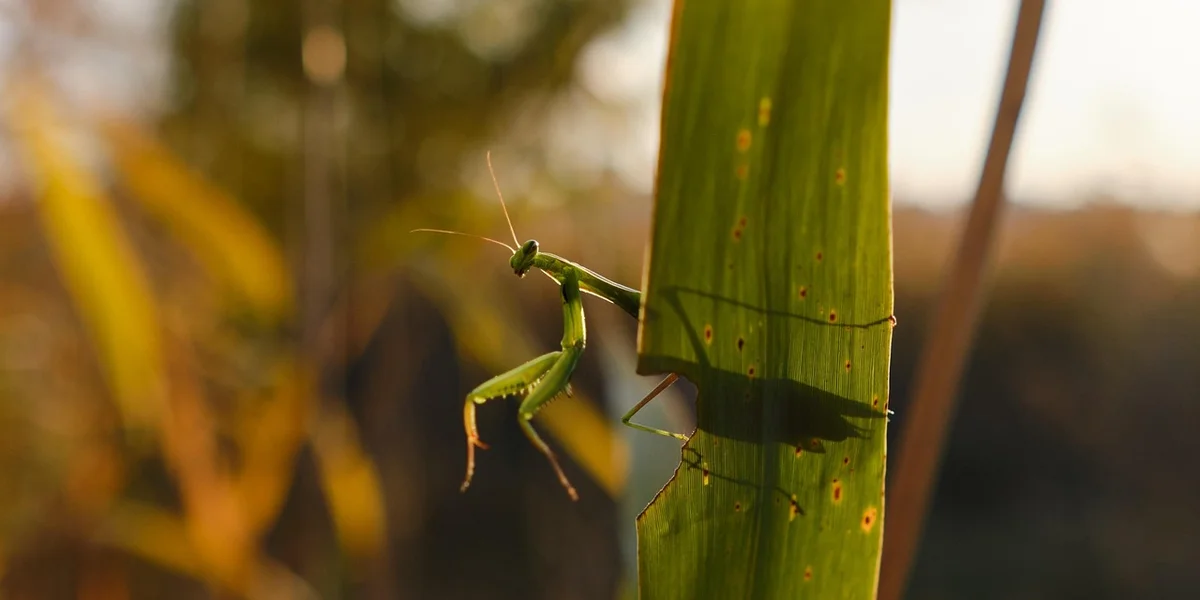
After placing your mantis in its new environment, step back and watch from a distance for about 10-15 minutes. This brief observation lets you confirm it’s exploring and not showing signs of distress. If you notice signs of stress—such as unusual immobility or erratic movement—adjust the setup and monitor for further clues.
- Look for normal behaviors like climbing on plants, grooming, or catching nearby insects, which indicate successful adaptation.
- Signs of a happy mantis include steady movement, antennal twitching, and a relaxed posture-our Ghost Mantis Luna often tilted her head curiously when she felt at home.
- Resist the urge to check too often; frequent visits can startle your mantis and disrupt its settling process.
We’ve found that giving them space allows natural instincts to kick in quickly. Trust that your careful preparation has set them up for a thriving life in their new surroundings.
Alternatives and Important Considerations
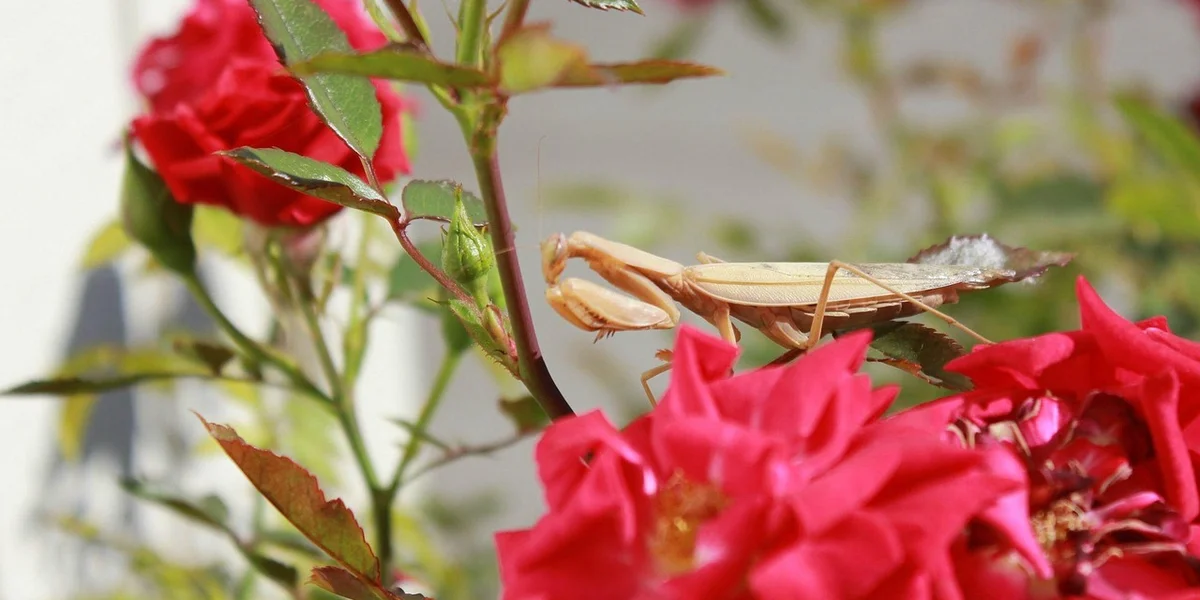
Sometimes, full relocation isn’t your only choice—setting up a temporary indoor habitat can offer a gentle pause while you plan. Planning a vacation or a busy week? You can prep your mantis habitat in advance to keep things steady. We often use a spare glass jar or small terrarium with mesh lid for our mantises, like Luna, who appreciates the quiet hideaway during molting seasons. This approach lets you monitor their health without disrupting their routine too much. Simply add a few twigs for perching and mist lightly to maintain humidity, mimicking their natural surroundings.
- Choose a clear container with ventilation holes to prevent mold and allow air flow.
- Include soft foliage or paper towels at the bottom for comfort and easy cleaning.
- Place the habitat in a warm, shaded spot away from direct sunlight or drafts.
Before moving any mantis, it’s wise to glance at local wildlife laws, especially in places like the USA where regulations vary by state. Checking with your area’s fish and wildlife service ensures you’re not accidentally breaking rules meant to protect native species. This is part of a complete guide to praying mantis ownership laws and permits. It helps readers understand when permits are needed and how to stay compliant with local rules. A quick online search or phone call can save you from fines and help mantises thrive where they belong.
We always weigh the ethics of relocation, asking if it’s truly necessary or if the mantis might fare better left undisturbed. Humane handling means considering how your actions ripple through the local ecosystem, from insect populations to plant health. Gently scooping them with a soft brush or your hand, rather than forceful methods, keeps stress low and honors their role in nature’s balance.
Common Mantis Queries
Where can I commonly find praying mantises in the wild for observation?
Praying mantises often inhabit gardens, meadows, and fields with tall grasses or shrubs. Look for them perched on leaves or stems where they blend in to hunt insects. You can also learn more about their natural habitat and distribution.
How can I use online resources to locate suitable mantis release sites in the USA?
Online maps and wildlife databases can help identify parks or natural areas with diverse plant life and insect populations. Always verify that these spots are free from pesticides and have adequate shelter for mantis safety.
What should I consider when relocating a mantis in a region like Ontario?
In Ontario, choose release locations with dense foliage to protect from cool temperatures and predators. Aim for warmer months when insect prey is abundant to support a smooth transition into the wild.
Your Mantis Relocation Journey Complete
Always handle your mantis with slow, deliberate motions and use a soft brush or container for safe transfers. This gentle method keeps stress low and ensures your pet remains unharmed during the move.
We encourage you to embrace the role of a thoughtful keeper by always putting your mantis’s comfort first. Stay curious and keep learning about their unique behaviors to nurture a thriving, long-lasting bond.
Further Reading & Sources
- How to Catch and Get Rid of a Praying Mantis in Your House?
- Getting Rid of a Mantis – Praying Mantis Facts
- r/hummingbirds on Reddit: How to get rid of praying mantis?
- Praying Mantis
Rowan Hale is a lifelong insect enthusiast who fell in love with mantises for their calm presence, alien elegance, and surprising personalities. After years of keeping and raising a variety of species, Rowan shares practical tips, creative insights, and real-world experience to help others enjoy the quiet magic of mantis care. From setting up the perfect enclosure to understanding their subtle behaviors, Rowan invites readers into a gentle, curious world where every tiny movement feels like a discovery.
First-Time Mantis Owners