
How to Tell if a Praying Mantis is Stressed: Behavioral Signs
Hello mantis friend, have you ever watched your praying mantis and felt a twinge of worry when they seem unusually still or agitated, like a tiny green statue that’s lost its calm?
You can tell if a praying mantis is stressed by observing key behavioral changes such as reduced movement, unusual postures, or shifts in feeding habits.
But spotting stress isn’t always straightforward, as mantises are naturally quiet and their behaviors can be subtle. Here’s a quick look at what we’ll explore together:
- Common stress signs like lethargy or frantic movements
- How to tell stress apart from normal mantis behavior
- Simple ways to help your mantis feel safe and relaxed
Understanding Praying Mantis Stress and Its Impact
Stress in praying mantises is their body’s response to discomfort or threats, much like how we feel unsettled in new surroundings. Spotting stress early helps you step in before it affects their well-being, ensuring your mantis stays healthy and content. It’s important to know the signs of stress and how to fix its habitat.
We’ve learned from caring for mantises like Luna that gentle observation makes all the difference. Early detection prevents common issues, allowing you to adjust their environment quickly and avoid long-term problems, especially when it comes to health and behavior issues in pet mantises.
- It reduces the chance of molting failures that can harm their growth.
- It maintains steady feeding habits for proper nutrition.
- It lowers the risk of stress-related behaviors taking hold.
Key Behavioral Signs of a Stressed Mantis
Defensive Postures and Erratic Movements
When a mantis feels threatened, it might raise its forelegs high in a defensive stance, ready to ward off perceived dangers. This posture, often seen in our Moss, shows he needs a calm space to feel secure again. To deal with an aggressive defensive praying mantis, give it space and avoid sudden movements; observe from a distance until it settles. If relocation is necessary, use a container to move it gently and safely.
- Defensive posture: Forelegs lifted, body stiff-similar to how Luna freezes when startled by sudden movements.
- Erratic movement: Jerky, hurried walks instead of their usual graceful strides, as if trying to escape unease.
- Wing flicking: Quick, nervous flutters of wings without flying, which we’ve noticed in Sprig during handling sessions.
- Leg tremors: Slight shaking in the legs, a subtle sign of anxiety or discomfort.
- Antennae twitching: Constant, rapid antenna movements, indicating heightened alertness to their surroundings.
Changes in Activity and Feeding Habits
A stressed mantis may become unusually still, spending long periods motionless or hiding in enclosure corners. Reduced activity often signals that something is off, much like when Luna avoided her favourite leaves for days. Healthy mantises typically stay active and responsive. If you notice persistent lethargy, decreased appetite, or unusual behavior, that can signal worry and may warrant closer observation or adjustments to care.
- Immobility: Remaining in one spot for hours, with little to no movement.
- Hiding: Seeking cover behind plants or in shaded areas to avoid interaction.
- Retreating: Backing away from food or your presence when approached.
- Reduced feeding: Ignoring live prey that would normally spark interest.
- Feeding suppression: Refusing meals entirely for extended periods, leading to weight loss.
To keep track of these changes, follow these straightforward steps:
- Check on your mantis daily, noting any shifts in behavior or posture.
- Offer food at consistent times and record how eagerly it’s accepted.
- Watch for appetite drops, such as slower eating or disinterest in hunting.
Physical and Social Stress Responses
Physical cues like color shifts can reveal stress, such as a mantis darkening due to low humidity. Molting troubles often stem from stress, causing incomplete sheds that risk injury.
- Color changes: Mantises may turn darker or lighter in response to environmental factors like temperature fluctuations.
- Molting issues: Stress can delay molting or lead to stuck skin, which we’ve helped Moss through with careful misting.
- Increased aggression: A typically placid mantis might strike out more often, even at harmless objects.
- Cannibalism risk: In group settings, stress can trigger attacks on tank mates, especially if space is limited.
These responses often link to specific stressors in their environment:
- Environmental stressors: Incorrect humidity, temperature, or inadequate hiding spots.
- Social stressors: Overhandling, loud noises, or housing with other mantises.
Common Causes of Stress in Pet Mantises
Environmental Stressors
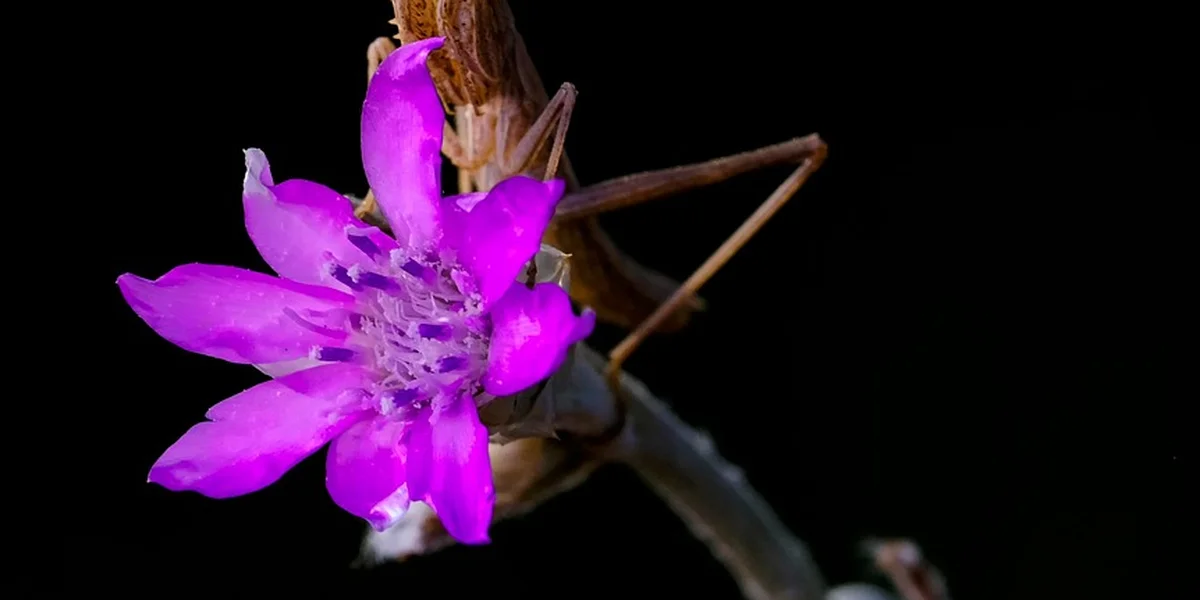
Mantises thrive in stable environments, and even small shifts can unsettle them. Temperature stress happens when their space is too hot or cold, making them sluggish or overly active. With Moss, my Giant Asian Mantis, I saw him pace frantically when his tank warmed beyond comfort. This was a clear sign of temperature stress affecting a mantis.
Humidity imbalance-too dry or damp-can lead to dehydration or mould. We aim for that sweet spot where the air feels like a gentle morning mist, not a swamp or desert. Lighting stress comes from harsh or constant bright lights, which disrupt their natural day-night rhythm.
Overcrowding, even in a small enclosure, can make them feel trapped. Give your mantis room to perch and hunt without feeling crowded by decor or other insects. Creating a naturalistic, safe habitat for your praying mantis helps reduce stress and promotes natural behavior. A well-designed setup mimics their native environment and is easier to maintain. Here’s a quick checklist to assess their habitat:
- Check temperature stays between 20-30°C, using a thermometer.
- Monitor humidity with a hygrometer, aiming for 50-70% for most species.
- Ensure lighting is indirect and mimics natural cycles.
- Verify there’s ample space for movement and hiding spots.
- Look for signs of mould or stagnant air, indicating poor ventilation.
Handling and Disturbance Triggers
Handling can be stressful if done too often or roughly. Mantises may freeze or flail when picked up, a clear sign they’re not comfortable. I learned with Sprig, my Orchid Mantis, to handle her only when necessary, using slow, deliberate motions.
Noise from loud music or household clatter can startle them. Keep their enclosure in a quiet corner where sudden sounds won’t disrupt their peace. Environmental changes, like moving their tank, can trigger stress as they adjust to new sights and smells.
Startle response delay-where they take longer to react-often means they’re on edge. Minimize disturbances by sticking to gentle routines, like feeding at the same time each day. Try these tips for a calmer mantis:
- Limit handling to short sessions, using a soft brush or your hand if needed.
- Place the enclosure away from high-traffic areas to reduce noise.
- Introduce changes gradually, such as new plants over a few days.
- Observe their behaviour after disturbances to gauge their comfort.
Immediate Steps to Calm a Stressed Mantis
Quick Actions for Relief
When you spot stress signs, act gently to restore their calm. Start by reducing any loud noises or sudden movements around their space. This simple step can help them feel secure again.
Adjust the habitat’s temperature and humidity if they’re off. A quick mist with warm water or moving the tank away from drafts can make a big difference. Offer a quiet hiding spot, like a small plant or cork bark, where they can retreat.
Always prioritize safety and close observation. Watch for improved behaviour, like relaxed posture or normal feeding, to know they’re settling. Follow this numbered list for quick relief:
- Turn down any loud sounds and dim bright lights in the room.
- Check and adjust temperature or humidity with a spray or heater if needed.
- Add or reposition a hiding spot in their enclosure for immediate refuge.
- Step back and observe from a distance to avoid further disturbance.
- Offer a favorite food, like a small cricket, once they seem calmer.
Long-Term Habitat Adjustments for Stress Prevention
Optimizing Enclosure Conditions
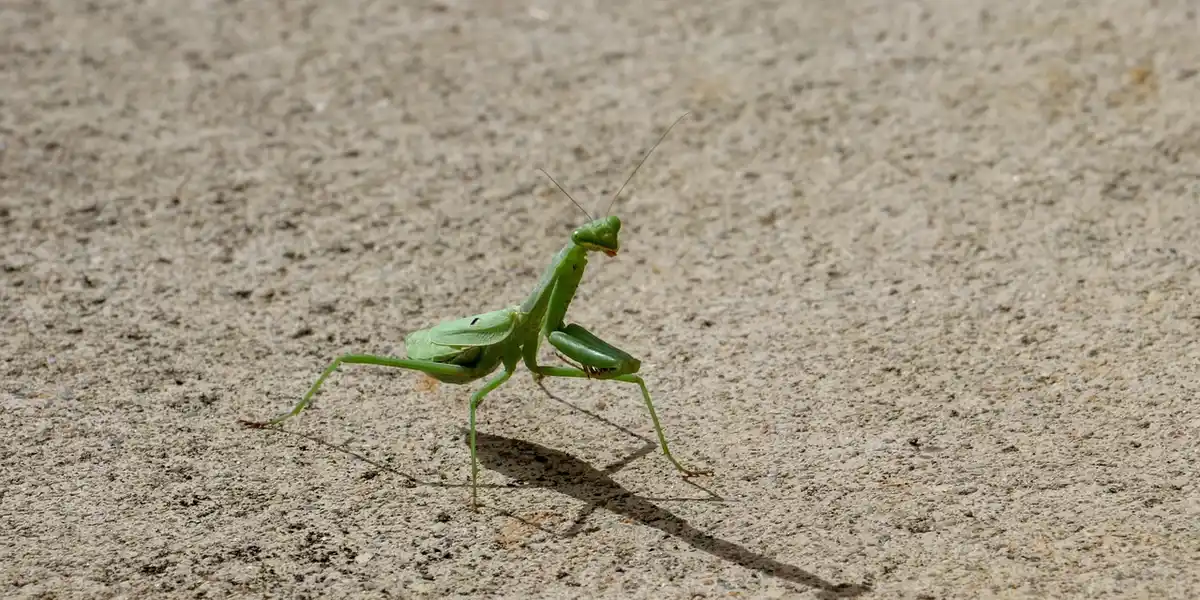
Creating a stable environment is your mantis’s strongest shield against stress.
A consistent, suitable habitat prevents the subtle anxieties that lead to bigger health problems.
- Temperature: Use a small, low-wattage heat mat on one side of the enclosure to create a gentle warmth gradient. Your mantis should always have a cooler area to retreat to if needed.
- Humidity: A light misting with warm water once or twice a day maintains moisture. We watch our Ghost Mantis, Luna; when her frills look dry, we know it’s time for a gentle spray.
- Space: Provide an enclosure at least three times your mantis’s height and twice its width. Tall, vertical space is non-negotiable for molting and perching.
- Ventilation: Ensure a good mix of mesh and solid walls. Stagnant, stuffy air is as stressful as a constant draft.
- Substrate: A simple layer of coconut fiber or peat moss holds humidity and gives a natural, earthy footing.
Monitor these conditions daily with a simple digital thermometer and hygrometer placed at mantis-level.
A quick glance each morning tells you if adjustments are needed before stress sets in.
Reducing Stress Through Enrichment and Routine
Think of your mantis’s home not just as a container, but as a small, living world.
Enrichment transforms a basic enclosure into a engaging territory that satisfies their natural instincts.
- Add varied textures: Twisty grapevine, smooth bamboo, and soft fake leaves give different perching experiences.
- Manage visual crowding: Too many decorations can feel claustrophobic. Ensure clear sightlines and open spaces for movement.
- Establish calm handling: Limit handling to a few minutes, always letting the mantis walk onto your hand. Never grab from above.
Our daily care habits build a predictable, low-stress life for our mantises.
- Morning check: Observe posture and location before offering food.
- Gentle misting: Use a fine spray bottle, avoiding a direct blast on the mantis.
- Evening peace: Reduce loud noises and bright lights near the enclosure as they settle for the night.
- Weekly refresh: Replace old foliage and wipe down glass to keep the view clear and the air fresh.
A predictable routine gives your mantis the quiet confidence of knowing what comes next.
When to Seek Help for a Stressed Mantis
Sometimes, our best efforts need a second pair of experienced eyes.
Recognizing when a situation is beyond basic home care is a responsible part of being a good keeper.
Persistent molting issues are a major red flag. If your mantis remains stuck in its old skin for more than a day, or emerges with deformed limbs, the problem often runs deeper than humidity.
Severe behavior changes that last for weeks, like our Moss refusing all food or constantly hanging upside-down in a daze, signal a deeper distress.
A complete loss of appetite for more than ten days in a healthy-sized juvenile or adult is a clear call for help.
Consult a vet specializing in invertebrates or an experienced mantis keeper when you see:
- Repeated, failed molting cycles.
- Lethargy so profound the mantis does not react to gentle touch.
- Visible internal issues, like a sudden blackening of the abdomen.
- Any sign of injury you are not confident treating yourself.
Asking for help is not a failure; it’s the final, caring step in ensuring your mantis’s wellbeing.
Questions from Fellow Mantis Friends
How can I tell if my mantis is stressed or just getting ready to molt?
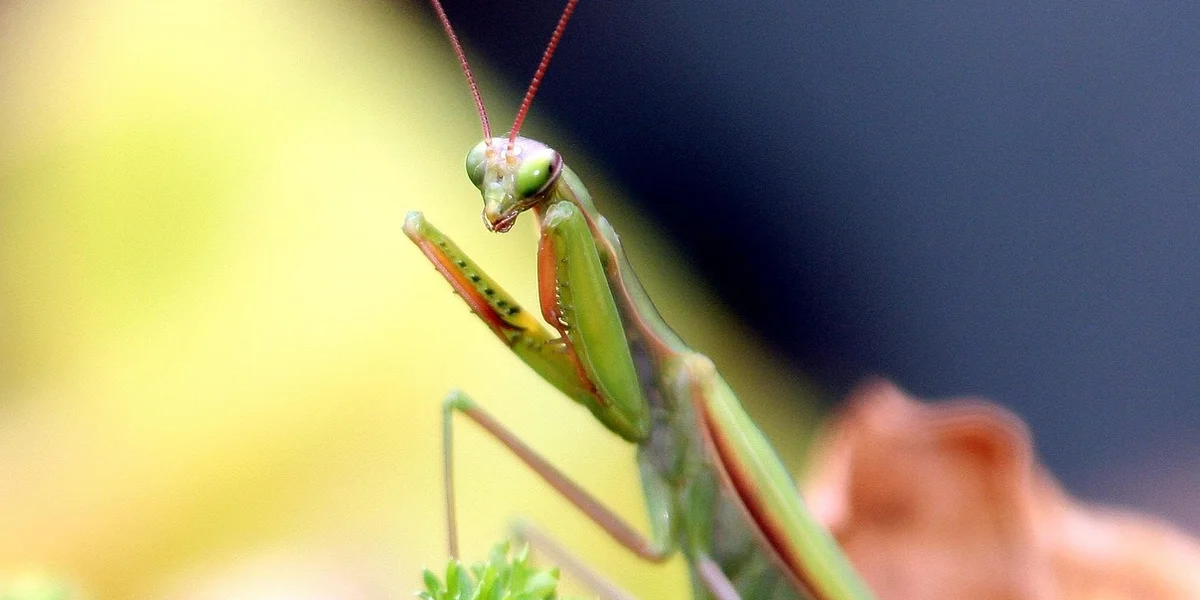
Pre-molt behavior typically includes a lack of appetite and increased stillness, but the abdomen will appear plump. Stress-related immobility is often accompanied by other signs like frantic movements or defensive postures.
Is it okay to handle a stressed praying mantis?
It is best to avoid handling a mantis that is showing clear signs of stress, as this can worsen their anxiety. Instead, focus on calming their environment and only attempt handling once they have returned to their normal, relaxed behavior. To handle and interact with your praying mantis safely, let it approach and climb onto your hand. Keep handling brief and watch its cues for signs of stress.
How long does it take for a stressed mantis to recover?
A mantis can often recover within a few hours to a couple of days once the stressor is identified and removed. If the stressed behavior persists for more than a few days, it may indicate an unresolved issue requiring further habitat adjustments. To diagnose the issue, use our ultimate mantis health troubleshooting checklist for why my mantis is sick. It highlights common causes and quick fixes for habitat, diet, and care.
Caring for Your Mantis with Confidence
By observing behaviors like frantic pacing or refusing food, you can identify stress early and take action. Adjusting their environment to reduce noise and maintain steady humidity often helps them settle back into their calm, natural rhythms.
Responsible mantis ownership involves committing to their unique needs and well-being every day. We encourage you to keep exploring mantis care tips and sharing experiences with fellow enthusiasts to grow your skills together. Whether you are a beginner or an experienced owner, understanding the nuances of handling and behavior is crucial. Learning how to care for a pet praying mantis can significantly enhance your ownership experience.
Further Reading & Sources
- Panic, Stress, and Anxiety Facing the Giant Praying Mantis
- Animal Symbolism: Praying Mantis Meaning Whats-Your-Sign.com
- r/witchcraft on Reddit: What does a praying mantis symbolize
- Praying Mantis Symbolism & Meaning (+Totem, Spirit & Omens) | World Birds
Rowan Hale is a lifelong insect enthusiast who fell in love with mantises for their calm presence, alien elegance, and surprising personalities. After years of keeping and raising a variety of species, Rowan shares practical tips, creative insights, and real-world experience to help others enjoy the quiet magic of mantis care. From setting up the perfect enclosure to understanding their subtle behaviors, Rowan invites readers into a gentle, curious world where every tiny movement feels like a discovery.
Common Health Issues