
Why Do Praying Mantises Sway and Dance?
Published on: September 8, 2026 | Last Updated: September 8, 2026
Written By: Rowan Hale
Hello, fellow mantis friend.
Have you ever watched your mantis perched on a branch, gently rocking side to side like a tiny, leafy pendulum? It’s a captivating sight that often leaves us wondering what’s happening in their quiet world.
Praying mantises sway and dance primarily as a sophisticated form of camouflage, blending with moving foliage to avoid predators and stalk prey, though this rhythmic motion also plays roles in mating rituals and environmental assessment.
This deceptively simple behaviour is a complex dance of survival, communication, and perception.
- It’s a masterclass in disguise, mimicking wind-blown leaves or twigs.
- The swaying helps them judge distances and target prey with precision.
- Males perform specific dances to safely approach females for mating.
- Movement can be a response to their surroundings, like light or enclosure vibrations.
What Is the Praying Mantis Sway? An Introduction to the Behavior
Praying mantis swaying is that gentle, rhythmic rocking motion you might spot, where your mantis shifts side to side or forward and back like a leaf caught in a soft breeze. This slow dance helps them blend into their surroundings while staying alert to every rustle and movement nearby, showcasing what makes praying mantises so special.
We remember watching Luna, our Ghost Mantis, swaying slowly on a thin branch-her misty brown body tilting with such grace it felt like she was part of the foliage itself. Her deliberate motions made the whole terrarium feel alive with quiet, natural rhythm.
- During feeding times, as they track live prey like fruit flies or crickets.
- In response to sudden movements, such as someone walking past the enclosure.
- When perched in open areas, using sway to mimic wind-blown plants.
- While exploring new branches or after a light misting, as they adjust to changes.
The Science Behind the Sway: Key Reasons Mantises Move This Way
Hunting and Ambush Predation
Swaying lets mantises approach prey without being noticed, as the motion masks their advance and confuses insects like flies. By rocking gently, they break up their silhouette and appear less threatening to unsuspecting meals. They also use sudden jumps and rapid strikes to seize fast-flying prey. Explaining these jump and fly movement abilities reveals how mantises coordinate reach, timing, and stealth.
This motion display startles prey into pausing, giving the mantis a split-second advantage to strike. Imagine a fly hesitating just long enough for those swift forelegs to snap shut-it’s all about timing and stealth.
- The mantis spots a moving insect and begins a slow, rhythmic sway.
- It inches closer, using the motion to blend with background movements.
- As the prey fixates on the rocking, the mantis lunges with lightning speed.
- In moments, the hunt ends with a secure grasp and a quiet meal.
Camouflage and Motion Parallax
Swaying mimics leaves or twigs swaying in the wind, making mantises nearly invisible to both prey and predators. This clever trick uses motion parallax, where shifting perspectives help them match their environment perfectly.
Species like ghost mantises have frilled bodies that resemble dried leaves, so their sway enhances this natural disguise. We’ve seen Moss, our Giant Asian Mantis, use his green banding to vanish against fresh stems when he rocks slowly.
- Add live or artificial plants that move slightly with air currents.
- Include varied perches at different heights to encourage natural positioning.
- Use a small fan on low setting nearby to simulate gentle breezes.
- Keep the habitat clutter-free so swaying isn’t hindered by obstacles.
Courtship and Mating Rituals
Male mantises often perform elaborate displays, combining sway with wing flares and leg lifts to attract females. This dance signals their intentions and helps avoid being mistaken for prey during delicate encounters.
Females may respond with subtle sways of their own, indicating receptivity or caution. In mating season, these movements become a quiet dialogue of acceptance or warning between partners.
Orchid mantises like our juvenile Sprig add floral-like twists to their sways, making their rituals especially intricate. Each species has its own flair, from slow rocks to sudden pauses that keep courtship fascinating to observe.
Stress and Defense Mechanisms
Swaying can signal stress, such as when a mantis feels threatened by loud noises or sudden shadows. This defensive motion helps them assess danger and decide whether to flee or freeze in place.
- Bright, direct lighting that causes discomfort or overheating.
- Loud vibrations from music or household activities.
- Handling too frequently or by unfamiliar people.
- Overcrowded enclosures with limited hiding spots.
Rest assured, stress-related swaying is usually brief and stops once the trigger is removed. With a calm environment, your mantis will soon return to its usual, curious self without lasting worry.
How Swaying Affects Daily Pet Mantis Care and Health
Recognizing Normal vs. Abnormal Swaying
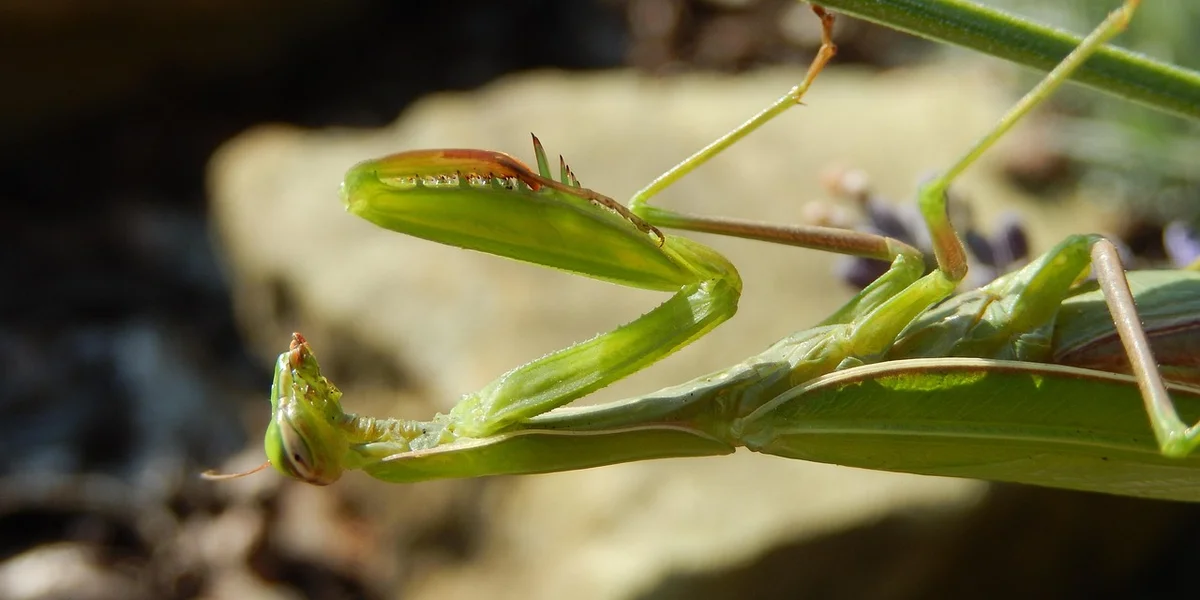
Healthy swaying in praying mantises flows with a gentle, rhythmic cadence, much like leaves rustling in a soft wind. This purposeful motion helps them camouflage and sense their environment without wasting energy. It’s important to understand their speed and movement patterns to appreciate this behavior fully.
Abnormal swaying often appears jerky, uncoordinated, or overly lethargic, which can point to underlying issues. Erratic movements might signal stress, illness, or discomfort in your mantis’s living conditions.
- Rhythm consistency: Look for smooth, repeated patterns rather than sudden stops or starts.
- Response to stimuli: A healthy mantis may pause or adjust its sway when it notices you or prey.
- Body posture: Check if the mantis holds itself upright; slouching can indicate weakness.
- Frequency: Normal swaying occurs during active hours, not constantly or when resting.
I recall when Moss, my Giant Asian Mantis, began swaying in a shaky, irregular manner. After some observation, I realised his enclosure humidity had dipped too low, causing dehydration stress. A quick misting and perch adjustment soon restored his confident, flowing motions.
Habitat and Environmental Adjustments
Creating a comfortable habitat encourages natural swaying and keeps your mantis content. Proper lighting, humidity, and perches mimic their wild surroundings and reduce stress-induced behaviors. These essential habitat requirements help ensure a healthy praying mantis, supporting its growth and daily activity. When these needs are met, mantises show fewer signs of distress.
- Position enclosures in indirect, natural light to avoid overheating and support day-night cycles.
- Maintain humidity between 50-70% using a simple spray bottle for gentle misting sessions.
- Offer varied perches like twigs or vines at different heights to promote exploration and swaying.
Sensory cues from the environment heavily influence how and when mantises sway. Subtle changes in air currents or light patterns can trigger rhythmic motions as they assess safety.
For a quick fix, use a household spray bottle with warm water to boost humidity. This mimics morning dew and encourages your mantis to engage in its natural, calming dances. Temperature and humidity matter for mantis nymphs, which need steady warmth and moisture to molt and grow. Keep an eye on the enclosure’s climate to support healthy nymph development.
Feeding and Interaction Tips
Align feeding with your mantis’s swaying habits to make mealtimes less stressful. Offer live prey like fruit flies when your mantis is actively swaying, as this signals hunting readiness. It’s important to understand how praying mantises hunt to ensure successful feeding.
During tank maintenance or handling, move slowly to avoid startling your pet. Sudden movements can interrupt their rhythmic sway and cause unnecessary stress.
- Do place food near perches where swaying is common to encourage natural strikes.
- Do maintain a quiet environment during feeding to let focus remain on the hunt.
- Don’t handle your mantis during intense swaying episodes; it may be assessing threats.
- Don’t overcrowd the enclosure with decorations, which can limit movement and swaying space.
Species Variation in Swaying and Dancing Behaviors
Different mantis species showcase unique swaying styles shaped by their habitats and survival tactics. Observing these variations helps us appreciate each species’ distinct personality and care needs. These sway patterns also reflect the natural habitat distribution of praying mantises, from tropical forests to open grasslands. Studying how posture adapts to different environments helps explain where each species is found and how it hunts.
For instance, Sprig, my Orchid Mantis, sways with a delicate, almost shy motion that blends with flowers. Her gentle rocks are subtle and infrequent, perfect for ambushing prey in dense foliage.
In contrast, Moss, the Giant Asian Mantis, uses bold, sweeping sways to survey his territory. His movements are more pronounced and exploratory, reflecting his confident nature.
| Species | Swaying Behavior | Notes |
|---|---|---|
| Ghost Mantis | Slow, leaf-like rocks | Excellent camouflage; sways to mimic dead foliage |
| Giant Asian Mantis | Energetic, wide arcs | Often sways when curious or hunting larger prey |
| Orchid Mantis | Subtle, flower-mimicking motions | Sways less frequently, usually in response to wind or movement |
Responding to Swaying: Practical Steps for Mantis Owners
When your mantis begins to sway, it’s like watching a tiny dancer in a private performance-but knowing how to respond ensures their comfort and safety. We find that gentle observation and a few simple adjustments can make all the difference in understanding their unique language.
Step-by-Step Guide to Observing and Interpreting Swaying
- Choose a calm time to watch your mantis, such as early morning or late evening when they’re most active.
- Note the surroundings: check for nearby prey, other pets, or changes in light that might influence their behavior.
- Observe the sway’s rhythm-smooth, repetitive motions often signal hunting or camouflage, while jerky movements might mean stress.
- Compare to known contexts; for instance, my Ghost Mantis Luna sways slowly when blending with leaves, but quickens if startled.
- Record your findings in a simple journal to spot patterns over time, helping you decode their individual quirks.
Keeping a watchful eye without intruding lets you learn their personal cues and build trust gradually.
When to Take Action
If swaying comes with signs like refusal to eat, lethargy, or hiding, it’s time to step in. Adjust the enclosure temperature if it drops below 20°C or rises above 28°C, as extremes can cause discomfort. For persistent issues, consult a vet experienced with invertebrates-they can rule out illness or mites. We once noticed Moss, our Giant Asian Mantis, swaying erratically during a heatwave; moving his tank to a cooler spot restored his calm within hours.
Calming Techniques
- Reduce loud noises by placing the enclosure away from TVs or busy areas to mimic their natural quiet habitats.
- Avoid sudden movements when nearby; approach slowly and speak in soft tones to prevent startling them.
- Maintain consistent lighting and humidity levels, as fluctuations can trigger stress-induced swaying.
- Offer a secure hiding spot, like a small plant or branch, where they can retreat and feel protected.
Creating a peaceful environment encourages your mantis to relax and reduces unnecessary swaying from anxiety.
Questions from Fellow Mantis Friends
Why does my praying mantis sometimes stay in one place for so long?
Remaining motionless is a key part of their ambush hunting strategy, allowing them to remain undetected by prey. This is completely normal behavior and helps them conserve energy between meals.
How long can I expect my pet praying mantis to stay alive?
A pet mantis’s lifespan varies by species but typically ranges from several months to over a year. In captivity, the average mantis lifespan in captivity for many common pet mantises tends to be around 6-12 months, depending on species and care. Providing proper care, including correct temperature, humidity, and diet, is the best way to help them reach their full lifespan.
Do praying mantises ever swarm?
Praying mantises are solitary hunters and do not form swarms like some other insects. However, you might occasionally see multiple mantises in one area if conditions are ideal for egg hatching, leading to a temporary congregation of nymphs. It’s important to understand how and when mantises lay their eggs to anticipate these gatherings.
Embracing the Mantis Dance: A Keeper’s Reflection
We’ve seen that mantis swaying stems from camouflage, hunting, and environmental sensing, so providing a habitat with natural perches and gentle handling honors their instincts. To support this, create a naturalistic, safe habitat for your mantis with natural perches, plants, and secure ventilation. Observing these rhythms helps you gauge their comfort and health, making care more intuitive and rewarding.
Responsible mantis ownership means committing to a lifelong learning journey, where each sway and tilt reveals more about their fascinating world. Keep nurturing your knowledge through trusted sources and hands-on experience, ensuring your pet thrives in a safe, enriching home.
Further Reading & Sources
- Dance Moves for The Club Praying Mantis | TikTok
- Praying Mantis Swaying | TikTok
- PRAYING MANTIS – DANCING | Cor Boon Arts
- Why Do Praying Mantis Dance? – School Of Bugs
Rowan Hale is a lifelong insect enthusiast who fell in love with mantises for their calm presence, alien elegance, and surprising personalities. After years of keeping and raising a variety of species, Rowan shares practical tips, creative insights, and real-world experience to help others enjoy the quiet magic of mantis care. From setting up the perfect enclosure to understanding their subtle behaviors, Rowan invites readers into a gentle, curious world where every tiny movement feels like a discovery.
Enrichment Activities