The Truth About Horsehair Worms: Detecting and Preventing Parasites
Hello, fellow insect lover. Imagine finding a long, wriggling thread coiled in your pet’s water dish-a creature that seems more like a stray piece of dark thread than a living animal.
Horsehair worms are parasitic nematodes that develop inside insects like crickets and mantises, eventually emerging from the host to continue their life cycle in water.
Their biology is both complex and unsettling, involving a complete takeover of a host’s body. We will walk you through the critical facts about these parasites.
Here are the key things you need to know:
- How to spot the subtle signs of an infected insect.
- The precise life cycle of the horsehair worm.
- Practical steps to protect your pets and garden from infestation.
- What to do if you discover one of these parasites.
What Are Horsehair Worms and Why Do They Matter for Mantis Owners?
Horsehair worms, sometimes called gordian worms or nematomorphs, are thin, wriggling parasites that look like strands of tangled hair. They start life in water, where their larvae infect small aquatic insects before moving up the food chain.
You will often find them near ponds, streams, or any damp area where insects like mayflies or crickets gather. These moist habitats are breeding grounds for the worms, which rely on water to complete their life cycle.
For mantis owners, this matters because your pet might eat an infected insect during feeding time. Mantises can become accidental hosts, leading to internal harm that is not immediately obvious. Understanding the common health and behavior issues in pet mantises can help you detect problems early, so you can intervene before serious harm occurs. Be alert for changes in appetite, activity, or shedding patterns.
Think of horsehair worms as stealthy intruders in a peaceful garden—they slip in unnoticed and cause trouble long before you spot them. To prevent common parasite diseases in praying mantises, keep enclosures clean and quarantine new arrivals. Regular checks help you detect infections early before they spread. Staying vigilant helps you protect your mantis from these hidden risks.
How to Spot Horsehair Worm Infections in Your Pet Mantis
Watch for unusual behaviors that signal something is wrong. Your mantis may become lethargic, lose interest in food, or adopt an awkward posture that is not typical for its species. These are telltale signs of stress. Noting them can help you tell if a praying mantis is stressed and guide you to adjust its environment or care.
- Reduced activity levels, like staying in one spot for hours.
- Refusal to eat even favorite prey items.
- Visible discomfort, such as frequent twitching or curling.
- In advanced cases, you might see worms emerging from the mantis’s body.
Conduct gentle visual checks under bright, natural light to look for subtle changes. Focus on the abdomen and leg joints, where parasites might be more noticeable, but keep in mind that young worms are tiny and often hidden.
When in doubt, use a hand lens or magnifying glass for a closer inspection. This simple tool can reveal fine details that are easy to miss with the naked eye, especially if your mantis shows early symptoms. These careful observations are the first step in our ultimate mantis health troubleshooting checklist. If you notice signs that something is off, consult our guide on why my mantis is sick to pinpoint potential causes and next steps.
Make health monitoring a daily ritual, just like misting the enclosure or offering food. Regular observation allows you to catch issues early and take action before they worsen.
The Horsehair Worm Life Cycle and How Transmission Happens
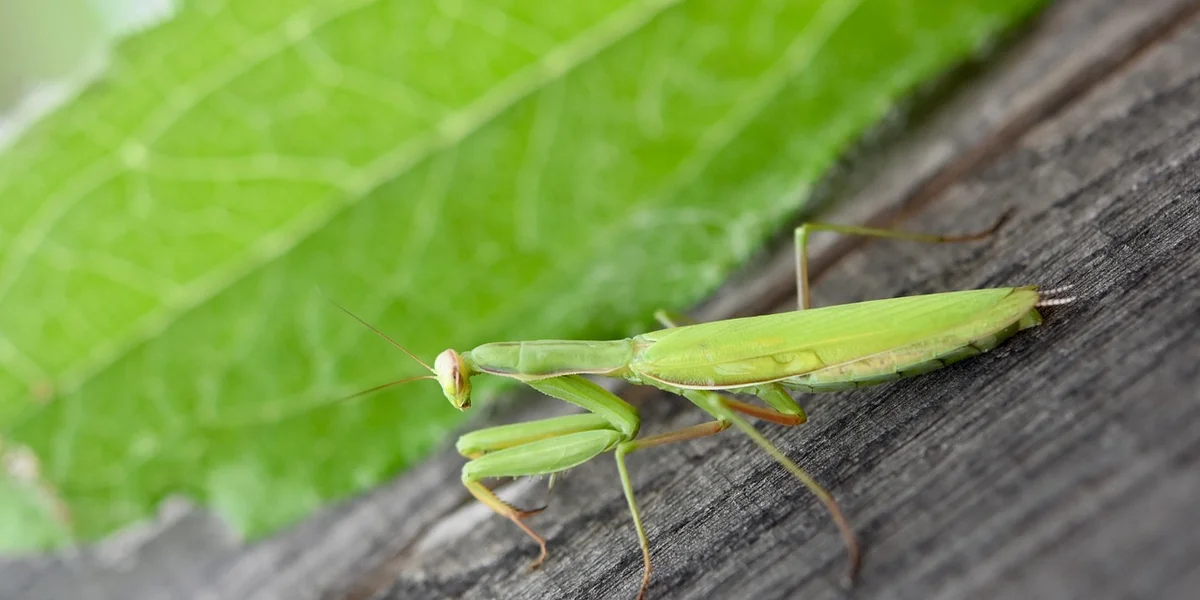
Horsehair worms begin their journey in water, where eggs hatch into tiny larvae that seek out hosts. These parasites rely on insects like mantises to complete their development, often entering through contaminated sources.
- Eggs are laid in freshwater, and larvae emerge, ready to infect small aquatic creatures or be ingested directly.
- Larvae enter insects such as mantises when they drink from tainted water or consume infected prey like crickets.
- Inside the host, larvae grow and absorb nutrients, remaining hidden until they mature into adults.
- Mature worms manipulate the mantis’s behavior, driving it toward water so the parasite can emerge and reproduce.
- Adults release eggs back into water, restarting the cycle and posing risks to other insects in the area.
Transmission often occurs through feeder insects that carry larvae or water dishes filled from outdoor sources. We’ve noticed that even a single contaminated meal can introduce these worms, as with Moss, whose curiosity led him to snatch a wild fly.
Environmental factors like stagnant or dirty water greatly increase parasite prevalence. Keeping water clean and well-aerated reduces the chances of larvae surviving to infect your mantis.
Preventing Horsehair Worm Parasites in Your Mantis Enclosure
- Source feeder insects from reputable suppliers to reduce risk, avoiding wild-caught prey that may harbor parasites.
- Maintain clean water and avoid using outdoor water sources in the habitat, opting for distilled or treated water instead.
- Practice good hygiene by washing hands and tools regularly to prevent cross-contamination between enclosures.
- Monitor and control humidity levels to discourage parasite survival, as high moisture can aid worm development.
- Isolate new mantises or insects before introducing them to your collection, observing for any unusual behavior or signs.
Common Mistakes and Misidentifications with Horsehair Worms
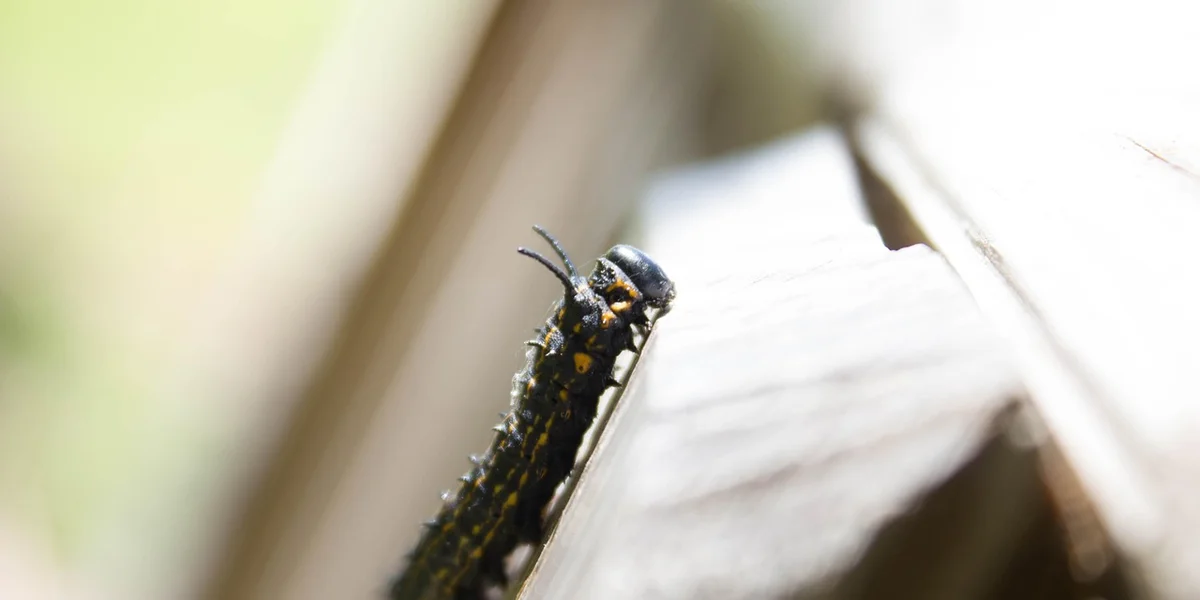
Many new keepers jump to conclusions when they spot something unusual in their mantis enclosure, but careful observation can prevent unnecessary worry. Horsehair worms and nematodes might look similar at first glance, but their behaviors and habitats set them apart clearly. This is a good example of how to separate fact from fiction when it comes to horsehair worms in praying mantises. Being familiar with their true life cycle and identifying features helps keepers evaluate sightings calmly rather than jumping to conclusions.
- Horsehair worms are long, thin, and often wriggle in water sources, while nematodes are typically shorter and may appear in soil or decaying matter.
- Nematodes can sometimes infect mantises internally, but horsehair worms are more likely to emerge during molting or in damp conditions.
It is easy to mistake harmless things for parasites, especially when you are new to mantis care. Common false positives include bits of shed skin, stray plant fibers, or even tiny fragments of substrate that catch the light just right. When introducing a new plant (https://mypetmantis.com/how-to-safely-introduce-a-new-plant-into-your-mantis-enclosure), quarantine it first and inspect for pests, then rinse it clean before placing it in the enclosure.
- Shed skin, or exuviae, often has a crinkled texture and might be misidentified as a worm if it is not fully detached.
- Debris from uneaten prey or mould growth in humid enclosures can also trigger false alarms.
Relying only on what you see with your eyes can lead to mistakes because many parasites hide inside the mantis or blend into the environment. Visual inspection misses subtle signs like internal infections or early-stage worm presence that require closer examination.
We once thought Moss had a horsehair worm after spotting a thin strand in his water dish, but it turned out to be a stray thread from a nearby cloth. Seek help from a vet or seasoned keeper if you are unsure, as they can provide accurate identification and peace of mind.
Safe Handling and Ethical Tips for Infected Mantises
If you suspect your mantis has a parasite, the first step is to create a calm, separate space to avoid spreading any issues. Gently move the mantis to a clean, temporary enclosure with familiar items to reduce stress during observation.
- Prepare a small container with ventilation, soft substrate, and a light mist of water to maintain humidity.
- Use a soft brush or your hand to coax the mantis without grabbing, as sudden movements can cause harm.
- Monitor feeding and behavior daily, noting any changes like lethargy or refusal to eat.
Ethical care means putting your mantis’s comfort first, even when you are concerned about parasites. Avoid over-handling or frequent enclosure changes, as this can heighten anxiety and weaken their immune response. When you interact with your praying mantis, keep handling brief and gentle. Let the mantis come to you or be guided and supported, rather than grabbed. To learn more, see our guide on how to handle your praying mantis safely.
With Luna, we learned to limit interactions to brief checks, which helped her stay calm and recover faster from a scare. Consult a specialist if symptoms persist or if you need confirmation, as early expert input can guide effective treatment.
Always prioritize gentle practices, such as using lukewarm water for misting and keeping the environment stable. These small acts of care ensure both you and your mantis navigate challenges with minimal distress and maximum support.
Questions from Fellow Mantis Friends
What molecular markers are commonly used for horsehair worm detection?
Molecular markers like cytochrome c oxidase subunit I (COI) are frequently used for DNA barcoding in horsehair worm identification. This approach allows for precise species differentiation and is especially useful in research settings.
How do environmental factors influence the detectability of horsehair worms?
Environmental factors such as temperature and humidity significantly affect horsehair worm detectability. Warmer, moist conditions can increase parasite activity and make them more visible in water sources or infected hosts.
Are there rapid field tests or kits available for horsehair worm detection?
Currently, no rapid field tests or kits are commercially available for detecting horsehair worms. Reliable identification still depends on visual inspection and advanced laboratory techniques for confirmation.
Your Mantis’s Peaceful World, Parasite-Free
Watch for subtle changes in your mantis’s behavior and appearance, as early detection of horsehair worms can make all the difference. For a feeding schedule tailored by species, see our praying mantis feeding schedule comparative guide. It compares how often different species eat and what prey they typically take. Prevent infestations by sourcing feeder insects from trusted suppliers and maintaining a clean, stress-free habitat for your pet.
Responsible mantis ownership means staying curious and proactive about their well-being, much like we do with our own Moss, who teaches us something new each day. Embrace the journey of learning-your dedication helps create a safe, enriching life for your remarkable mantis companion.
Further Reading & Sources
- Human Encounter with a Horsehair Worm (Nematomorpha): Is There a Reason To Worry? – PMC
- Nematomorpha – Wikipedia
- Horsehair Worms | Entomology
- Two Human Cases Infected by the Horsehair Worm, Parachordodes sp. (Nematomorpha: Chordodidae), in Japan – PMC
Rowan Hale is a lifelong insect enthusiast who fell in love with mantises for their calm presence, alien elegance, and surprising personalities. After years of keeping and raising a variety of species, Rowan shares practical tips, creative insights, and real-world experience to help others enjoy the quiet magic of mantis care. From setting up the perfect enclosure to understanding their subtle behaviors, Rowan invites readers into a gentle, curious world where every tiny movement feels like a discovery.
Preventative Care