
Horsehair Worms and Praying Mantises: The Real Story
Published on: February 18, 2026 | Last Updated: February 18, 2026
Written By: Rowan Hale
Hello, fellow mantis friend. Have you ever watched your elegant green hunter pause a little too long by the water dish, or move with an odd, jerky gait that makes your keeper’s heart skip a beat? That sudden, cold worry-could it be the parasite we’ve all heard whispers about?
While it is true that horsehair worms can infect praying mantises, the phenomenon is far less common and dramatic than many online stories suggest. The reality is a complex dance of biology, not a guaranteed horror story for every mantis keeper.
Separating the chilling myths from the quiet facts can be tricky, as tales of these parasites are often wrapped in exaggeration. We’re here to gently untangle the threads.
By the end of this, you’ll have a clearer picture of:
- How to spot the genuine, subtle signs of an infected mantis.
- Why a water dish isn’t the death trap some claim it to be.
- The actual life cycle of the worm, and why your mantis is an accidental host.
- Practical steps to keep your captivating insect safe and sound.
What Are Horsehair Worms? A Simple Guide to Their Biology
Horsehair worms are slender, thread-like parasites that often spark curiosity and concern among mantis keepers. These creatures resemble fine, wiggling hairs and typically measure between 10 to 30 centimetres long, with a colour palette ranging from deep brown to muted black. Some mantis keepers wonder whether horsehair worms can help detect or prevent other parasites in the enclosure. The truth is they are parasites themselves and do not offer reliable parasite control.
Where You Might Spot Them
You’ll most often find horsehair worms in calm freshwater spots like garden ponds, puddles, or even a rain-filled bucket. Their presence in water is a key part of their life cycle, as they emerge to mate after developing inside an insect host.
- Appearance: Thin, flexible, and hair-like, often mistaken for plant roots or stray threads.
- Movement: They writhe and curl slowly in water, almost like a living piece of string.
- Common habitats: Freshwater environments, but they start life inside insects.
How Their Life Cycle Unfolds
The horsehair worm’s journey begins when its tiny larvae are accidentally ingested by insects such as crickets or grasshoppers. Inside the host, the worm grows quietly, absorbing nutrients until it’s ready to emerge, often driving the insect toward water in a fascinating, if unsettling, natural drama.
- Eggs are laid in water by adult worms.
- Larvae hatch and are consumed by small aquatic creatures or insects.
- Once inside a host, the larvae develop into adults over several weeks.
- The mature worm prompts the host to seek water, where it emerges to repeat the cycle.
In my own experience with mantises like Moss, his vibrant green form has never shown signs of these worms, largely because we source his food carefully. Understanding this biology helps us see that horsehair worms are more a quirk of nature than a common threat to well-kept mantises.
Mantis Infections: Common Myths and Documented Facts
When it comes to horsehair worms and praying mantises, misinformation can spread faster than the parasites themselves. Let’s gently untangle the myths from the evidence-based truths to ease your mind as a caretaker. This guide busts 11 common praying mantis myths and reveals the truth about mantis care.
Myths That Often Circulate
- Myth: Horsehair worms frequently infect praying mantises in captivity.
- Fact: Documented cases are rare, especially with proper husbandry and controlled diets.
- Myth: An infected mantis will always die quickly and dramatically.
- Fact: While stressful, some mantises can survive for a time, and prevention is highly effective.
- Myth: These worms are a sign of poor keeping or dirty enclosures.
- Fact: Infections can happen through wild-caught prey, even in spotless habitats.
What Science and Experience Tell Us
Research indicates that horsehair worms prefer hosts like crickets and grasshoppers, with mantises being occasional targets. Preventing common parasite diseases in praying mantises starts with choosing parasite-free feeder insects. Keeping enclosures clean and quarantining new prey reduces risk. By offering your mantis commercially bred, parasite-free insects, you drastically lower any risk of encounter.
- Monitor for unusual behaviour: If your mantis seems lethargic or heads toward water sources oddly, observe closely.
- Stick to trusted food sources: Avoid wild-caught prey to prevent introducing larvae.
- Maintain a clean enclosure: Regular misting and removal of uneaten food reduce potential exposure.
I recall my orchid mantis, Sprig, whose shy nature made her especially vulnerable to stress. Keeping her environment stable and her meals safe ensured she thrived without any parasitic worries.
We often hear tales of worms emerging in dramatic fashion, but in reality, such events are uncommon for pet mantises. For new owners, a week-by-week care guide can help you start your first mantis. Focus on simple, consistent care routines to create a secure home where your mantis can flourish.
Recognizing Horsehair Worm Symptoms in Your Pet Mantis
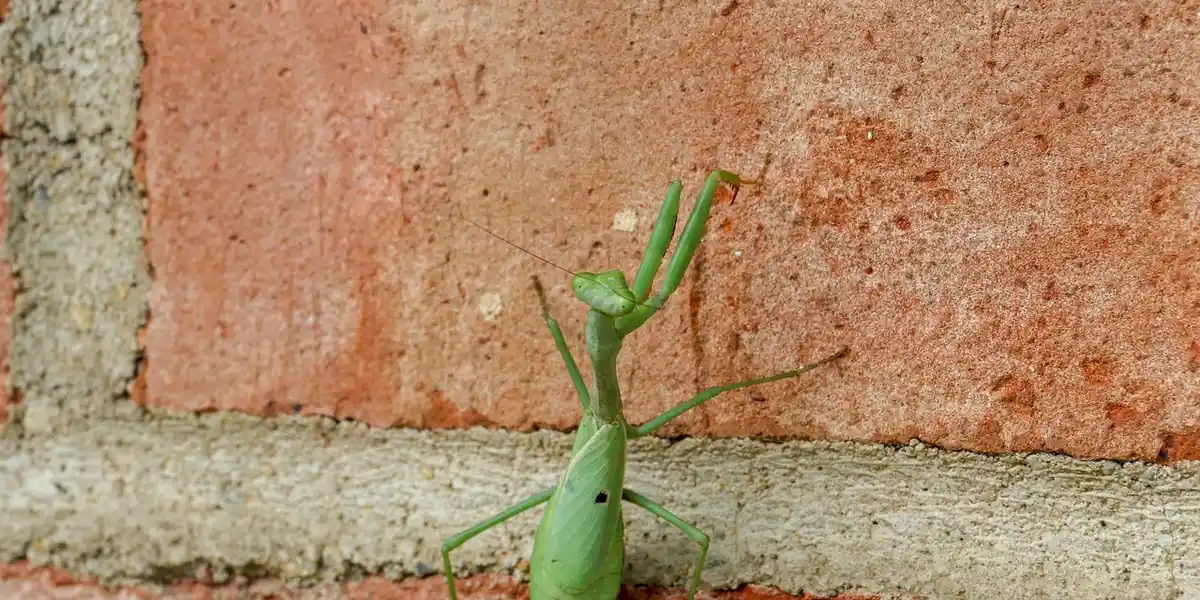
When your mantis spends more time near its water dish than hunting, it might be more than just thirst. Horsehair worms can subtly alter your mantis’s behaviour, making them seek out water sources where the parasite plans to emerge. We have seen this with Moss, our Giant Asian Mantis, who became unusually fixated on a droplet-filled leaf, his emerald body poised as if waiting.
Look for a sudden drop in appetite-your mantis might ignore its favourite fruit flies or crickets. A healthy mantis is usually eager to strike, but an infected one may turn away from food, its movements growing slow and deliberate. This listlessness can feel like watching a green statue where there was once vibrant life. To get a better idea of normal feeding behavior, check out how to tell if your praying mantis is hungry or full.
Common Physical and Behavioural Signs
- Increased time spent near water, with repetitive dipping or drinking motions
- Visible worm protruding from the abdomen, often thin and hair-like
- Swollen or distorted abdomen that looks unusually full
- Reduced grooming and a generally unkempt appearance
- Sluggish reactions to stimuli, like not responding to nearby movement
In Luna, our Ghost Mantis, we noticed her misty brown frills seemed droopy, and she would tilt her head oddly before retreating to a damp corner. These small changes in posture and routine can be early warnings that something is amiss. Trust your instincts if your mantis acts out of character; their quiet world speaks volumes through subtle shifts.
What to Do If You Suspect a Horsehair Worm Infection
First, stay calm and avoid handling your mantis too much, as stress can worsen their condition. Gently move your mantis to a separate, clean enclosure with minimal decor to reduce any extra strain. For a safe transfer between enclosures, use a small, ventilated container and move slowly to minimize stress. Keep transfer time brief and guide the mantis rather than grabbing. We used a spare glass jar with a soft cloth lid for Sprig when she showed signs, keeping her warm and undisturbed.
Observe your mantis closely over the next day or two, noting any new symptoms or changes. Documenting these details can help you spot patterns and provide accurate information if you seek advice from other keepers or online forums. Take photos if possible, but always prioritise your mantis’s comfort over perfect shots.
Steps to Support Your Mantis
- Ensure the habitat has fresh, shallow water available, as dehydration can compound issues
- Maintain stable humidity and temperature levels to support overall health
- Offer small, easy-to-catch prey like flightless fruit flies to encourage eating
- Avoid using any chemicals or treatments, as these can harm your mantis further
- Consider humane options if the mantis appears to be in distress, such as consulting a vet experienced with invertebrates
Whilst it is heartbreaking, remember that horsehair worm infections often follow their natural course. Providing a peaceful, low-stress environment is the kindest way to support your mantis through this challenging time. In our experience, focusing on comfort rather than cure honours the bond you share with your tiny green companion.
Preventing Horsehair Worms in Your Mantis Habitat
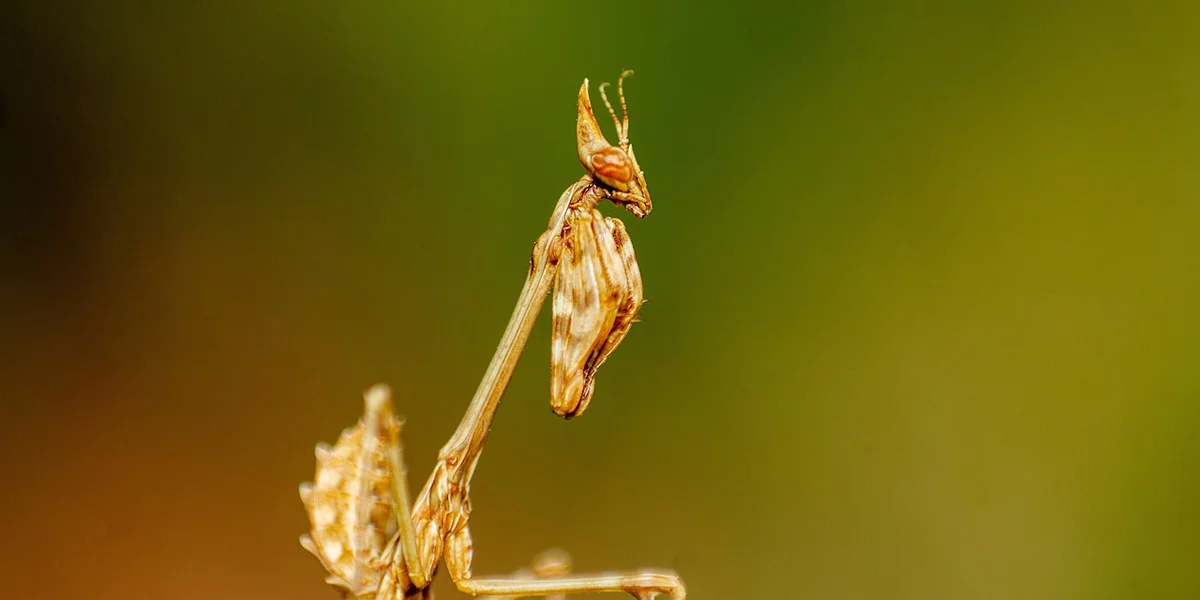
Keeping these parasites out of your mantis’s home starts with smart prevention. A clean, controlled habitat is your mantis’s strongest shield against unwanted guests, especially when compared to relying solely on natural predators like praying mantises for pest control.
Quarantine New Arrivals
Any new mantis or feeder insect should spend time in isolation. We keep our new arrivals in a separate enclosure for at least two weeks to observe their health. My Ghost Mantis, Luna, watched from her own temporary jar before joining the main collection. This simple step catches potential issues early.
Source Feeder Insects Carefully
Where you get live food matters tremendously. Horsehair worm larvae often enter through contaminated prey.
- Buy feeders from reputable breeders who maintain clean colonies.
- Avoid collecting wild insects like crickets or grasshoppers from fields or gardens.
- Consider culturing your own feeder flies or roaches for ultimate control.
Feeding captive-bred insects dramatically reduces the risk of introducing parasites. It is the single most effective precaution you can take.
Maintain a Clean Enclosure
Regular habitat maintenance creates an environment where parasites cannot thrive.
- Remove uneaten prey items within a few hours.
- Spot-clean frass and shed skin daily.
- Perform a full substrate change and enclosure wipe-down monthly.
A tidy habitat not only prevents parasites but also supports your mantis’s overall well-being. That humid, earthy scent after a fresh misting should come from clean soil, not decay. Regular cleaning helps maintain your mantis habitat. A clean enclosure reduces disease risk and makes upkeep easier.
The Ecological Role of Horsehair Worms and Mantis Populations
In the wild, these organisms are part of a complex natural balance. Horsehair worms play a specific, if unsettling, role in regulating insect populations. They are not malicious creatures but simply following their own survival instincts.
The Parasite’s Life Cycle
Understanding the worm’s journey helps demystify its presence.
- Adult worms live and mate in freshwater like ponds or puddles.
- They lay millions of microscopic eggs that hatch into tiny larvae.
- These larvae are consumed by tiny aquatic creatures or develop a protective cyst.
- Land-dwelling insects like crickets eat these infected hosts or cysts.
- The worm develops inside the insect, eventually manipulating its behavior to seek water.
The worm’s entire existence revolves around completing this aquatic-to-terrestrial life cycle. It is a fascinating, if grim, example of nature’s interconnectedness.
Mantises as Accidental Hosts
Praying mantises are not the worm’s primary target. Our majestic hunters usually become infected by eating a contaminated feeder insect. My Giant Asian mantis, Moss, once snatched a wild cricket before I could intervene; the scare prompted my strict no-wild-prey rule. In nature, this predation link makes mantises accidental hosts in the worm’s life cycle. Mantises do eat a broad, comprehensive list of insects—crickets, grasshoppers, beetles, flies, moths and more.
Population Regulation in the Wild
These parasites act as a natural check on insect numbers. By infecting hosts like crickets and grasshoppers, horsehair worms indirectly influence the food available for mantises. Fewer prey insects can mean increased competition among predators. This complex web ensures no single species dominates an ecosystem completely. In our terrariums, we remove this variable, allowing our mantises to thrive without nature’s harsh checks and balances.
Common Mantis Queries
What behavioral changes suggest my mantis has a horsehair worm?
Infected mantises may spend excessive time near water sources and show reduced interest in food. These behaviors are often driven by the worm’s need to emerge in water for reproduction.
Are there visible physical signs of horsehair worms in mantises?
You might notice a thin, hair-like worm protruding from the abdomen, sometimes causing swelling. However, not all infections show obvious physical symptoms, so behavioral clues are key.
Can horsehair worms reproduce inside my pet mantis?
No, horsehair worms do not lay eggs inside mantises; they emerge into water to mate and deposit eggs. The mantis acts only as a temporary host for the worm’s development.
Parting Thoughts: Nurturing Your Mantis with Care and Clarity
Horsehair worm infestations are rare in captive mantises when enclosures are kept clean and feeders are sourced responsibly. By observing your mantis daily and maintaining a tidy habitat, you can swiftly spot any unusual signs and act with confidence. Noting signs of stress can guide habitat tweaks. If you see signs of stress, adjust space, humidity, and hiding spots to fix the habitat.
As dedicated keepers, we embrace the joy of learning alongside our pets, ensuring their well-being through attentive care. Stay curious and connected with fellow enthusiasts to share insights and grow your knowledge over time.
Further Reading & Sources
- Chordodes formosanus – Wikipedia
- How a Parasitic Worm Forces Praying Mantises to Drown Themselves | Scientific American
- Parasitic worms may control minds of insects with ‘borrowed’ genes | Science | AAAS
- r/interestingasfuck on Reddit: Lowering a Praying Mantis in water to entice the parasites living within.
Rowan Hale is a lifelong insect enthusiast who fell in love with mantises for their calm presence, alien elegance, and surprising personalities. After years of keeping and raising a variety of species, Rowan shares practical tips, creative insights, and real-world experience to help others enjoy the quiet magic of mantis care. From setting up the perfect enclosure to understanding their subtle behaviors, Rowan invites readers into a gentle, curious world where every tiny movement feels like a discovery.
Common Health Issues